
Essential Waterfowl Hunting Regulations Every Hunter Should Know
Stay compliant and safe in the field with essential waterfowl hunting regulations. Learn the must-know rules to enhance your hunting experience. Read more!
Understanding Federal Waterfowl Hunting Laws
From the Migratory Bird Treaty Act to the requirement for a Federal Duck Stamp, federal laws form the backbone of legal waterfowl hunting in the U.S. Understanding these federal regulations is essential for every hunter, regardless of their state. Compliance with federal and state laws ensures the protection of natural resources while providing hunting opportunities for such birds.
Importance of waterfowl hunting regulations
Waterfowl hunting laws are vital as they help protect migratory bird populations and their habitats. Regulated by the Fish and Wildlife Service, these laws apply to traditional migratory game birds and waterfowl like ducks, cranes, geese, swans, and coots. Hunters must be knowledgeable about both federal and state regulations, as these can differ significantly.
Migratory bird hunting regulations
The Migratory Bird Treaty Act is a cornerstone of legal waterfowl hunting in the U.S. This act establishes important guidelines, including the closure of hunting seasons after March 10. It regulates the hunting seasons, specifying open and close dates, the length of the season, shooting hours, daily bag limits, and possession limits. The earliest opening date for hunting seasons is September 1, with each species’ specific dates determined by the Migratory Bird Conventions.
The Federal Duck Stamp
The Federal Duck Stamp, officially known as the Migratory Bird Hunting and Conservation Stamp Act, plays a crucial role in protecting wetlands and migratory waterfowl. All waterfowl hunters aged 16 and older are required to purchase and carry this stamp annually. The funds generated from the sale of these stamps are directly allocated to the Migratory Bird Conservation Fund and the migratory bird preservation facility, assisting in habitat preservation efforts.
How State Regulations Affect Waterfowl Hunting Access
Each state has its own hunting zones, licensing requirements, and season dates. Understanding these regulations is essential for every hunter, as it ensures both ethical practices and legal compliance. Staying current with the laws can enhance your hunting experience and contribute to wildlife conservation efforts.
State waterfowl licensing requirements
Hunters are responsible for complying with their state’s specific licensing requirements. To navigate these regulations effectively, hunters should consult their state’s wildlife management website. This resource provides vital information regarding licensing requirements, season dates, and designated hunting zones. It is crucial to note that while states have individual regulations, they all adhere to federal laws governing hunting practices.
Examples of state regulations
- Connecticut: In Connecticut, hunters are required to possess a valid Connecticut Migratory Bird Conservation Stamp authorization on their license. Alternatively, they can have the CT Migratory Bird Conservation Stamp signed in ink across the stamp face. When it comes to shooting, hunters must use non-toxic steel shot, which can be no larger than BB steel, or federally approved non-toxic shot types, such as tungsten-matrix.
- Georgia: Georgia mandates that each hunter over the age of 16 carry a Georgia Migratory Bird Stamp. The state specifies that hunters must only use federally approved non-toxic shot sizes “F” or smaller. Additionally, there are limitations on field dressing; hunters cannot dress waterfowl and transport them out of the field. Georgia also enforces a strict daily bag limit of one waterfowl per hunter.
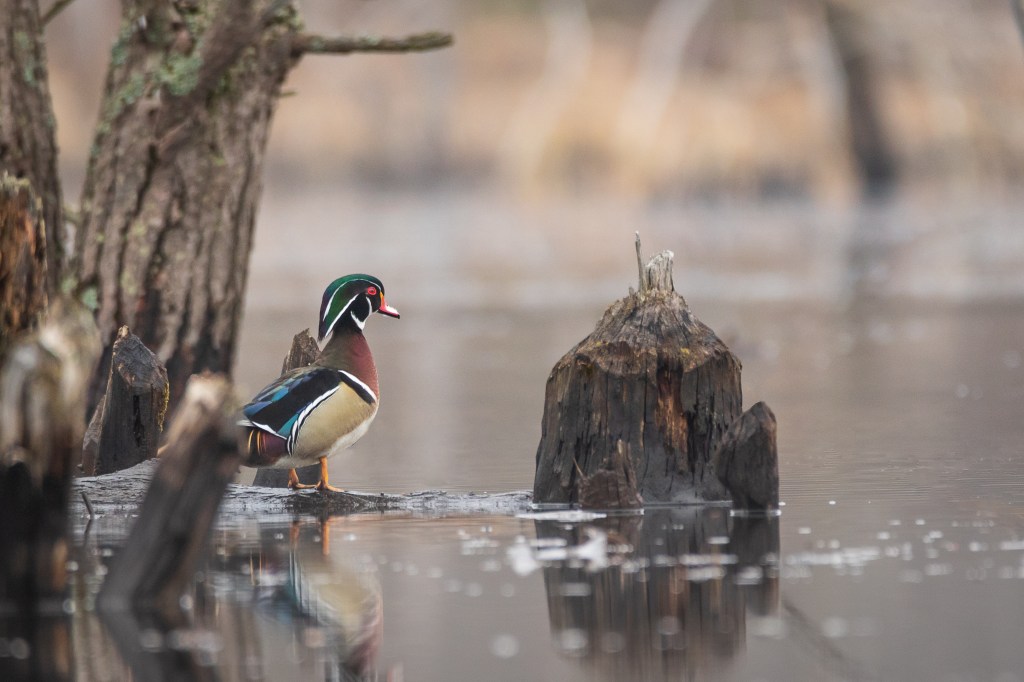
- Virginia: Virginia’s regulations are similar to those of Connecticut. Hunters are required to register for waterfowl and migratory bird hunting with the Virginia Harvest Information Program (HIP) by July 1st each year. Like the other states mentioned, hunters in Virginia are only permitted to use non-toxic shots that protect species such as wood ducks.
HIP Registration and Legal Equipment Requirements
Waterfowl hunting is a tradition, but hunters must adhere to specific laws and regulations to ensure sustainable practices and the protection of migratory bird populations.
HIP registration
To hunt legally, hunters must be registered with the Migratory Bird Harvest Information Program (HIP). This registration is essential for anyone wishing to participate in waterfowl hunting, ensuring that all hunters are accounted for and that migratory bird populations are properly managed.
Non-toxic shot requirements
The use of non-toxic shot is a critical regulation for waterfowl hunting. This rule protects migratory birds from sickness or death caused by ingesting harmful substances during normal agricultural operation. Hunters are required to use shot types that do not pose a danger to these birds, promoting a safer hunting environment and conservation of wildlife.
Firearm limits
Certain limitations on firearms are strictly enforced to ensure safe and responsible hunting practices. Hunters are prohibited from using machine guns, traps, nets, pistols, shotguns larger than 10 gauge, fishhooks, poisons, and explosives. This regulation helps maintain a fair hunting field and minimizes the risk of injury to both hunters and wildlife.
Gear regulations
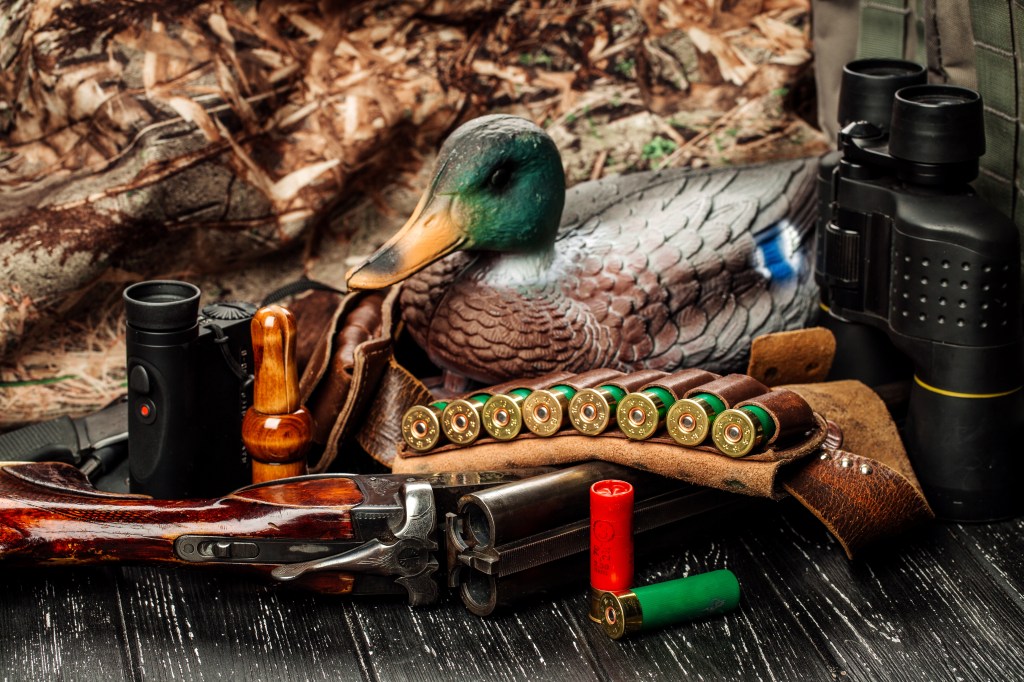
Proper gear is essential for ethical waterfowl hunting. Baiting practices are defined as placing, distributing, scattering, or exposing salt or grain to attract or lure waterfowl. It’s important to note that hunting with the aid of baiting is illegal if you know or reasonably believe that the area has been baited. Furthermore, motorboats must not be in motion when hunting. Hunters are also prohibited from using live birds as decoys, employing recorded or electrically amplified bird calls or sounds, and from using motor driven land conveyance. These restrictions ensure fair chase and respect for wildlife.
What You Need to Know About Baiting and Ethics
Misunderstanding baiting laws can lead to serious legal trouble for hunters. It’s crucial to clarify what constitutes illegal baiting to promote ethical practices that align with both legal standards and hunting traditions. In the context of hunting migratory birds, specifically waterfowl, there are specific regulations that must be followed to ensure compliance with the law.
Waterfowl baiting violations
Illegal baiting refers to the use of any substance placed or distributed with the intention of luring or attracting migratory birds. This includes the placement of grain, such as corn or wheat, as well as salt or other feed. According to the law, hunting migratory birds over a baited area is prohibited. Furthermore, once any bait has been removed, that area remains off-limits for hunting for a period of 10 days.
Ethical hunting practices
Hunting is a respected activity, and ethical practices are essential. Keeping updated on federal and state regulations is paramount for compliance. Additionally, hunters should aim to take ethical shots to minimize suffering and choose non-toxic ammunition to protect the environment.
Legal duck hunting practices
Duck hunters must adhere to several legal practices. First, they must retrieve all waterfowl that they have killed or injured. It is important to keep these birds in custody while in the field, and retrieve downed birds, they should be immediately dispatched and counted towards the daily bag limit. Furthermore, hunting can only occur during open seasons and designated shooting hours, and non-game migratory birds, such as herons, hawks, eagles, and vultures, must not be hunted under any circumstances.
Hunting Waterfowl on Public vs. Private Land
Access rules for hunting vary significantly based on location. This section outlines the regulations for national wildlife refuges, public waterways, and private properties, providing essential information on the necessary paperwork and permissions required for waterfowl hunting.
Legal hunting areas
Hunters must familiarize themselves with the areas where hunting is permitted. Legal hunting locations include:
- Standing crops or flooded standing crops, including aquatic plants.
- Standing, flooded, or manipulated natural vegetation.
- Flooded harvested croplands.
- Lands or areas where grains have been scattered solely as a result of normal agricultural practices.
- Lands or areas where top-sown seeds have been scattered solely due to normal agricultural activities or erosion control efforts.
- A blind or concealment place camouflaged with natural vegetation.
- A blind or concealment place camouflaged with agricultural crop vegetation, as long as it doesn’t involve scattering grain or feed.
- Standing or flooded standing crops where grain is inadvertently scattered because of hunters’ activities.
It’s important to note that any intentional scattering of grain will create a baited area, which is illegal. For official guidance, refer to the U.S. Fish and Wildlife Service (FWS) regulations.
Illegal hunting areas
Certain areas are strictly off-limits for hunting, particularly those designated as illegal hunting locations by the FWS. These include:
- Areas with top-sown grain or seed that are not recommended by the Cooperative Extension Service.
- Crops harvested outside the recommended dates set by the Cooperative Extension Service, including any follow-up manipulations.
- Unharvested crops that have been trampled by livestock or otherwise manipulated to expose grain.
- Locations with stored grain, such as grain elevators and bins.
- Areas where grain is present solely for feeding livestock.
- Newly planted wildlife food plots with exposed grain.
- Croplands where harvested grain has been redistributed back onto the land it was grown on.
It’s important to note that these examples do not represent an exhaustive list of waterfowl baiting violations.
Public waterways regulations
When hunting in public lands, it is the hunter’s responsibility to be aware of the regulations governing these areas. It is advisable to consult state wildlife websites regularly to stay informed about when and where hunting is allowed, ensuring compliance with local regulations.
Private property
For hunting on private property, hunters must take the initiative to understand local, state, and federal regulations. It is crucial to seek permission from the landowner before hunting on their land, as this ensures that hunters respect property rights and adhere to guidelines.

Preparing for the 2025–2026 Waterfowl Seasons
With regulatory updates happening yearly, it’s important to stay informed about what’s expected in the upcoming seasons. Changes can include shifts in bag limits, zone boundaries, and conservation strategies that influence regulations. Understanding these updates is crucial for all waterfowl hunters and enthusiasts.
Hunter’s responsibility
It is the hunter’s responsibility to stay up to date with both federal and state regulations. These guidelines are put in place not only for the sustainability of wildlife populations and normal soil stabilization practice but also to ensure a fair and safe hunting experience for everyone involved. Regularly checking for updates can prevent any violations and promote responsible hunting practices.
Daily bag limits
Waterfowl hunting regulations specify a daily bag limit that hunters must adhere to. In 2025, it is expected that there will be a one daily bag limit in effect, reinforcing the importance of sustainable hunting practices. Knowing and respecting these limits helps preserve waterfowl populations for future generations.
Zone boundaries
Understanding the zone boundaries is essential for waterfowl hunters. Each zone may have different regulations regarding hunting seasons and bag limits, and remaining informed about these distinctions can enhance the hunting experience while promoting adherence to the law.
Conservation strategies
Conservation strategies play a pivotal role in shaping waterfowl harvest limits and hunting regulations. These strategies are designed to protect vital habitats and maintain healthy waterfowl populations, ensuring that future generations can enjoy the tradition of waterfowl hunting. Recognizing the importance of these strategies helps hunters engage with conservation efforts and contribute to the sustainability of wildlife.

Protecting Your Gear and Collection: Insurance for Waterfowl Hunters
Whether you own a vintage duck call collection, custom decoys, or heirloom shotguns used only for waterfowl season, it’s essential to insure them properly. Learn how specialty coverage from providers like 1776 Insurance can safeguard your prized hunting tools and collectibles from theft, loss, or damage.
At 1776 Insurance, we specialize in providing comprehensive coverage tailored to firearms and related accessories. Our policies are designed to protect against a variety of risks, including:
- Accidental breakage
- Burglary
- Fire
- Flood (excluding Zones A & V)
- Loss in the mail
- Natural disasters
- Theft
- Other causes of loss, unless specifically excluded from the policy
We offer coverage for items temporarily away from the scheduled location, including during travel, exhibitions, and storage (additional premium may apply). Our policies are often more affordable than standard homeowners’ policies, with deductibles starting at $0 for collector policies.
This article is intended for informational purposes only and you should not interpret anything contained in it as legal advice. Collectibles Insurance Services, LLC, its parents, affiliates, and anyone connected with them are not responsible or liable in any way for your use of the information contained in or linked to from this article. Reliance on the information provided in this article is solely at your own risk. If you have questions about gun laws or any of the topics addressed in the article, you should contact an attorney or subject-matter expert.
Sources
https://ksoutdoors.com/Hunting/Hunting-Regulations/Migratory-Birds/Federal-Migratory-Bird-Regulations
https://www.themeateater.com/hunt/ducks/a-primer-on-waterfowl-regulations
https://www.ducks.org/hunting/waterfowl-hunting-tips/duck-hunting-101-laws-and-ethics
https://www.fws.gov/story/2021-12/information-waterfowl-hunters
https://www.ducks.org/conservation/waterfowl-research-science/changes-to-us-migratory-bird-hunting-regulations-on-baiting-laws
https://portal.ct.gov/deep/hunting/connecticut-migratory-bird-hunting-guide/federal-state-and-local-regulations
https://myfwc.com/hunting/regulations/birds/
https://dwr.virginia.gov/hunting/regulations/migratory-gamebirds/
https://georgiawildlife.com/FederalRegulationsSummary
https://www.fws.gov/law/migratory-bird-hunting-regulations
https://www.fws.gov/program/federal-duck-stamp/about-us
https://www.fws.gov/story/2022-04/nontoxic-shot-regulations-hunting-waterfowl-and-coots-us