
The Rise of 3D Printed Firearms: Risks and Realities in Modern Society
Explore the implications of 3D printed firearms in society, weighing the potential risks and realities. Read the article to understand this emerging issue.
3D-Printed Firearms: A New Era of Gun Ownership
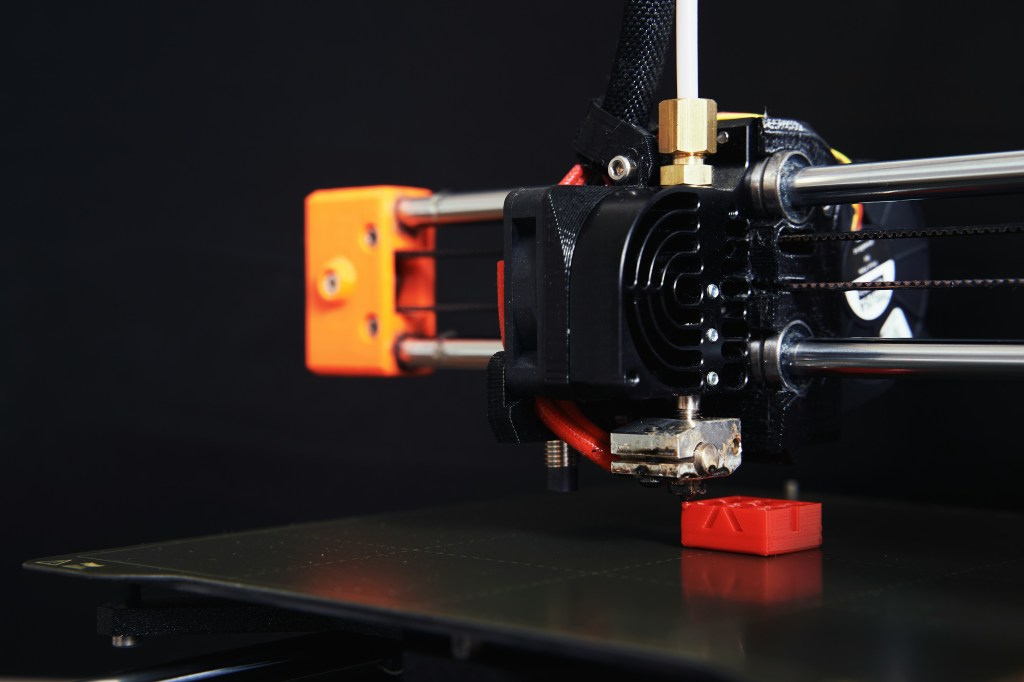
The rise of 3D printing has transformed firearms from factory-made products to customizable DIY creations. A 3D-printed gun consists of printed firearms components, such as frames and receivers, which are often sold incomplete and lack serial numbers, making them untraceable firearms.
While this technology offers exciting opportunities for customization, it raises significant questions about legality, safety, and insurance coverage. The challenge lies in striking a balance between personal freedom and public safety. In this blog, we will explore the risks and realities surrounding 3D-printed guns and their impact on society.
Understanding Ghost Guns and Their Legal Status
Often referred to as “ghost guns,” many 3D-printed firearms lack serial numbers, making them difficult to trace. This raises legal challenges, as regulations vary widely across states and countries.
Ghost guns
Ghost guns are often associated with the rise of 3D printing technology, allowing individuals to produce firearms that do not bear serial numbers. This absence of identification renders these firearms untraceable, unlike conventional firearms, which are required to have identification. As technology evolves, the implications of ghost guns on public safety become increasingly pressing, prompting discussions among lawmakers and the public alike.
Homemade firearm laws
The emergence of untraceable guns, particularly those created through 3D printing, presents a complex legal landscape. Current regulations have struggled to keep pace with these technological advancements, resulting in a patchwork of laws that vary significantly across states and countries. This inconsistency complicates law enforcement efforts and raises questions about accountability and safety. As society grapples with these challenges, finding a balance between innovation and regulation remains a pivotal issue in firearms legislation.

Safety Concerns: Are 3D-Printed Guns Reliable?
Unlike traditionally manufactured firearms, 3D-printed guns may have inherent structural weaknesses. The DIY nature of these firearms introduces variability in quality, with each individual potentially achieving different results based on their skills and resources. This inconsistency raises important questions regarding the safety and reliability of such firearms, making it a critical concern for owners.
Material quality
The materials used in 3D printing play a significant role in determining the overall quality of the firearm. Many individuals may opt for lower-cost options that, while more affordable, could result in a homemade firearm crafted from subpar materials. Such choices can compromise the gun’s integrity, leading to potential safety issues.
Skill and technique
Creating a functional 3D-printed firearm involves more than simply downloading a template and setting up a 3D printer. Possessing firearms requires a certain level of skill and knowledge about the machine and the nuances of printing techniques. Additionally, post-printing work, including assembly and finishing touches, demands precision and expertise, which not every individual may possess.
Safety risks
The structural weaknesses resulting from the use of lower-quality materials and inadequate assembly could create a hazardous situation for users. A poorly constructed firearm may not withstand the forces exerted during firing, posing risks to the user and bystanders. Additionally, they might not be functioning firearms.
Durability and reliability
Low-quality materials are more prone to degradation over time, raising serious concerns about the durability of 3D-printed guns. As these materials deteriorate, the likelihood of malfunctions increases, further complicating the safety profile of these firearms. Without proper skills in post-processing and checks, users may unknowingly end up with a homemade gun that is unreliable and dangerous to operate.

The Debate Over Regulation and Control
Governments are increasingly facing the challenge of how to effectively regulate 3D-printed guns while respecting the rights associated with legal firearm ownership. The discussions around this topic center on finding a balance between personal freedom and public safety, particularly as technology continues to evolve.
Gun laws
One of the primary concerns involves regulating ghost guns, which are firearms that can be assembled at home using 3D printing technology. The implications of these regulations are complex, particularly in light of their relationship with the U.S. Constitution. The Second Amendment suggests that regulations could restrict the production of 3D-printed guns, while the First Amendment raises concerns since the codes for 3D printing are often considered a form of free speech (source: The Regulatory Review).
Gun control state laws
In response to the rise of 3D-printed firearms, several states have taken the initiative to implement their own gun control laws. For example, California has enacted a law that addresses ghost guns by mandating that all 3D-printed firearms carry a unique serial number affixed to a piece of stainless steel (source: The Regulatory Review). Similarly, New Jersey has introduced restrictions that make it illegal to distribute instructions for printing these types of firearms. However, enforcing these regulations poses challenges for law enforcement agencies, as catching violators can be particularly difficult in practice.

Technology Behind the Print: What’s Possible Now
From pistols to rifles, 3D printing technology has advanced rapidly, revolutionizing the way hobbyists and firearms enthusiasts can create their own firearms. The evolution of this technology has expanded the possibilities within the realm of custom firearms. However, challenges related to material limitations and safety protocols persist, posing significant considerations for those engaged in this field.
Types of 3D-printed firearms
There are several distinctive categories of 3D-printed firearms, each offering varying degrees of completion and regulation.
- Hybrid 3D Printed Firearms: These kits include most of the gun parts but lack certain components considered critical firearm parts, such as metal tubes, which can be readily sourced from hardware stores.
- Parts-Kit Completions (PKCs): In this approach, the frame is 3D printed, while the remaining components, such as pistol slides or upper receivers, are purchased separately. Notably, these missing components are largely unregulated and can be acquired without a background check.
- Fully 3D-Printed Firearms: These represent the most comprehensive form of 3D-printed guns, with all parts and components created through 3D printing, except for minor elements such as firing pins and other components that require traditional manufacturing methods.
- Other Components: Innovations in 3D printing also extend to accessories, such as machine gun conversion devices that enable the transformation of semi-automatic firearms into fully automatic ones, as well as 3D-printed silencers and Glock switches. These accessories are becoming a growing threat, as some law enforcement reports that several recent criminal cases have had these types of firearms recovered in crime scenes.
Challenges in material and safety
While modern designs continue to push the envelope, they have limitations. The materials available for 3D printing have inherent restrictions that can impact durability and safety. Additionally, ensuring the safe operation of these firearms involves continuous evaluation of design and construction practices.
Insurance Challenges with 3D-Printed Firearms
Insurers tend to exercise caution regarding untraceable or non-standard firearms, as the complexities associated with these types of weapons pose potential risks to coverage. Owners of such firearms may find it challenging to secure insurance policies due to the heightened liability and replacement costs, which can be more difficult to assess.
This is particularly relevant in discussions surrounding insurance for firearms, as traditional policies may not extend to ghost guns or similar items. Consequently, individuals may struggle to obtain adequate coverage for their unique firearms, leaving them vulnerable to potential financial repercussions.
Coverage Options for Gun Owners in a Changing Landscape
As the landscape of firearm ownership evolves, especially with the advent of 3D-printed weapons, traditional firearm policies may not adequately cover these new risks. It is essential for gun owners to seek specialized coverage that addresses the unique challenges posed by these types of firearms.
Many individuals may find it challenging to secure suitable coverage under conventional insurance plans, underscoring the importance of exploring tailored options, including firearm liability insurance and other specialized insurance for firearms.
The Future of 3D-Printed Firearms
Whether embraced or restricted, 3D-printed guns are here to stay. Their future will likely hinge on technological innovation, regulation, and the insurance industry’s adaptation. Policymakers must find a balance between addressing the risks of 3D-printed weapons and upholding the right to bear arms. The insurance sector also needs to adjust its policies regarding liability and coverage related to these firearms. The interaction between these elements will be vital in shaping the future of gun control and safety as technology advances.
This article is intended for informational purposes only and you should not interpret anything contained in it as legal advice. Collectibles Insurance Services, LLC, its parents, affiliates, and anyone connected with them are not responsible or liable in any way for your use of the information contained in or linked to from this article. Reliance on the information provided in this article is solely at your own risk. If you have questions about gun laws or any of the topics addressed in the article, you should contact an attorney or subject-matter expert.
Sources
https://cadmore.com/blog/the-rise-of-3d-printed-guns-technology-and-implications
https://www.thefirearmblog.com/blog/top-five-3d-printed-guns-ft-print-shoot-repeat-44816962
https://www.theguardian.com/us-news/2024/dec/09/what-is-a-ghost-gun
https://www.theregreview.org/2020/10/24/saturday-seminar-regulating-ghost-guns/
https://www.cnn.com/2018/07/31/us/3d-printed-plastic-guns
https://www.bbc.com/news/articles/cvg84rke4ejo
https://en.wikipedia.org/wiki/3D-printed_firearm
https://everytownresearch.org/report/printing-violence-urgent-policy-actions-are-needed-to-combat-3d-printed-guns/
https://pmc.ncbi.nlm.nih.gov/articles/PMC10998078/