
The Best Optics for Firearm Owners: Enhance Your Shooting Experience
Discover the top optics to elevate your shooting skills and accuracy. Find the perfect fit for your firearm and enhance your experience. Read more!
Optics for Firearm Owners: Expanding Your Vision Beyond Daylight
In recent years, advancements in optics have revolutionized the way firearm owners approach hunting, self-defense, and sport shooting. With cutting-edge technologies like thermal imaging and night vision becoming more accessible, civilians now have the tools to enhance their shooting experiences and improve their accuracy in various conditions.
Whether you’re a seasoned marksman or a novice looking to elevate your skills, understanding the options available in firearm optics can be the key to gaining a competitive edge. This guide aims to explore the latest innovations in firearm optics, enabling you to make informed decisions that enhance your shooting performance and safety.
How Thermal Optics Work and When to Use Them
Thermal vision scopes have revolutionized the way individuals interact with their environments, especially in low-visibility situations. By detecting heat signatures rather than relying on visible light, these advanced optical devices enable users to see clearly in total darkness.
How thermal optics work
Thermal optics function by detecting infrared radiation (IR), which is emitted by all objects, including living beings and inanimate items. Since IR is not visible to the naked eye, the technology behind thermal imaging becomes essential in scenarios where light is scarce. Thermal imaging technology enables users to detect heat signatures and visualize their surroundings in low-light conditions, making them extremely valuable for various applications.
Who uses thermal scopes
One of the primary uses of thermal rifle scopes is in hunting, where they help hunters locate game hiding in dense brush. Thermal scopes provide a distinct advantage by highlighting the heat emitted by animals, which contrasts with the cooler surroundings. Additionally, homeowners have found thermal scopes beneficial for enhancing nighttime security. Despite their diverse applications, thermal scopes are extensively utilized by military and law enforcement agencies, which often leads to higher price points that may exceed the budgets of average consumers.
Night-Vision Scopes: Clarity in Low-Light Conditions
Night vision technology has revolutionized the ability to see in low-light conditions, making it an invaluable tool for various applications. Whether for hunting, law enforcement, military operations, or wildlife observation, understanding night vision can enhance your experience and effectiveness in these environments.
What is night vision?
At its core, night vision is a technology that amplifies available light to create clear images in darkness. This capability has made it a popular choice for hunters and professionals who operate in darkness, allowing them to navigate and observe their surroundings effectively.
How night vision works
Night vision optics function by capturing weak ambient light and converting it into a visible image. The process begins with the objective lens, which gathers available light and directs it towards the photocathode. Here, photons are converted into electrons. These electrons are then amplified by a microchannel plate before hitting a phosphor screen, which produces a bright image, often characterized by a green hue. Finally, an ocular lens magnifies and focuses the resulting image, providing clarity and brightness critical for low-light activities.
Types of night vision scopes
Night vision scopes come in various types, including digital models and traditional green-phosphor optics. The choice largely depends on budget and environmental conditions. Additionally, night vision technology is categorized into generations. Each generation reflects advancements made over time, with the earliest being generation 0, developed during World War II. Generations 2 and 3 have become the preferred options for civilian use due to their performance and reliability in various lighting scenarios. Other options include digital night vision scopes.
Thermal vs. Night Vision: Which Is Right for You?
Choosing between thermal and night vision depends on the purpose. Thermal excels in detection, while night vision provides detail. Many firearm owners find that a combination of both offers the best versatility.
When selecting the right optic for firearms, it is essential to understand the differences between thermal and night vision technology. Each serves unique purposes and comes with distinct advantages and disadvantages. This guide will help you navigate your options based on your needs and budget, providing a clear comparison of thermal and night vision optics.
Thermal vision
Thermal optics are known for their ability to detect heat signatures, making them an excellent choice for various applications.
Pros:
- Effectiveness in Hunting: Thermal vision enhance hunting capabilities by enabling users to spot game at night.
- Utility in Law Enforcement: These devices are crucial for police operations during nighttime or in challenging conditions.
- Tactical Situations: Thermal vision offers an advantage in military and tactical scenarios, enhancing situational awareness.
- Performance in Nighttime Operations: They excel in complete darkness, making them invaluable for nighttime missions.
- Functionality in Adverse Weather: Thermal vision performs well in fog, rain, and other unfavorable weather conditions where traditional optics might fail.
- Target Identification: Users can detect and identify thermal signatures, enhancing target acquisition regardless of lighting conditions.
Cons:
- High Cost: Can be a significant investment, with prices often on the higher side, which may deter some firearm owners.
- Battery Life Concerns: Thermal devices can consume power quickly, necessitating regular recharging or replacement.
Night Vision Optics
Night vision optics, on the other hand, amplify available light to provide clear images in lowlight environments.
Pros:
- Enhanced Visibility in Low Light: Allows users to see clearly in complete darkness or extremely low-light conditions. Functions effectively during nighttime, early morning hours, or in areas with minimal artificial lighting.
- Tactical Advantage: Provides a significant edge in home defense and combat scenarios. Enables users to detect threats before they become a risk, enhancing proactive safety measures. Maintains situational awareness without drawing attention to the user’s position.
- Improved Target Identification: Facilitates the identification of potential threats or intruders, which is crucial for safety. Offers the ability to distinguish between friend and foe in the dark, reducing the risk of mistaken identity.
- Longer Hunting Seasons: Enables hunters to take advantage of more hours in a day, utilizing night hours for hunting and exploration. Promotes a year-round hunting experience, as certain species are more active at night.
- Ready-to-Use Technology: Modern night vision devices are becoming increasingly user-friendly, with numerous options available for both novice and experienced users. Portable and lightweight models make it convenient to carry and use in the field.
Cons:
- Limited Range: Night vision optics may struggle in total darkness without any ambient light, making them less effective in completely dark environments.
- Sensitivity to Bright Light: Exposure to bright lights can damage night vision devices and require a cooldown period before they can be used again.
- Lower Resolution in Poor Conditions: Night vision performance can degrade in adverse weather, such as heavy rain or fog, where visibility is poor.
- Weight and Bulk: Some night vision devices can be heavier and bulkier, which may be a concern for extended use or mobility.
- Cost of Maintenance: Night vision optics may require regular maintenance and calibration, which can add to their long-term cost.
Key Features to Look for in 2026 Models
When considering the best firearm optics for 2026, several key factors come into play, notably resolution, refresh rate, battery life, and durability, all of which significantly affect overall performance.
The latest models integrate cutting-edge features, including Wi-Fi streaming capabilities, ballistic calculators, and advanced recording functionalities, which elevate the shooting experience to new heights. These advancements enhance precision for hunters by improving usability in various conditions. As technology continues to evolve, understanding these scope features will be crucial for anyone looking to make informed decisions in the realm of firearm optics.

Optics for Hunters, Defenders, and Sport Shooters
In the world of firearms and shooting sports, the choice of optics plays a crucial role in enhancing performance and effectiveness. Different uses demand different specifications in optics; hunters prioritize detection range, defenders seek compact reliability, and sport shooters value precision and clarity. Matching optics to purpose ensures satisfaction and maximizes the benefits of the equipment.
Analog night vision
Analog night vision is often the preferred choice for professionals who appreciate the reliability of traditional technology. This system relies on image intensifiers, which collect photons, convert them to electricity, amplify the signal, and transform it into visible light through a phosphor screen. The result is a high-quality image delivered without the lag that digital optics can exhibit. However, analog systems are sensitive to bright lights, which can damage the intensifier tube. While generally more expensive, many experts recommend investing in analog night vision due to its tactical advantages.
Digital night vision
On the other hand, digital night vision operates similarly to video cameras by utilizing infrared (IR) light. In this case, a camera detects the IR, and a computer interprets the image for display. This technology provides instant results, but there may be a lag of up to a few seconds, which can be detrimental in critical situations, whether in combat or hunting. Additionally, effective use of digital night vision requires an infrared illuminator, which may inadvertently reveal the user’s position, posing risks in combat scenarios or potentially spooking game while hunting.
Best night vision scope
Ultimately, selecting the best night vision scope greatly depends on individual requirements, including intended use, specific features, and budget constraints. Taking time to evaluate these factors will ensure that users find the right optics that align with their shooting goals. Beyond night vision, there are also fixed magnification scopes and advanced options like the ATN X Sight. Each of these optics types serves different purposes and offers unique benefits that cater to the specific needs of users.
Common Mistakes Buyers Should Avoid
When shopping for firearm optics, it’s crucial to strike the right balance between spending too much on features that may go unused and skimping on essential features only to regret it later. Taking the time to understand both your shooting environment and specific needs will help ensure that your purchase is cost-effective.
A well-informed decision can enhance your shooting experience, whether you’re engaging in precision shooting, long-range shooting, or simply looking to improve your overall accuracy. Using a firearm optics buyer’s guide and conducting a careful comparison can further assist in finding the perfect optic for your situation.
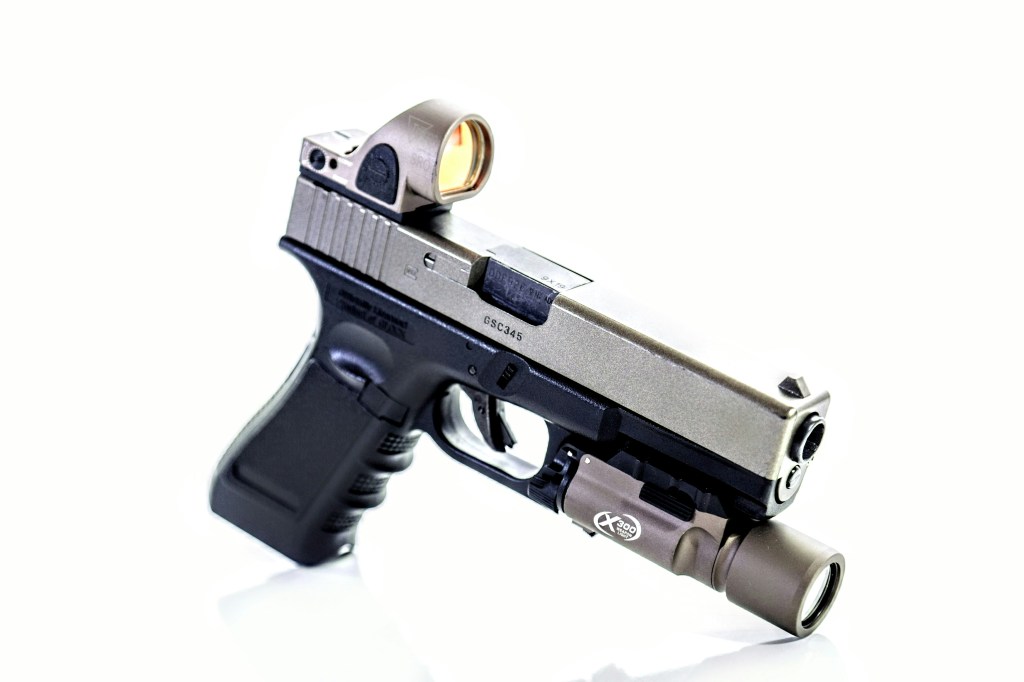
Protecting Your Optics Investment with Insurance
High-end optics can cost as much as a rifle. Insuring your gear against theft, loss, or damage ensures that your investment remains secure, whether in the field or at home. For firearm owners, having dedicated optics insurance coverage is crucial for protecting your valuable investment in high-quality optics.
At 1776 Insurance, we offer comprehensive coverage tailored specifically to firearms and accessories. Our policies feature higher limits of protection, providing peace of mind both at home and while you’re away, including during travel or exhibitions. Additionally, we simplify the process for collectors by not requiring appraisals for most items, making it easier for you to insure your gear without the added hassle.
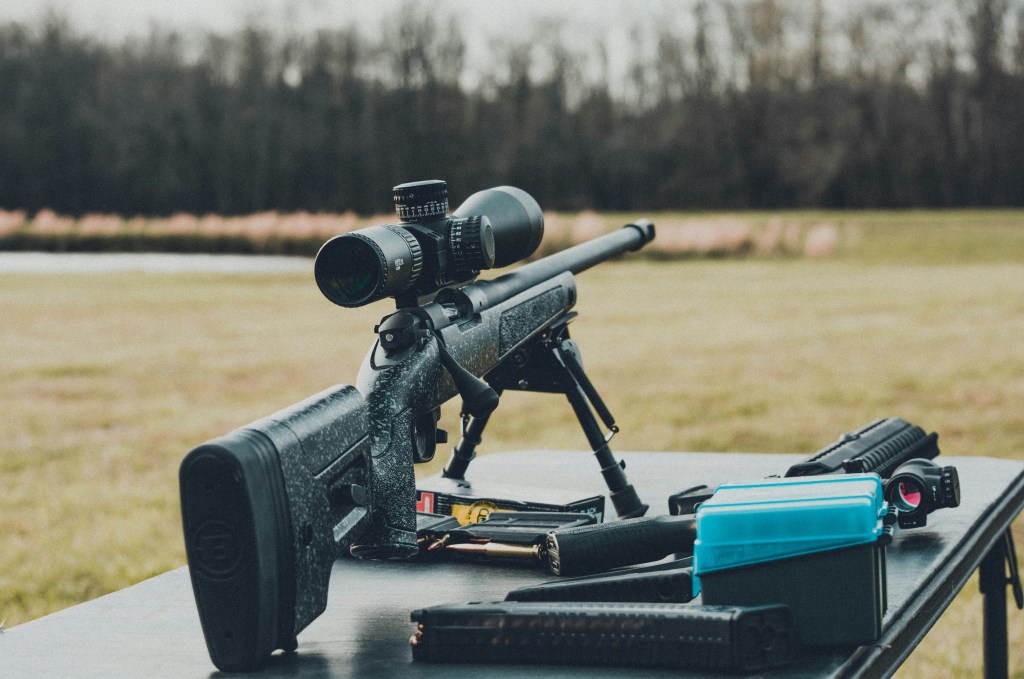
The Future of Firearm Optics: What’s Coming Next
Advancements in thermal and night-vision technology are poised to revolutionize the firearms industry in the years to come. By 2026 and beyond, we can anticipate the emergence of smaller, lighter, and more intelligent optics designed to enhance shooting accuracy and performance. These innovations are likely to be integrated into digital firearm platforms, streamlining the user experience and functionality.
As technologies advance, they are expected to enhance clarity and situational awareness for shooters, raising the standards for firearm optics, including thermal and night-vision scopes.
Sources
https://www.firearmsnews.com/editorial/howdothermalscopeswork/497577
https://www.nssf.org/articles/setyoursightsonthermaloptics/
https://blog.primaryarms.com/guide/ultimateguidetonightvision/
https://pintydevices.com/blogs/news/abeginnersguidetonightvisionscopes
https://precisionrifleblog.com/2018/12/21/bestscope/
https://blog.primaryarms.com/guide/beginnersguidetodifferenttypesoffirearmoptics/
https://reddotshooters.com/bestthermalscope/