
Top Auction Houses for Rare Firearms: What Buyers Need to Know
Discover the top auction houses for rare firearms and essential tips for buyers. Equip yourself with the knowledge you need before your next bid. Read more!
Auction Houses for Rare Firearms: Where History Meets the Hammer
Firearm auctions offer a unique and exhilarating blend of history, craftsmanship, and competition, making them an exciting experience for enthusiasts and collectors alike. For beginners, these auctions provide an invaluable opportunity to discover rare and collectible pieces while gaining insight into how the value of firearms is determined.
Whether you’re a seasoned collector or just starting, navigating the world of gun auctions specializing in rare firearms can be both thrilling and rewarding. In this guide, we will delve into the intricacies of rare firearm auctions, offer tips for success, and discuss the significance of antique gun auctions within the broader context of collecting.
What Makes a Firearm “Rare” at Auction?
The world of collectible firearms is intriguing and multifaceted, with rarity being a factor that attracts collectors. As collectors participate in auctions and sales, they are driven by the unique qualities that define rare items, which in turn influence their desirability and market value.
History
The historical significance of a firearm can greatly enhance its rarity. Firearms with notable backstories, including ties to significant events or famous individuals, often attract higher demand. Collectors appreciate the narrative behind each piece, which adds to its allure and value.
Condition
Another essential aspect of rarity is the condition of the firearms. A firearm in pristine condition is typically more desirable than one that shows excessive wear or damage. Collectors prioritize well-preserved pieces, as they not only retain their value better but also showcase the craftsmanship of their era.
Provenance
Provenance, or the documented history of ownership, is a critical criterion that can intensify a firearm’s rarity. Firearms with clear records tracing back to significant owners or notable collections often carry a premium. A documented firearm history can enhance its value in the collecting community, making it highly sought after at auctions.
Understanding the Auction Process Step by Step
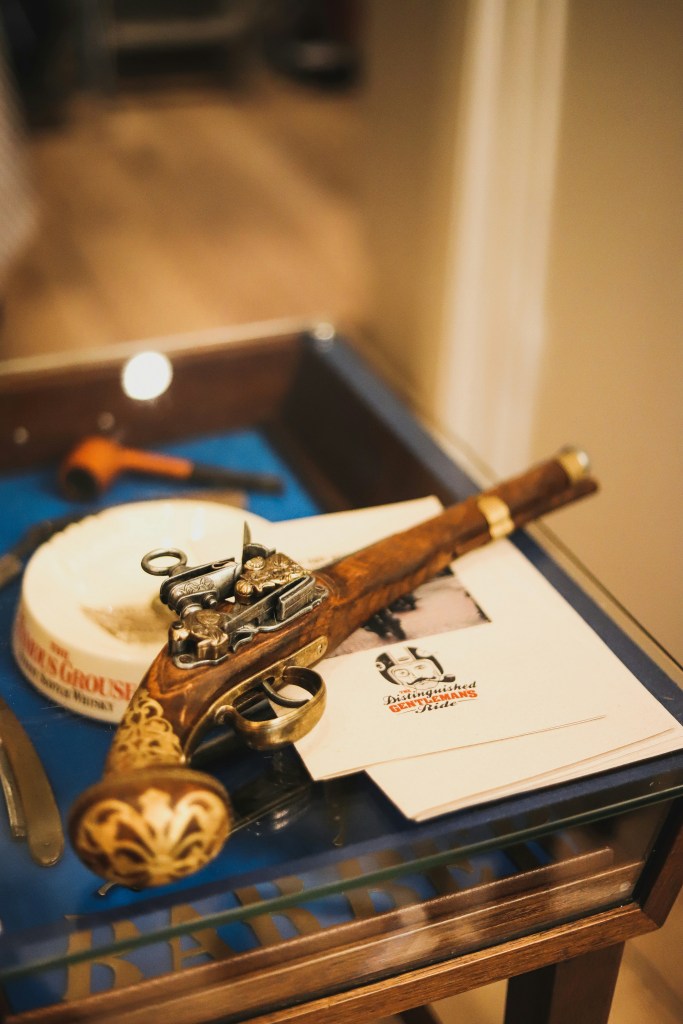
The auction process may seem intimidating at first, but it operates in a structured manner that is easily navigable for new buyers. By familiarizing yourself with the key steps, previewing lots, registering to bid, and participating until the bidding concludes, you can approach the auction with confidence.
Compliance
Before registering to bid, it’s essential to ensure compliance with all federal laws and state regulations. This includes obtaining the necessary licenses and permits, as buyers are subject to background checks. Additionally, some states may impose specific licensing requirements, so it’s crucial to be informed and compliant before participating.
Research
A solid foundation in firearm knowledge will serve you well when attending a gun auction. Understand the types of firearms that will be available for bidding, their market values, and the distinguishing characteristics of antique guns. Reviewing the auction catalog, whether online or in print, will help you identify items of interest and set a reasonable budget for your purchases. Also, be sure to stay informed about additional costs, such as the buyer’s premium.
Preview period
Most auctions offer the opportunity to preview their inventory before the event. This preview is an excellent chance to assess the firearms you’re interested in and evaluate their condition firsthand. Taking the time to inspect items can help you make informed bidding decisions.
Bidding
Once you’ve done your research and previewed the inventory, you’ll need to register as a bidder. This typically involves providing your details and, in some cases, a license or passport number. Upon registration, you’ll receive a bidder card that identifies you during the auction.
Competing
With everything in place, you can now participate in the bidding process. Start slow and engage with confidence as you compete against other bidders, keeping track of your limits and preferences. The excitement builds as you continue to bid until the auctioneer brings it to a close with the fall of the hammer.
Bidding Strategies for First-Time Buyers
Participating in a firearm auction can be exciting, but it’s essential to have a clear plan and disciplined strategies in place.
The fast-paced environment often leads to quick bidding wars, so preparation is key.
- Set a Realistic Budget: Before the auction begins, determine the total amount you are willing to spend. Sticking to your budget ensures you don’t overspend and allows you to focus on firearms that best fit your financial goals.
- Know Your Maximum Bid: Establish a maximum price for each item you are interested in. This limit should take into account not only the hammer price but also any additional fees or taxes, such as the reserve price. Knowing your cap ahead of time enables you to bid confidently without second-guessing your decisions during the excitement of the auction.
- Resist Impulsive Decisions: It’s easy to get caught up in the competitive nature of bidding, but making impulse decisions can lead to regret. Stay disciplined, refer back to your budget and predetermined limits, and avoid chasing items simply for the sake of winning. By doing so, you increase your chances of leaving the auction with both confidence and a valuable purchase.
Auction Houses vs. Gun Dealers: What’s the Difference?
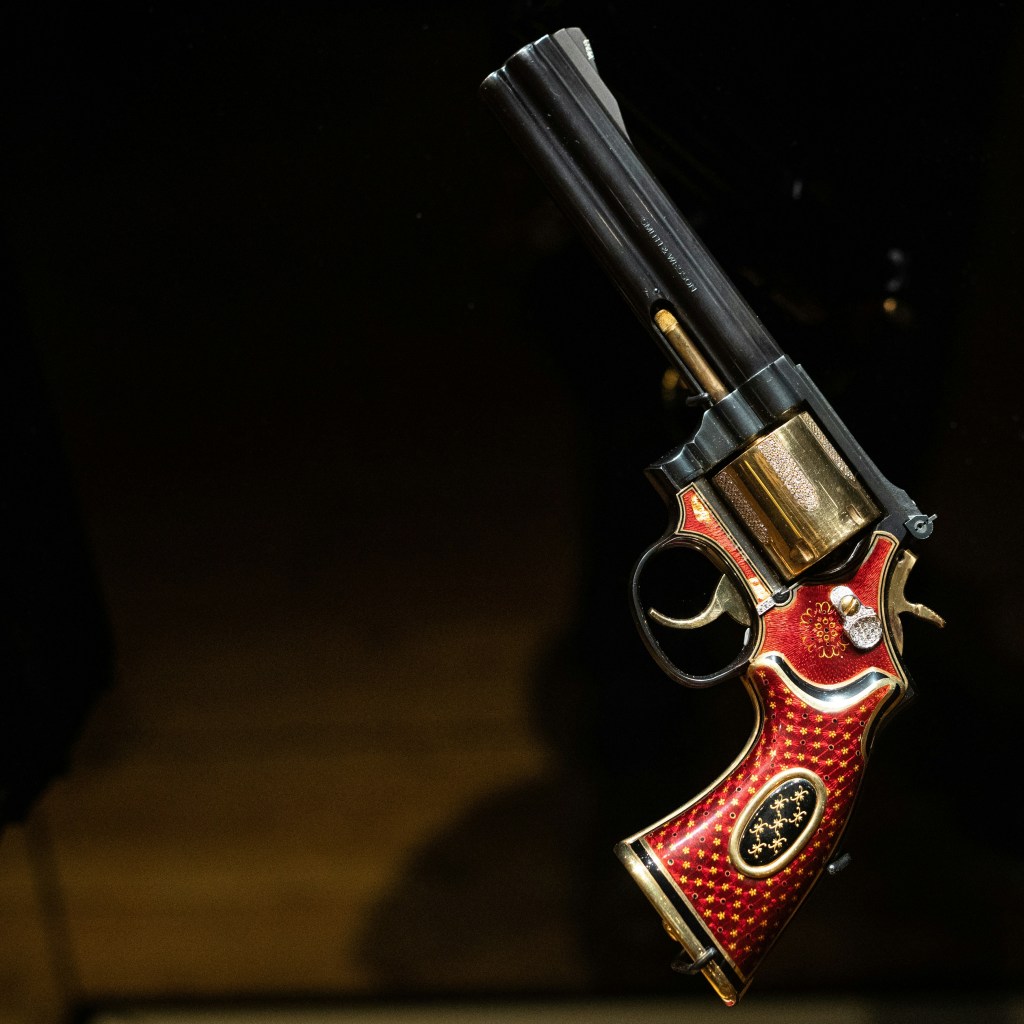
While gun dealers offer steady pricing and easier transactions, auctions bring excitement and the possibility of rare finds. Understanding both options helps you decide which route suits your collecting style.
Firearm auctions
Auction companies offer a dynamic and thrilling environment for firearm enthusiasts. Bidding wars can elevate the excitement, often leading to the discovery of rare and unique items that may not be available through standard retail channels. Additionally, gun auctions typically feature a wide variety of firearms, allowing collectors to explore and acquire specific items, like military firearms. It’s an opportunity to potentially snag a coveted item at a price that may be lower than retail, depending on the bidding competition.
Gun dealers
Gun dealers provide a more straightforward and stable pricing structure compared to private sellers. Transactions with dealers are generally smoother and less time-consuming, making them a preferred choice for collectors who prioritize efficiency and convenience. Additionally, dealers hold a Federal Firearms License, ensuring compliance with regulations. FFL dealers usually have established relationships with manufacturers and distributors, granting access to new releases and reliable inventory.
Selling Your Firearm Collection Through Auctions
Auction houses are ideal for sellers looking to maximize returns on firearm collections. They connect sellers with motivated buyers and employ professional marketing to showcase the rarity and value of each piece. This guide highlights the benefits of selling firearms at auction and offers key tips for a successful sale.
Why choose a gun auction company?
Utilizing an auction company presents several advantages for firearm sellers. A reputable auction house offers transparent processes that minimize confusion throughout the selling process. They offer professional opinions through detailed inspections to ensure accurate valuations, ensuring that sellers receive fair market prices. Additionally, the competitive bidding environment typically results in the highest bidder landing the item, which can significantly enhance returns for sellers.
Preparing documentation
Proper documentation is crucial when selling firearms at auction. Sellers should ensure they have all necessary paperwork, including Certificates of Authenticity, receipts, and ownership records. Additionally, it’s essential to have details such as the serial number, model, and condition rating readily available. This information enables buyers to make informed decisions and fosters confidence in the sale process.
Federal Firearms License
When engaging with firearm auctioneers or Federal Firearms License (FFL) dealers, compliance with legal requirements is key. As mandated by the National Firearms Act, these professionals must possess a valid Federal Firearms License, ensuring that all transactions adhere to federal regulations. Sellers should ensure that their chosen auction company is compliant to avoid any legal complications during the auction process.
Online auctions
For those looking to sell their firearms through online auctions, effective marketing is essential. Sellers should focus on taking high-quality photos that clearly showcase their firearms, ensuring that all details are well-presented. Comprehensive descriptions that highlight the unique aspects and condition of each firearm can attract more interest and potentially lead to higher bids.
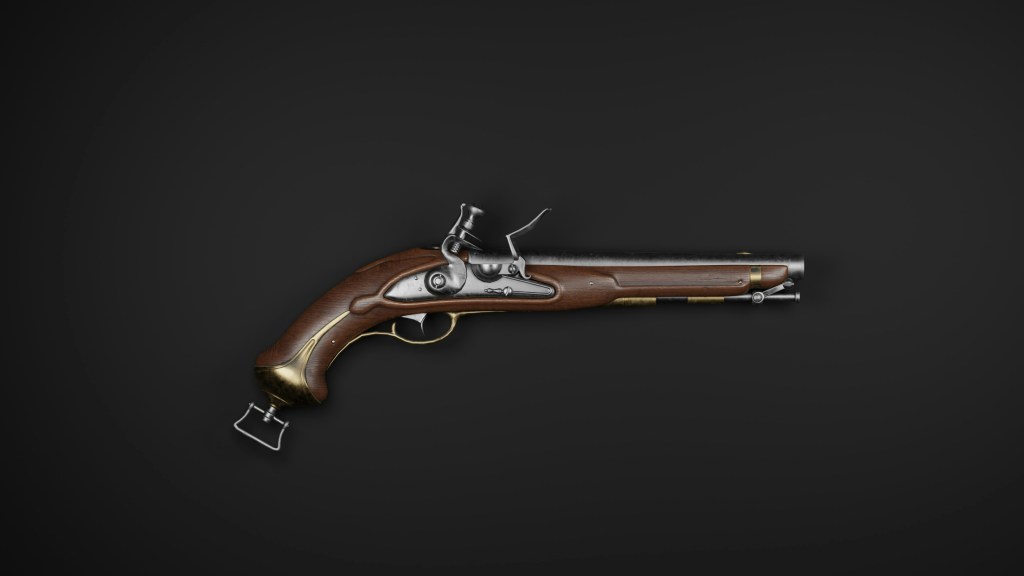
Record-Breaking Firearms: Lessons from the Most Expensive Sales
Firearms often transcend their intended purpose, becoming cherished collectibles that embody historical significance and connections to celebrities. Some have sold for astonishing amounts at auction, reflecting their worth in both monetary value and cultural heritage.
Teddy Roosevelt’s Double-Barreled Shotgun
One of the most notable sales occurred in 2010 when Teddy Roosevelt’s Double Barreled Shotgun fetched an impressive $862,500 at auction. This firearm not only represents a piece of American history but also the legacy of a prominent figure known for his adventurous spirit and contribution to the country.
The Colt Paterson Revolver
Another standout piece is the Colt Paterson Revolver, which sold for $977,500. This revolver is significant as it marked the beginning of Colt’s legacy in firearm manufacturing, making it a sought-after item for collectors.
Gold-Inlaid Colt Model 1849 Revolver
The Gold-Inlaid Colt Model 1849 Revolver reached a remarkable price of $1.1 million at auction. Its intricate craftsmanship and historical context make it a highly sought-after collectible, showcasing the intersection of artistry and function in firearms.
Simon Bolivar’s Flintlock Pistols
Finally, one of the most striking sales involved Simon Bolivar’s Flintlock Pistols, which sold for a staggering $1.76 million in 2004. These pistols are not only significant due to their craftsmanship but also because they belonged to a key figure in South American history, further enhancing their allure among collectors.
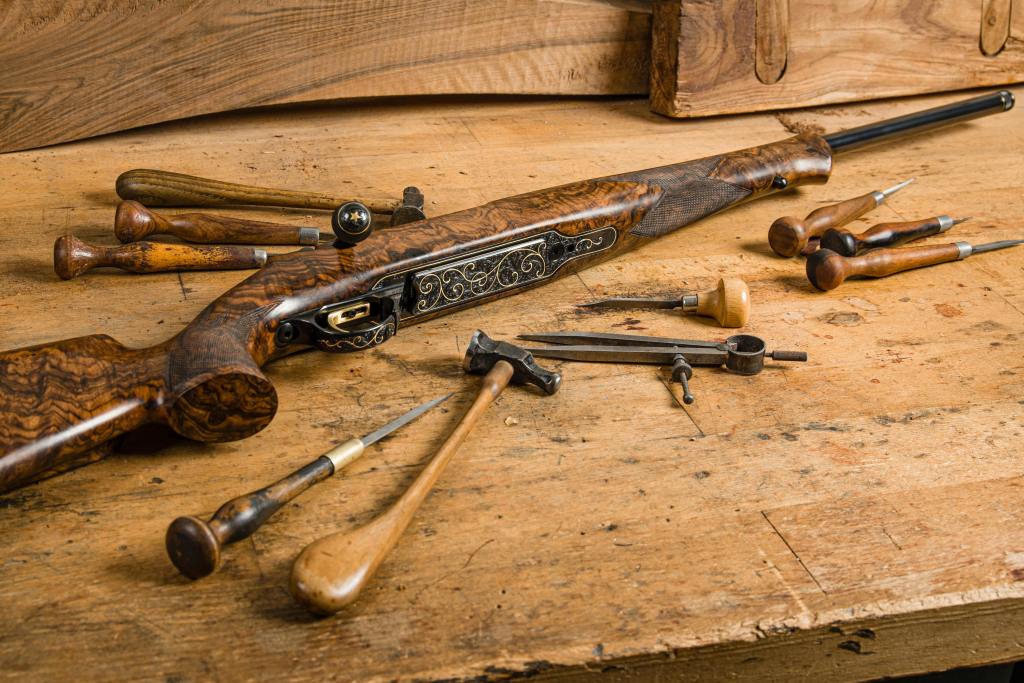
Protecting Your Rare Firearm Investments with Insurance
Winning at auction is just the start—protecting your acquisition is equally crucial. Specialized firearm insurance ensures that rare and valuable pieces are secure against loss or damage.
At 1776 Insurance, we provide comprehensive coverage tailored to firearms and accessories, with higher protection limits for your peace of mind at home and away, including during travel or exhibitions. We also simplify the process for collectors by not requiring appraisals for most items, making it easy to insure your gear without the hassle.
Sources
https://blackwellauctions.com/rare-firearms-what-makes-them-valuable/
https://www.gunskins.com/blogs/the-wrap/antique-firearms-auctions-thrilling-and-overwhelming-for-bidders
https://www.westleyrichards.com/theexplora/selling-your-used-guns-auction-house-or-gun-dealer/
https://www.richmondfirearms.com/the-history-and-evolution-of-firearm-auctions/
https://blackwellauctions.com/how-to-buy-or-sell-unique-guns/
https://www.dakil.com/5-rare-guns-sold-auction/
https://www.ftknox.com/the-most-expensive-historic-guns-sold-at-auction/
https://www.burgessauctions.com/articles/Firearm-Auction-Preparation-Legal-Safety-Value-Tips
https://www.gunauction.com/help/Gun-Auction-Bidders-Guide.cfm