
Essential Guide to Firearms and Travel: Safety Tips and Regulations
Navigate the complexities of traveling with firearms. Discover essential safety tips and regulations to ensure a secure journey. Read more to stay informed!
Firearms and Travel: The Complexities Every Owner Should Know
Traveling with a firearm involves navigating a complex web of regulations and requirements that can vary significantly from one location to another. It’s not just as easy as tossing your gun into your suitcase; it requires careful preparation and an understanding of the laws that govern firearm transport.
Being aware of the specific rules and guidelines is essential to ensure a smooth travel experience and to avoid any potential legal issues. In this guide, we’ll explore essential tips for firearm transport, the intricacies of travel regulations, and how to plan for a seamless journey. Whether you’re heading to a shooting event, moving, or simply want to keep your firearm with you while traveling, we’ve got you covered.
TSA Rules for Flying with Firearms in the U.S.
When traveling with firearms and ammunition, it’s essential to know the TSA regulations to ensure a smooth journey. The TSA has specific guidelines focused on safety and legal compliance. Following these rules helps avoid fines or confiscation. Always check the TSA’s official website for the latest updates.
TSA firearm regulations
The TSA allows firearms to be transported in checked luggage under strict conditions. Travelers must comply with all local, state, and international laws regarding the transportation of firearms. As per TSA guidance, for international travel, it’s essential to follow the guidelines set forth by U.S. Customs and Border Protection to avoid any issues at the border. [Source: TSA.gov]
Guidelines for checked bags
Firearms should always be stored in checked baggage, unloaded, and securely stored in a locked, hard-sided container. Ammunition can be packed in checked luggage, but should be stored safely within a hard-sided case. Additionally, small arms ammunition must be stored in packaging specifically designed for carrying ammunition, such as fiber, plastic, wood, or metal. [Source: TSA.gov]
Restrictions on checked bags
In checked baggage, certain items are allowed with specific instructions. Cap guns and holsters are permitted, while items like ammunition, firearm silencers or suppressors, BB guns, and compressed air guns may be allowed with special guidelines. Conversely, items such as gun lighters, flare guns, gunpowder, and flares are strictly prohibited in checked luggage. [Source: TSA.gov]
Restrictions on carry-on bags
When it comes to carry-on luggage, the restrictions become more stringent. While holsters are permitted, items such as gunpowder, flare guns, ammunition, cap guns, BB guns, firearm silencers or suppressors, gun lighters, flares, and compressed air guns are prohibited. You are responsible for checking these regulations before packing to avoid any complications at the security checkpoint. [Source: TSA.gov]
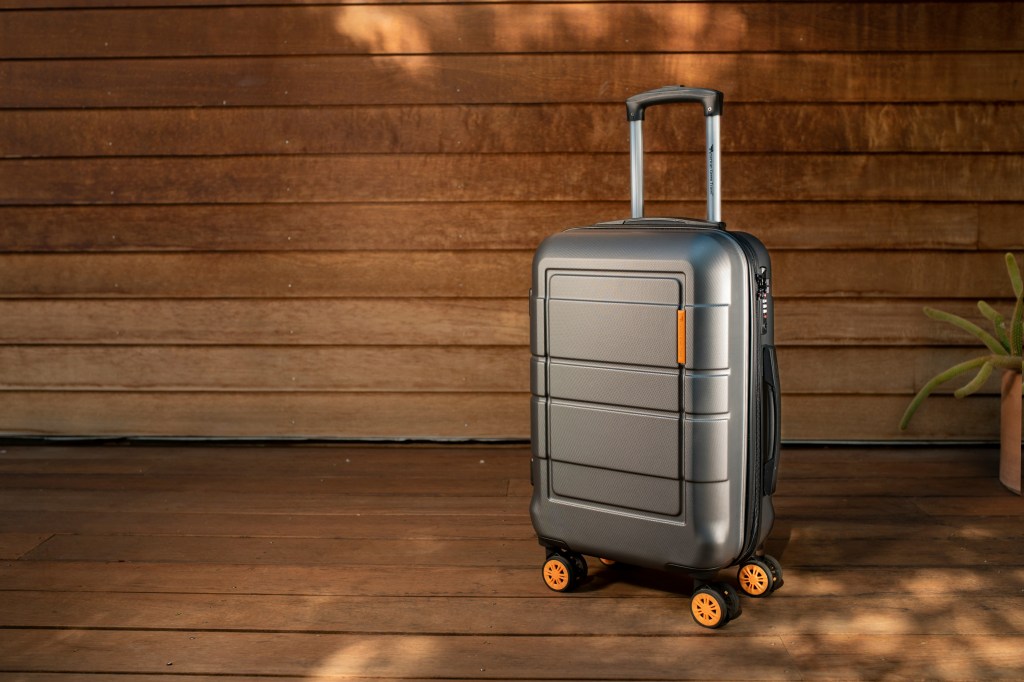
Airline Policies and Common Pitfalls to Avoid
When traveling with firearms, it’s essential to navigate both TSA regulations and specific airline guidelines. Familiarizing yourself with the requirements of each airline can help avoid unexpected issues when checking in your luggage.
United Airlines firearm policies
United Airlines has specific rules for transporting firearms that travelers must follow.
- Storage and Limitations: Firearms should be stored in a hard-sided, locked case when checked in. United allows up to five firearms to be packed in one case, with a maximum of nine checked bags per case. However, each bag is subject to applicable fees. When traveling internationally, additional regulations may apply, so it’s crucial to check the airline’s guidelines in advance.
- Age and Declaration Requirements: Travelers must be over the age of 18 to check a firearm. It is necessary to check in at the ticket counter and declare the intent to travel with a firearm by signing and dating a Firearm Declaration form.
- Ammunition Guidelines: Ammunition must be packed in a hard-sided, locked case, either with the firearm or separately. It should be in the original packaging or approved containers, with protection against shock and secure movement. Loaded magazines must also be removed and secured. However, United does not accept certain types of ammunition, including those over 11 lb, loose ammunition, mixed quantities in one package, explosives, black powder, or firearm magazines that do not completely enclose the ammunition.
American Airlines firearm policies
Similar to United, American Airlines has its own set of regulations for transporting firearms and ammunition.
- Storage and Packing Ammunition: All firearms must be unloaded and securely stored in a hard-sided case, with rifle cases requiring locks on both ends. There are no quantity limits on the items that can be packed in the case, although travelers should be aware of potential baggage fees. For ammunition, it must be stored in dedicated packaging made from a fiber, wood, or metal box, or any container specifically designed to carry ammunition with a maximum weight limit of 11 pounds.
- Requirements for Travelers: Travelers must be over the age of 18 to check firearms and ammunition in their bags. It is essential to check in at the counter with an agent, where you must sign a declaration stating that you are traveling with firearms and ammunition. Additionally, passengers should notify the airline at least 72 hours prior to their travel date to ensure compliance with all policies.
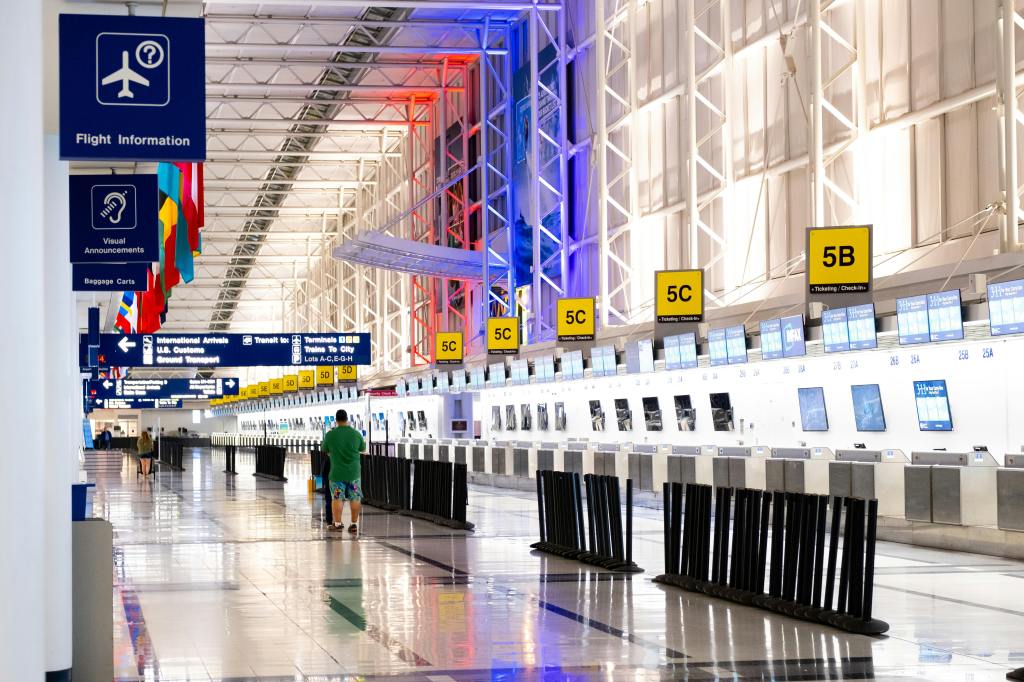
Crossing Borders with Firearms: Customs and Declarations
International travel can significantly complicate the process of bringing firearms across borders. Navigating the legalities surrounding firearms is crucial to ensure a smooth journey and avoid any potential legal issues.
Understanding local laws
Before embarking on your journey, it is vital to familiarize yourself with the specific laws and regulations of the country. Each nation has its own guidelines regarding the importation of firearms, which may include obtaining permits, submitting declarations, and obtaining advance approvals. Failure to comply with these requirements may result in denial of entry or legal consequences.
Firearm permits and compliance
Depending on the country you are traveling to, you may need a firearm permit to carry firearms and ammunition legally. It is your responsibility to gather all necessary information regarding the permits required for your firearms. Each country varies significantly in its regulations, so thorough research is essential to ensure compliance and avoid complications. Be prepared to present your passport along with any required permits and declarations when crossing borders.
Countries with firearm restrictions
Some countries outright prohibit the importation of firearms. Travelers should be aware of these restrictions on the possession of weapons to avoid potential problems upon arrival. Countries that do not allow firearms include Bahrain, Cuba, Federated States of Micronesia, Israel, Jordan, Marshall Islands, Nigeria, Palau, Philippines, United Arab Emirates, and Vietnam.

Hunting Trips Abroad: Special Considerations for Safaris and Expeditions
Embarking on a hunting trip requires meticulous planning and adherence to local regulations. To ensure a smooth journey and to avoid potential complications at customs, it’s essential to be informed about the necessary documentation and local hunting laws.
Hunting destinations in Africa
Africa is home to numerous premier hunting areas that cater to adventurous hunters. Countries such as Botswana, Burkina Faso, Cameroon, Ethiopia, Namibia, Morocco, Mozambique, South Africa, Tanzania, Uganda, Zambia, and Zimbabwe each offer unique hunting experiences. However, these countries also have specific guidelines, taxes, fees, and restrictions that hunters must navigate to comply with local laws.
Essential documentation
Before traveling, ensure that all your documentation is up to date. This includes passports, import permits, proof of firearm ownership, serial numbers, and valid hunting licenses. Each document plays a vital role in confirming your eligibility to hunt in the chosen country.
Firearm and ammunition compliance
When traveling with firearms, confirm that your weapon is compliant with the laws of your destination. This involves not only confirming that the firearm and ammunition are permitted entry but also understanding any related policies or procedures established by airlines and airports.
Group travel considerations
If you are traveling with a group or through an outfitter, it’s important to follow their specific protocols. Each outfitter may have different requirements or additional documentation needed for group travel, which can affect your hunting experience. Ensure that everyone in your group is aware of and adheres to these regulations to facilitate a seamless adventure.
Traveling internationally
For U.S. citizens, being aware of federal licensing regulations related to firearms is critical. It is your responsibility to understand these requirements before traveling. Additionally, always make multiple copies of all necessary documents and maintain digital backups. Preparing a list of emergency contacts and informing friends and family of your travel itinerary adds an extra layer of safety and preparedness to your journey.

Best Practices for Safe Firearm Storage While Traveling
Even when compliant with regulations, how you store firearms is crucial for both safety and security. Utilizing durable hard cases and TSA-approved locks ensures that your firearms are well-protected during transport.
When it comes to firearm transport safety, it’s important to consider discreet travel methods. Avoid drawing unnecessary attention to your firearms by using less conspicuous cases and handling them with care. Additionally, always check the specific regulations for checking firearms on flights, as requirements can vary by airline and destination.
Insurance Essentials for Traveling Firearm Owners
Travel increases risks of theft, loss, or damage—risks not always covered by homeowner’s insurance. Specialized firearm insurance ensures your gear is protected wherever your journey takes you.
At 1776 Insurance, we offer comprehensive coverage tailored specifically to firearms and accessories. Our policies feature higher limits of protection, offering peace of mind both at home and while you’re away, including during travel or exhibitions. Additionally, we simplify the process for collectors by not requiring appraisals for most items, making it easier for you to insure your gear without the added hassle.
Building a Smooth Travel Routine with Firearms
For firearm owners looking to travel, success largely depends on thorough preparation. This means researching firearm transport regulations and the specific rules of airlines well in advance.
Double-checking all necessary paperwork and ensuring you have the correct documentation can prevent headaches at the airport. Additionally, it’s wise to give yourself extra time during the check-in process to accommodate any unforeseen delays related to security or paperwork.
This article is intended for informational purposes only. Collectibles Insurance Services, LLC, its parents, affiliates, and anyone connected with them are not responsible or liable in any way for your use of the information contained in or linked to from this article. Reliance on the information provided in this article is solely at your own risk. If you have questions about any of the topics addressed in the article, please contact a subject-matter expert.
Sources
https://www.help.cbp.gov/s/article/Article-1120?language=en_US
https://www.tsa.gov/news/press/releases/2024/10/09/when-traveling-your-firearm-know-rules
https://www.usconcealedcarry.com/resources/traveling-with-firearms/airports/
https://www.frommers.com/blogs/arthur-frommer-online/can-you-really-fly-with-a-gun-in-the-usa-or-bring-a-toy-gun-on-an-airplane-we-hate-to-tell-you/
https://www.usconcealedcarry.com/blog/how-to-travel-with-a-firearm/
https://blog.bookyourhunt.com/to-africa-with-guns-all-you-need-to-know-about-bringing-in-the-firearms-for-your-safari/
https://www.aa.com/i18n/travel-info/baggage/firearms-and-ammunition.jsp
https://usashooting.org/resource-center/traveling-with-firearms-and-ammunition/
https://www.portseattle.org/page/traveling-firearm-safety-and-policies
https://www.united.com/en/us/fly/baggage/firearms.html
https://www.tsa.gov/travel/security-screening/whatcanibring/all
https://www.tsa.gov/travel/security-screening/whatcanibring/all?combine=&field_item_category_value=Firearms&page=0
https://www.tsa.gov/travel/transporting-firearms-and-ammunition