
Mastering the Art of Photographing Knives for Insurance Purposes
Learn how to effectively photograph knives for insurance documentation. Ensure clear, accurate images that meet requirements. Read the article for tips!
Photographing Knives for Insurance: Why Clear Images Matter to Collectors
In the world of knife collecting and insurance, documentation is paramount. As enthusiasts invest time and resources into acquiring unique and valuable pieces, ensuring their protection requires comprehensive documentation.
Pictures serve as the backbone of this process, providing irrefutable evidence of ownership, condition, and authenticity. For collectors, well-captured images preserve the value of their prized possessions and streamline the claims process in the event of damage, theft, or loss. However, for newcomers to the collecting scene, understanding how to effectively document and assess the condition of knives can be challenging.
This guide explores the crucial role photography plays in documenting knife insurance and provides insights to support collectors at all levels.
Setting Up the Perfect Knife Photography Environment
Capturing the beauty and details of knives through photography requires careful attention to the environment, lighting, and camera settings. By creating the right setup, even amateur photographers can achieve stunning images that highlight the craftsmanship and design of the knife.
The right environment
Good photos start with the right environment. Choosing a clean, high-contrast, and non-reflective background is essential when photographing knives. This helps to prevent glare and ensures that the knife stands out, allowing its intricate details to shine through. A stable surface is also crucial for reducing camera shake and ensuring sharp images.
Natural light vs. light box
The light source is an important factor in knife photography. Diffused light is recommended for knife photography, as it reveals details while softening highlights and shadows. Utilizing a light box can provide even lighting and enable experimentation with various backgrounds. For those who prefer natural soft light, windows can offer excellent diffused light. One thing to be aware of is the color temperature of the lighting, as it can significantly impact how the knife appears in photographs.
Choosing the right lens
When photographing knives, the choice of lens has a significant impact on image quality. The quality of the lens and the resolution of the image recorder are crucial when buying a digital camera for knife photography. Key tips include investing in a high-quality lens, using a telephoto lens for depth and reduced distortion, opting for a macro lens to capture intricate details, and adjusting aperture settings for sharp focus. More details on these aspects will be discussed in the next section.
General knife photography tips
Taking test photos in different backgrounds is a beneficial practice to determine the best lighting conditions for knife photography. Additionally, cropping photos to emphasize specific areas of the knife can enhance its composition. It’s also essential to get both sides of the knife, laid flat, to ensure clarity and sharp focus from point to butt.
Capturing Maker’s Marks and Tang Stamps with Precision
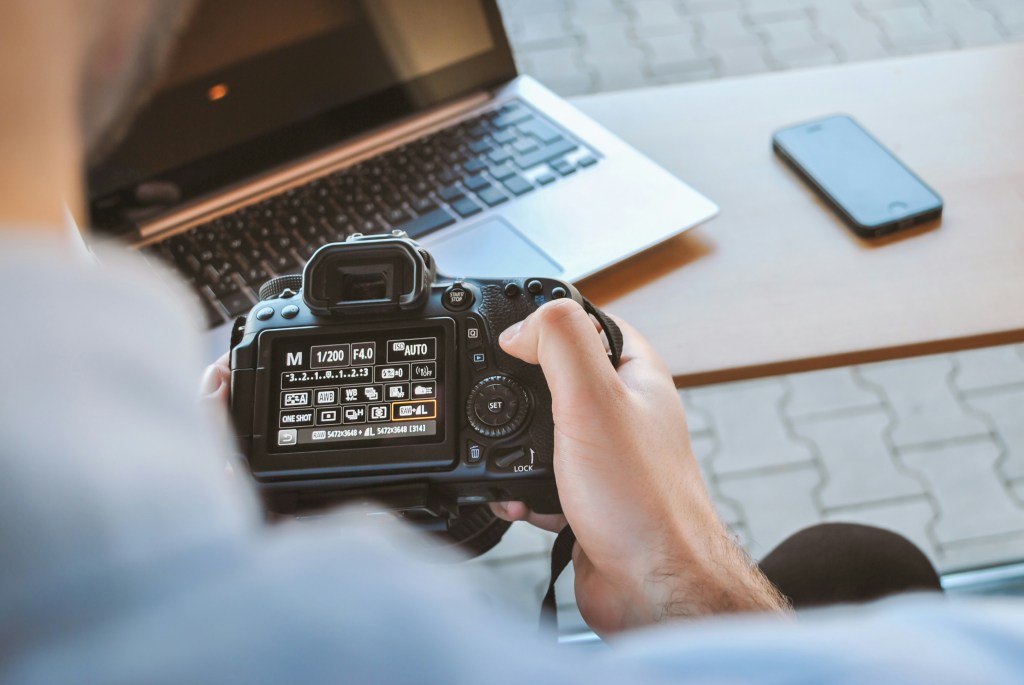
Maker’s marks, tang stamps, and engravings play a crucial role in identifying the origins of knives and verifying their authenticity. These markings serve as a signature, providing valuable information about the knife’s maker and its place in the collectible market.
Capturing details
To accurately depict these critical markings, close-up macro shots are essential. These types of images ensure that insurers and appraisers can clearly read every marking, enhancing the knife’s provenance and value. By focusing on the finer details, collectors can appreciate the artistry and craftsmanship that goes into each piece.
Tips and techniques for better knife photos
When photographing knives, employing specific techniques can significantly enhance the overall visual impact. One effective method is to slightly elevate the blade using a small cork or hidden prop. This technique creates a subtle shadow, helping to define the knife’s silhouette and emphasizing its features.
To achieve optimal results, it’s important to consider the following tips:
- Lens Quality: Investing in a high-quality lens has a significant impact on image clarity and detail.
- Macro Lens: Use a macro lens to capture identifying marks such as maker’s marks, serial numbers, brand logos, or steel type stamps.
- Tripods and Remote Shutter: Using a tripod can help maintain image sharpness during knife photography, especially with slow shutter speeds. Employ a tripod and a remote shutter or self-timer to eliminate camera shake, especially in low light conditions.
Documenting Edge Wear, Patina, and Condition Details
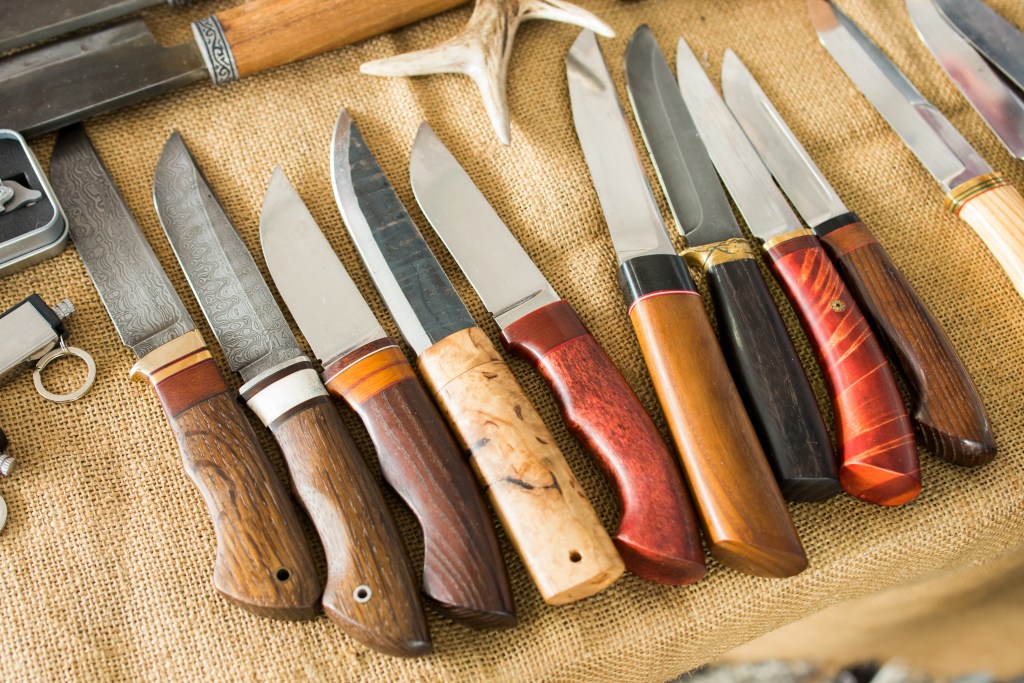
The condition of a knife plays a crucial role in its overall value, especially for vintage or custom pieces. A thorough appraisal requires visual documentation of various aspects, including edge wear, scratches, patina, and the quality of handle materials.
Knife condition grading explained
Knife condition grading is the most widely accepted method for evaluating a knife’s value. New collectors of older knives often struggle to determine a knife’s condition and value due to varying grading systems. Understanding these grades is essential, as they provide a ranking based on the knife’s overall condition. Common grades include Mint, Near Mint, Excellent, Very Good, Good, Poor, and Junk, each indicating a different level of wear and care.
Tips for documenting edge wear
Taking clear and informative pictures of your knife’s condition is important for accurate appraisal. When documenting edge wear, certain techniques can help capture the details effectively. For example, a grind view shot shows the grind geometry and thickness behind the edge from the heel looking down the blade. Additionally, photographing the spine of the knife can showcase its distal taper and finish quality, which are vital for assessing overall craftsmanship.
Getting the Right Angles: Full Profiles, Scales, and Hardware
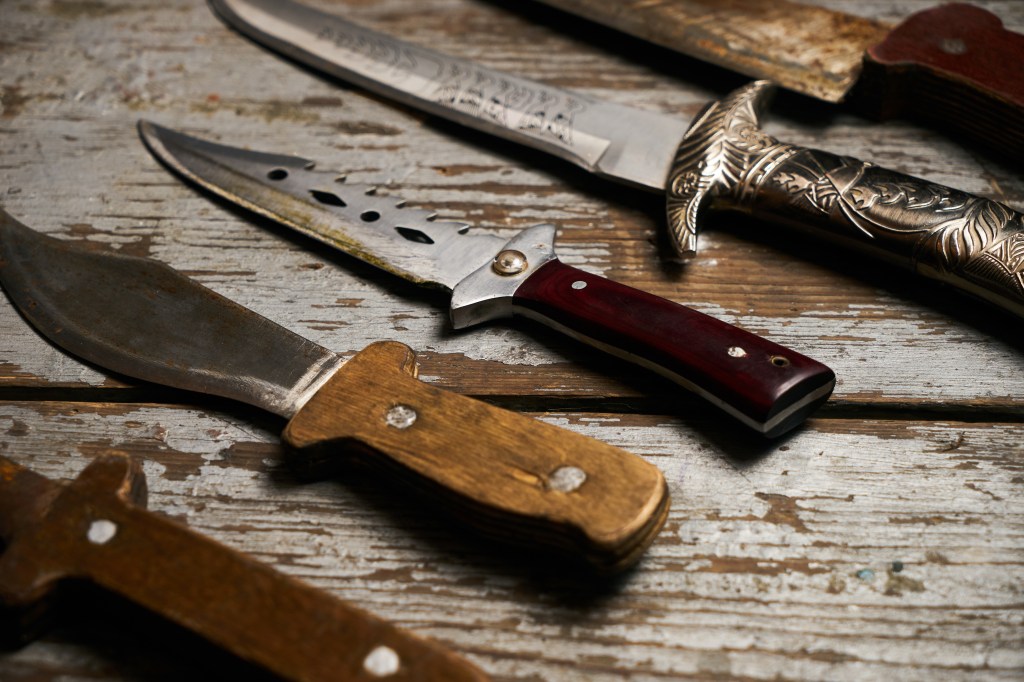
Knife pictures for appraisal and inventory purposes requires meticulous attention to detail and technique. Insurers typically expect comprehensive documentation that captures various aspects of the knife, ensuring it is fully represented.
Essential angles for knife documentation
To obtain a complete visual representation of a knife, it is crucial to photograph it from multiple angles. Insurers require multiple photos, so it’s essential to capture full-length profiles, spine shots, handle scales, liners, and angles of the hardware. This ensures that all details are effectively documented for accurate appraisal and inventory. Using a telephoto lens can enhance your knife photography by isolating the subject, creating depth, and highlighting intricate details, which adds professionalism to your documentation.
Capturing multiple views and details
For full documentation of a knife, it is advisable to capture a series of four views along with detailed close-ups. These images should include various perspectives that showcase the knife’s design and craftsmanship. By providing a comprehensive visual record through these different angles, you can ensure that all aspects of the knife are covered for appraisal purposes.
Mastering aperture settings
Understanding aperture settings is key to achieving high-quality knife photography. Using Aperture Priority Mode allows photographers to set the aperture independently while the camera automatically adjusts shutter speed for proper exposure. A smaller aperture (higher f-number, such as f/8 or f/11) helps keep the entire knife in sharp focus, providing clarity and detail throughout the image.
Avoiding Common Knife Photography Mistakes
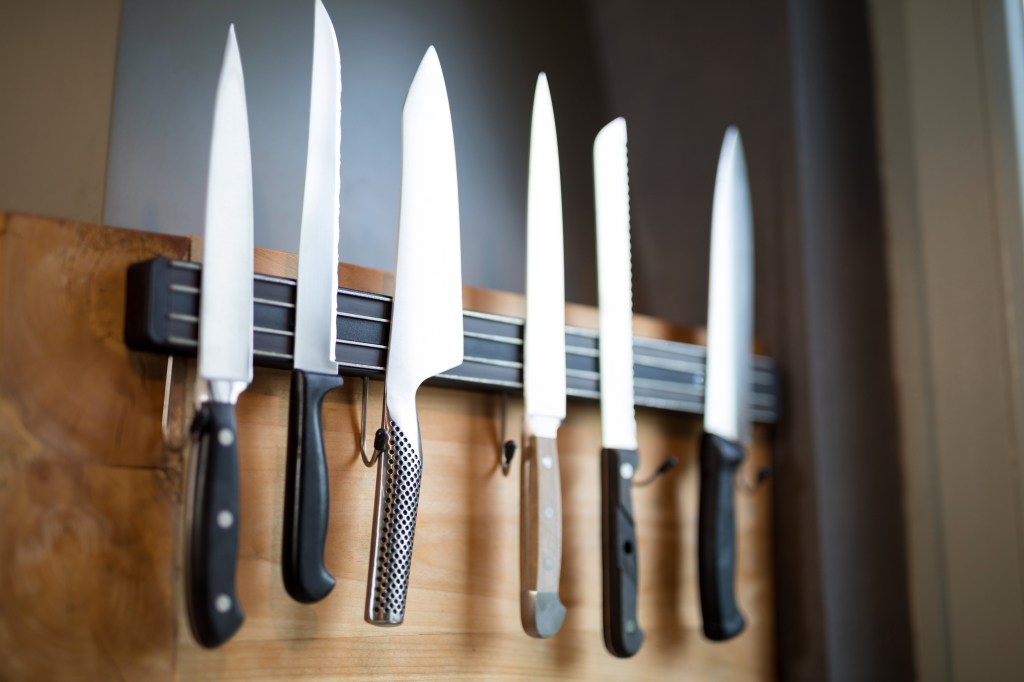
Harsh reflections, cluttered backgrounds, and poor focus can obscure important details in photography. To ensure that your images are clean and usable, recognizing and avoiding these common pitfalls is essential. Whether you’re a professional photographer or a hobbyist, paying attention to these aspects will enhance the quality of your photos significantly.
Common mistakes in knife photography
When it comes to knife photography, several common mistakes can compromise the final result. Harsh reflections and cluttered backgrounds are two major issues that can distract viewers and obscure the finer details of the knife. Additionally, poor lighting and dark photos can negatively impact the quality of your images, making them look unappealing. On the other hand, overly bright light can also be detrimental by washing out essential features, so finding a good balance is crucial.
Tips and tricks for new collectors
For new collectors venturing into photography, experimentation is key. Starting to take pictures can feel daunting, but it’s important to experiment with different setups and techniques. Exploring various angles, lighting conditions, and backgrounds will allow you to discover what works best for showcasing your knives. Remember, practice makes permanent, and learning from mistakes will contribute to your growth as a photographer.
Adding Written Documentation to Support Your Photos
When it comes to documenting your knife collection, both pictures and written details play a crucial role in creating an accurate record. It’s important to include supplementary details such as the brand, model, steel type, year of manufacture, maker, and any modifications.
Consider capturing images of each knife with its original packaging, receipts, or a current newspaper for date verification. These contextual elements enhance the appeal of your collection and serve as vital evidence. Combining images with detailed written notes and receipts creates a comprehensive inventory, which is invaluable for managing your collection and protecting your investment.
Insurance Considerations for Knife Collectors
Comprehensive photos play a crucial role in strengthening your claim, as they help insurers determine accurate replacement values. Specialized knife insurance is essential for protecting unique, antique, and custom blades, particularly for collectors seeking reassurance about their valuable items.
Specialized collectibles insurance offers comprehensive protection for a wide range of collections. At 1776 Insurance, we offer coverage that safeguards against accidental breakage, burglary, fire, and loss in transit. This ensures that your knife collection remains safe whether you’re at home or traveling.
Building a Repeatable Documentation Workflow
For knife collectors, maintaining an organized inventory is essential not only for tracking new acquisitions but also for managing older entries as their conditions change. A systematic approach to documenting knives can significantly enhance the collecting experience. This guide outlines a comprehensive workflow that ensures every knife is accurately recorded and safeguarded.
The importance of a consistent process
Collectors benefit greatly from a consistent process that includes photographing, recording, storing, and backing up each knife. The sequence of knife picture → record → store → backup creates a repeatable workflow that streamlines the documentation of new acquisitions while keeping existing records updated as conditions evolve.
Knife inventory records
- Backing Up Your Documents: In the digital age, backing up documents is crucial. Store knife images in a cloud system for easy access and security. Additionally, keep a physical backup offsite to protect against data loss. This dual approach ensures that your collection remains organized and secure.
- Knife Documentation: When documenting knives, it is crucial to use high-resolution images. Ensure that each knife photo meets a minimum of 300 dpi and has a file size ideally exceeding 600 KB. High-quality images enhance the documentation process, providing clear visuals that aid in the identification and preservation of the collection.
- Naming Knife Images: File names should include specific details about each knife, formatted as Brand_Model_Serial_FullProfile.jpg. This method simplifies image retrieval and reduces inventory confusion.
Sources
https://tomneedhaminsurance.com/photographing-your-belongings-for-insurance-claims/
https://www.allaboutpocketknives.com/knife_forum/viewtopic.php?p=126851
https://blockapps.net/blog/safeguarding-your-collection-insurance-and-security-for-memorabilia/
https://www.redlabelabrasives.com/blogs/news/knife-photography-how-to-take-better-knife-photos
https://allaboutpocketknives.com/knife_forum/viewtopic.php?t=77875
https://cutlerynewsjournal.wordpress.com/2009/12/04/the-dilemma-of-knife-condition-grades-the-good-the-bad-and-the-ugly/
https://iknifecollector.com/forum/topics/knife-photography-tips-tricks
https://www.americanbladesmith.org/community/knife-photography/knife-photography/