
Mastering Private Land Hunting Etiquette: Essential Tips for Success
Learn the key principles of private land hunting etiquette to ensure a respectful and successful experience. Dive into essential tips for your next hunt!
Hunting on Private Land: Why Etiquette Determines Your Access
Hunting on private land offers a unique opportunity for sports enthusiasts, but it comes with a set of responsibilities that are crucial for maintaining access. The relationship between hunters and landowners is built on a foundation of trust, respect, and responsible behavior.
When hunters prioritize courtesy and professionalism, they enhance their experiences and cultivate goodwill for lasting benefits. Understanding the importance of etiquette is essential for ensuring that these valuable opportunities remain available for future generations. In this discussion, we will explore key principles of hunter-landowner relations and the behaviors that contribute to a positive and sustainable hunting environment.
Asking Permission: The First Step to a Long-Term Relationship
A respectful request can significantly influence the outcome of obtaining land access. This personal approach, which includes a handshake, clear introduction, and a thoughtful explanation of your intentions, helps landowners feel more at ease when granting permission.
Best practices for obtaining permission
When seeking hunting permission, it’s often more effective to communicate directly and personally. Addressing the landowner face-to-face allows for a more meaningful exchange than other methods, such as emails or phone calls. It’s essential to initiate this conversation well in advance of the hunting season, preferably in casual clothes – not hunting gear- to establish rapport.
Legal regulations to consider
As you navigate the process of obtaining hunting permission, it’s essential to be aware of the laws and regulations in your area. It is a best practice to obtain written permission from the landowner, signed and dated, which outlines the specifics of the hunting agreement. In many regions, such as Pennsylvania, explicit written permission will become a requirement for hunting on private properties, particularly commencing in 2025 for Sunday hunting. Understanding and adhering to these legal necessities is responsible hunting.
Adhering to safety requirements
In addition to permission, hunters must also consider safety regulations. Many states have established safety buffers that prohibit discharging firearms within specific distances from occupied structures without permission. It’s essential to understand these boundaries and secure explicit permission to hunt in areas that may be affected by such rules. It protects the landowner’s property and ensures a safe environment.
Continuous communication with land owners
Maintaining a strong relationship with landowners involves ongoing communication. Hunters should confirm details such as dates, times, and rules with the landowner before each visit to ensure a smooth experience. It’s also advisable to reconfirm hunting permission each season, allowing for updates on any new rules or restrictions that may have been implemented.
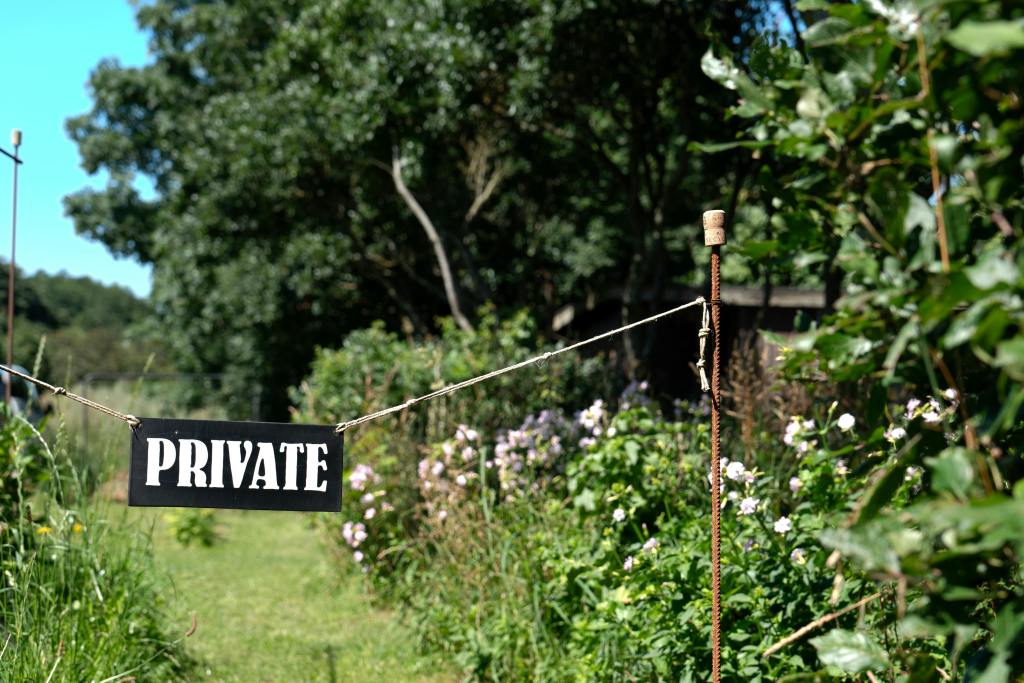
Understanding and Following Landowner Rules
Every property comes with specific expectations that hunters need to respect, including vehicle restrictions, livestock awareness, and established boundaries. By following the rules provided by landowners, hunters can build credibility in the community and minimize conflicts.
To maintain a positive relationship with landowners, hunters should adhere to designated hunting access rules and conduct guidelines. This includes managing vehicle use by only driving on approved roads or trails.
Ultimately, responsible hunter behavior is essential for maintaining access to hunting grounds and following guidelines on which game animals can be hunted. Understanding and following landowner rules supports sustainable hunting practices and helps preserve these lands for future generations.
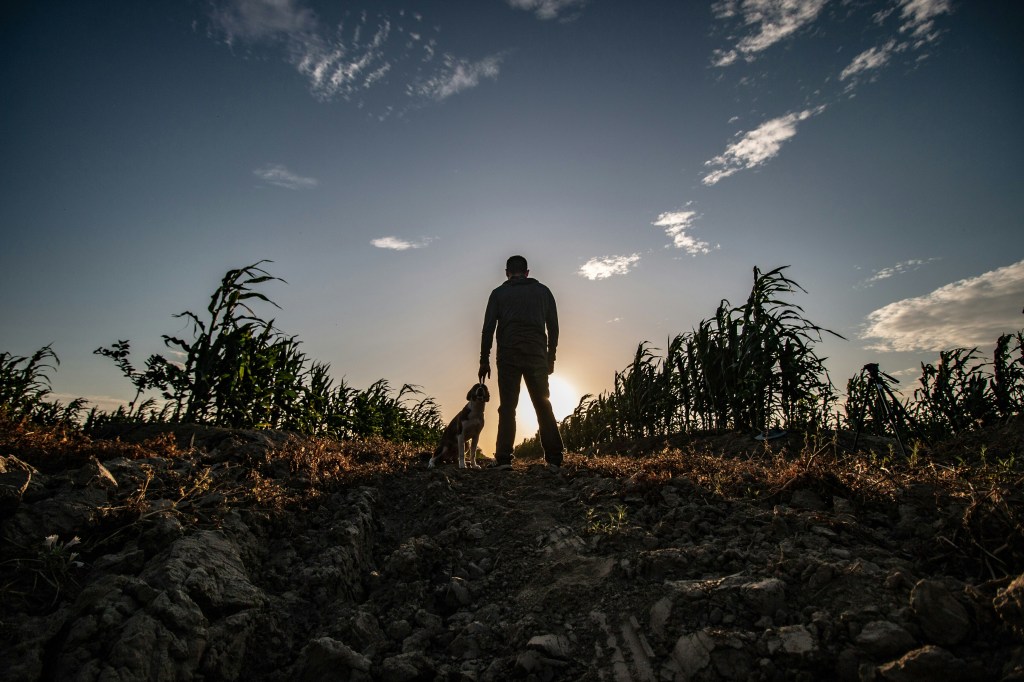
Showing Respect Every Time You Enter the Property
Respecting private land is a fundamental principle for ethical hunting. Small gestures, such as closing gates and staying on designated roads, indicate that you acknowledge the privilege of hunting on someone else’s property. By practicing responsible hunting behavior, you not only ensure your own access but also contribute to a culture of respect and trust between hunters and landowners.
Private land hunting etiquette
Establishing a positive relationship with landowners can significantly enhance your ethical hunting experience. Offering to share part of your harvest is a simple yet effective way to build goodwill and public trust. This gesture shows appreciation for the landowner’s generosity and can lead to more hunting opportunities in the future.
- Maintaining Respect for Property: Treat the property with the same care you would extend to your own. This includes staying within property lines, respecting livestock, fences, crops, and buildings. By doing so, you demonstrate your understanding of the landowner’s investment and commitment to maintaining their property.
- Adhering to Safety Protocols: Safety should always be a top priority when engaging in hunting activities. As part of responsible hunting behavior, it’s essential to follow safety protocols. Hunters should manage vehicle use by driving only on designated roads or trails approved by the landowner.
Leaving no trace and ethical hunting
Finally, the principle of leaving no trace is vital in demonstrating respect for the land and hunting ethics. Ensure that you leave all gates as you found them, whether they were open or closed. By being mindful of your impact on the land, you help maintain the integrity of the environment and the trust between hunters and landowners. Careful hunters are often invited back, while careless behavior can quickly lead to loss of access. Ethical hunters model positive behavior in front of non-hunters, promoting understanding and tolerance.
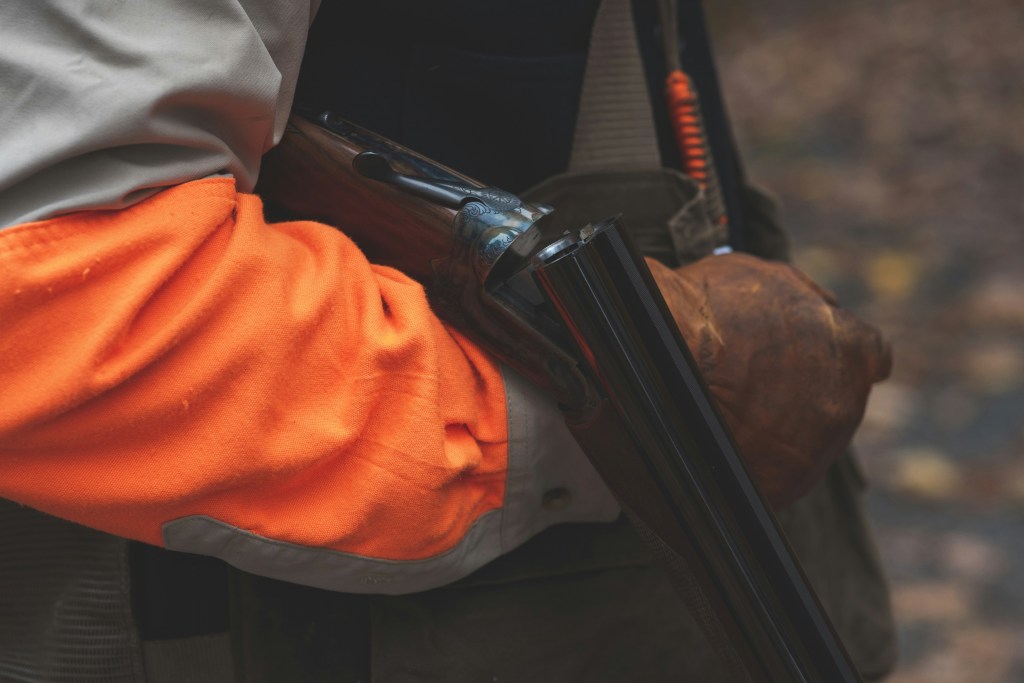
Communication Makes You the Hunter Landowners Remember
Establishing effective communication with landowners is crucial for fostering positive relationships.
Courteous behavior
- Constant Communications: Letting the landowner know when you arrive, leave, or change your plans demonstrates professionalism and respect. This open line of communication not only prevents misunderstandings but also builds long-term trust, which is essential for successful hunting experiences.
- Showing Appreciation: Expressing gratitude is a vital aspect of maintaining a good relationship with landowners. Simple gestures, such as sending a thank-you note or offering a portion of processed game meat, can go a long way. Additionally, sharing pictures of successful hunts or sending a message can reinforce your appreciation and keep the connection strong.
- Giving Back to the Landowner: Contributing positively to the landowner’s property can strengthen your relationship further. Consider sharing some processed game meat or offering to help with tasks around the property. These acts of kindness show that you value the landowner’s hospitality and are willing to contribute in meaningful ways.
Field Dressing and Waste Etiquette on Private Land
Field dressing on-site is an essential practice for hunters, but it must be carried out properly and in suitable locations. Ensuring cleanliness shows respect for the land and its users. Ethical hunters leave no visible remains, especially in high-use areas, to preserve the environment and ensure a positive experience for others.
The principle of Fair Chase
Fair Chase is a foundational concept in ethical hunting, emphasizing the importance of sporting conduct and respecting wildlife. It involves the pursuit and taking of free-ranging wild animals in a manner that does not give the hunter an unfair advantage. It gives the animal a reasonable chance to for survival. This principle ensures that hunts are conducted with integrity and that the chase reflects the true spirit of hunting as a sport.
Upholding hunting ethics
Ethical behavior in hunting transcends legal requirements and emphasizes doing what is right, even when no one is watching. Responsible hunters understand the importance of their actions and work hard to maintain high standards. They recognize that moral integrity is essential to the hunting community. This includes avoiding unfair advantages while hunting, using humane kill shots, and following legal regulations when pursuing game animals.
Knowing your limits
A responsible hunter is aware of their capabilities and understands the importance of waiting for an optimal shot. This patience not only increases the likelihood of a clean harvested game but also demonstrates respect for the animal and the hunting tradition. By waiting for the right moment, hunters can minimize suffering and ensure a more ethical outcome.
Utilizing the whole animal
The practice of using the whole animal is a time-honored tradition that reflects appreciation for the life taken. Ethical hunters strive to honor the animal by ensuring that no part goes to waste. This approach not only showcases respect for the wildlife but also reinforces a commitment to sustainability and responsible resource management.
Respecting wildlife and the environment
At the heart of ethical hunting lies a deep respect for both wildlife and the environment. This respect shapes a hunter’s actions and choices, guiding them in their pursuit. By acknowledging the interconnectedness of all life, ethical hunters contribute to conservation efforts and foster a sustainable relationship with nature, ensuring that new hunters can enjoy the same experiences.
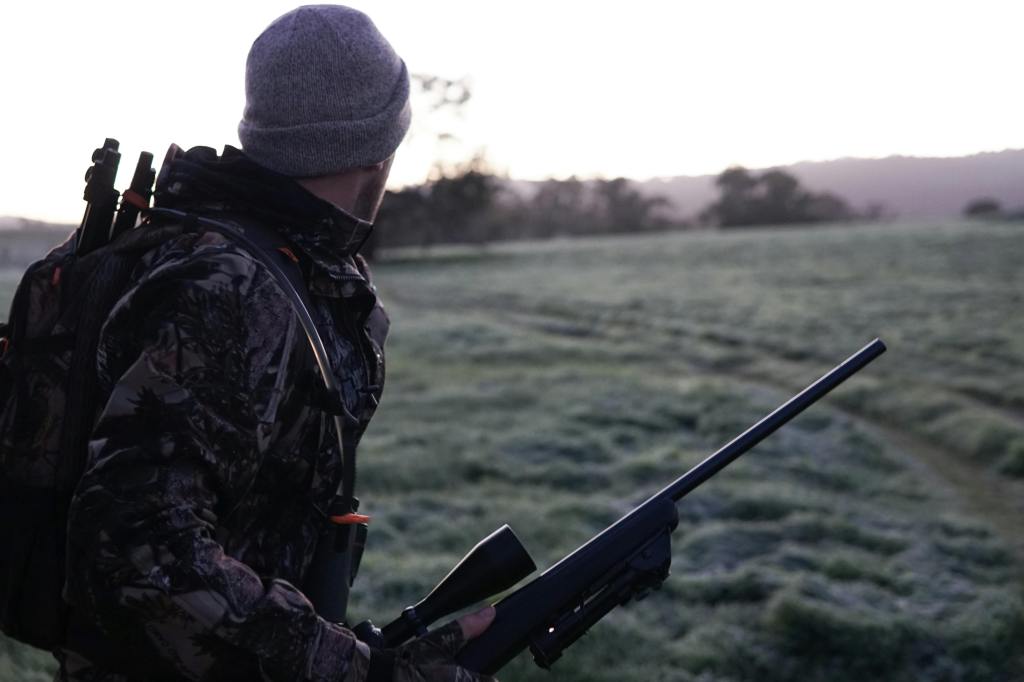
Hunting Camp Etiquette: How to Keep Getting Invited Back
When attending a hunting camp, it’s essential to follow certain etiquette to ensure a positive experience for everyone involved. Respecting your fellow hunters is paramount; maintaining a friendly and harmonious atmosphere fosters camaraderie and enhances the overall enjoyment of the trip. A respectful attitude creates an inviting environment where all participants feel valued and safe.
Moreover, courtesy plays a significant role when staying at someone else’s cabin or camp. Contributing by helping with clean-up, bringing food or supplies, and expressing gratitude to your hosts can go a long way. Ultimately, your behavior at the hunting camp can significantly influence future invitations. A good reputation is essential; showing respect and courtesy can increase the likelihood of receiving an invitation to return next year.
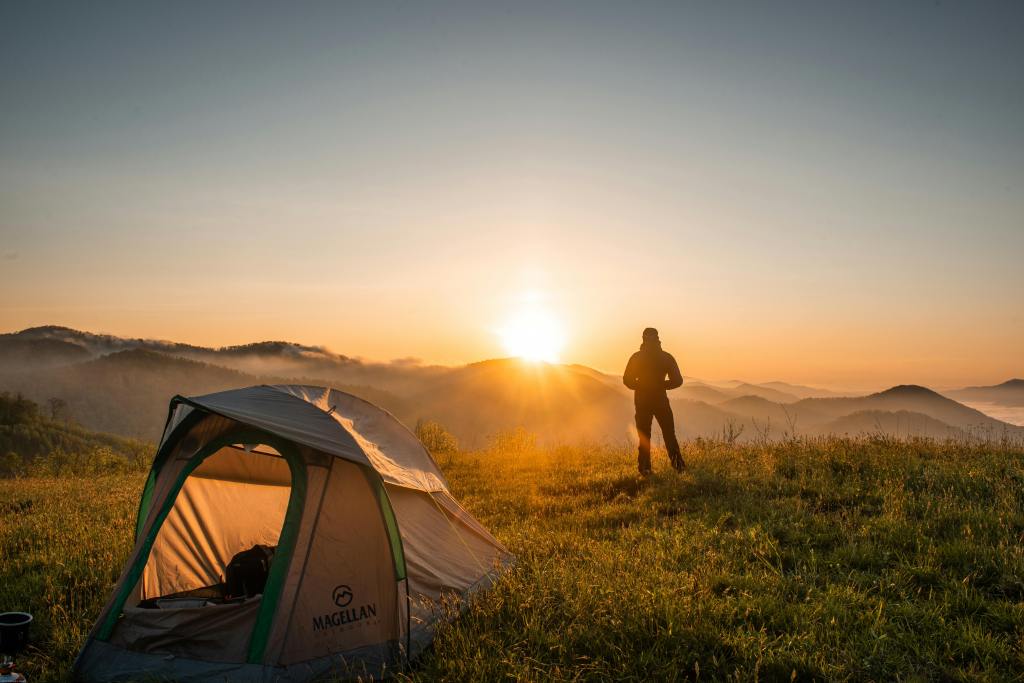
Addressing Mistakes Before They Become Problems
Accidents can occur while hunting, resulting in crop damage, spooked livestock, or vehicle ruts. Recognizing these risks is essential for responsible hunters who must also commit to integrity and accountability.
- Communicating with Landowners: When an accident happens, it’s crucial to inform the landowner immediately. This proactive communication fosters transparency and helps maintain a cooperative relationship, which is essential for both parties.
- Making Amends: Rectifying any damage caused during a hunt is vital to responsible behavior. Whether repairing a fence or compensating for crop loss, demonstrating respect for the landowner’s property helps reinforce trust and promotes ethical hunting practices.
- Building Trust: Responsible hunting extends beyond avoiding accidents; it also involves following hunter conduct guidelines and respecting the land. By consistently demonstrating responsible behavior, hunters can establish trust with landowners and foster a respectful hunting community.
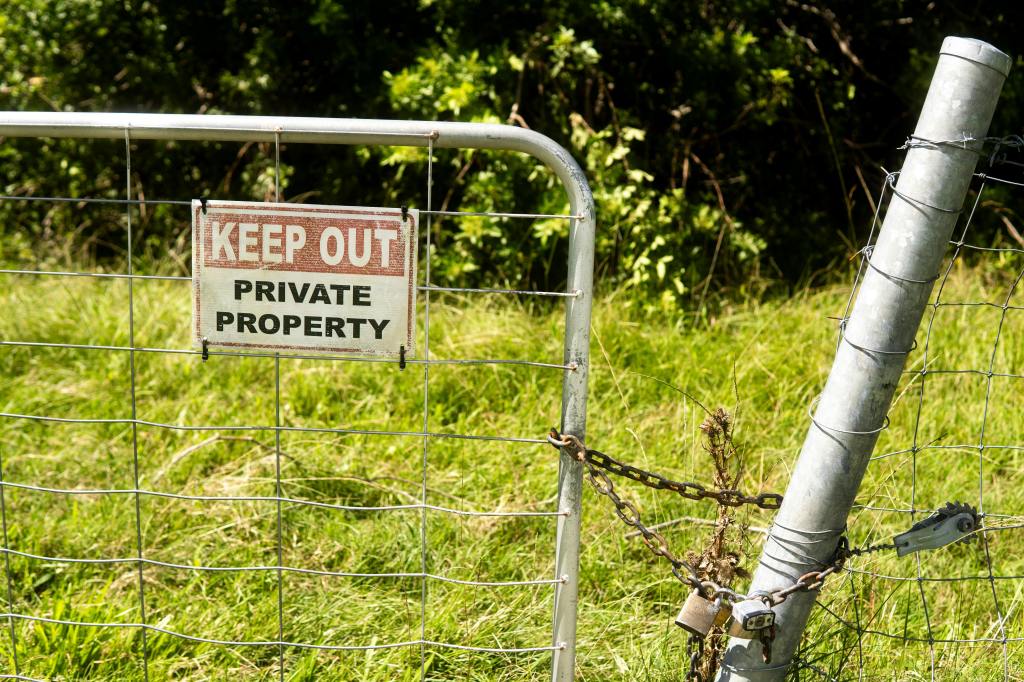
Why Good Etiquette Ensures Opportunities for Future Generations
Landowners often share positive experiences with hunters, but negative ones spread faster. This highlights the need for respectful, ethical behavior among hunters, which helps maintain access for the entire community. Upholding ethical practices means doing the right thing, even when it’s not legally required. Strong hunter-landowner relations are essential for preserving hunting opportunities for the future.
Sources
https://idfg.idaho.gov/press/hunters-ask-first-and-treat-landowners-respect-when-hunting-private-land-you-may-get-invited
https://www.montana.edu/news/561/etiquette-on-private-land-helps-assure-future-hunting
https://realtree.com/duck-hunting/how-to-keep-getting-invited-to-hunting-camp
https://www.tsln.com/news/the-thrill-of-the-hunt-a-comprehensive-guide-to-hunter-landowner-relations/
https://www.hunter-ed.com/pennsylvania/studyGuide/Hunting-on-Private-Land/20103901_88785
http://birddogit.com/blog/post/private-property-hunting-etiquette-respect-the-land-earn-the-invite-g7nnp
https://hunt.inhs.illinois.edu/resources/hunting-ethics-and-hunter-etiquette/
https://wvdnr.gov/hunting-ethics/amp/
https://hscfdn.org/principles-of-ethical-hunting/