
Mastering Skills: From Range to Field Shooting for Precision Hunters
Enhance your shooting precision with practical tips for range and field techniques. Elevate your skills and become a more effective hunter. Read more!
From Range to Field Shooting: Why the Transition Matters
Transitioning from a controlled shooting range to the unpredictable wilderness demands adjustments in technique, mindset, and ethics. Understanding these differences is crucial for responsible hunting. In this discussion, we’ll explore how to adapt responsible shooting to various terrains, fields, mountains, and backcountry to ensure safe and ethical shooting practices.
Range Etiquette: The Foundation of Safe Marksmanship
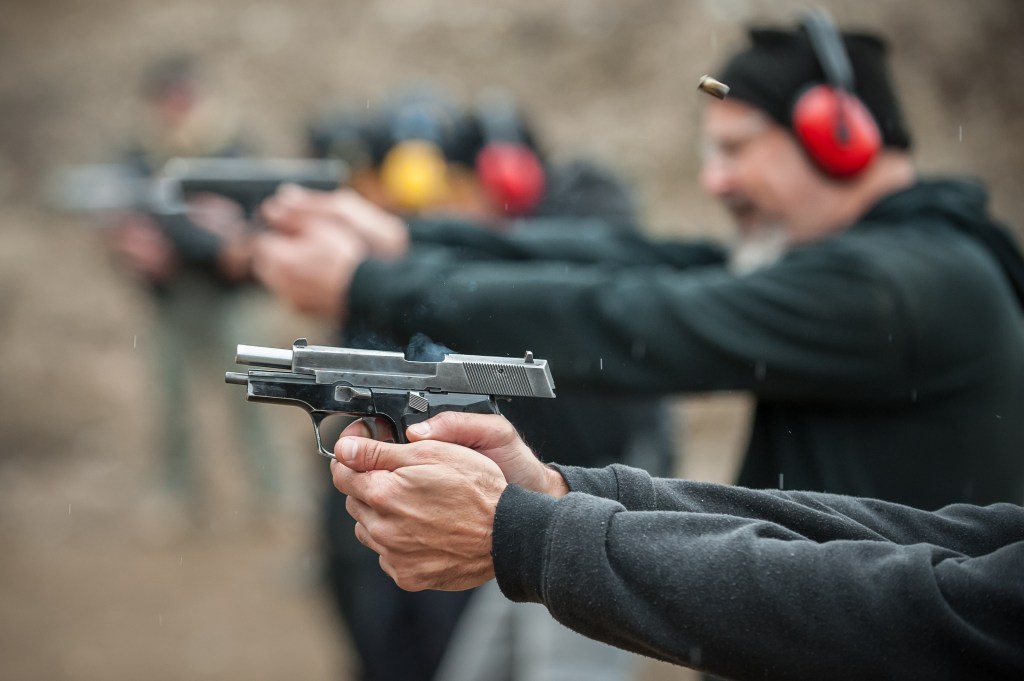
Proper shooting etiquette, encompassing clear communication, muzzle awareness, and disciplined handling, is essential for developing safe habits that extend beyond the range. When shooters follow these fundamental principles, they improve their skills and ensure safety in practice and real-world hunting.
Foundation of safe shooting
At its core, safe shooting is built on a foundation of responsibility, whether practiced indoors or outdoors. This responsibility is a shared commitment among shooters, always emphasizing the need for awareness and caution.
General gun safety principles
- Follow the Instructor: Always listen to and follow the instructions of certified instructors to ensure the safe and correct handling of firearms.
- Point Firearms Safely: Always keep the muzzle pointed in a safe direction to prevent accidents.
- Treat Every Firearm as Loaded: By assuming every firearm is loaded, shooters maintain heightened caution and avoid complacency. In addition, firearms should be unloaded when not in use to ensure safety. A loaded firearm risks accidental discharge.
- Inspect the Barrel: Always check that the barrel is clear of obstructions before shooting to prevent dangerous malfunctions.
- Ammunition: Use correct ammunition for your firearm to prevent malfunctions and injuries.
- Trigger Discipline: Keeping your finger off the trigger until you’re ready to shoot is a critical practice that avoids unintended discharges.
- Know Your Target and Surroundings: Being aware of your target and the area beyond it is crucial for ensuring safety during shooting.
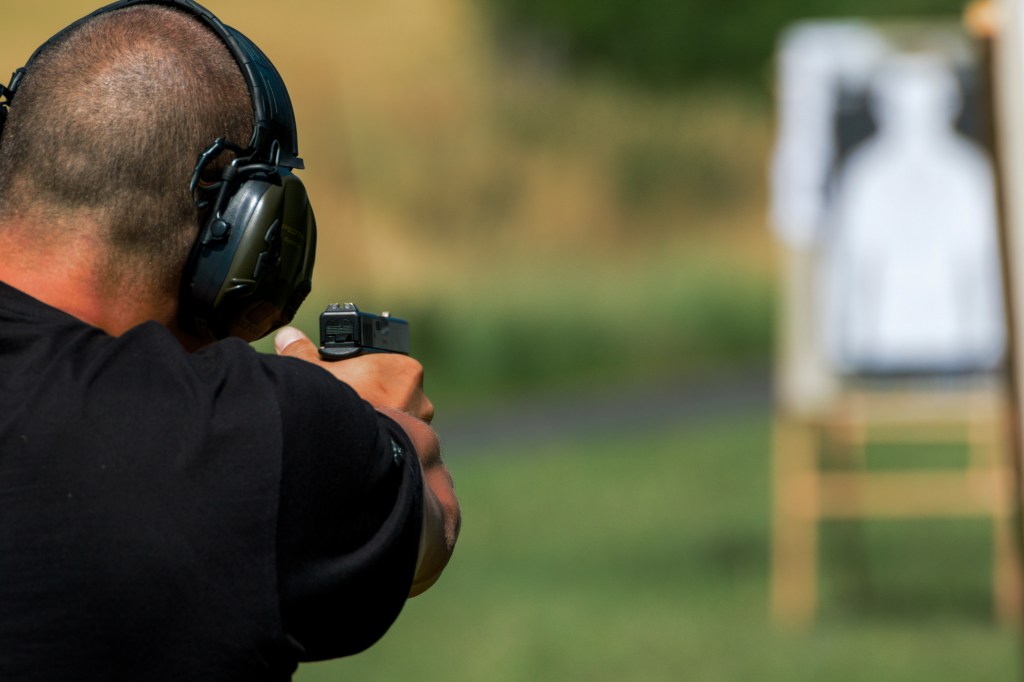
- Wear Appropriate Safety Gear: Using the right safety gear, such as ear and eye protection, is vital for safeguarding against potential hazards while shooting.
How Field Conditions Change Everything: Wind, Terrain, and Stress
Hunters often find themselves in various environmental scenarios that can significantly affect their shooting performance. Preparation for these conditions and unknown distances is essential for ethical decision-making when it matters most.
Wind and its impact
Wind is one of the most significant environmental factors affecting long-range shooting accuracy. This involves estimating wind speed and direction, which directly influences aim. The ability to read wind accurately is essential for successful long-range shooting, as even small misreads can lead to misses. Reading the wind is one of the hardest parts of long-range shooting. Using a wind meter can help shooters make necessary adjustments, ensuring greater accuracy when facing unpredictable factors in the field.
Altitude and air density
Another vital consideration is altitude, which affects air density and, in turn, the bullet’s trajectory. Higher elevations can complicate shooting conditions, requiring hunters to be aware of these changes and adapt their techniques accordingly. Understanding how altitude interacts with ballistic coefficients is key for successful long-range shooting. Check out our blog for an in-depth guide on ballistics here!
Temperature effects on ammunition
Temperature is often an overlooked factor that can significantly impact bullet performance. Extreme temperatures can change the behavior of ammunition, as warmer air presents lower density and reduced drag. Additionally, temperature can affect gunpowder burn rate, which is crucial for consistency and accuracy during a hunt. Our blog provides more information about ammunition here!
Navigating various terrains
The terrain encountered by hunters varies widely, including woodlands, rugged landscapes, plains, and wetlands. Each type of terrain demands different shooting techniques. For example, shooting in wooded areas may require proficiency in long-range shots, while rugged terrain presents challenges like maintaining balance on uneven ground. Understanding the specifics of each environment enables hunters to perform effectively and ethically.
Managing stress
The stress of navigating challenging environments can lead to physiological responses that may hinder shooting performance. Factors such as hiking over rough terrain, dealing with windy conditions, and overcoming fatigue can elevate heart rate and directly affect shooting technique. Visualization and breathing control are key components of mental training for field shooting. Mental training in field shooting includes readiness, threat recognition, and fast decision-making under pressure. For further reading on the physiological and psychological responses, check out our blog!
Mastering Field Shooting Positions: Prone, Sitting, Kneeling, Standing
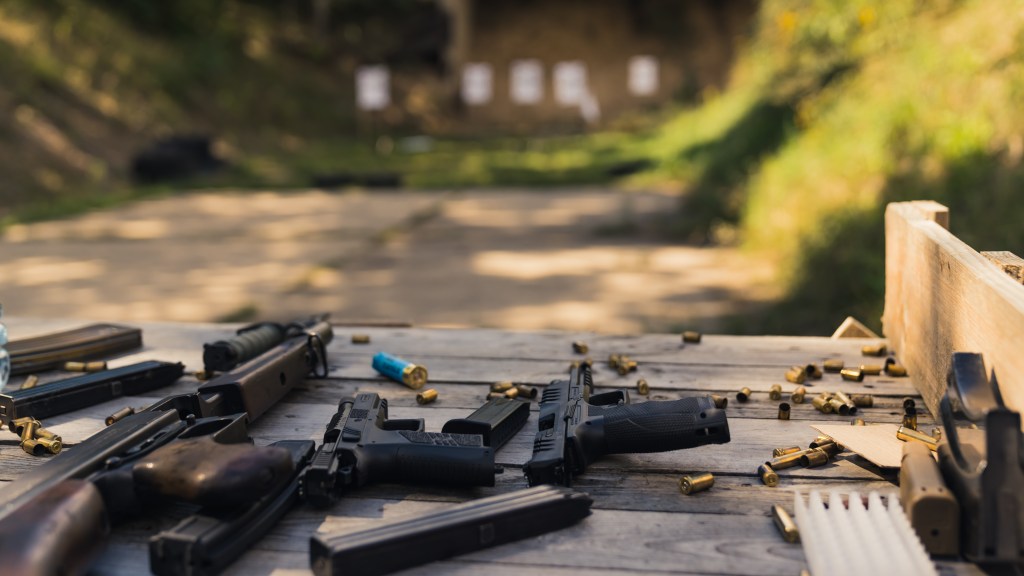
Field shooting requires greater adaptability than benchrest shooting, as hunters often face challenges posed by natural terrain. There are four primary shooting positions used in hunting: prone, kneeling, sitting, and standing. Practicing stability in diverse environments—using packs, bipods, trees, or other natural rests—is essential for safe, accurate firearm support. This guide explores various shooting positions and offers tips to improve marksmanship in the field.
Prone position
The prone position is widely recognized as the most stable option for long-distance shooting in field conditions. This position provides excellent stability and is typically the most accurate shooting stance; however, it may limit visibility in areas with tall grass or brush. Therefore, hunters must assess their surroundings to determine if this position is suitable for their target.
Sitting position
When the prone position isn’t ideal or feasible, the sitting position serves as an effective alternative. By establishing contact with the ground, this stance acts as a human tripod, enhancing overall stability. To properly assume the position, hunters should find a suitable location, drop down, and press their soles into the ground to prevent sliding. Once settled, the rifle should be shouldered with elbows resting on knees. Right-handed shooters should aim to position their rifle between 10 o’clock and 11 o’clock for comfort and control.
Kneeling position
The kneeling position offers a compromise between stability and comfort. By placing the rear knee on the ground and supporting the forward arm’s elbow on the quadriceps, this stance raises the barrel higher while still providing adequate support. Although it is less stable than the prone or sitting positions, it can be particularly advantageous for shooters accustomed to sitting and looking for a comfortable alternative.
Standing position
The standing position is the most difficult for accurate shooting and is least effective for long distances. This position is inherently unstable and requires significant practice to master. As a result, hunters should be prepared to invest time in refining their skills while standing to improve their effectiveness in the field.
Additional tips for field shooting
Improving stability and accuracy in field shooting goes beyond mastering shooting positions. Quick transitions between different shooting stances can greatly enhance performance when moments count. Additionally, utilizing a tripod can create a more stable shooting platform on uneven terrain. When gun rests are unavailable, the ‘Hasty Sling’ technique is a valuable way to steady shots and improve overall marksmanship.
Shooting at 300–400 Yards: Skills Beyond the Bench
Long-range shooting requires a thorough understanding of various factors that affect accuracy and ensure ethical hunting. This includes knowledge of bullet drop, wind drift, range estimation, and ensuring the animal is positioned for a clean shot.
Environmental factors
Field shooters must actively account for environmental elements such as wind and mirage, which are often overlooked on controlled shooting ranges. These factors significantly impact shooting performance, highlighting the need for hunters to adapt quickly to changing field conditions.
Modern rifle design
Many contemporary long-range hunting rifles are lightweight and durable, often utilizing advanced materials like carbon fiber. They typically require a centerfire rifle capable of at least 2,500 feet per second to effectively reach distant targets. Features like precision-engineered barrels and adjustable stocks enhance accuracy and comfort, improving the shooting experience.
Ammunition and ballistics
Choosing the correct ammunition is crucial for optimizing the performance of a long-range hunting rifle. While range shooting typically employs specialized match bullets for maximum accuracy, field shooting requires ammunition designed for the ethical take-down of big game. A deep understanding of your rifle and cartridge’s ballistics is vital for making accurate long-range shots. Recognizing how factors such as velocity, trajectory, and environmental conditions influence bullet performance can significantly enhance a hunter’s success in the field.
Optics and equipment
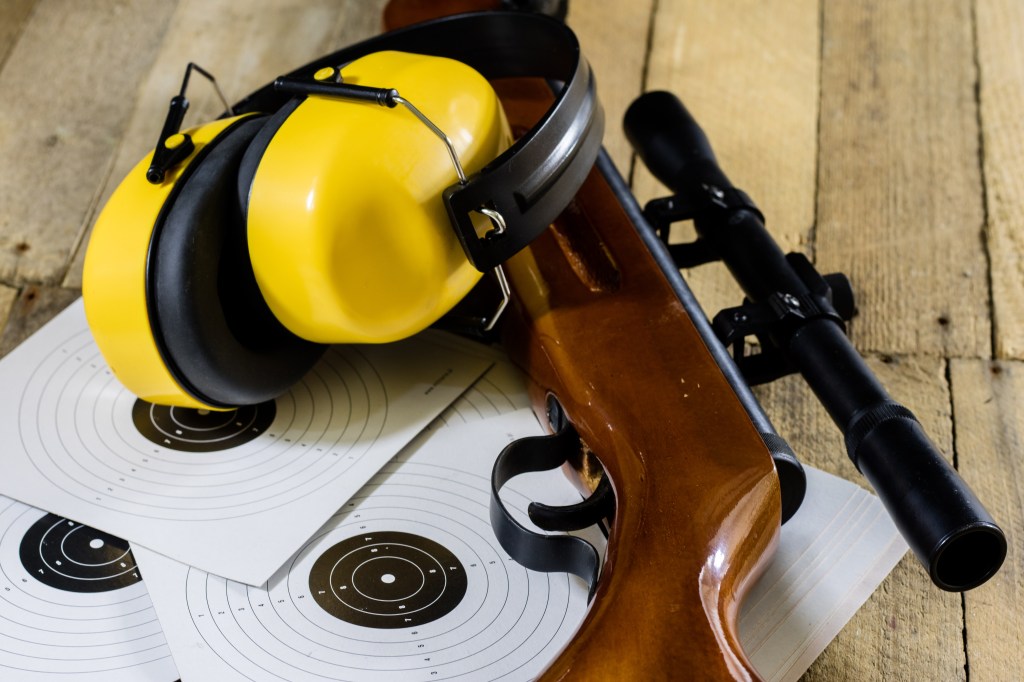
Durable optics that maintain zero even after repeated use are essential for long-range hunting. High-quality scopes should provide clear visibility and accurate reticles to help hunters make a clean kill.
Indoor vs. Outdoor Ranges: Why Both Matter for Training
When it comes to honing shooting skills, both indoor and outdoor ranges offer unique advantages. Understanding the distinct characteristics of each environment can help shooters become more well-rounded and adaptable in their training.
Indoor ranges
Indoor shooting ranges are particularly beneficial for mastering the core fundamentals of shooting. These facilities provide an excellent environment to focus on trigger control, grip, and sight alignment. Additionally, shooters are shielded from environmental distractions, allowing for focused practice on accuracy without interference from wind, temperature, or changing light conditions. However, it’s important to note that indoor ranges may have restrictions on the types of calibers and ammunition that can be used, primarily for safety reasons.
Outdoor ranges
In contrast, outdoor shooting ranges offer a more dynamic environment. They expose shooters to real-world conditions such as wind, temperature variations, and changing light, making them ideal for developing skills that translate well to field shooting situations. Practicing outside can be more challenging, but it helps build confidence and adaptability. Furthermore, outdoor ranges typically offer greater versatility in the calibers and bullets available, allowing shooters to experiment with a wider range of equipment and scenarios.
Adjusting Mindset: Why Hunting Accuracy Feels Different
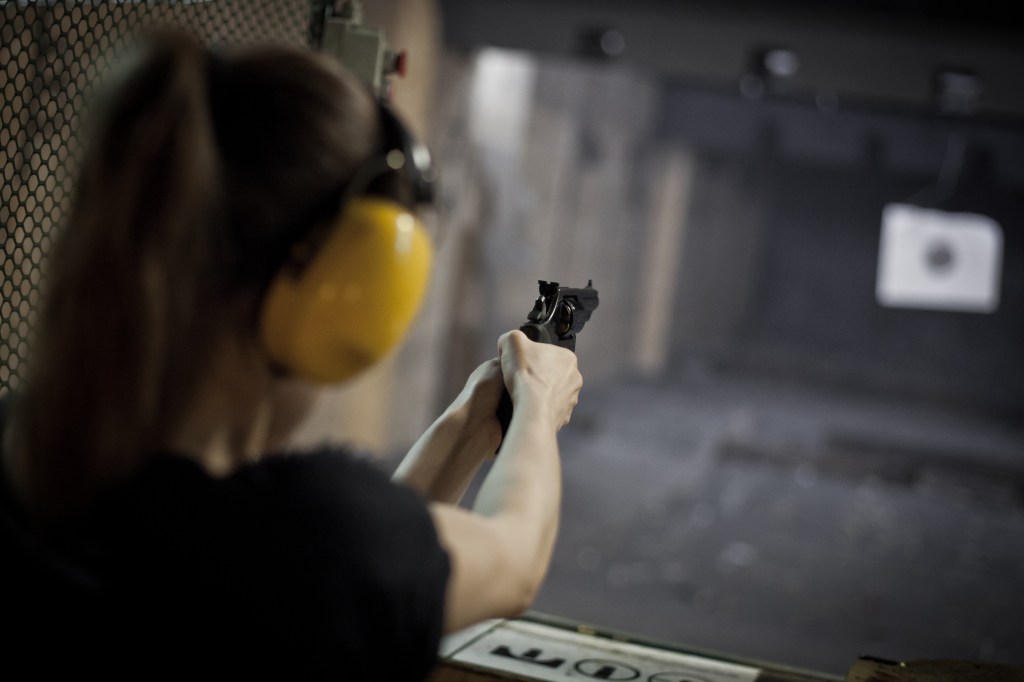
Many shooters notice a significant difference in their performance when transitioning from wild game hunting to practicing on paper targets. To effectively bridge the gap between these two shooting environments, it is essential to consider both physical and psychological aspects of shooting.
Simulating realistic conditions
Practicing under conditions that mimic a hunting scenario can significantly enhance a shooter’s performance. One effective method is training with an elevated heart rate, which simulates the physical exertion and adrenaline rush experienced during a hunt. This approach can help shooters become accustomed to the physiological effects of excitement and stress, enabling them to make calmer, more calculated decisions when the moment counts.
Mastering long-range shooting
The ability to make long-range shots accurately is vital for opening new hunting opportunities. Unlike target practice, where distances are predetermined, hunting often requires the shooter to engage targets at unknown ranges. Practicing long-range techniques not only enhances accuracy but also builds confidence in tackling various hunting scenarios.
Realistic target practice
Using realistic targets that mimic the vital areas of game animals can improve the effectiveness of shooting practice. Unlike traditional bullseyes, which can lead to a narrow focus on just hitting the target, realistic targets encourage shooters to identify and aim for specific vital spots. This skill translates directly to hunting, where precision and placement are key to achieving quick, humane kills.
Adjusting for environmental factors
Field shooting introduces variables such as wind and mirage, which are often not as emphasized on controlled ranges. Understanding how to adjust for these environmental factors is crucial for success in the field. Shooters must learn to gauge how conditions affect their shot trajectory and make real-time adjustments, skills that can be developed through practice in varying environments and weather conditions.
Selecting the right long-range caliber
Choosing the right long-range hunting caliber is essential for effective shooting. Factors such as trajectory, recoil, speed, and wound channel size must be considered to strike a balance that suits individual shooting styles and preferences. A well-chosen caliber allows hunters to maximize shooting efficiency and uphold ethical hunting practices, ensuring they are not only accurate but also responsible.
Ethical Shot Selection: When Not to Pull the Trigger
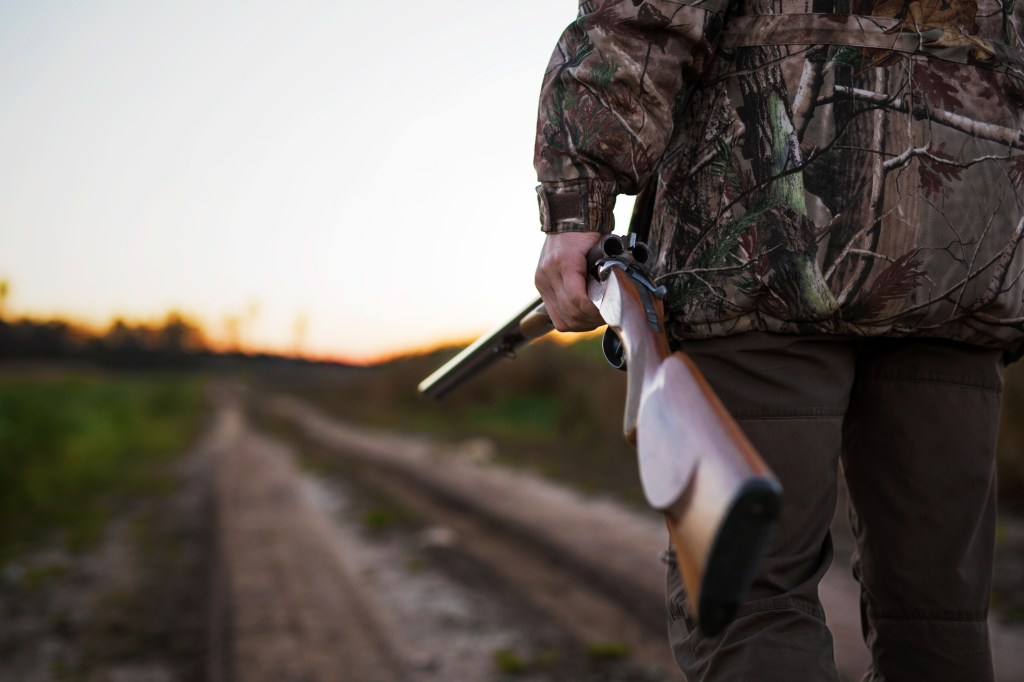
Ethical hunting is vital for the well-being of the game, the environment, and fellow hunters. Just because a shooter can hit a target doesn’t mean every shot should be taken., especially at longer ranges Responsible hunters prioritize safety and effectiveness, reflecting skill and respect for nature.
The need for caution
Long-range shooting increases the opportunities for bullets to hit unintended targets, making safety paramount. Ethical hunters understand the heightened risks involved and are trained to wait for optimal conditions—this includes broadside angles, safe backstops, and high-probability shots.
Accurate shot
The foundation of responsible shooting practices lies in understanding shot placement. Ethical hunters use the correct gauge for the game they are pursuing, ensuring their shots are clean and lethal. This attention to detail helps facilitate a quick and humane hunt, reducing unnecessary suffering for the animal.
Insurance Considerations for Field Use Firearms
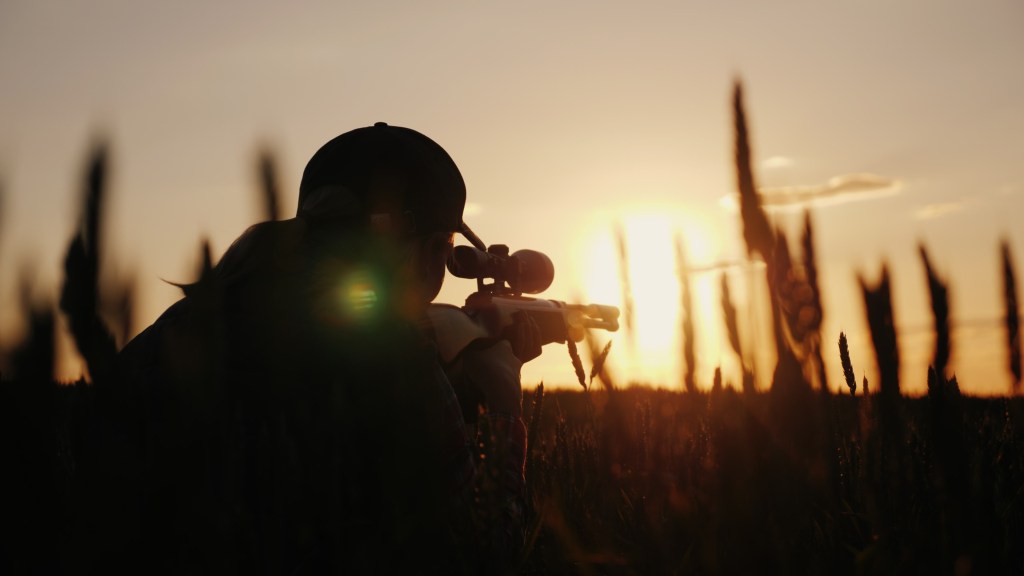
Firearms used outdoors face weather, rugged terrain, and transport risks. Specialty insurance protects rifles, optics, and gear from damage or loss during travel, range training, or field hunts.
At 1776 Insurance, we understand that hunting gear, such as guns, knives, and accessories, requires a tailored approach to protection. Our full arsenal of protection services is designed to meet the unique needs of collectors of these valuable items. With over 50 years of experience, Collectibles Insurance Services has been dedicated to helping enthusiasts protect their cherished collections, ensuring their investments are safe and secure.
Sources
https://www.quora.com/What-skills-and-equipment-are-essential-for-hunters-aiming-to-shoot-at-ranges-of-300-to-400-yards
https://savagearms.com/blog/post/range-etiquette-a-guide-to-safe-and-responsible-shooting
https://www.therange702.com/blog/outdoor-vs-indoor-shooting-ranges/
https://www.backcountrychronicles.com/difference-between-range-vs-hunting/
https://www.americanhunter.org/content/training-to-shoot-from-field-positions-prone-sitting-kneeling-and-standing/
https://www.firstgenhunter.com/blog/become-deadly-at-distance-long-range-shooting-tactics-for-hunters-nbsp
https://www.onxmaps.com/hunt/blog/long-range-shooting
https://www.ilearntohunt.com/blog/improve-your-long-range-hunting-skills/
https://www.nssf.org/safety/rules-firearms-safety/
https://tpwd.texas.gov/education/hunter-education/online-course/shooting-skills/rifle-positions