
Identifying Counterfeit Replica Knives: Essential Tips for Collectors
Learn how to spot counterfeit replica knives with essential tips for collectors. Enhance your collection and avoid costly mistakes—read the article now!
Counterfeit & Replica Knives: A Growing Risk for Collectors
The knife market has seen a significant surge in replicas, clones, and outright counterfeits. For collectors, distinguishing authentic pieces from counterfeits is crucial for maintaining the value and insurability of their collections. The rise of counterfeit knives presents challenges for enthusiasts aiming to protect their collection’s integrity and value.
One of the key concerns for collectors is the risk of poor material and build quality in counterfeit knives. These fake products exhibit poor workmanship and durability of genuine items, making them less reliable and potentially unsafe for use. As a result, collectors must remain vigilant and informed to avoid investing in subpar replicas that could threaten their collection’s overall value.
Moreover, ethical considerations arise when purchasing counterfeit knives. Buyers may unknowingly support criminal activities by opting for cheaper, imitation products. This destabilizes the market for authentic collectible knives and harms independent knife makers. Investing in authentic knives helps sustain the integrity of the knife-making community while ensuring their collections retain their value.
Fake, Clone, Replica, or Homage: Understanding the Terminology
In the world of collecting, particularly with items like knives, it is crucial to recognize the different types of lookalikes. Not all replicas, clones, and counterfeits serve the same purpose or convey the same integrity. By understanding these distinctions, collectors can make more informed purchases and avoid potential pitfalls.
Replicas
Replicas are typically crafted for display and educational purposes. These knives are designed to resemble their authentic counterparts closely but always disclose that they are replicas. Museums and institutions often utilize these items to provide visual aids and enhance the learning experience. A true replica will clearly indicate its status, ensuring that it is appreciated for its craftsmanship without misleading buyers regarding its authenticity.
Clones
Clones, on the other hand, aim to replicate the design of a particular knife without using the original brand’s logos or trademarks. Often referred to as “knock-offs,” these clones capture the essence of popular knife designs while providing a more affordable option for consumers. While clones may not violate trademark laws, they are designed to align with market trends, serving as budget-friendly alternatives to higher-end branded knives.
Reproductions
Reproductions share similarities with replicas but are distinct in their intent. While replicas are often used for educational purposes, reproductions are not necessarily meant for display and do not claim to be originals. They will make it clear that they are reproductions or clones, allowing collectors to appreciate them for what they are rather than being misled about their origins.
Counterfeits
Counterfeits are the most problematic among these lookalikes. Designed specifically to deceive buyers, counterfeit knives attempt to mimic the original’s design and may even utilize trademarks and logos. However, these items often contain subtle discrepancies that reveal their fraudulent nature. Some counterfeiters might slightly alter logos or identifiers to bypass intellectual property laws and consumer protection regulations, making it essential for buyers to conduct thorough research before purchasing.
Why Counterfeit Knives Are So Hard to Detect
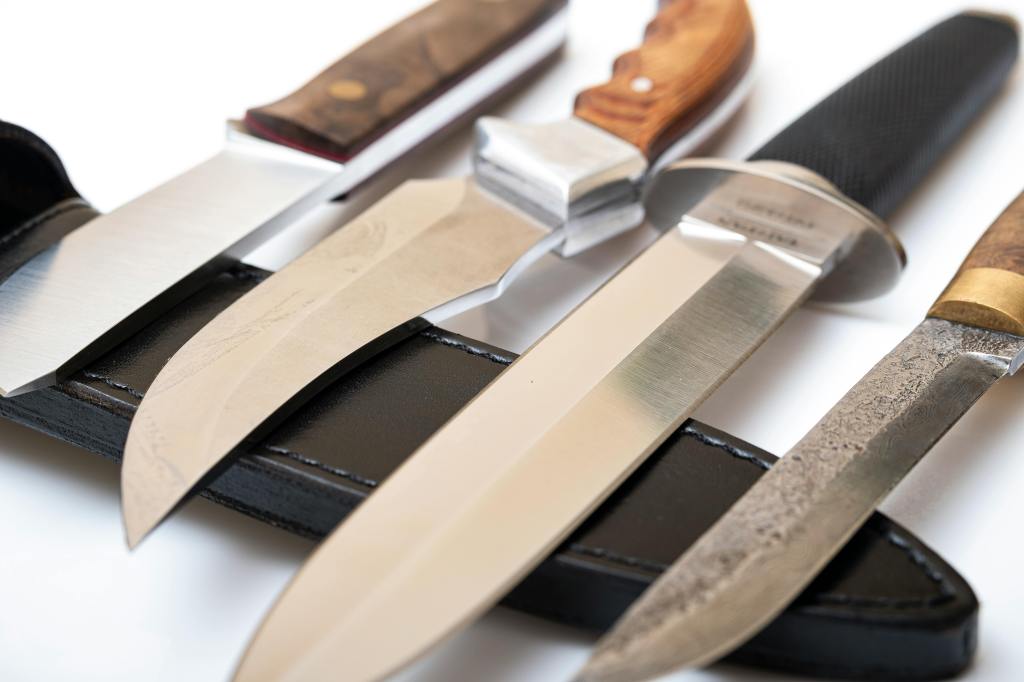
The rise of modern manufacturing techniques and robust global supply chains has led to an alarming increase in counterfeit knives. These fakes can be incredibly convincing, posing a significant challenge for collectors and enthusiasts alike. Understanding how to spot a fake knife is crucial for anyone looking to ensure the authenticity of their collection.
The demand for counterfeit goods
The growing market is driven primarily by high demand for popular models. Collectors and casual buyers alike seek rare or well-known knife brands, creating an opportunity for counterfeiters to profit. Fake knives are frequently sold through various online platforms, including auction sites and e-commerce websites. The anonymity of the internet can make it easier for sellers of counterfeit goods to operate, complicating the task of identifying genuine products for buyers.
Lower prices and counterfeiting techniques
One of the key factors that attracts buyers is their significantly lower price point compared to authentic pieces. This financial allure can lead even seasoned collectors to mistakenly purchase a fake, as the deal may seem too good to pass up. Today’s manufacturing methods, including laser engraving, have enabled the creation of fakes that closely resemble authentic knives.
Origin of fake knives
Many counterfeit knives originate in Asia, with China a significant producer. Counterfeit knives can be produced in the same factories as original knives, but this is rare and often unproven. These replicas are often designed to closely resemble popular models from established brands, making it challenging for buyers to distinguish them from genuine articles.
Red Flags Collectors Should Watch For
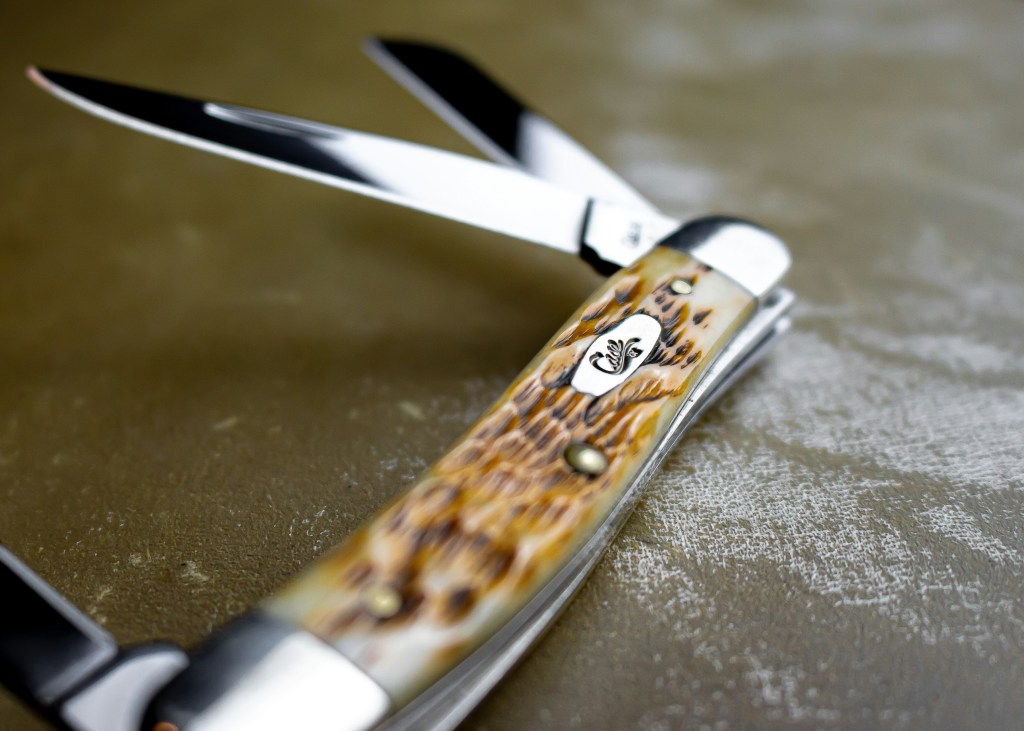
When it comes to knife collecting, recognizing the warning signs of counterfeit products is essential for avoiding financial losses. Several indicators can alert collectors to potential issues, including inconsistent logos, incorrect materials, sloppy grind lines, and mismatched packaging. Understanding these red flags can greatly enhance your ability to distinguish genuine from fake knives.
Poor workmanship
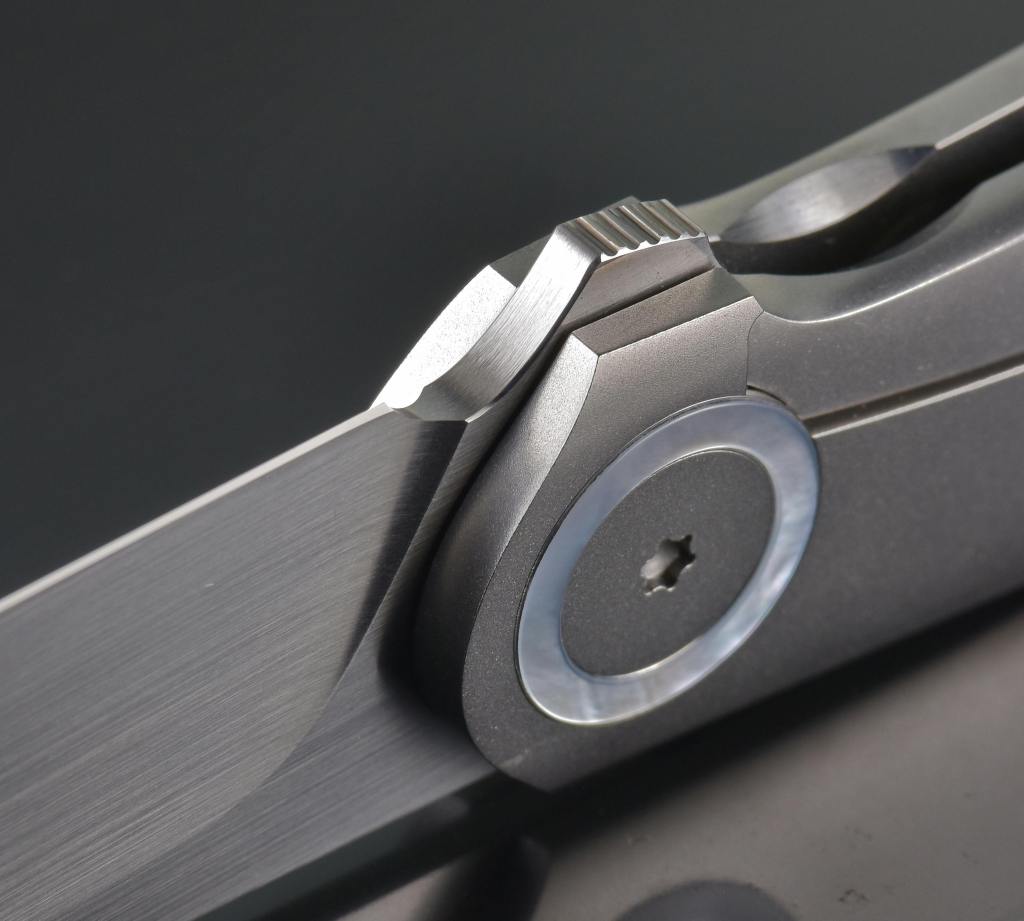
Fake knives often raise suspicions primarily because they are significantly cheaper than their authentic counterparts. This price disparity should prompt buyers to investigate further. One critical factor to consider is the knife’s weight; counterfeit versions are typically lighter because they use inferior materials. Additionally, examining details such as blurry logos, poor blade finishes, incorrect hardware, and inconsistent weight can help identify fake knives, as these features are often absent in authentic products.
Quality control
The quality of craftsmanship is one of the most telling differences between authentic and counterfeit knives. Genuine knives are manufactured under strict quality control and premium materials. In contrast, counterfeit knives are often produced without these quality assurance processes, resulting in noticeable flaws. A common issue with fake knives includes visible gaps between the handle and blade, whereas knives from reputable brands usually display impeccable symmetry. Inspect details like blurry logos, poor blade finish, incorrect hardware, wobbly action, and inconsistent weight to spot fake knives.
Authentic collectible knives: key features
Spotting a fake knife relies on common sense. Real knives often include serial numbers that can be verified against the manufacturer’s database, a feature typically absent in fakes. Collectors should always look for these serial numbers and compare the knife against the official specifications outlined on the brand’s website to identify discrepancies. Established knife brands also exhibit unique engraving and branding traits, allowing collectors to quickly distinguish genuine products from fakes. Look for specific materials like premium steel and corrosion-resistance. This will help you keep an eye out for the real product.
The Role of Provenance and Documentation
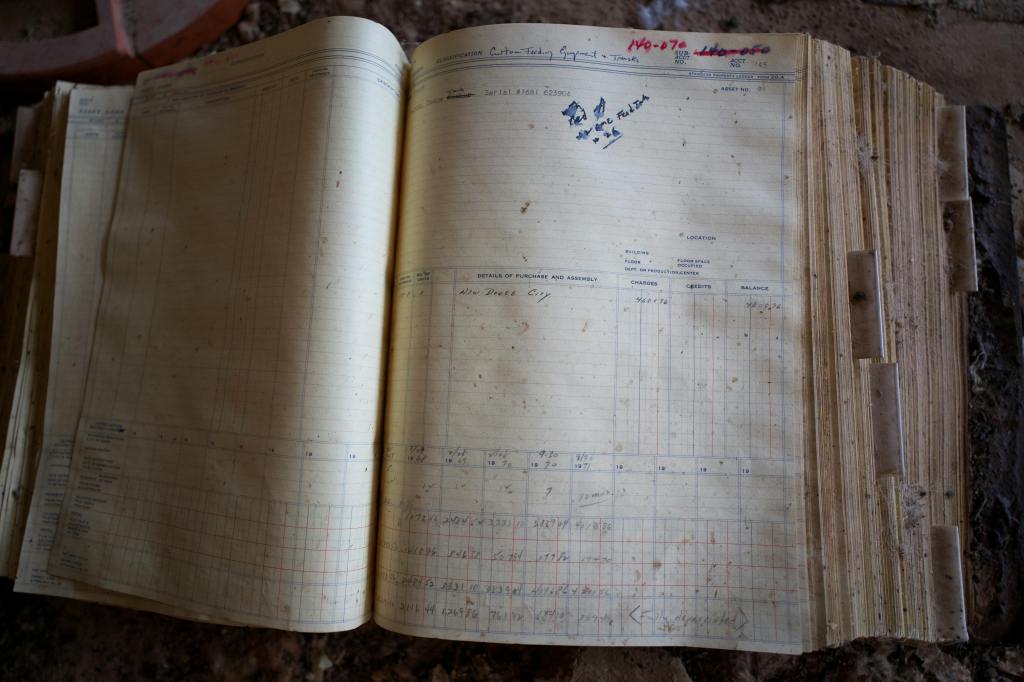
Receipts, maker correspondence, certificates, and purchase history are vital components in establishing the authenticity of collectible knives. These documents verify the knife’s origin and are essential for determining its market value. Provenance is key to understanding the knife’s history and significance in a collection.
Provenance
Establishing a knife’s provenance is essential for insurance purposes. Many insurance providers require documented proof of authenticity to adequately assess the item’s value. Without proper documentation, it can be challenging to secure appropriate coverage or to file a successful claim in the event of loss or damage.
Authentication
When purchasing limited-edition knives, it is essential to verify the authenticity with a certificate. This certificate serves as official documentation that the knife is genuine and confirms its limited status. Investing time in verifying such details can help avoid potential pitfalls associated with questionable provenance and ensure that their collections are both valuable and authentic.
How Insurers View Counterfeit and Replica Knives
Insurance companies assess risk based on authenticity, particularly for collectibles like knives. The legitimacy of an item significantly impacts its insurability.
Counterfeit knives are generally excluded from coverage due to their fraudulent nature; insurers often view them as high-risk and may choose not to cover them. In contrast, clearly disclosed replicas may be insured, but typically at limited values. Insurers differentiate between genuine knives and replicas, which affects coverage amounts. It’s crucial to check with your insurance provider about coverage for replicas. Policies vary, so understanding your options is essential, especially for valuable items.
Appraisals and Authentication: Getting a Second Opinion
When dealing with valuable or rare knives, professional appraisals and expert authentication are crucial for determining the authenticity of each piece. These evaluations are important because they help insurers understand high-value collections.
Insurers often need this clarity before they agree to provide coverage. Proper knife appraisal addresses authenticity, ensuring collectible knives are verified by experts who understand the nuances of the market. This process is essential for collectors, as it helps safeguard their investments and facilitates easier access to specialized insurance for their knife collections.
Ethical and Financial Risks of Owning Counterfeit Knives
Counterfeit knives pose significant risks to knife collectors and legitimate manufacturers alike. The proliferation of fake knives can not only undermine the value of authentic collectibles but also harm the relationships within the collecting community. Anyone who unknowingly trade in counterfeit items may face both reputational damage and financial losses, potentially jeopardizing their investments.
Legal and financial risks
In the United States, engaging in the trafficking of counterfeit goods, including knives, carries serious legal repercussions. Individuals caught selling or distributing counterfeit knives may face hefty fines and even imprisonment. This stark reality serves as a reminder to diligently verify the authenticity of their purchases to avoid potential legal trouble.
While buyers of inauthentic knives are generally less likely to face prosecution compared to sellers, the legal implications can still be severe. Purchasers may risk asset forfeiture, losing not only their investment but also facing legal challenges. Additionally, those who attempt to resell fake knives could expose themselves to trademark infringement liability, which can result in significant fines and penalties.
Intellectual property rights violations
Fake items also infringe on the intellectual property rights of the original manufacturers. Such violations can discourage legitimate makers and stifle innovation within the knife industry. Protecting the rights of authentic creators is crucial to maintaining the integrity of the collecting community and ensuring a vibrant market for quality craftsmanship.
Protecting Your Collection from Questionable Pieces
When collecting high value knives, safeguarding your investments is paramount. Whether you’re a seasoned collector or just beginning, understanding the importance of education, trusted sellers, and thorough documentation can significantly enhance the integrity and insurability of your collection.
Buying genuine knives
One of the best defenses against counterfeit knives is to buy only from reputable dealers. Trusted sellers provide assurance that you are receiving an authentic product, minimizing the risk of adding fakes to your collection. Before buying, research the average market price for the specific model you are interested in. Understanding the typical price range can help you avoid unrealistic pricing and potential scams.
Community resources
Utilizing online communities and forums can be an invaluable resource for verifying the authenticity of knives. Engaging with others can provide insights and feedback you may not find elsewhere. Online communities like Facebook groups are excellent for sharing experiences and concerns about specific knives and dealers.
Official specifications
Another effective way to ensure you are buying an authentic knife is to compare it with the official specifications on the brand’s website. Discrepancies in design, materials, or markings can indicate a counterfeit product. Knowing the official details helps you perform a more informed evaluation before making a purchase.
Sources
https://steemit.com/knives/@atechreviews/knife-terminology-the-differences-between-fake-clone-replica-and-homage-knives
https://iknifecollector.com/profiles/blogs/a-problem-with-fakes
https://www.knivesandtools.com/en/ct/counterfeit-knives.htm
https://exquisiteknives.com/how-to-spot-a-fake-a-collectors-guide-to-authentic-knives/
https://stroupknives.com/how-to-spot-fake-military-grade-knives-buyers-guide/
https://unholyblades.com/blogs/news/knife-authentication-guide-spot-fake-knive
https://knifeinformer.com/how-to-identify-fake-knives/