
Essential Guide to Gifting Firearms: Know the Laws and Best Practices
Navigate the complexities of gifting firearms with our essential guide. Understand the laws and best practices to ensure a responsible gift. Read more!
Gifting Firearms: Why Collectors Need a Plan Before Giving
Gifting a firearm is a unique and thoughtful gesture, especially for collectors who appreciate the artistry and history behind these weapons. However, the process is not as straightforward as it may seem. It requires careful consideration of legal requirements, federal and state laws, proper documentation, and coordination with insurance providers to ensure that both the giver and recipient are protected.
Whether you’re a seasoned collector or new to firearms, understanding these factors will help ensure a smooth, responsible gifting experience. While we provide general information on this topic, you should consult a subject-matter expert for specific guidance.
When Is a Firearm Considered a “Gift” Under the Law?
When gifting firearms, it is crucial to ensure the act is voluntary, lawful, and without any form of compensation. Understanding the specific federal or state laws surrounding gun gifting is essential for collectors to prevent any unintentional violations, such as straw purchases or illegal transfers.
By familiarizing themselves with legal firearm gifting regulations, individuals can navigate the complexities of passing a firearm to another person while remaining compliant with the law. This diligence safeguards both parties and supports responsible gun ownership.
Federal vs. State Rules: Why Location Matters
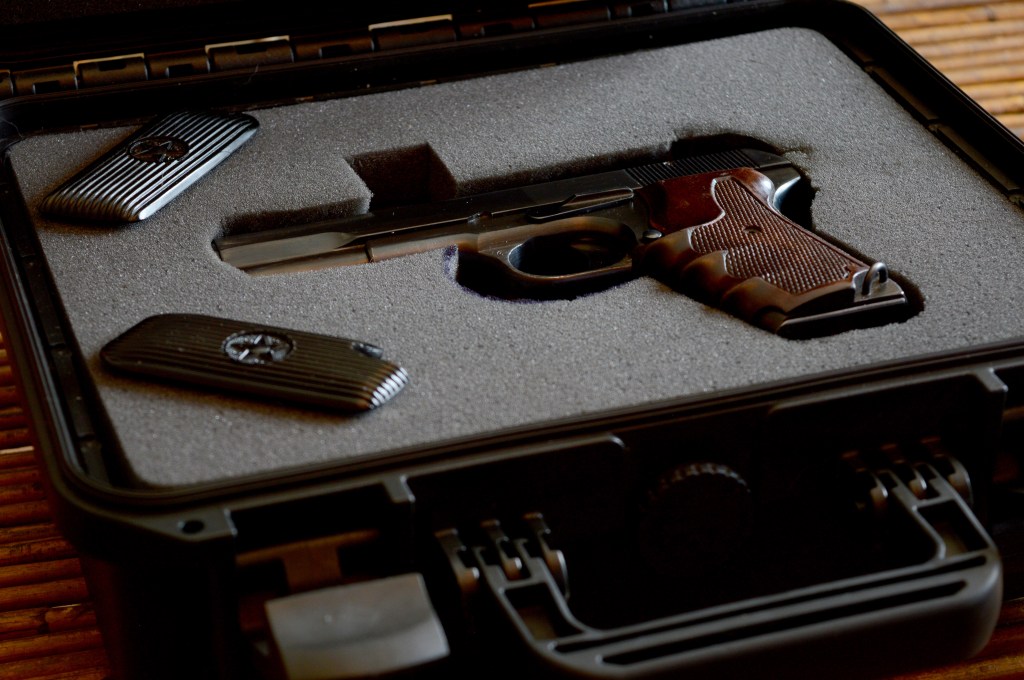
Understanding the rules surrounding firearm gifting is crucial for both collectors and casual givers. These regulations can differ significantly from state to state, especially concerning interstate transfers. It’s essential to consider various factors, including residency, the involvement of a Federal Firearms Licensee (FFL), and background check requirements, before proceeding with a gun gift transfer.
Federal law
Federal law requires that any gift of a firearm across state lines must be facilitated through an FFL. Unlicensed individuals are prohibited from transferring firearms to recipients residing in different states, thereby ensuring that transfers adhere to regulatory standards. Additionally, the recipient must complete a background check through the FFL when receiving a firearm from another state. The primary statute that guides the transfer of a firearm is 18 U.S.C. § 922, which prohibits transferring firearms to individuals known or suspected to be prohibited persons, including convicted felons or those protected by domestic violence restraining orders.
Consequences of non-compliance
The ATF Form 4473 reinforces that the firearm is being given as a bona fide gift and not intended for anyone else. It also mandates that the recipient is legally allowed to possess a firearm. Be wary of “straw man” purchases, where an individual buys a gun on behalf of someone else who is not the intended recipient, which can lead to significant legal consequences. Both the donor and the recipient of a firearm can face serious legal consequences if they fail to comply with federal laws. A direct transfer made without FFL involvement can result in a Federal Felony charge, which may carry penalties of up to 5 years in prison and a $5,000 fine.
State law
In addition to federal laws, state regulations can impose further restrictions on gun gifting. Many states have age restrictions on private transfers, typically requiring recipients to be at least 18 or 21 years old. Furthermore, several states require background checks for private firearm transfers, even when both parties reside in the same state. Specific states, such as Illinois, have additional requirements, including the need to possess a state-issued permit or license, such as a FOID card, to receive a gift.

Gifting Within Families: Common Scenarios and Pitfalls
Family transfers of firearms may feel informal, yet they are often subject to strict legal regulations. Parents, spouses, domestic partners, and adult children must navigate various laws to ensure valid and defensible transfers.
Bona fide gift
When purchasing a firearm as a gift, it is essential to be the actual buyer and avoid any side agreements to buy on behalf of someone else. Each state has unique laws governing these transactions, so it is crucial to check local laws before proceeding. You should also ensure that the recipient can legally possess firearms, as well as meet other eligibility requirements.
State and local laws
In many cases, states with strict transfer laws may allow exemptions for gifts exchanged between immediate family members. However, it is important to note that many jurisdictions require background checks or specific paperwork even when the transfer occurs between family members. Many states require background checks for private party transfers, even between family members or friends. Additionally, age restrictions often come into play, with some states limiting firearms transfers to individuals over the age of 21.
Intrastate vs interstate firearm transfers
In certain states, you may legally gift a firearm to a family member residing in the same state without the need to go through an FFL or a background check. Even if such documentation is not legally required, keeping a written record of the gift is advisable to establish the transfer of ownership.
However, crossing state lines with a firearm is highly regulated; it is prohibited without obtaining an FFL, which can lead to felony charges. If you want to gift a firearm to someone outside of your home state, you must take the firearm to an FFL and arrange to have it sent to an FFL in the gift receiver’s home state. Proper channels include gun stores with the license to deal firearms as well as firearm manufacturers and licensed gunsmiths.
Firearm inheritance
When firearms are inherited through an estate, the process may be exempt from interstate FFL transfer rules. Nevertheless, it remains vital for to confirm the recipient’s eligibility to own the firearm. Ensuring compliance with local laws is key in these situations.

Documentation Collectors Should Prepare Before the Gift
When gifting or transferring a firearm, proper documentation is essential to ensure a smooth and legal process. Bills of gift, serial records, transfer receipts, and correspondence play a significant role in establishing the firearm’s provenance and safeguarding the interests of both the giver and the receiver.
Written records
Even when written records may not be legally required, documenting a gift can be invaluable for proving ownership transfer. A well-maintained record can serve as protection for both parties involved. Important details to include are the transfer dates, the signatures of both the giver and the receiver, and the firearm’s serial number. Such thoroughness ensures that everyone is clear on the gift’s terms and reduces the likelihood of potential conflicts down the line.
Gift certificates
To sidestep potential legal issues with gifting, a safe alternative is to offer a gift certificate from a local gun store. This allows them the freedom to choose a firearm that suits them without running into complications. Purchasing a gift certificate demonstrates a thoughtful approach while ensuring compliance with the legal requirements for firearm ownership.
Safety training
In addition to the act of giving a firearm, it is crucial to foster safe practices. Including discussions about safety training and safe storage options when gifting a firearm is highly recommended. Some state laws may require a firearm safety course as well.
Insurance Coverage Before the Transfer Takes Place
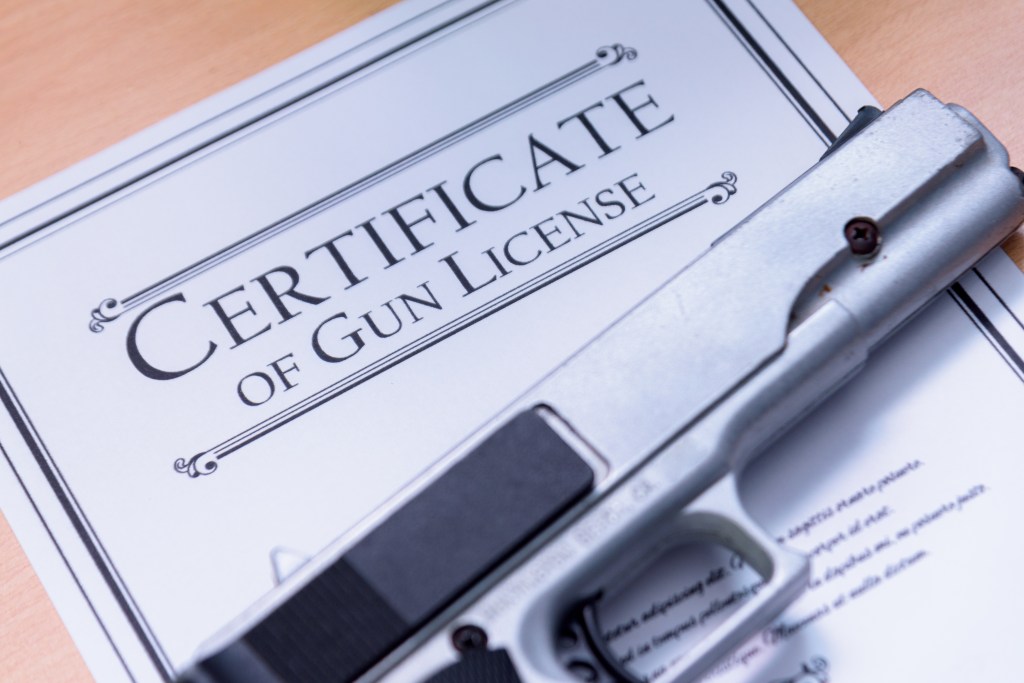
When gifting a firearm, it’s crucial to understand how insurance applies during the transfer process. Until the legal transfer is finalized, the firearm generally remains covered under the giver’s insurance policy.
Coverage before transfer
To ensure protection, the giver should proactively confirm that their insurance covers the firearm during transport, storage, and transfer. This step is vital, as unexpected events can occur, and being unprotected during any stage could lead to significant consequences. It falls to the giver to double-check their insurance policy for coverage details on transport, storage, and transfer windows.
Lastly, it’s advisable for the giver to consult their insurance agent regarding the details of any firearm transfer. Discussing the coverage in place and understanding when that coverage might end is critical. Since insurance providers vary in their policies, confirming coverage details with the agent can help avoid misunderstandings and ensure a smooth transfer.
Post-Transfer Insurance: What the Recipient Must Do
When ownership of a firearm changes hands, it is crucial for the new owner to understand the implications for insurance coverage.
Coverage after ownership change
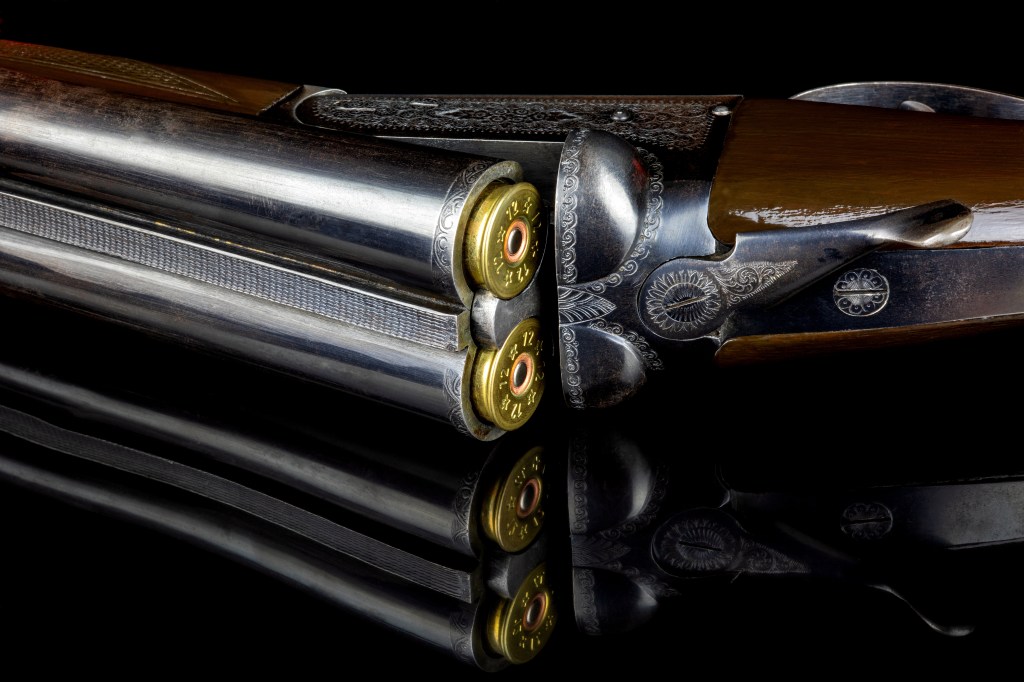
Once the recipient officially receives the firearm, they should obtain insurance coverage without delay. This proactive approach ensures that there is no lapse in protection, which could leave the new owner vulnerable to uninsured liabilities. Firearm coverage can vary significantly from one policy to another. Because of this variability, it is advisable to consult with an insurance agent. They can provide tailored guidance to ensure coverage aligns with specific needs and circumstances.
Liability Considerations After Gifting a Firearm
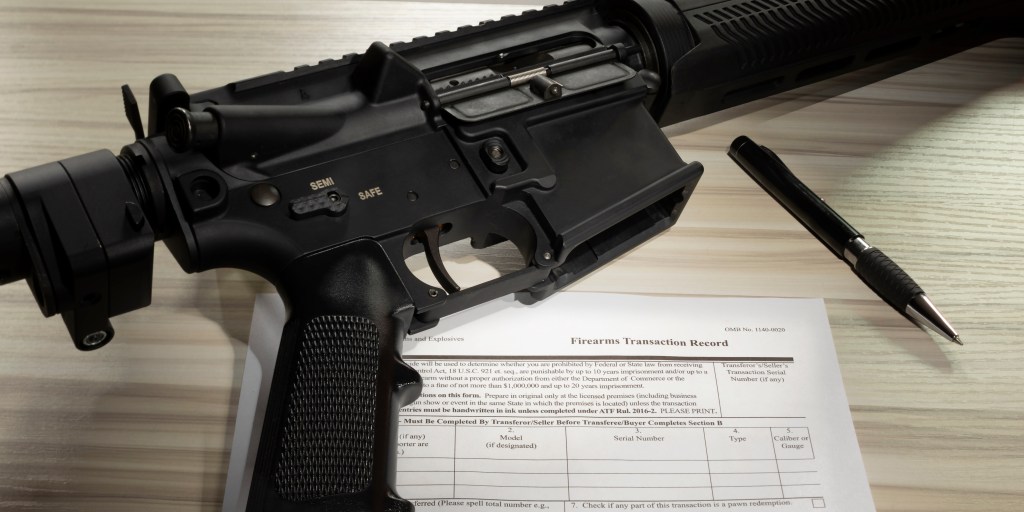
Collectors often have concerns about their responsibilities after the transfer. It is crucial to understand the legal implications of transferring ownership to ensure that liability shifts appropriately to the new owner.
To avoid post-transfer issues, ensure everything is in order during the gifting process. This entails ensuring that all legal requirements are met and documented thoroughly. Additionally, maintaining comprehensive records and documentation for the firearm handoff is imperative. Collectors should retain copies of all relevant papers and store them securely to confirm the legitimacy of the transfer.
Special Considerations for High-Value or Collectible Firearms
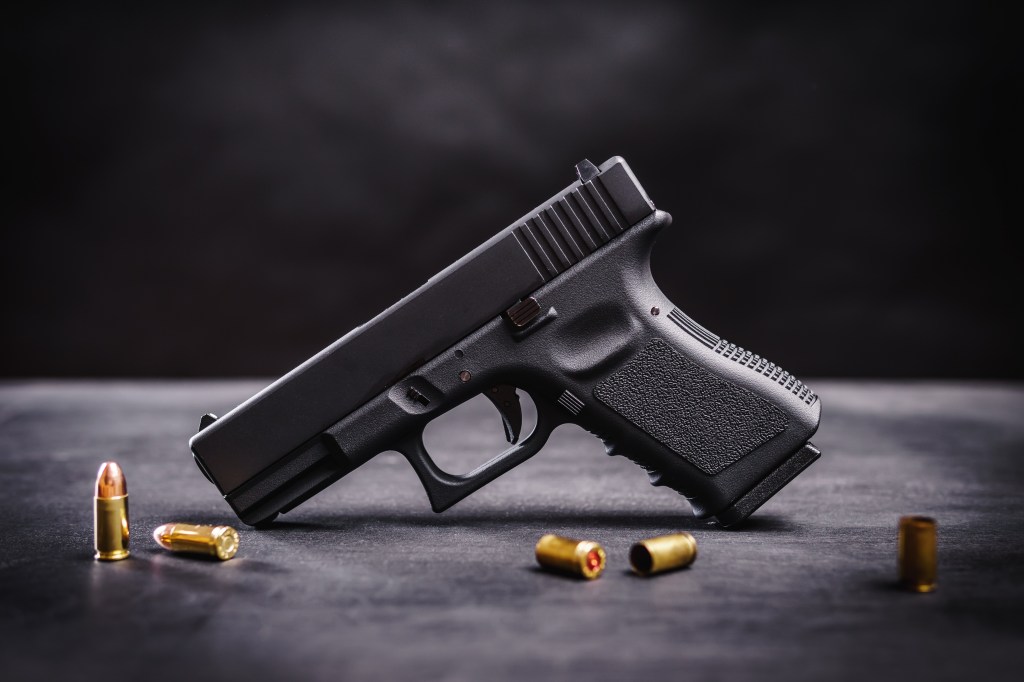
When gifting rare, antique, or custom firearms, it’s essential to approach the process with extra care to maintain their value. This involves obtaining thorough appraisals and keeping detailed provenance records that trace the firearm’s history and authenticity.
Securing tailored insurance can protect against potential loss or damage, ensuring the recipient values the gift properly. By taking these precautions, collectors can confidently present their prized firearms, knowing that their value will be preserved.
A Collector’s Checklist for Gifting Firearms Safely
Adopting a clear, responsible approach is essential to ensure a smooth transfer. The process begins with verifying the gift’s legality to ensure compliance with all local and federal laws. Once legality is confirmed, thorough documentation of the transaction is crucial to protect both parties.
Additionally, coordinating insurance before the transfer can help safeguard against potential mishaps or liabilities that may arise later. Confirm post-transfer coverage to ensure the recipient is protected with the firearm.
This article is intended for informational purposes only and you should not interpret anything contained in it as legal advice. Collectibles Insurance Services, LLC, its parents, affiliates, and anyone connected with them are not responsible or liable in any way for your use of the information contained in or linked to from this article. Reliance on the information provided in this article is solely at your own risk. If you have questions about gun laws or any of the topics addressed in the article, you should contact an attorney or subject-matter expert.
Sources
https://www.nssf.org/articles/giving-a-firearm-as-a-gift-some-reminders-from-nssf/
https://www.vedderholsters.com/blog/can-you-give-a-gun-as-a-gift/
https://www.agirlandagun.org/how-to-legally-gift-a-gun-a-practical-holiday-guide/
https://paymentnerds.com/blog/how-to-transfer-gun-ownership-to-family-legally/
https://www.usconcealedcarry.com/blog/how-to-give-a-gun-as-a-gift/
https://www.reddit.com/r/VAGuns/comments/1i2ymn2/gun_gifting/
https://www.uslawshield.com/gift-givers-guide-to-guns/
https://www.usconcealedcarry.com/resources/federal-ccw-law/federal-private-firearm-transfer-laws
https://www.thefirearmfirm.com/blog/2018/december/gifting-or-selling-a-firearm-across-state-lines
https://paymentnerds.com/blog/how-to-transfer-gun-ownership-to-family-legally