
Choosing a Firearm Training Path: Your Guide to Effective Learning
Explore essential tips for selecting the right firearm training path to enhance your skills and confidence. Start your journey to effective learning today!
Choosing a Firearm Training Path: Why Collectors Should Train Strategically
In the world of firearm collection, the emphasis often lies on acquisition and preservation, but proficiency and safety are equally important. As collectors embark on their training journeys, understanding the various firearm training options available can enhance their skills and ensure responsible ownership.
This guide outlines the key factors in choosing a firearm training path, helping collectors develop their skills while prioritizing safety and value. For personalized advice, consulting a subject matter expert is always recommended.
Private Instructor: Precision Coaching and Personalized Growth
Private firearm instruction is an effective way to enhance shooting skills, particularly for individuals with specific objectives or unique firearms. This personalized approach not only fosters a comfortable learning environment but also accelerates improvement through targeted coaching.
Tailored instruction
One significant advantage of one-on-one lessons is the tailored instruction provided by experienced instructors. These lessons are customized to fit the unique requirements and goals of each student, whether they are using long-range rifles or historic firearms. This personalized attention helps students grasp concepts more effectively, leading to marked improvements in their shooting abilities.
Feedback
Immediate feedback is a cornerstone of effective learning in a private instruction setting. Instructors provide real-time insights on crucial aspects such as stance, grip, alignment, situational awareness, and trigger control. This timely feedback is invaluable, especially for new shooters who greatly benefit from adjustments made during practice, allowing them to progress more swiftly.
Goal-oriented
Private lessons are inherently goal oriented. Instructors adapt their teaching pace and methods to align with students’ individual objectives, ensuring sessions are both productive and motivating. This personalized approach allows students to focus on their specific shooting goals, whether they include accuracy, speed, or mastering a particular technique.
Flexibility
Another advantage of private instruction is its inherent flexibility. Sessions can be scheduled to accommodate the student’s busy life, making it easier for individuals to fit training into their routine. Additionally, private lessons provide a level of privacy that can be beneficial for beginners who may feel hesitant or intimidated in group settings. This comfortable environment fosters confidence, allowing students to learn at their own pace without the pressure of peers.
Personalized lessons
Instructors who offer private firearm coaching place a strong emphasis on personalizing lessons to match each student’s skill level. This individualized approach ensures that all students, regardless of background or experience, receive the support and guidance they need to improve their shooting skills. By focusing on each student’s specific needs, instructors can create a meaningful and impactful learning experience.
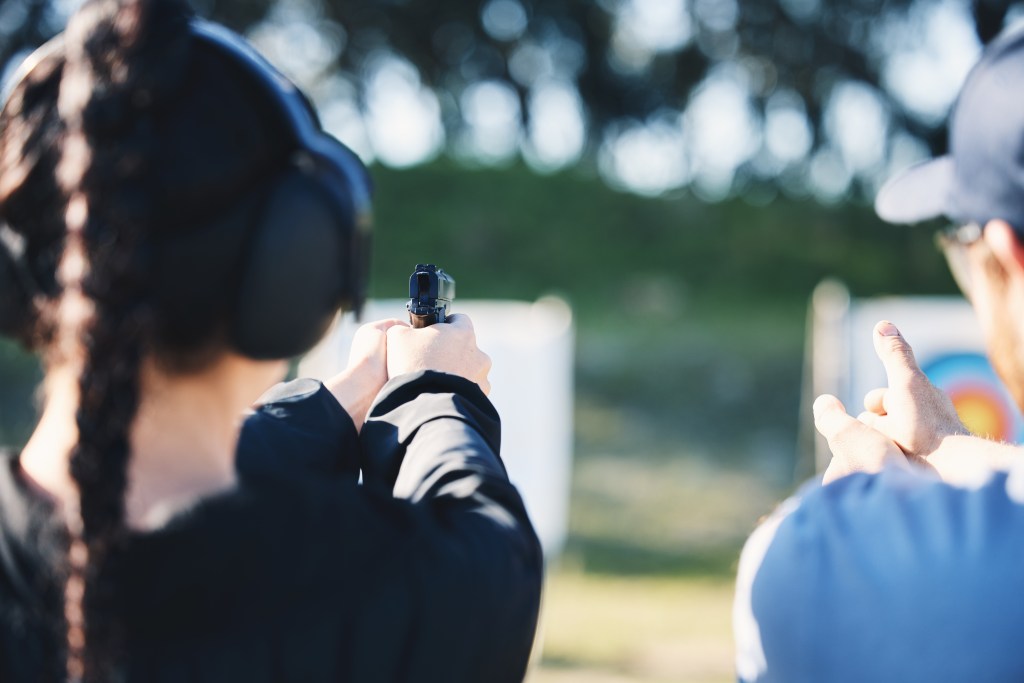
Group Range Classes: Structured Learning with Shared Energy
Group firearms training offers a unique and supportive environment for individuals looking to develop their shooting skills and understanding of gun safety. These classes cater to a range of skill levels, making them a popular choice for both beginners and those looking to refresh their knowledge.
Foundational skills
One of the primary benefits of group classes is the emphasis on foundational skills and safety reinforcement. These classes typically follow a structured curriculum that covers essential topics, such as firearm safety and the fundamentals of shooting. This ensures that every participant, regardless of experience, has the foundational knowledge necessary to handle firearms responsibly.
Collaborative
Learning alongside peers creates a collaborative atmosphere that can enhance the educational experience. Participants often find it beneficial to share their experiences, ask questions, and learn from each other. This group dynamic can ease the pressure on beginners, allowing them to progress steadily without the fear of making mistakes in front of an instructor.
Cost-effective
Group classes are often more affordable than private lessons, making them an attractive option for those on a budget. While participants may receive less individualized attention, the benefits of learning in a group setting—such as shared insights and encouragement—can outweigh this downside, especially for novices.
Ideal for beginners
For beginners, group classes can be an excellent choice due to their structure and supportive environment. The shared learning experience allows newcomers to grasp essential concepts alongside others who are also beginning their firearms training journey. This setting fosters a sense of camaraderie and collective growth that can be motivating and reassuring for those entering the world of firearms.
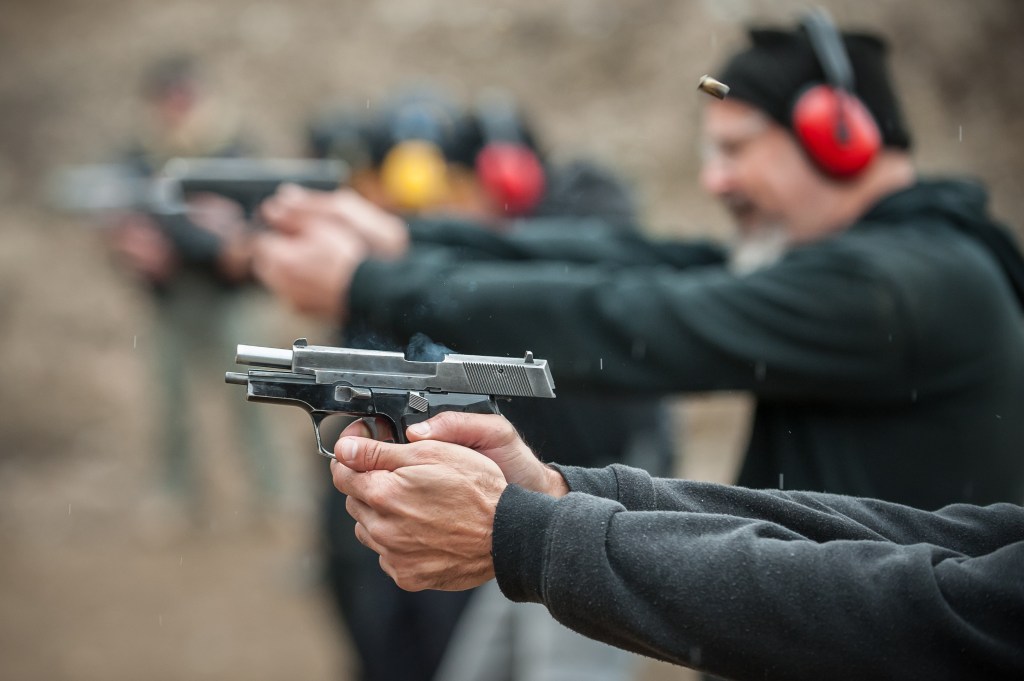
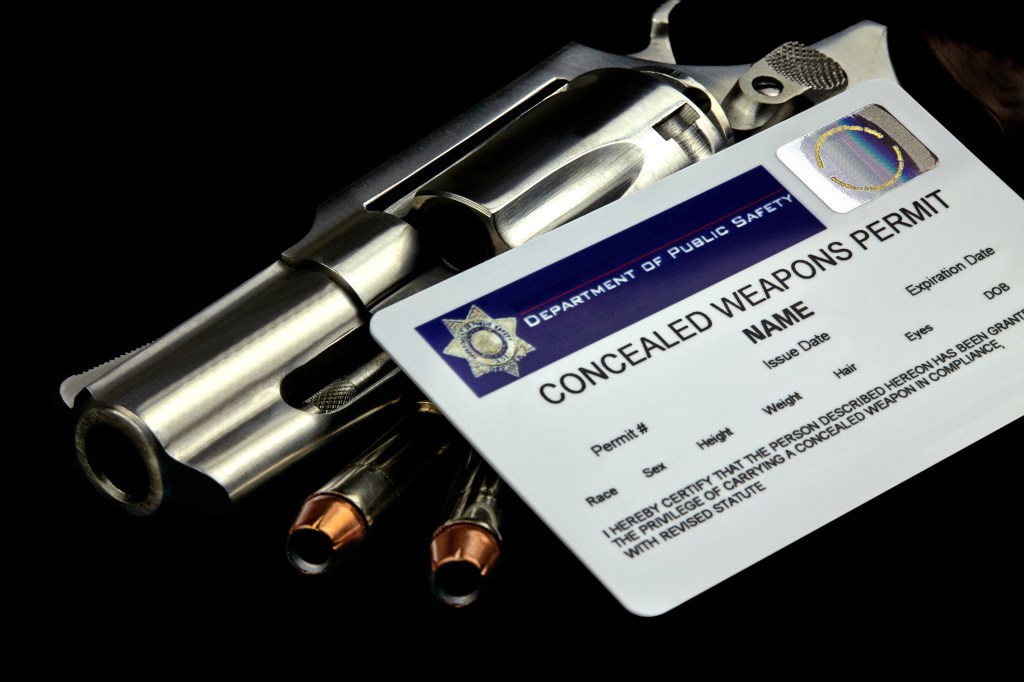
Concealed Carry & Certification Courses: Compliance Meets Competence
Certification classes serve as essential training programs for firearm owners, focusing on legal knowledge, safe handling, and the fundamentals of defense. These courses are particularly beneficial for collectors who handle or transport firearms, as they provide a structured environment for acquiring necessary skills and understanding legal responsibilities.
Importance of concealed carry courses
Concealed carry courses are pivotal for anyone looking to carry a firearm discreetly. These courses educate participants not only on the legal aspects of concealed carry but also on the ethical use of force, helping individuals make informed, responsible decisions in critical situations. Concealed Carry Weapon (CCW) courses offer a comprehensive training experience that combines legal, technical, and practical elements for carrying a concealed pistol. Participants gain hands-on experience while learning the intricacies of safely managing their firearms in various scenarios.
Key components
A well-structured firearms training class will cover essential topics such as firearm safety, conflict avoidance, situational awareness, defensive shooting fundamentals, and the legal use of force. These components are crucial for developing a well-rounded understanding of responsible firearm ownership and usage. To ensure quality education and safety, it is vital that courses are taught by certified trainers. Instructors affiliated with nationally recognized organizations, such as the National Rifle Association (NRA), provide the necessary expertise to equip students with the skills needed for safe firearm handling and self-defense.
For those who have mastered the basics, advanced concealed carry courses are available to improve marksmanship, rifle handling, or defensive shotgun training. These courses cater to experienced shooters looking to refine their skills and boost their confidence in safely and effectively using firearms.
Long-Range Shooting Courses: Expanding Technical Capability
Advanced rifle courses offer a comprehensive exploration of shooting techniques and equipment, elevating a collector’s understanding and proficiency. These courses cover essential topics such as ballistics, wind reading, optics setup, and positional shooting, equipping participants with both practical skills and insights into the mechanics of precision rifles.
Mastering long-range shooting
Long-range shooting is not merely a skill set but a commitment that requires continuous practice and dedication. Enthusiasts must fine-tune their fundamentals, focusing on essential techniques such as wind reading. Variables such as spindrift, altitude, temperature, and station pressure are beyond the shooter’s control, making mastery of these factors crucial for success in long-range scenarios.
Key skills and techniques
Participants in advanced rifle courses learn a variety of indispensable skills, including the proper use of scopes, operating ballistic rangefinders, and utilizing ballistic solvers. Additionally, the courses often incorporate tripods, enhancing stability and accuracy during shooting sessions. These skills are vital for anyone serious about improving their long-range shooting capabilities.
Benefits of shooting ranges
Shooting ranges offer participants an invaluable opportunity to gain hands-on experience in a controlled environment. Course attendees can practice their newly acquired skills, receive real-time feedback, and experiment with different techniques. This setting ensures that shooters can refine their abilities safely and effectively, setting the foundation for becoming proficient marksmen.
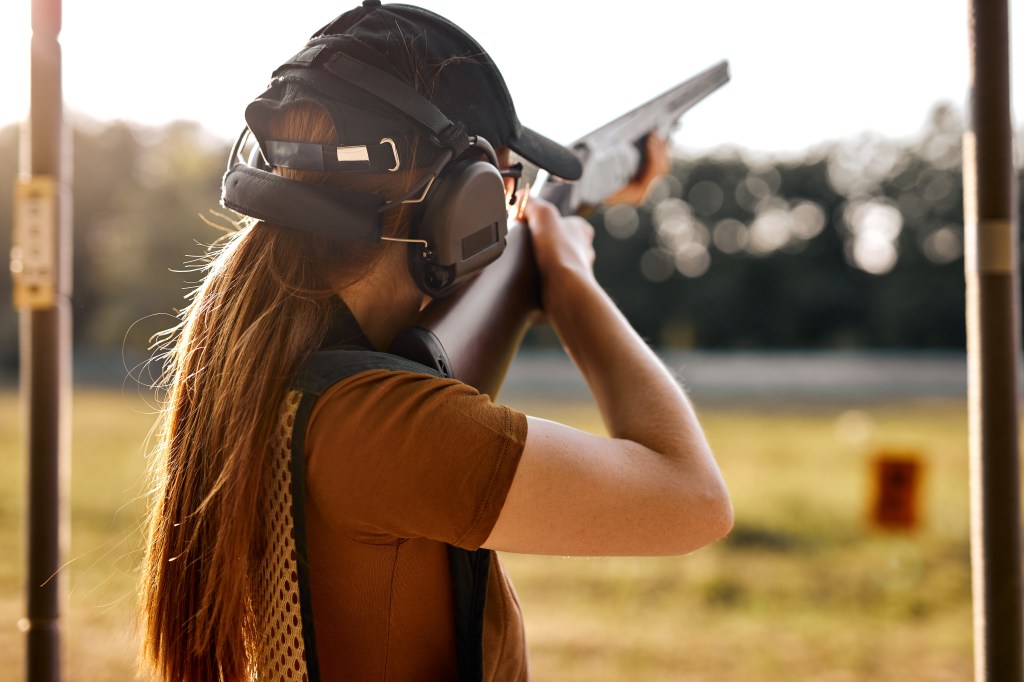
Gun Clubs: Community, Access, and Ongoing Practice
Joining a shooting club offers numerous advantages for both novice and experienced shooters.
Gun club membership benefits
- Regular Range Access: One of the primary benefits of club membership is regular access to shooting ranges. Members can practice their skills at their convenience, ensuring they have ample opportunities to improve. A shooting range membership provides regular practice opportunities, which are key to improving accuracy and control.
- Mentorship Opportunities: Memberships often include access to exclusive training sessions with professional instructors. This mentorship can significantly enhance the learning curve for beginners, allowing them to gain valuable insights and tips from experienced members.
- Competitions and Events: Membership in a shooting club often includes opportunities to compete in various events. These gatherings allow members to showcase their skills and create a welcoming environment of friendly competition.
- Cost Savings and Exclusive Access: Many shooting ranges offer financial benefits to their members, such as reduced or waived range fees. A shooting range membership can offer family-friendly benefits, making it a great option for families to enjoy the sport together. Additionally, members often gain exclusive access to local shooting events and competitions, providing unique opportunities to connect with the shooting community.
- Training and Safety Education: Safety is paramount in shooting sports, and club memberships frequently include access to safety training and education programs. These programs are designed to improve members’ understanding of firearm safety practices, ensuring a safer shooting environment for everyone involved.
- Priority Equipment Access: Another advantage of club membership is the opportunity for priority access to new equipment and firearms. Members can stay informed about advancements in firearm technology, which can be crucial for both safety and performance in the field.
Comparing Cost, Progress, and Long-Term Value
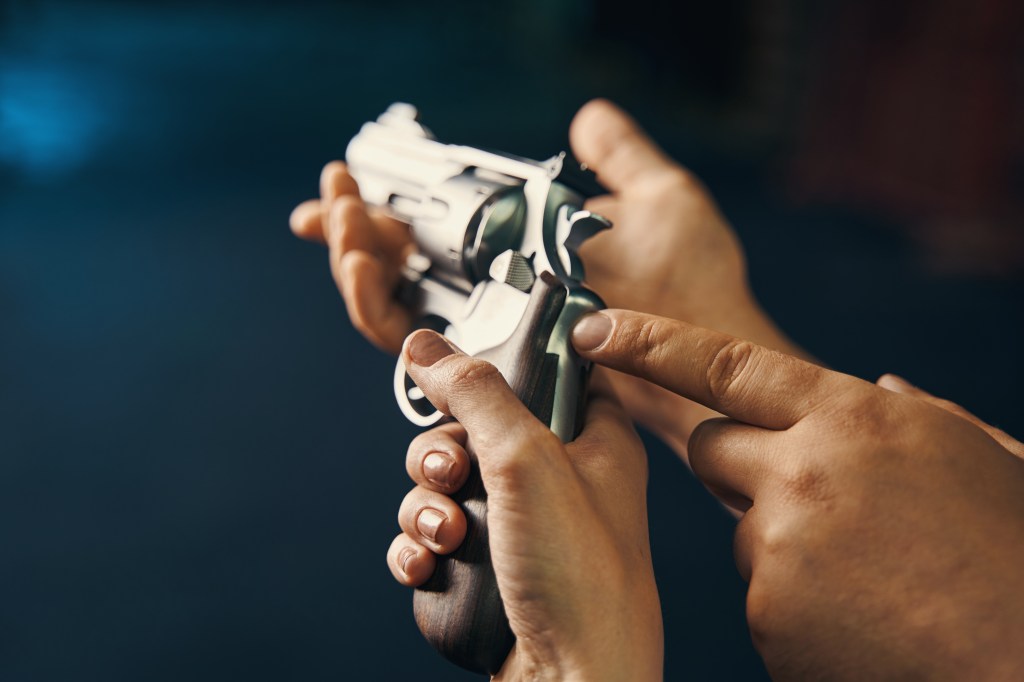
When it comes to firearm training, selecting the right path is crucial for both skill development and safety. The options available are diverse, encompassing private lessons, group classes, and club memberships, each catering to different learning styles and goals.
Private lessons
Private lessons tend to have a higher upfront cost but can be the ideal starting point for accelerating skill development. This tailored approach allows instructors to focus exclusively on an individual’s needs, ensuring a personalized learning experience that can expedite mastery of firearms.
Group classes
Group classes provide a balanced option, combining cost-effectiveness with structured learning in a classroom-like setting. In this environment, participants can benefit from shared experiences and diverse interactions while still receiving essential instruction in firearm safety and handling techniques.
Essential lessons for all shooters
Regardless of the chosen training format, certain fundamental lessons are vital for all shooters.
- Emphasis on Safety: Safety training is a critical component that includes lessons on proper grip, trigger control, and safe firearm storage. Instructors consistently highlight the importance of not placing a finger on the trigger until one is ready to fire, reinforcing precautions that protect both the shooter and those around them.
- Real-Life Simulations: To enhance the learning experience, many training programs incorporate simulations of real-life, high-threat encounters. This preparation equips students with the skills and mindset needed to handle potential real-world situations effectively.
- Live-Fire Training: Many firearm training programs also provide live-fire, hands-on training under strict safety protocols. Engaging with real weapons during training increases comfort and competence, ensuring that participants gain practical experience in a controlled environment.
Matching Training to Your Collection Goals
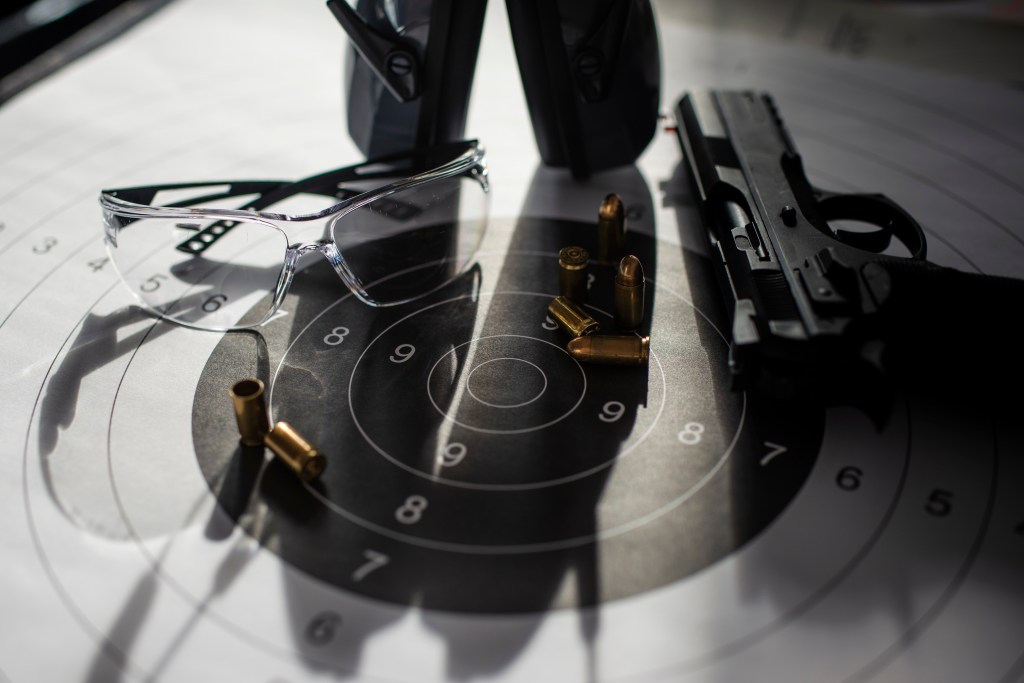
When it comes to firearms instruction, aligning training with your specific collection can significantly enhance both relevance and effectiveness.
Collector firearm education
A precision rifle collector, for instance, would greatly benefit from advanced ballistic instruction, while a handgun collector may place a higher priority on developing defensive skills. Understanding the nuances of different firearms can guide collectors in choosing the appropriate educational paths to improve their proficiency.
Recommended training courses
Several training institutions stand out for their comprehensive programs:
SIG Sauer Academy
SIG Sauer Academy offers a variety of advanced firearm courses, including defensive handgun skills and advanced rifle training, catering to novice and experienced shooters alike.
Gunsite Academy
Gunsite Academy is known for its focus on the Modern Technique of the Pistol and provides a broad range of courses, including defensive shotgun classes. Their rigorous instructor screening process ensures high-quality training. Gunsite Academy also features a Ladies 150 Basic Pistol class taught by world-class Rangemasters, making it an inclusive option for women.
Tactical Response
Tactical Response specializes in tactical training that is applicable for civilians, law enforcement, and military personnel. Their Fighting Pistol course is particularly suitable for beginners, emphasizing a defensive mindset and real-world scenarios.
Advanced Tactical Training
Advanced Tactical Training offers specialized courses in close-quarters combat (CQB) and low-light shooting, enhancing skills for varied tactical contexts.
NRA
Lastly, the NRA Basic Pistol Course remains a well-regarded choice for beginners seeking to learn essential firearm safety and handling.
Insurance Considerations: Training as Risk Mitigation
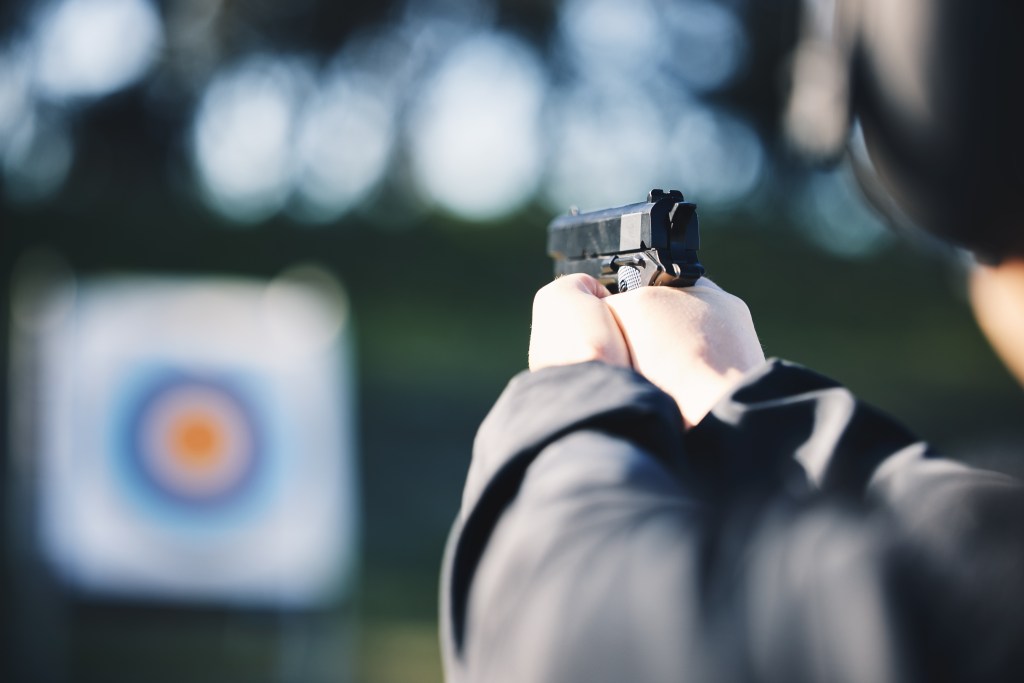
Formal firearm training is essential for demonstrating responsible ownership and significantly reducing the risk of negligent handling. Although it may not always lead to direct discounts on insurance premiums, having documented training can enhance your overall insurance profile.
Additionally, it’s wise to consult your insurance provider for any specific requirements or options regarding firearm training, as these can vary by provider.
Building a Long-Term Training Strategy
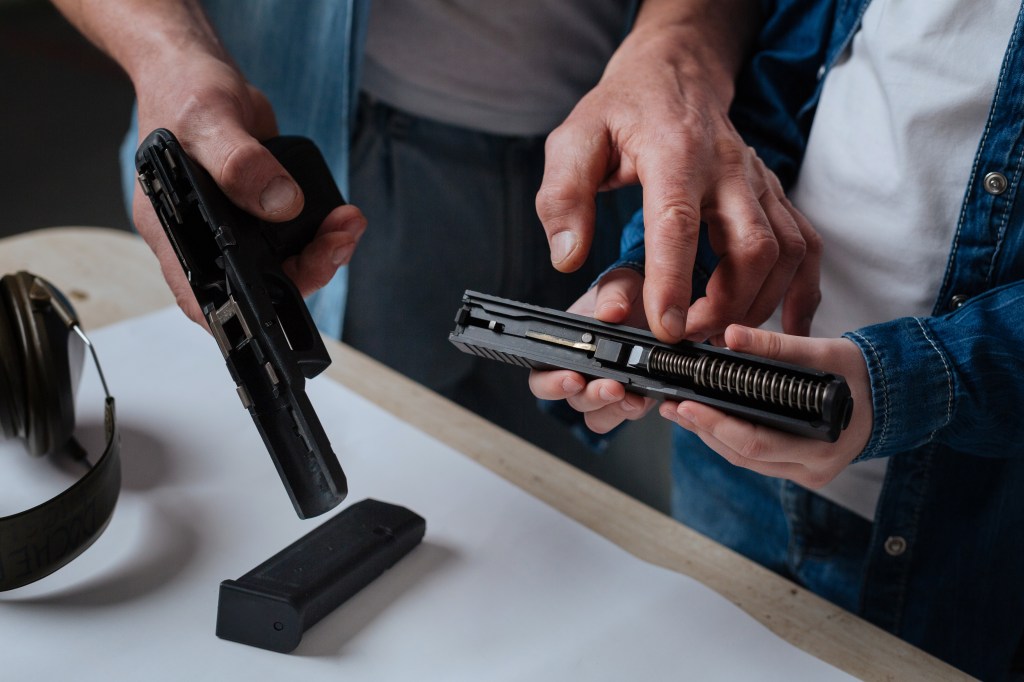
The most successful collectors of firearms blend various methods to enhance their skills and knowledge. They offer private coaching for refinement, group classes for structure, and clubs for regular practice. This approach builds competence and ensures the quality of a collection matches the collector’s skill level.
In-person training courses often offer a more hands-on experience than online alternatives. For beginners, basic safety courses, which typically last between 4 – 6 hours, are often classroom-based and serve as a foundational step. Researching local training options and thoroughly reading reviews can be invaluable in finding a reputable instructor or course that meets individual needs.
When selecting a training program, several critical factors should be evaluated. Assessing safety standards is crucial for a secure learning environment. Training should meet state-specific permit requirements, which vary widely. Lastly, select a course that aligns with your goals—self-defense, competition, or recreational shooting—to enhance your training experience.
This article is intended for informational purposes only and you should not interpret anything contained in it as legal advice. Collectibles Insurance Services, LLC, its parents, affiliates, and anyone connected with them are not responsible or liable in any way for your use of the information contained in or linked to from this article. Reliance on the information provided in this article is solely at your own risk. If you have questions about gun laws or any of the topics addressed in the article, you should contact an attorney or subject-matter expert.
Sources
https://freedomarmory.com/blog/why-private-lessons-on-a-gun-range-are-worth-the-investment/
https://www.jminstruction.com/private-vs-group-firearms-training-which-one-actually-moves-the-needle/
https://www.usconcealedcarry.com/blog/how-to-find-the-right-concealed-carry-class/
https://tractoptics.ca/videosview/attending-a-long-range-shooting-course-2/
https://calibremag.ca/gun-club-tips/
https://www.silvercore.ca/blog/common-gun-club-questions-and-answers