
Essential Gun Cleaning Table Safety Tips for Every Firearm Owner
Master essential gun cleaning table safety tips every firearm owner should know to prevent accidents and ensure responsible maintenance. Read more now!
Gun Cleaning Table Safety: Why the Workbench Is a Critical Safety Zone
When it comes to handling firearms, safety must always be the top priority, especially during cleaning and maintenance. Negligent discharges, which often occur during routine handling, can pose serious risks to collectors, their collections, and others in the vicinity. Some of this may sound like common sense, but the cleaning table is exactly where small lapses in attention can create serious risk.
By establishing a disciplined workbench routine, firearm enthusiasts can significantly reduce the likelihood of accidents and ensure a safer environment. This guide aims to provide essential tips and insights into gun cleaning table safety and negligent discharge prevention. This guide serves as a general resource. For additional information and expert advice, please consult subject matter experts.
Step One: Always Clear the Firearm Before It Touches the Table
Cleaning a firearm is an essential maintenance task that ensures its longevity and proper functioning. However, safety should always be the top priority before initiating any cleaning process. By adhering to strict safety procedures, you can significantly reduce the risk of accidents involving firearms.
Basic firearm safety rules
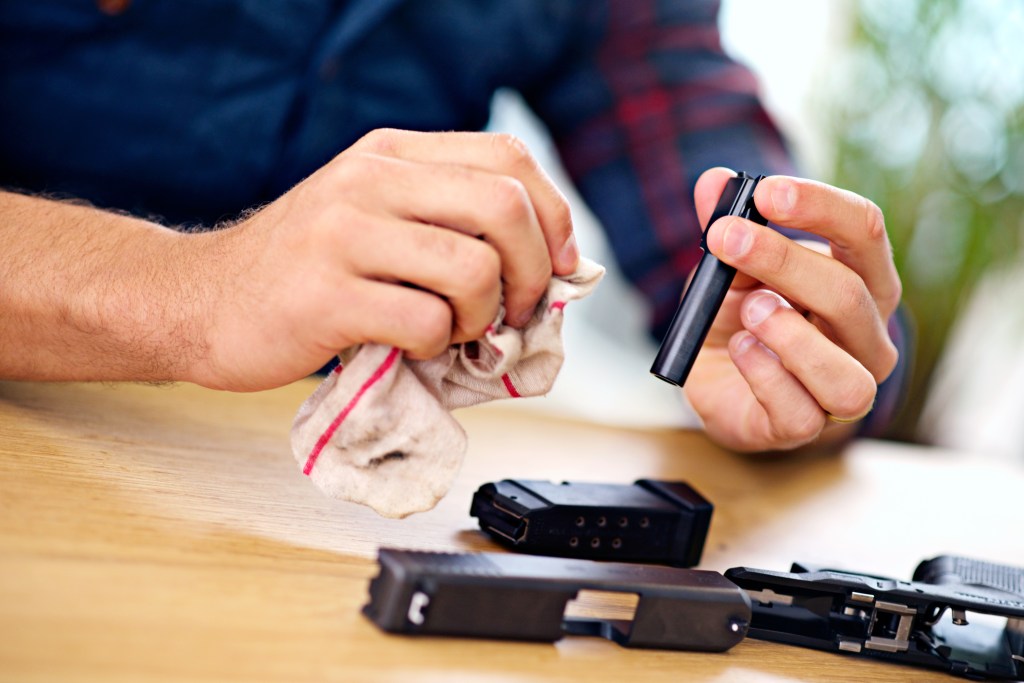
Always treat the gun as if it’s loaded and follow the same safety rules accordingly. Point it in a safe direction and keep the muzzle under control. Before beginning any cleaning, it is crucial to confirm that the firearm is completely unloaded and free of ammunition. This step cannot be overstated, as it is the foundation of safe firearm handling. Always perform a physical and visual inspection of the chamber, magazine well, slide, and any accessible internal areas to eliminate any doubt. This thorough check addresses the most common cause of cleaning-related accidents.
Separate Ammunition from the Cleaning Area
Creating a safe cleaning environment for firearms is essential for preventing accidents and ensuring the integrity of both the firearm and ammunition. The following practices highlight the importance of responsible gun cleaning and ammunition storage.
The importance of safe ammo storage
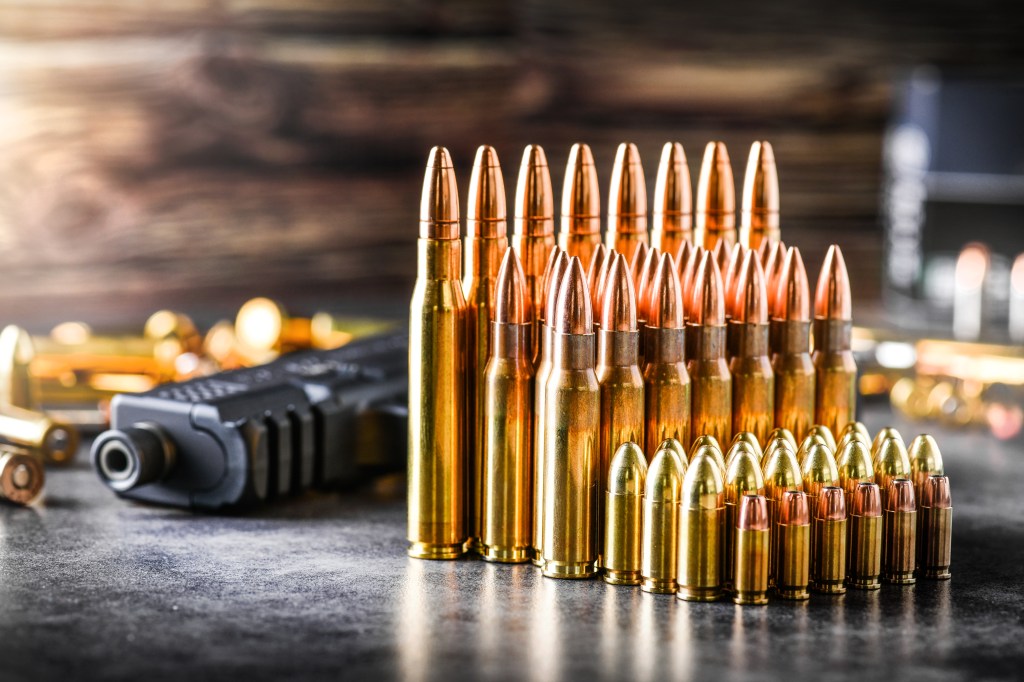
A safe cleaning environment begins with proper ammunition storage, keeping it away from the work surface. By removing live rounds from the immediate area, the risk of accidental chambering is significantly reduced, enhancing the safety of the cleaning process. It is important to choose an appropriate storage location, maintain ideal temperature and humidity levels, and organize ammunition for easy access.
Prioritizing safe handling
Safety should always be the top priority when handling ammunition. Correct storage and organization are key to minimizing the risk of accidents and ensuring that ammunition remains reliable. It’s crucial to keep ammunition away from heat sources and open flames, as excessive heat can cause corrosion and compromise its integrity.
Best practices for storing ammunition
For safe ammunition storage, keep it away from children and unauthorized individuals, and avoid storing it with firearms. Labeling ammunition can prevent mix-ups and ensure the correct type is used.
- Ideal Storage Conditions: For optimal protection, always store ammunition in a cool, dry place in containers specifically designed for this purpose. Avoid exposing ammunition to impacts, dropping it, or leaving it in direct sunlight, as these conditions can pose safety and performance risks.
- Understanding Laws and Regulations: Lastly, be aware that laws and regulations in your area may govern how much ammunition you can store and how you store it. It is crucial to stay informed about the laws in your jurisdiction to ensure compliance and maintain safety standards.
Setting Up a Dedicated Gun Cleaning Bench
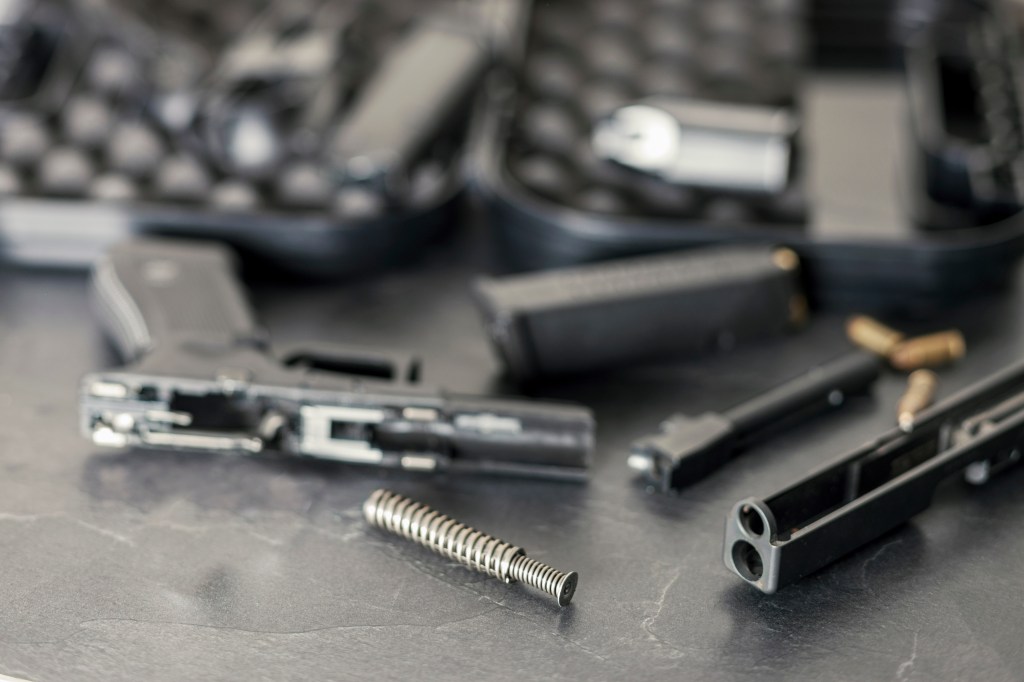
A proper workbench is essential for any gun owner as it keeps tools organized and ensures firearms remain stable during maintenance. An effective workspace helps complete tasks efficiently and significantly reduces the risk of mistakes.
- Choosing the Right Location: When setting up your gun cleaning workspace, location is crucial. Opt for a well-ventilated area with ample natural light or good artificial lighting. This enhances safety and ensures clear visibility for careful maintenance tasks.
- Ensuring a Stable Work Surface: The work surface itself is a key component of your bench setup. It’s important to have a table or bench securely bolted down to prevent instability while you work. Investing in a quality gun vise is wise; it securely holds the firearm for safer maintenance.
The Role of Gun Cleaning Mats and Work Surfaces
Cleaning mats protect both the firearm and the table while preventing small parts from rolling away. They also help contain solvents and oils that can damage surfaces or finishes.
Protection for firearms and surfaces
One of the primary benefits of using a gun cleaning mat is its ability to protect both the firearm and the surface on which you’re working. Cleaning mats prevent small parts from rolling away, reducing the risk of losing critical components during maintenance. Use a mat or tray to keep your work area organized during cleaning.
Choosing the right cleaning mat
Choosing the right gun cleaning mat is a matter of personal preference, but key factors include a good fit for your bench, a non-slip surface, and thickness for durability. An easy-to-clean and absorbent mat enhances the cleaning process. Many mats also provide printed instructions for specific firearm models and help stabilize the gun for a safer cleaning experience.
Using a mat on shared surfaces
If you don’t have a dedicated workbench and are utilizing a desk or kitchen table instead, a cleaning mat becomes even more critical. It helps prevent potential damage to these surfaces, allowing you to maintain your firearm without worrying about stains or scratches. Avoid cleaning firearms on surfaces used for eating or drinking to prevent contamination.
Maintaining Muzzle Discipline Even During Cleaning
When working at the bench, it is crucial to remember that basic firearm safety rules still apply. Keeping the muzzle pointed in a safe direction is paramount. This practice helps to prevent catastrophic outcomes that could occur if a firearm is accidentally loaded. Safety should always be the top priority, regardless of the situation.
Even if you are certain that the firearm is unloaded, adhering to basic firearm safety rules remains essential. Always ensure that the muzzle is pointed in a safe direction. Pay close attention to what you are doing to mitigate the risks of inadvertent firearm discharge. Additionally, always keep your finger off the trigger unless you are ready to shoot. This simple guideline helps to prevent unintentional discharges and reinforces the importance of responsible firearm handling. Never point the firearm at anything that you do not intend to shoot, and always remain aware of what would be in the line of fire if the muzzle were directed toward a target area by mistake.
Organizing Tools to Prevent Handling Errors
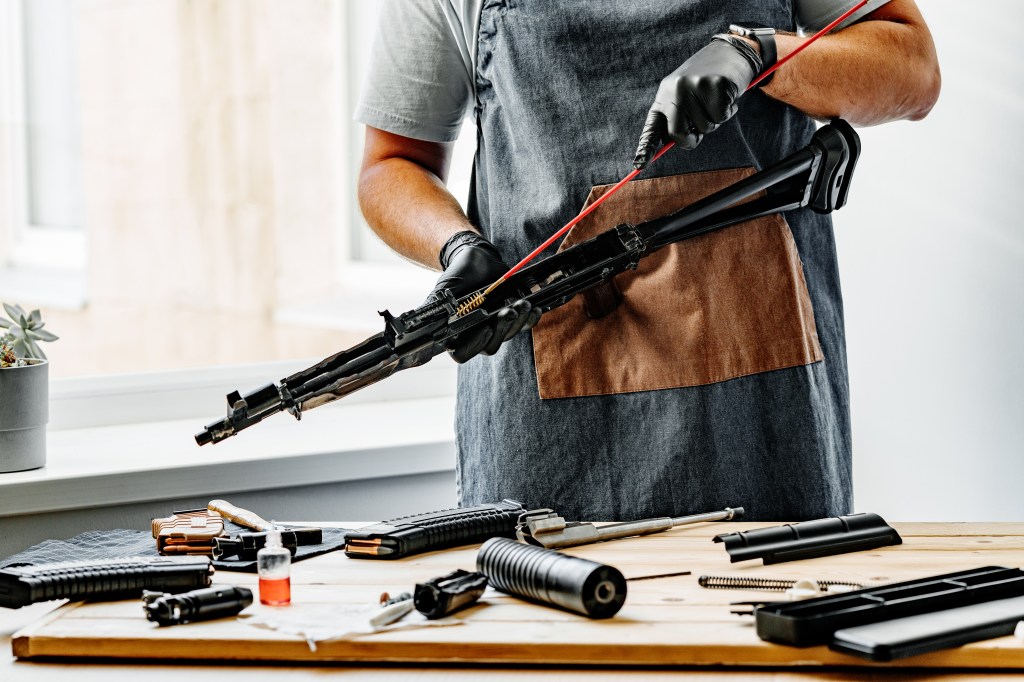
Disorganized workspaces can lead to unnecessary handling of firearms and distractions, posing safety risks. When cleaning firearms, it’s crucial to maintain an organized environment. Keeping brushes, rods, solvents, and patches organized improves efficiency and enhances safety during the cleaning process. By minimizing the risk of accidents, a tidy workspace contributes to a more focused and responsible approach to firearm maintenance.
To create an effective gun cleaning workspace, it’s essential to gather the right equipment. This includes necessary gun-cleaning supplies, such as a cleaning mat, various oils and solvents, and the firearm owner’s manual. Having these items readily accessible and organized allows for a smoother cleaning experience and helps prevent mistakes that could lead to mishandling the firearm. If you need to take a break, step away only after the firearm is cleared, stable, and positioned safely on the mat or bench.
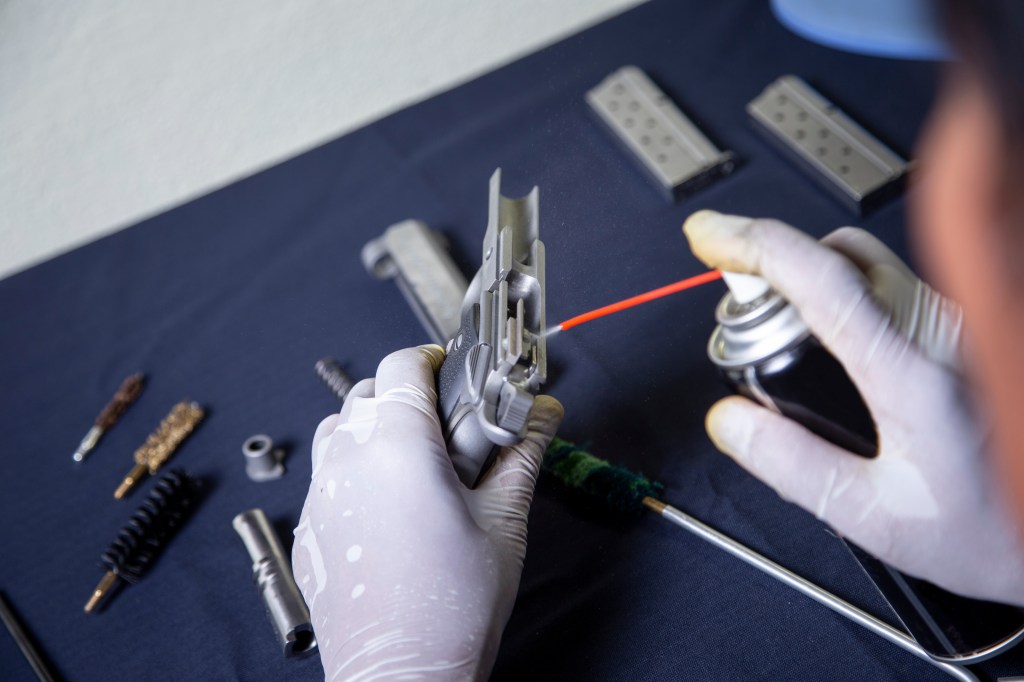
Moreover, safety and protection should always be a priority in a gun-cleaning setup. It’s advisable to keep a fire extinguisher nearby and personal protective equipment (PPE), such as gloves and safety glasses. Using an easy-to-clean workbench mat can also help maintain a safe environment.
Common Gun Cleaning Mistakes That Lead to Accidents
Cleaning firearms requires careful attention to safety to prevent negligent discharges. Common causes of accidental discharges include cleaning with ammunition nearby, neglecting to perform chamber checks, becoming distracted during the process, or rushing while handling firearms on the bench. Developing consistent safety habits can greatly reduce these risks and ensure a safer cleaning experience.
Neglecting gun safety protocols
One of the crucial aspects of gun cleaning is never to assume you’re working with an unloaded gun. Always double-check that the gun is unloaded before starting the cleaning process. Store firearms in a locked safe or cabinet immediately after cleaning for security. Eliminate distractions, like TV, while cleaning and avoid cleaning under the influence of alcohol or prescription drugs. Always practice responsible gun ownership.
Skipping personal protective equipment
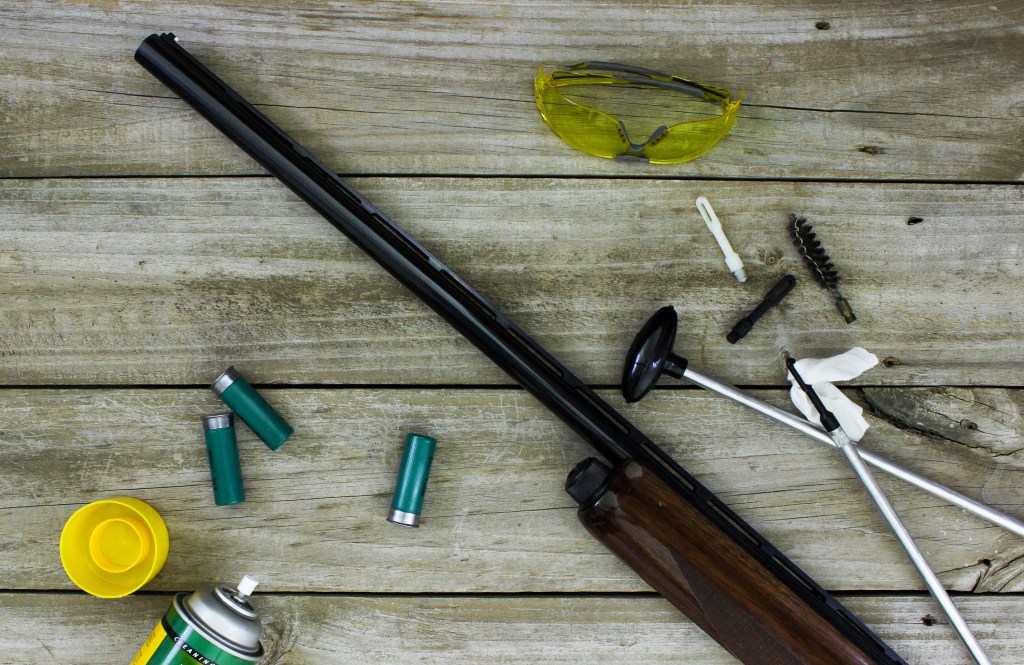
Using personal protective equipment (PPE) is vital while cleaning firearms. Oils, solvents, and cleaners may be harmful, so be sure to have PPE readily available and fully stocked. Wear eye protection to shield against debris and solvents. Use nitrile or latex gloves when cleaning to minimize exposure to harmful substances and keep oils, solvents, and metal residue off your skin. Afterward, wash your hands thoroughly with soap and water to remove any residues.
Disregarding the owner’s manual
To ensure compliance with safety guidelines, always consult the owner’s manual for your firearm. Refer to the owner’s manual for disassembly and cleaning instructions specific to your gun. Always check local regulations for the proper disposal of hazardous cleaning products to ensure safety and environmental responsibility.
Tools and equipment
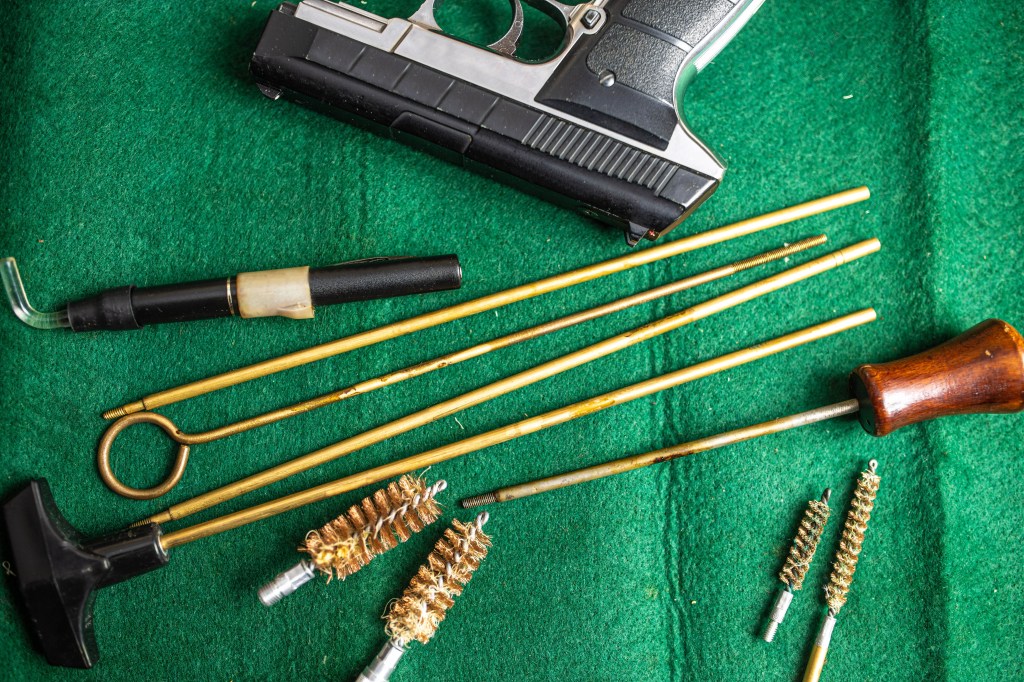
Neglecting to invest in quality tools and equipment can lead to problems. Using high-quality cleaning products and tools specifically designed for firearms is essential for effective maintenance. The right tools can also help prevent damage to your firearm and facilitate deep cleaning. A comprehensive gun cleaning kit should include essential items such as a cleaning rod, bore brush, cleaning patches, solvent, lubricant, a cleaning mat, and a dry cloth or microfiber cloth to wipe down exterior metal surfaces. For handguns, pay particular attention to areas such as the slide rails, where fouling and old lubricant can affect smooth cycling, accuracy, and long-term service life.
Irregular maintenance and cleaning
Regular cleaning and maintenance are necessary to ensure the safe and effective operation of firearms. Carry guns should undergo regular inspections, function checks, and cleaning, especially if they are exposed to sweat, lint, holster wear, or daily handling. Cleaning frequency depends on usage, ranging from semi-annually to after every box of ammunition. Hunting rifles should be cleaned at the start and end of the season, while handguns should be cleaned after each trip to the shooting range, especially if used for defense. A dirty gun can pose safety hazards due to buildup, rust, and corrosion, leading to malfunctions, so be sure to clean all the nooks and crannies – don’t skip the springs, barrel, or trigger.
Improper gun storage
Once cleaning is complete, it is essential to store firearms immediately in a locked safe or cabinet. This practice is of utmost importance, as it protects the firearm and ensures that it is secure from unauthorized access, reinforcing responsible gun ownership. Prioritizing safe storage habits is a crucial component of firearm maintenance and safety.
Collector Considerations: Protecting Valuable Firearms During Maintenance
Collectors of rare or historic firearms must handle them with care to preserve their condition, accuracy, finish, and value. Setting up stable workbenches with protective mats is essential to avoid scratches or damage during maintenance. A controlled environment, with attention to temperature and humidity, further safeguards these collectibles. By focusing on safety and proper cleaning procedures, enthusiasts can effectively protect their investments while enjoying their passion.
Building a Repeatable Gun Cleaning Safety Routine
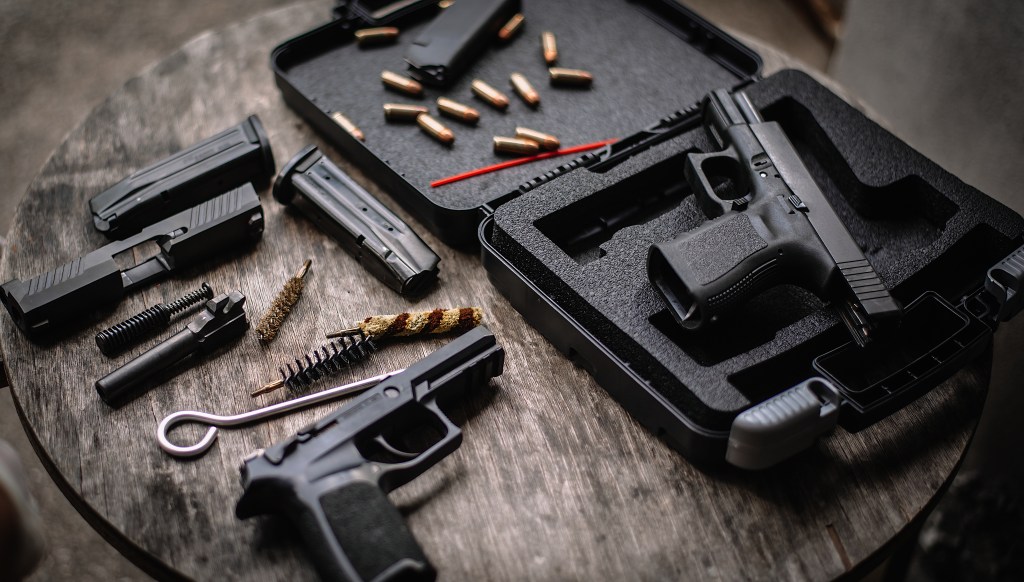
Safe gun cleaning practices hinge on consistency and discipline. By routinely clearing the weapon, removing ammunition, preparing the workspace, and maintaining strict muzzle discipline, collectors can greatly minimize the risk of negligent discharges. Collectors of rare or historic firearms must handle them with care to preserve their condition, accuracy, finish, and value.
This article is intended for informational purposes only. Collectibles Insurance Services, LLC, its parents, affiliates, and anyone connected with them are not responsible or liable in any way for your use of the information contained in or linked to from this article. Reliance on the information provided in this article is solely at your own risk. If you have questions about any of the topics addressed in the article, please contact a subject-matter expert.
Sources
https://gunmagwarehouse.com/blog/gun-bench-setup-101/
https://mtmcase-gard.com/blogs/the-shooters-journal/locked-and-loaded-10-tips-for-setting-up-an-efficient-gunsmithing-work-bench
https://www.billjacksons.com/a-beginners-guide-on-how-to-clean-a-gun/
https://locktonaffinityoutdoor.com/blog/gun-cleaning-safety-tips/
https://aliengearholsters.com/blogs/news/how-to-avoid-negligent-discharge-with-ccw-gun
https://www.libertysafe.com/blogs/the-vault/how-to-safely-clean-your-gun
https://themarksmanindoorrange.com/gun-cleaning-mat/
https://police.slc.gov/tips-for-gun-safety/
https://www.pelican.com/us/en/discover/pelican-flyer/how-to-clean-a-gun-in-6-steps?categorySlug=pelican-flyer
https://www.nssf.org/safety/rules-firearms-safety/