
Essential Tips for Keeping Rifles Dry in Challenging Conditions
Discover essential tips to keep your rifle dry in tough conditions. Protect your gear and ensure optimal performance. Read the article for practical advice!
Keeping Rifles Dry: Why Wet Conditions Are Hard on Firearms
When it comes to hunting, the thrill of the chase can often lead to unpredictable weather conditions. Rainy days in the field can pose significant challenges for firearm enthusiasts, especially those who own valuable rifles or carry guns through wet brush, snow, or changing terrain. The combination of rain, river crossings, and wet brush can expose rifles to moisture, leading to serious issues such as rust, malfunctions, and even long-term damage. For collectors and hunters alike, protecting your firearm in the field is just as critical as maintaining it at home.
Understanding the risks associated with moisture is vital. Water intrusion can affect not just the rifle’s exterior finish but also metal components, optics, and internal mechanisms. Even brief exposure can result in corrosion, lubrication issues, or a rifle that takes more work to maintain if the firearm isn’t properly dried afterward.
This guide will cover essential tips for keeping your rifle dry, best practices for wet-weather care, and effective measures to prevent rust that can compromise the reliability of your hunting gear. The information provided serves as a guide and should not replace professional advice or consultation regarding firearm care and maintenance. Always follow the manufacturer’s instructions for your specific firearm.
The Risks of Moisture: Rust, Malfunctions, and Long-Term Damage
Moisture can damage a rifle quickly if it reaches metal parts, optics, or internal mechanisms. Any exposure to rain, humidity, snow, or standing water, even in minimal amounts, can lead to corrosion, lubrication issues, and long-term reliability concerns if the firearm is allowed to sit before being dried and maintained.
Water intrusion
High humidity, trapped water, and repeated temperature changes can accelerate corrosion and oxidation, especially on screws, moving parts, and small crevices where moisture is easy to miss. Water can also mix with carbon residue and fouling, creating corrosive compounds that may affect performance over time. In addition, moisture can displace or dilute lubricants, increasing friction and raising the risk of sluggish operation or malfunctions.
Rust prevention
Storage conditions also matter: firearm storage areas should generally stay around 30% to 50% relative humidity, since humidity above 50% can speed corrosion while levels below 30% may dry out and crack wood stocks.

Preparing Your Rifle Before Heading Into Wet Conditions
Preparation begins before the hunt starts. Protective gun oils, proper lubrication, and weather-resistant cases can help minimize the impact of rain and moisture during extended time outdoors.
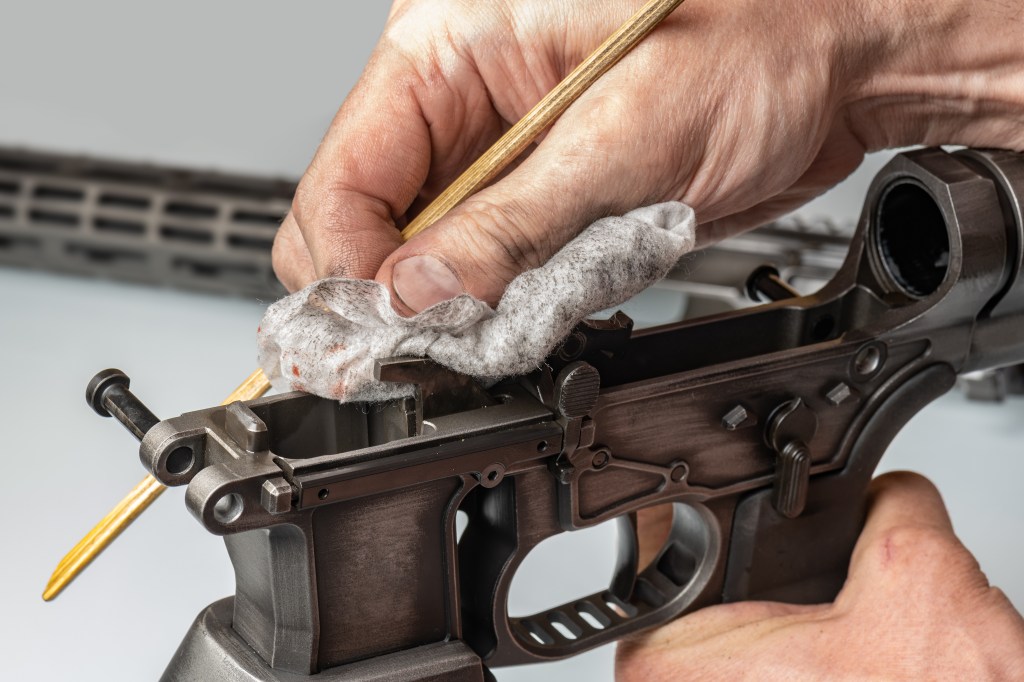
Before heading out, wipe down your firearm with an oiled cloth to repel water and prevent rust. Some hunters keep this step simple, wiping them down before the season starts and after wet days in the field. Wiping the firearm down with a high-quality gun oil, or a familiar product such as Rem Oil when appropriate for the firearm and conditions, helps create a light protective barrier on exposed metal parts. Apply a thin layer of quality gun grease to bearing surfaces such as bolt lugs and cocking cam after cleaning your rifle. If rain is in the forecast, pay special attention to areas most likely to be exposed to the elements, including the barrel, action, receiver, and trigger guard, and lightly oil when appropriate. Note, be sure to add a light coat of oil, as you don’t want to overdo it.
Some hunters also place a small piece of masking tape over the muzzle to help keep water out while moving through rain or wet brush. When applied properly, this simple precaution is commonly used to reduce water intrusion without compromising accuracy or safety. In addition to preparing the firearm itself, pack weather-resistant supplies and consider using a water-resistant case to help protect the rifle during transport and storage in the field.
Field Techniques for Protecting Rifles in the Rain
Simple habits can make a meaningful difference when protecting a rifle in the rain. Covering the muzzle, wiping down exposed surfaces, and keeping the action closed help reduce water intrusion while you are in the field. Regular checks throughout a wet hunt can also lower the risk of corrosion, moisture buildup, or mechanical issues.
It is helpful to keep an oiled rag in a sealed plastic bag so you can perform quick, on-the-spot maintenance if conditions become especially wet. A microfiber cloth should also be kept within easy reach to wipe moisture, mud, and other stuff from exposed metal surfaces during the hunt. Afterward, use a dry cloth or cleaning patches to remove all visible moisture from the exterior of the gun before storing or transporting it.
Some hunters place a small piece of masking tape or electrical tape over the muzzle to help keep water out while moving through heavy rain or wet brush. Tape over the muzzle to prevent water intrusion into the barrel to prevent water. When applied properly and removed or shot through as commonly practiced, this method is generally used because it does not affect safety or shooting accuracy.

Navigating Stream Crossings Safely with Firearms
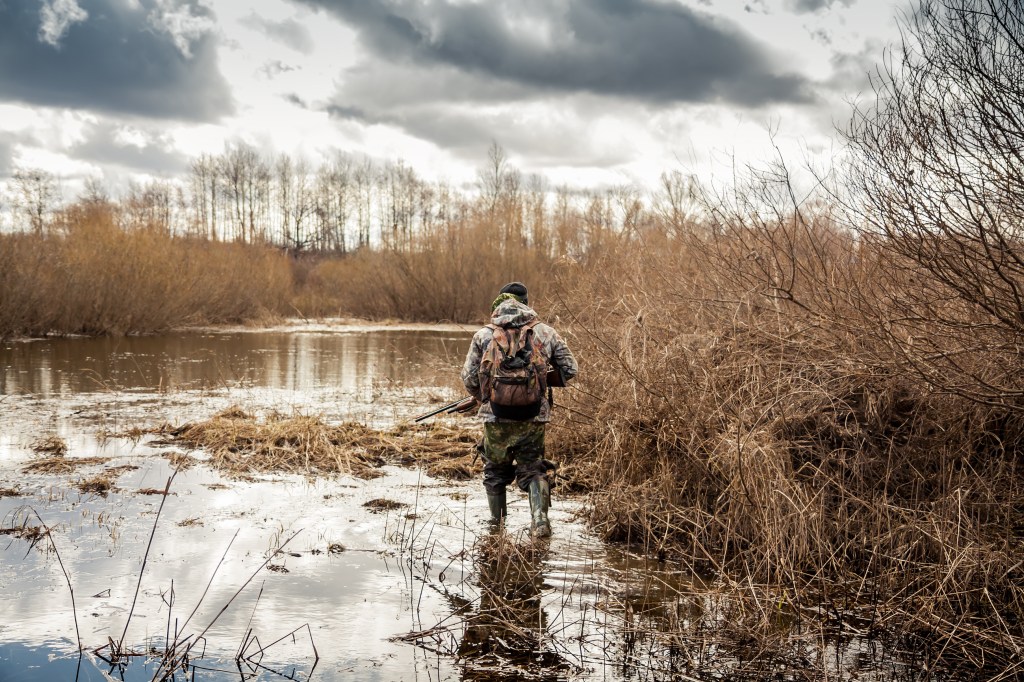
Crossing rivers or streams introduces additional risks for both hunters and firearms. Planning safe crossings and securing rifles properly helps prevent drops, submersion, or accidental damage
Assessing the stream
Crossing rivers or streams adds risk for both hunters and firearms. Before crossing, assess the water’s speed, clarity, depth, and surrounding terrain. Avoid crossing if the current is fast, visibility is poor, or the water appears too deep for safe wading. Weather can quickly change crossing conditions. Heavy rain may raise water levels and strengthen currents, while whirlpools, waves, cold water, or rocks can signal hazards such as strong pull, unstable footing, hypothermia risk, or entrapment.
Securing your gear
Before entering the water, secure your gear and remove unnecessary heavy items to improve mobility. Make sure shoulder straps are fastened and positioned so they do not shift unexpectedly. If available, use trekking poles or a sturdy stick to test depth, check footing, and provide additional stability as you move.
Crossing the stream
Choose a narrow, even crossing with manageable depth and stable footing, and avoid waterfalls, rapids, steep banks, deep pools, large boulders, or unpredictable currents. If crossing with a group, move carefully, link arms when helpful, or cross one at a time. If swept away, stay calm, regain footing when safe, then check for injuries and inspect your gear and firearm before continuing.
What to Do if Your Rifle Gets Submerged
If a firearm falls into water, it is crucial to treat it with care and inspect it immediately. Immediate action can prevent long-term mechanical damage, so a soaked rifle is more than just an inconvenience.
Safety first
Before handling a submerged firearm, ensure you are in a dry and safe area to field strip it. Remove all ammunition and unload the firearm, double-checking that it is completely unloaded. Always point the firearm in a safe direction while you perform any cleaning or inspection tasks.
Thorough cleaning
Inspect the bedding compound of your rifle for signs of water intrusion after exposure to wet conditions. For firearms that have been fully submerged, rinsing them with clear water is vital. This step helps to wash away any debris, salt, or dirt that may have entered the action and safety mechanisms. If possible, remove the stock or grips as these parts can retain moisture and lead to corrosion. Also, remove any optics and the scope to prevent damaging them.
Drying metal components
Once rinsed, use compressed air to blow out parts, taking care not to dislodge small springs or components. Disassemble the firearm according to the manufacturer’s manual, and dry each metal component thoroughly. A dry cloth can be useful for wiping down exposed areas, and it’s advisable to remove any optics to ensure they are also moisture-free. Pay close attention to the firing pin assembly, firing pin channel, trigger assembly, and any other pin channel or recess where water can hide.
Preventing rust
If your rifle has gotten wet, remove the bolt to allow air to circulate through the action, reducing the risk of trapped moisture. It’s recommended to let it air dry for several hours. Additionally, if heavy rain occurs, it is wise to remove the rifle’s stock to check for any moisture that may have seeped beneath it.
Cleaning and maintenance
After ensuring all components are dry, clean the rifle bore and stock. Use dry cleaning patches on the barrel, then follow up with an oil patch to help prevent rust. Check screws and moving parts for trapped moisture after cleaning your firearm, and use an oiled patch. Performing these tasks diligently will ensure your firearm remains in good working condition after exposure to water.

Protecting Optics and Accessories in Wet Conditions
When preparing for a rainy hunt, it’s essential to consider every aspect of your gear, including often-overlooked elements such as scopes, mounts, and slings. These components play a critical role in ensuring your firearm remains operational, even in wet conditions. By taking a few precautionary measures, you can maintain accuracy and prevent issues during your hunt.
One of the most important factors in maintaining your scope is to keep it dry. Using a weather-resistant scope cover is an effective way to shield your optic from moisture and debris. This simple accessory not only protects the glass but also keeps your scope clean, which is essential for optimal visibility when it matters most.
In addition to protecting your scopes, it’s equally important to secure your mounts and slings. Consider using waterproof dry bags to keep these items dry during your hunt. By safeguarding mounts and slings from moisture, you help preserve their integrity and prevent potential accuracy problems later on.
Post-Hunt Maintenance After Exposure to Rain
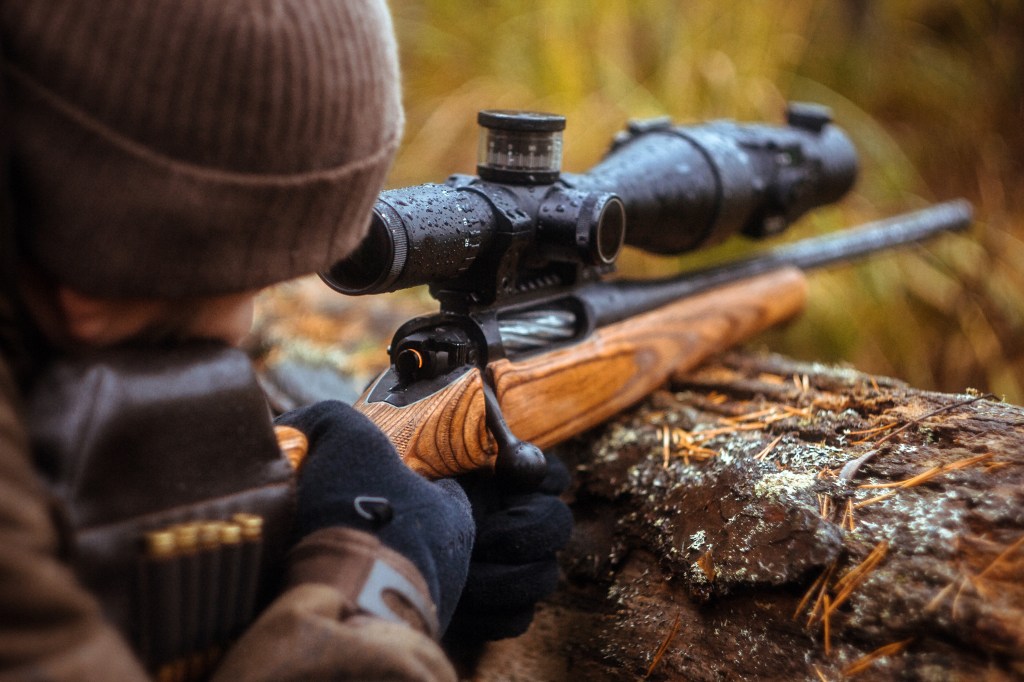
Maintaining firearms after a wet hunting trip is crucial for their longevity and performance. After returning from a wet hunt, rifles should be adequately dried, cleaned, and lightly lubricated. This prompt maintenance helps prevent corrosion, ensuring that the firearm remains ready for the next outing.
Regular maintenance and inspections
Lightly oiling all metal surfaces after cleaning adds a protective barrier against future moisture and corrosion. Additionally, for long-term storage of wooden stocks, it’s advisable to apply a thin coat of wax, which acts as a barrier against moisture absorption. Regular inspections of stored firearms are indispensable for identifying early signs of rust or moisture accumulation. If left unchecked, you risk rust and corrosion.
Storage tips
To better protect your firearms from moisture-related issues, consider the storage environment. Using a dehumidifier or silica gel packs in your gun safe can effectively prevent condensation buildup over time. Silica gel packs are great as they absorb moisture and can be used as you travel. Vapor corrosion inhibitors, or VCI products, are another storage option for some firearms. They release protective vapors that help prevent corrosion on metal surfaces, which can be useful when guns are stored through a damp season or exposed to frequent temperature changes.
Avoid placing firearms in damp areas, such as basements or unconditioned spaces, as these can promote rust. Additionally, it’s important to allow firearms to breathe after cleaning. Avoid immediately locking your gun in a case, as trapped residual moisture can cause problems. Choosing the right storage materials is just as important as the storage method. Steer clear of soft, foam-lined cases, as they can trap moisture against the metal. Instead, consider using electric dehumidifier rods, such as GoldenRod, to circulate warm air and prevent condensation on metal surfaces.
Collector Considerations: Hunting with Valuable Rifles
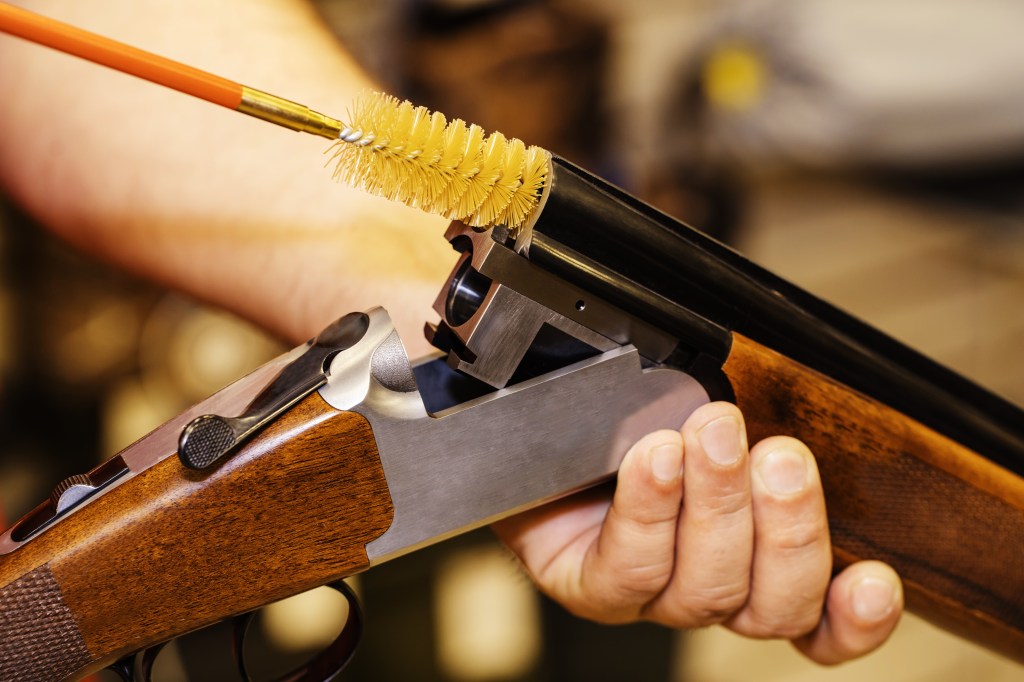
Collectors who bring historic or valuable rifles into the field must strike a balance between performance and preservation. It’s essential to understand that while these rifles can be impressive in terms of functionality, their historical significance and monetary value also require careful consideration. Proper preparation and maintenance can help ensure the rifle performs optimally during a hunt without compromising its integrity for years to come.
Before heading out, collectors should thoughtfully assess whether it is worth taking a historic or valuable rifle on a hunting trip. The risks associated with potential damage must be carefully weighed against the thrill of the hunt. If scratches, dings, swollen wood, or environmental exposure are concerns, consider choosing a more rugged firearm to protect your collectible.

Building a Wet-Weather Rifle Care Routine
Establishing consistent habits for firearm care is essential for any hunter who values reliability and performance in the field. By preparing thoroughly before the hunt, ensuring proper protection during the excursion, and committing to maintenance afterward, hunters can safeguard their rifles against harsh conditions. This disciplined approach not only enhances the firearm’s longevity but also contributes to a more successful and enjoyable hunting experience. Remember, a well-maintained rifle is the key to safe and effective hunting, especially when a single shot may depend on clean metal, dry internals, and consistent care.
This article is intended for informational purposes only. Collectibles Insurance Services, LLC, its parents, affiliates, and anyone connected with them are not responsible or liable in any way for your use of the information contained in or linked to from this article. Reliance on the information provided in this article is solely at your own risk. If you have questions about any of the topics addressed in the article, please contact a subject-matter expert.
Sources
https://savagearms.com/blog/post/field-tips-to-protect-your-firearm-in-the-rain
https://calibremag.ca/wet-firearms/
https://www.americanhunter.org/content/hardcore-hunting-5-tips-for-keeping-your-rifle-functioning/
https://www.divebombindustries.com/blogs/news/navigating-river-crossings-safely-during-hunts-safety-tips
https://saami.org/wp-content/uploads/2025/03/Guidance-On-Firearms-That-Have-Been-Submerged-In-Water-2-24-2025.pdf
https://www.gohunt.com/browse/tips-and-tricks/backpacking/stay-dry-and-safe-proven-methods-for-assessing-stream-crossings-when-hunting
https://www.gohunt.com/browse/tips-and-tricks/backpacking/stay-dry-and-safe-proven-methods-for-assessing-stream-crossings-when-hunting-part-2
https://www.reddit.com/r/Hunting/comments/1hhxigp/how_do_you_waterproof_your_firearms_for_hunting/