
Creating Effective Family Firearm Plans for Safety and Responsibility
Learn how to create effective family firearm plans that prioritize safety and responsibility. Explore practical strategies for peace of mind. Read more now!
Family Firearm Plans for Gun Owners: Why Structure Matters More Than Assumptions
For firearm collectors, gun owners, and families involved in shooting sports, responsible ownership includes ensuring everyone in the household understands what to do, what not to do, and who to ask when questions arise. A clear family firearm plan can help establish boundaries, reinforce safe firearm habits, prevent access by children or unauthorized people, and reduce the risk of confusion or misuse.
Recent safety data shows that millions of children live in homes with at least one loaded, unlocked firearm. Furthermore, firearm injuries continue to be a leading cause of death among children and teens in the United States. Research on unintentional shootings and accidental discharge also shows that when children gain access to firearms, the victims are often other children or peers, underscoring why education, access rules, and secure storage should work together.
That planning matters because a loaded gun in the wrong hands is not just a household risk; it can become an emergency in seconds. In this guide, we’ll explore how firearm collectors and owners can create a practical family firearm plan that prioritizes safety, responsibility, and peace of mind, while helping family members understand expectations before a situation arises. This guide is intended for informational purposes only. If you have questions about any of the topics addressed in the article, please contact a subject-matter expert.
Starting the Conversation Early: Building Awareness Without Fear
Children benefit from calm, age-appropriate discussions about firearms. Framing safety as knowledge, not fear, helps build respect and curiosity in a controlled, healthy way. A family firearm plan gives children clear expectations, whether at home, at a friend’s house, or in another setting.
Use age-appropriate language
When talking with children, use language that fits their age and developmental stage. Younger children may need simple, repeatable instructions. Older children and teens may be ready for more detailed conversations about responsibility, consequences, and safe decision-making. Answer questions honestly and as openly as possible while keeping the explanation appropriate for the child’s maturity level. Explaining the difference between make-believe and real life is essential. Children can easily confuse toy guns, video games, movies, and real firearms without clear guidance.
Why early awareness matters
The American Academy of Pediatrics notes that firearm-related injuries became the leading cause of death for U.S. children and teens ages 1–19 in 2020. The organization also reports that about one-third of U.S. children live in homes with firearms, and among those households, 43% contain at least one unlocked firearm. In addition, recent research on pediatric firearm injuries also shows why prevention conversations matter. A population-based study of 2019 emergency department visits and hospitalizations found that 51.4% of pediatric firearm-injury hospitalizations were classified as unintentional. CDC research shows that unintentional firearm injury deaths among children and adolescents often occur because individuals store firearms loaded and unlocked.

Firearms Safety Rules Every Child Should Know
Simple, repeatable rules—don’t touch, leave the area, tell an adult—form the foundation of firearm safety. Consistently reinforcing these rules helps children respond correctly in real situations.
Make the rules simple and repeatable
Simple, repeatable rules form the foundation of a family firearm plan. Children must understand that if they see a firearm, they should not touch it. Instead, they should leave the area immediately and notify a trusted adult. Reinforcing these expectations consistently can help children respond more confidently and appropriately in real-life situations.
Set clear boundaries around access
Every family member should understand the basic rules and boundaries around firearms in the home. Always remember that you should never touch firearms without adult supervision. Stay away from storage areas, and ensure that firearms remain secured unless a parent, guardian, or authorized adult is handling them. It is also important to prepare children for situations outside the home. If they encounter a firearm at a relative’s house, a friend’s home, or another unfamiliar environment, they should stay away from it and tell a parent or trusted adult immediately.
Reinforce safe gun handling principles
For older children or teens who are ready for more detailed education, safe handling conversations can include the four fundamental rules of firearm safety and the idea that there is no such thing as a harmless lapse when a bullet may be in the chamber. Always treat every firearm as if it is loaded. Never point the muzzle at anything you are not willing to destroy. Keep your finger off the trigger until you are ready to fire. Know your target and what lies beyond it. Introduce these rules using age-appropriate language and repeat them often. Secure storage, supervised handling, and open, honest answers to questions can help reinforce the difference between curiosity and responsibility.
Model responsible gun ownership
Children learn by watching the adults around them. Parents, guardians, and trusted adults should consistently model responsible firearm ownership by following the same safety expectations they teach. This includes properly securing firearms, and treating every conversation about firearms with care and seriousness.
Teaching Respect, Not Curiosity Suppression
Trying to hide firearms entirely may not eliminate a child’s curiosity. In some cases, the unknown can make firearms seem more mysterious, especially if children encounter them elsewhere without prior guidance. When teaching kids, parents must set clear boundaries and provide calm, age-appropriate education. This helps children grasp the potential consequences of handling a firearm unsupervised and understand that guns are tools deserving respect, not toys to be feared.
For gun owners and collectors, the goal is to replace secrecy with respect and responsibility. When children are allowed to ask questions in a supervised setting, adults can reinforce safe behavior, explain expectations, and make it clear that firearms should be handled only under appropriate adult supervision.
Safe Storage to Prevent Access and Unauthorized Use
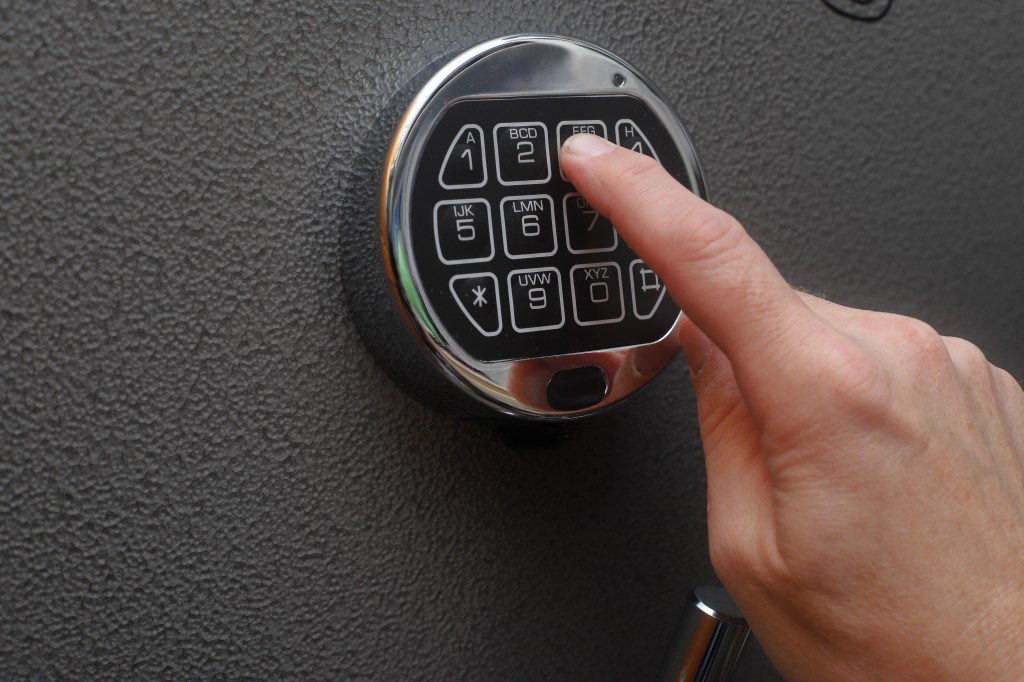
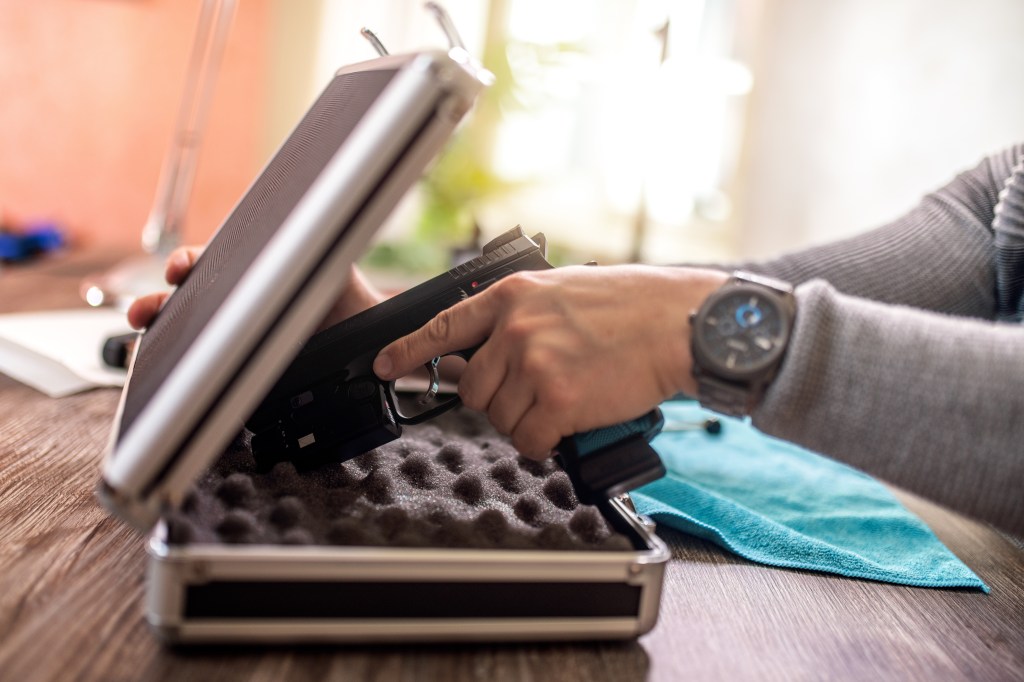
Locked safes, secured cabinets, lock boxes, cable locks, trigger locks, and other appropriate locking devices can help prevent unauthorized access and unauthorized use.
Make secure firearm storage the foundation
Safe storage is the backbone of any family firearm plan. Physical security and education should work together: children need clear rules and expectations, while adults are responsible for making sure firearms are stored securely. Families should also decide ahead of time what to do if a firearm is found outside its proper storage location, whether that is in a bedroom, garage, car, range bag, or another unexpected place.
Go beyond hiding firearms
Simply placing a firearm in a drawer, closet, or under a pillow is not considered secure storage. Firearms in the home should be locked, unloaded, and stored in a safe place, such as a gun safe or another secure location. Ammunition should also be in a locked container and stored separately from the firearm. You may be guilty of a misdemeanor or a felony if you keep a loaded firearm within any premises that are under your custody or control and a child under 18 years of age obtains and uses it, resulting in injury or death.
Protect keys, combinations, and access points
Storage devices are only as secure as the precautions taken to protect the key, code, combination, or locking device. Studies suggest that locking both guns and ammunition can reduce the risk of youth suicide and unintentional injury by up to 78–85%. If a child or unauthorized person can access the key or guess the combination, the storage method is not fully effective. Biometric, combination, or keypad locks may help reduce the risk of unauthorized access when used properly.
Treat storage as non-negotiable
For firearm collectors and owners, maximum safety should be treated as a routine part of responsible ownership. Whether a collection includes one firearm or many, every firearm should be stored to limit access to authorized adults only.
Introducing Firearms Through Shooting Sports in a Safe Way
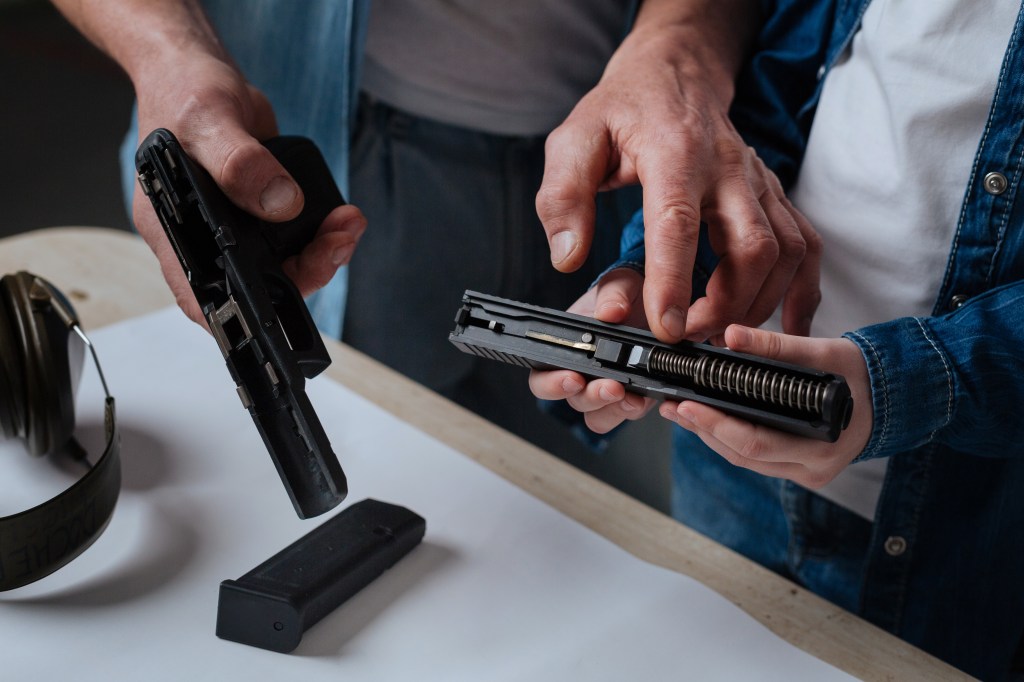
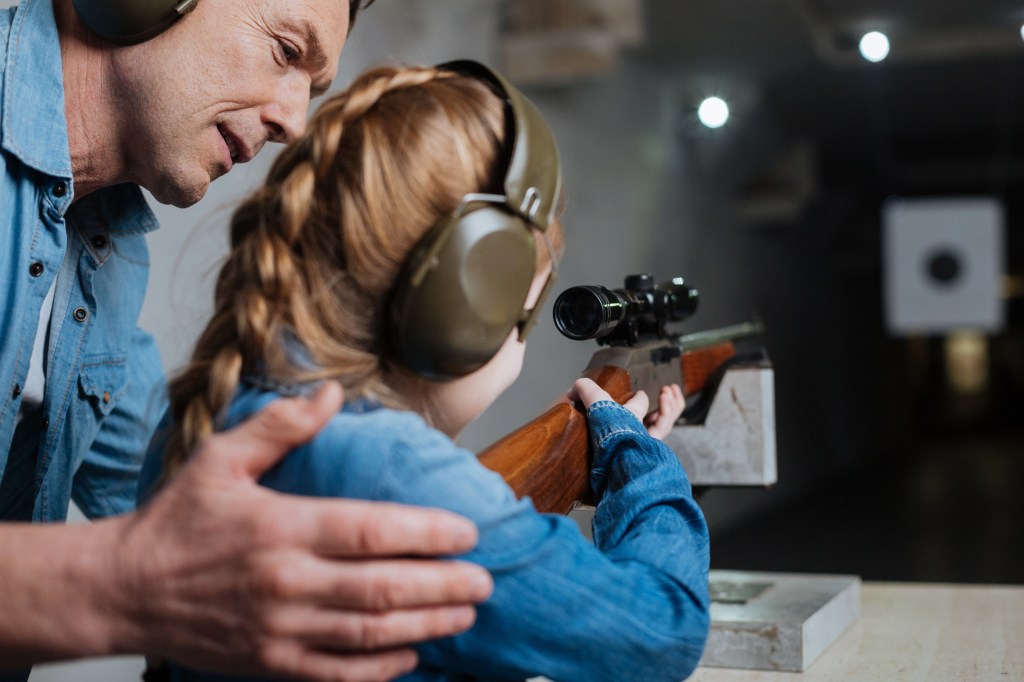
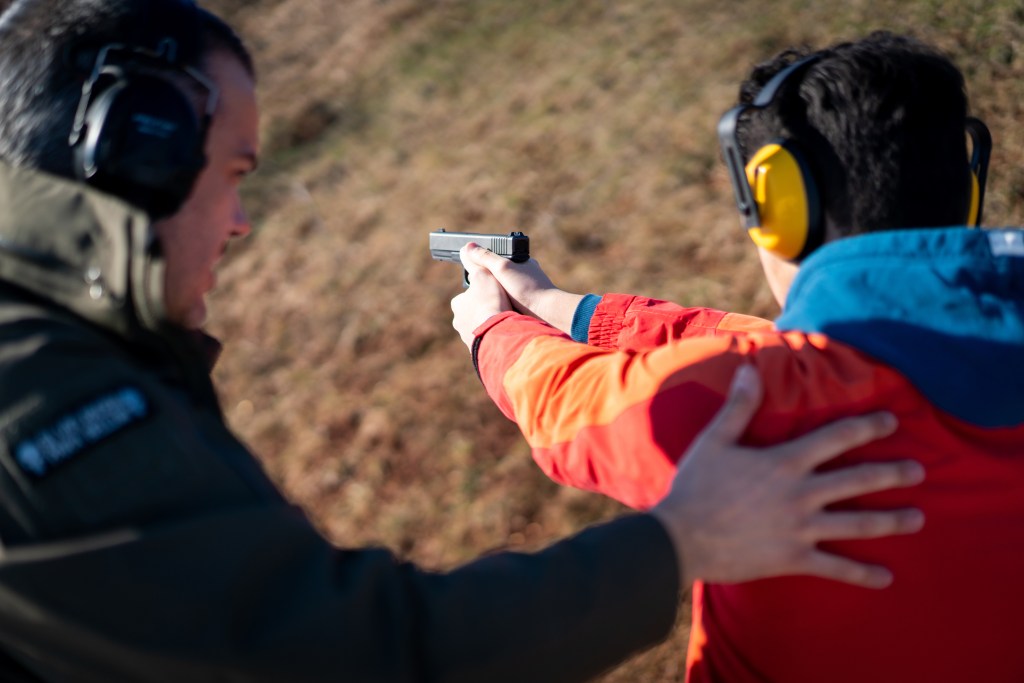
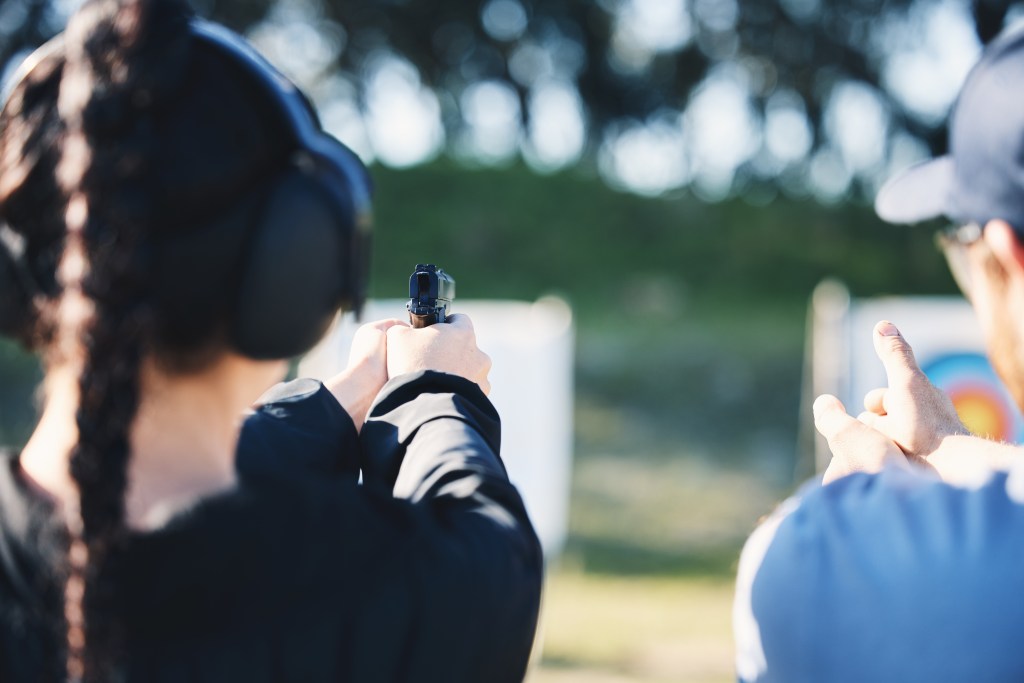
Supervised exposure, such as range visits, shooting sports, handgun instruction, or hunting trips, can help demystify firearms when it is done in a safe way. Teaching proper handling in a structured setting builds confidence and responsibility. Any introduction should be guided by a trained instructor or knowledgeable adult experienced with equipment appropriate to the child’s age, size, maturity, and skill level.
Focus on fundamentals before live-fire practice
Before any live-fire activity, instruction should focus on the basics: how to follow commands, how to stand safely, where to point the muzzle, when to keep hands away from the trigger, and how to listen for direction. A controlled setting gives children and teens the opportunity to learn proper handling habits with close supervision and clear expectations.
Reinforce the gun safety rules every time
Every training session should reinforce the same core safety rules: treat every firearm as if it is loaded, keep the gun in a safe direction, never point the muzzle at anything you are not willing to destroy, keep your finger off the trigger until ready to fire, know your target and what is beyond it, and never pull the trigger unless instructed and ready. Repeating these rules consistently helps turn safe behavior into a habit.
Make protective practices part of the routine
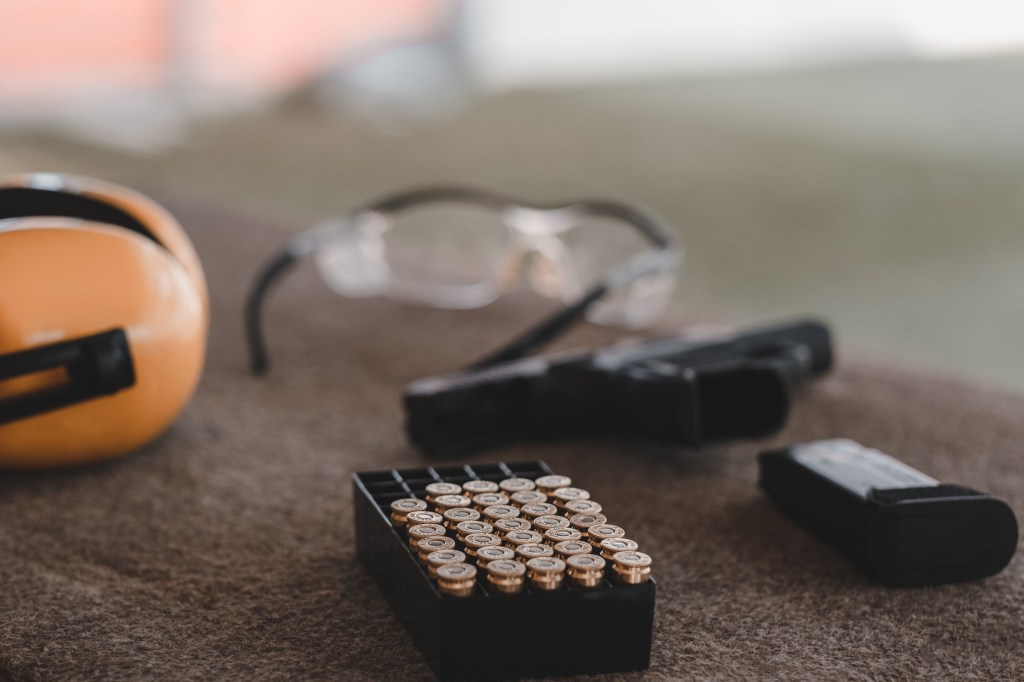
Safe instruction should also include practical habits such as using the correct ammunition, wearing ear and eye protection, checking that the barrel is clear of obstructions, and understanding the firearm’s mechanical and handling characteristics. If a firearm does not fire when expected, it should always be handled with extra care and under the direction of a trained adult or instructor.
Reinforcing Safety Through Routine and Repetition
Children learn best through repetition, which makes regular reminders an important part of any family firearm plan. Consistent expectations, simple safety drills, and calm conversations can help reinforce what children should do if they ever encounter a firearm.
Families should also schedule regular reviews of the plan, especially as children get older or household circumstances change. What works for a young child may need to evolve as a child becomes more independent, spends more time outside the home, or begins participating in activities such as shooting sports, hunting, or range instruction.
Adapting the Plan as Children Grow
Safety conversations should evolve with age and maturity. What works for a young child differs from what a teenager needs to understand about responsibility and access.
Adjust expectations as children mature
A family firearm plan should evolve as children grow. What works for a young child may not be enough for a teenager who has more independence, spends more time outside the home, or participates in activities where firearms may be present. Regular reviews help families update expectations around access, supervision, communication, and responsibility.
Support responsible training and participation
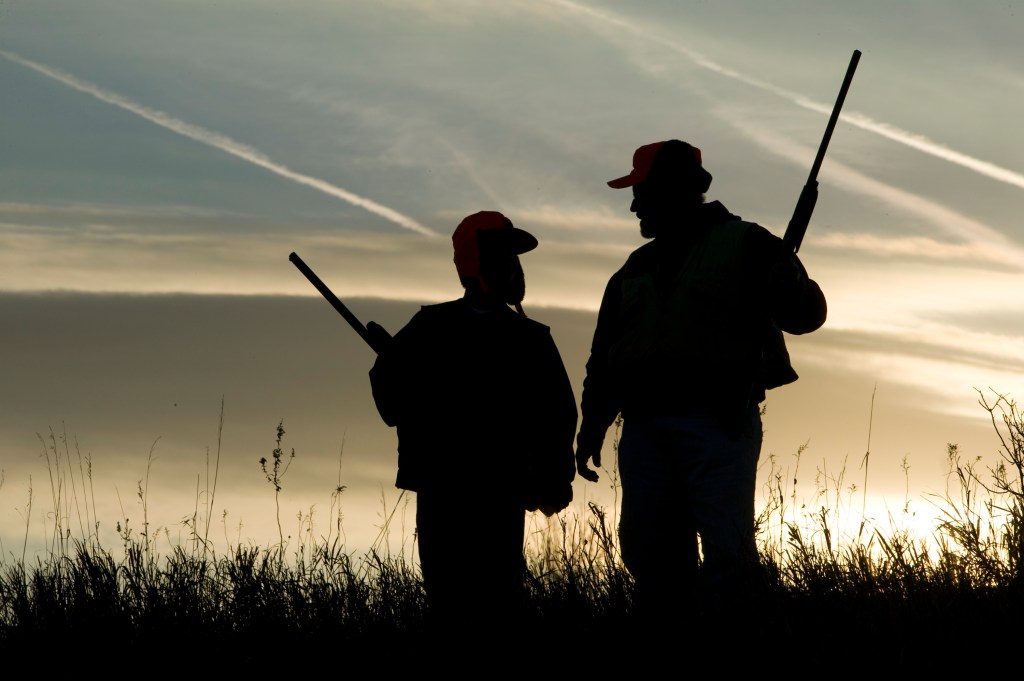
When children reach an appropriate age and maturity level, families may choose to introduce shooting sports, range instruction, or hunting-related education. In those settings, continue reinforcing responsible ownership and the four basic fundamentals of firearm safety: treat every firearm as if it is loaded, never point the muzzle at anything you are not willing to destroy, keep your finger off the trigger until ready to fire, and know your target and what is beyond it. If children participate in field activities, they should also understand clear field rules, including who carries, who shoots, how to move safely, and how to communicate with others.
Help teenagers build judgment and accountability
For teenagers, firearm safety conversations should expand beyond rules and storage to include judgment, accountability, and ethical decision-making. Pairing teens with responsible mentors, instructors, clubs, or peers can help reinforce safe habits in a structured environment. If hunting is part of the family’s firearm use, talk through ethical decisions before they arise. Teens should understand when not to shoot, how to identify targets clearly, and why responsible hunting includes respect for the animal, the land, and fellow hunters.
Include mental health in the safety plan
Mental health should also be part of ongoing firearm safety conversations. If someone in the household is experiencing a mental health crisis or may be at risk of harming themselves or others, consider temporarily removing firearms from the home or adding additional layers of secure storage and access control until the situation has stabilized.
Addressing Peer Influence and Outside Environments
Children may encounter firearms outside the home, in a car, at a friend’s house, at a relative’s house, or in another unfamiliar environment. Teaching them how to respond safely in unfamiliar environments is just as important as home-based rules.
Friends’ homes, relatives’ homes, hunting settings, or other unfamiliar environments may involve different storage practices, expectations, or levels of supervision. Children should know that the same safety rules apply no matter where they are.
Peer influence can also affect how children respond in the moment. A child may feel pressure to stay quiet, look at, or touch a firearm if another child presents it as harmless or exciting. Teaching children in advance to leave the area, avoid touching the firearm, and tell a trusted adult immediately can help them respond with confidence rather than uncertainty.
Community Resources That Help Prevent Access
Families do not have to build safer storage habits alone. Programs such as Seattle Children’s Safe Firearm Storage Program offer community education and safe storage giveaway events where families can learn about lock boxes, trigger locks, and other secure storage practices.
Organizations can also host community-safe firearm storage giveaway events to educate the public about firearm safety and distribute storage devices. These programs can be especially useful for families who want practical tools, local resources, and a clear reminder that safe storage is a shared responsibility.
Insurance Considerations: Responsibility and Risk Awareness
Responsible storage and ongoing firearm safety education can help reduce risk exposure in the home and reinforce the habits expected of careful firearm collectors and owners. Insurers may view documented safety practices, secure storage measures, and early safety education as part of a broader commitment to responsible ownership. Teaching kids about gun safety is crucial in households with firearms. Starting firearm safety conversations early and continuing them as children grow can be one of the most practical preventative steps families take.
This article is intended for informational purposes only. Collectibles Insurance Services, LLC, its parents, affiliates, and anyone connected with them are not responsible or liable in any way for your use of the information contained in or linked to from this article. Reliance on the information provided in this article is solely at your own risk. If you have questions about any of the topics addressed in the article, please contact a subject-matter expert.
Sources
https://oag.ca.gov/firearms/tips
https://www.seattlechildrens.org/health-safety/injury-prevention/gun-safety
https://www.nssf.org/safety/rules-firearms-safety
https://www.usconcealedcarry.com/blog/gun-safety-for-kids/
https://gunlineshooting.com/announcements/parents-guide-to-kids-gun-safety-education/
https://www.divebombindustries.com/blogs/news/how-to-teach-firearm-safety-to-kids-in-hunting
https://renodadsblog.com/2020/09/26/teaching-kids-gun-safety/
https://www.healthychildren.org/English/safety-prevention/at-home/Pages/Handguns-in-the-Home.aspx
https://www.nrawomen.com/content/gun-proofing-our-kids-teaching-a-gun-safety-mindset
https://eagleshows.com/a-guide-to-gun-safety-for-kids/