
Recoil Management for New Shooters: Techniques That Work
Enhance your shooting skills with effective recoil management tips. Discover practical strategies for better control and improved performance. Read more!
Recoil Management Tips: Why Good Technique Beats Raw Strength
For new shooters, managing recoil begins with understanding that effective technique matters more than physical strength, especially when building shooting skills for target shooting, shooting sports, hunting, or personal practice. Developing proper mechanics can support greater comfort, control, accuracy, and confidence while reducing fatigue during longer shooting sessions, helping shooters avoid the mistake of trying to overpower the firearm.
This blog introduces general recoil-management concepts to help readers build awareness and improve their overall approach. It is intended for informational purposes only; consult a qualified subject-matter expert for guidance specific to your needs.
Understanding Recoil: What Your Firearm Is Actually Doing
Every firearm generates rearward movement when fired, but the way that energy is managed depends on body position, grip, and firearm design. Understanding the mechanics helps shooters work with recoil rather than fight it.
Recoil energy
When a cartridge is fired, the bullet travels forward out of the barrel. Every action has an equal and opposite reaction: as the bullet and gases move forward, the rifle moves backward. Several factors influence felt recoil, the term used to describe what the shooter experiences.
Muzzle brakes redirect gases to reduce felt recoil. Larger, faster bullets generally produce more recoil, while a heavier rifle absorbs more force and can reduce it. Heavier rifles produce less felt recoil. Stance and grip also matter because improper form can make recoil feel worse. Muzzle devices, padding, firearm weight, gear choices, and ammunition weight can further affect how much recoil the shooter feels.
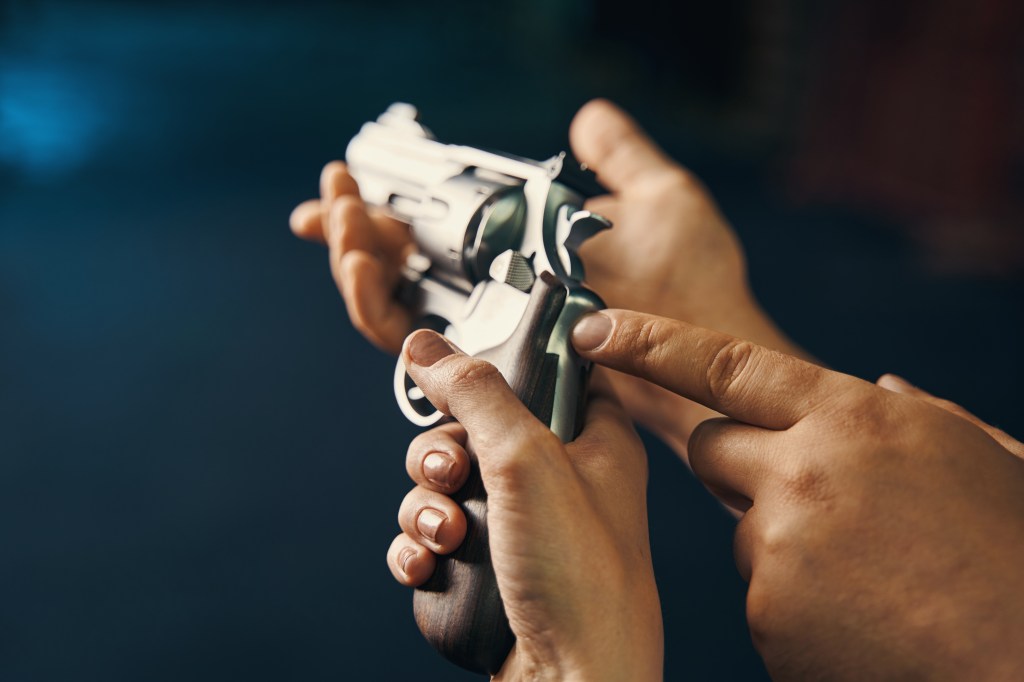
Build a Solid Foundation with Proper Stance
Proper recoil management starts with a balanced, athletic stance that allows the body to absorb recoil efficiently.
Body position
Body composition can influence how a shooter establishes a solid foundation. Good foot placement, head position, and weight distribution create a solid foundation that carries through every shot. Beginners should start with their feet slightly wider than shoulder width apart, lean forward in the direction of the target, and avoid instinctively pulling away from the recoil. Using lighter loads during training can reduce the amount of energy produced.
Shooting position
Shooters with less body mass may benefit from leaning slightly into the firearm and placing more weight on the balls of their feet, allowing the body to provide leverage against the recoil. To effectively manage recoil, maintaining a centered body position minimizes muzzle rise. For rifles, the buttstock should sit firmly in the shoulder pocket. Keeping the feet at least shoulder-width apart creates a balanced base, while a slightly wider stance can provide a more stable skeletal foundation.
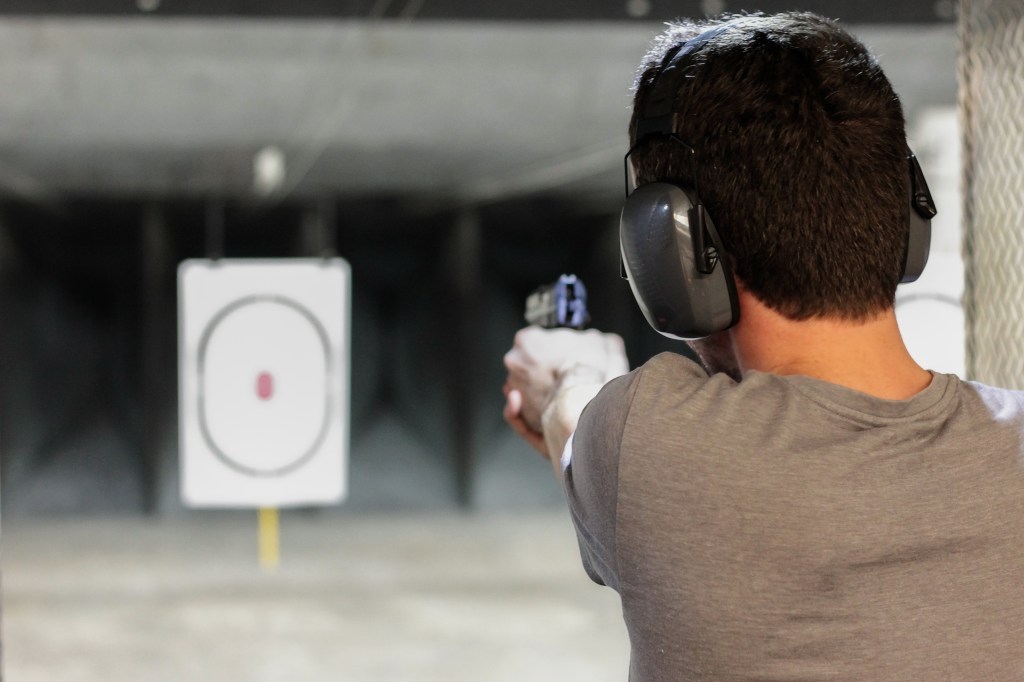
Grip Matters More Than Most New Shooters Realize
A consistent, firm grip keeps the firearm tracking predictably through recoil and helps the shooter recover after the first shot.
Proper grip
Proper hand placement on the pistol grip improves control without introducing unnecessary muscle tension. Grip strength should create firm contact through the strong hand, strong hand fingers, and support hand without creating unnecessary shaking. The goal is a secure grip rather than an overly tight one, which can lead to shaking or fatigue. Maximizing contact with the grip, including the front strap and back strap where applicable, can also reduce muzzle climb and support faster sight recovery. Maximizing grip surface area can improve recoil control. Aim for the highest safe grip on the firearm to reduce leverage for muzzle flip, while keeping the index finger outside the trigger guard until ready to fire.
Wrist position
Wrist position is equally important. Keeping the wrists stable helps minimize lateral movement during the trigger pull. With a thumbs-forward grip, the support-hand thumb points toward the muzzle while the strong hand thumb stays indexed consistently, providing additional control and helping limit muzzle rise during rapid shots. Grip pressure should be firm enough to maintain full contact between the palm and the firearm. For semi-automatic handguns, shooters should also be aware of the slide and avoid placing fingers where moving parts can interfere with safe operation.
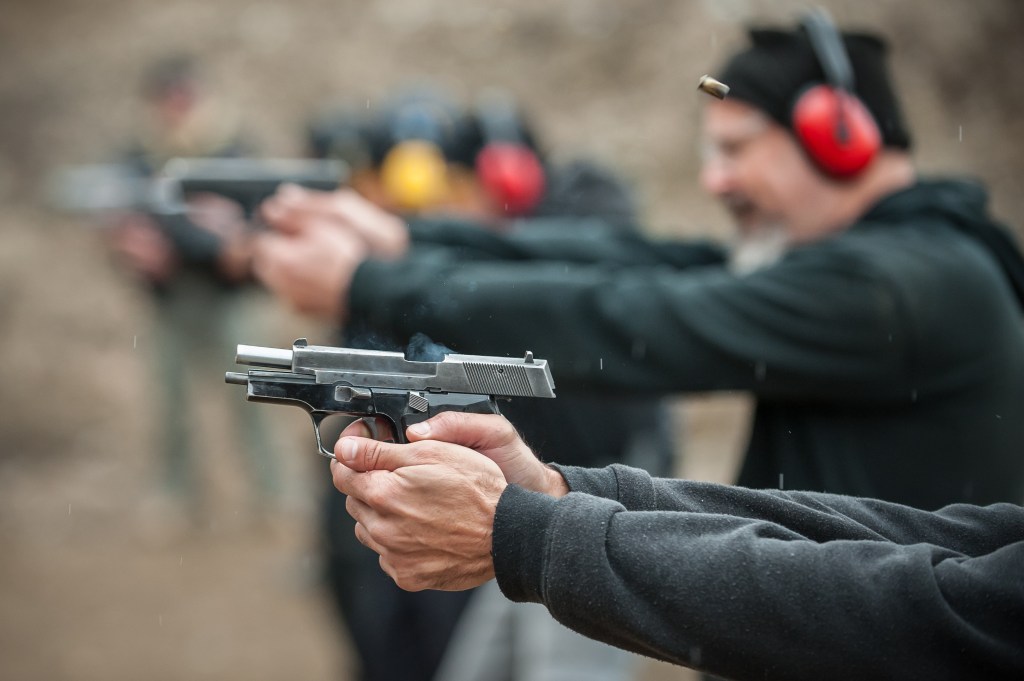
The Importance of Follow-Through After Every Shot
Most shooters lose accuracy by relaxing immediately after firing. Maintaining sight alignment and body position through recoil creates smoother, more consistent shooting.
Consistent follow-through supports smoother, more accurate shooting. Rather than relaxing immediately after a shot, shooters benefit from maintaining a steady position and allowing the firearm to move naturally through recoil.
Keeping a consistent foundation also makes it easier to regain alignment, prepare for the second shot, and avoid rushing just to shoot faster. New shooters should develop these habits through supervised practice and guidance from a qualified instructor.
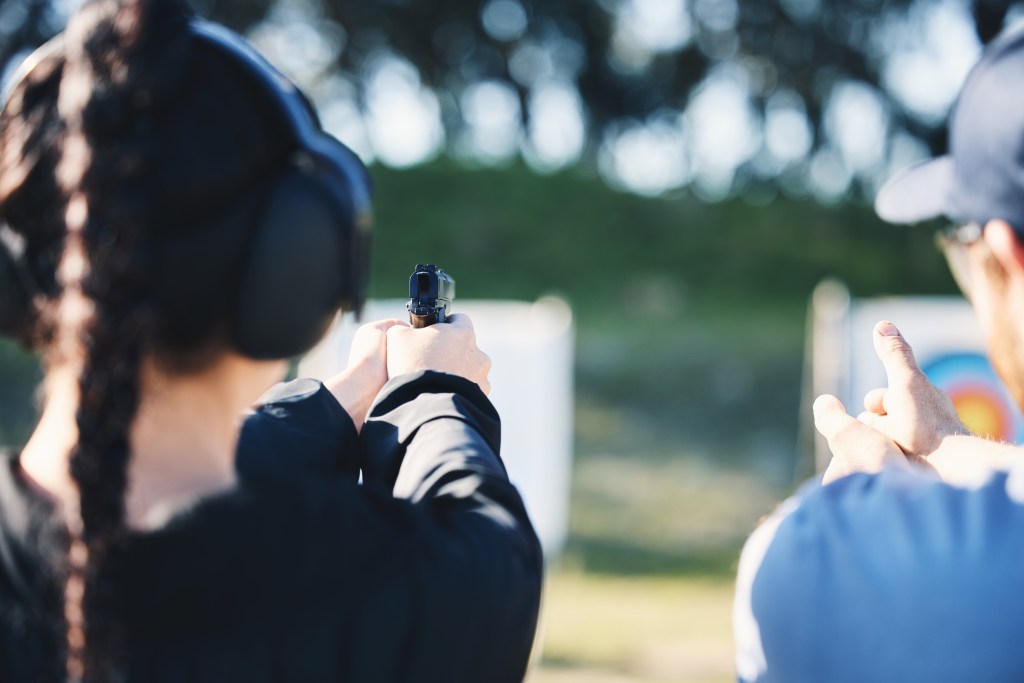
Overcoming Recoil Anticipation and Flinching
Anticipating recoil often causes greater accuracy problems than recoil itself. Although flinching is a common response, minimizing it can improve accuracy and help shooters manage recoil more effectively.
Recoil anticipation occurs when a shooter drives the firearm below the intended target before the gun fires, making it harder to hit consistently. Because the shooter cannot control the recoil force before it occurs, pushing the firearm downward can disrupt alignment and lead to inaccurate shots and poor shooting performance.
Controlling recoil
To reduce recoil anticipation, focus on a smooth trigger break without overdriving the arms and shoulders into the firearm. Leaning forward from the lower back’s pivot point can also support a stable position. Purposeful drills and mindful practice help shooters build confidence while reducing unnecessary movement before the shot breaks.
Equipment That Can Help Manage Recoil
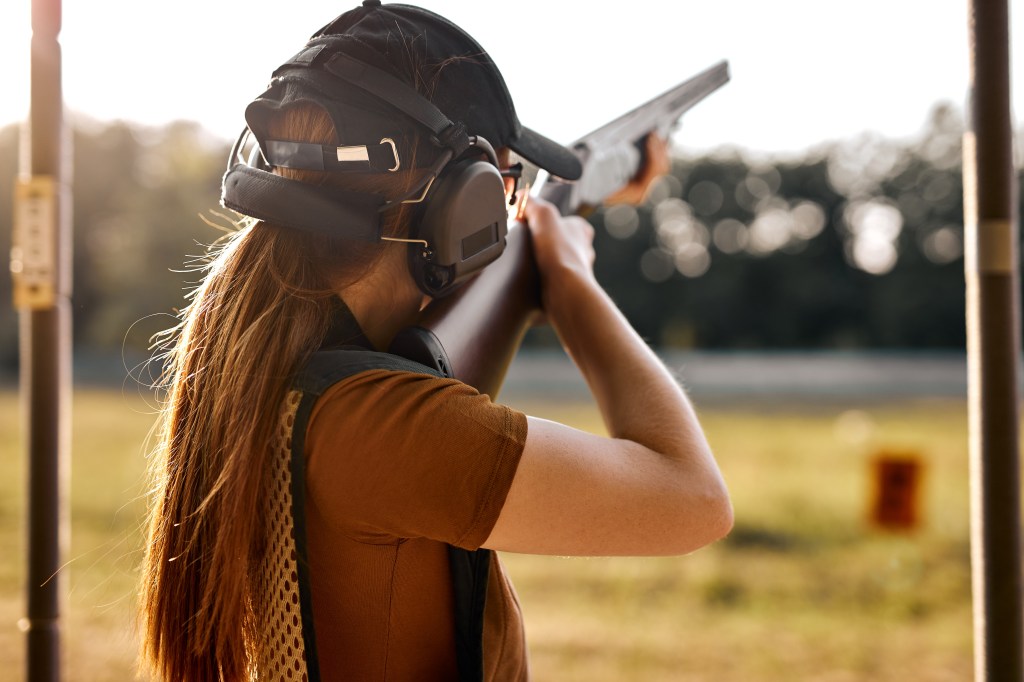
Stock fit, recoil pads, muzzle devices, firearm weight, lock-up, and ammunition selection all influence perceived recoil. While equipment helps, it works best when paired with solid fundamentals. Firearm fit provides vital information about whether a shooter can manage recoil comfortably. Grip size, trigger reach, stock length, sight picture, and the way the firearm returns after recoil are all key signs that the setup may or may not fit the shooter.
An adjustable stock can improve firearm fit and help shooters who are sensitive to recoil maintain a more comfortable position. A thick recoil pad can absorb some recoil energy, while a mercury recoil reduction kit can help counteract recoil during firing. Shooting gloves may also improve grip when using heavy-recoiling handguns, particularly during longer shooting sessions.
Practice Drills That Reinforce Good Habits
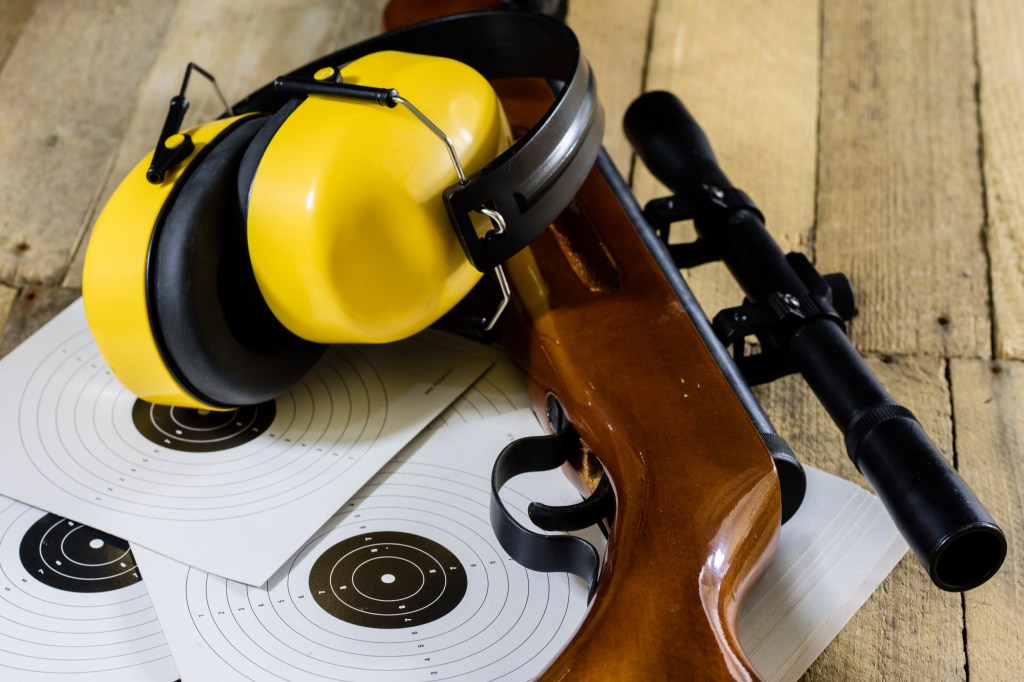
Consistent repetition builds efficient recoil management over time. Dry-fire exercises, controlled live-fire drills, and progressive practice help transform good technique into instinct.
Dry-fire exercises
Dry-fire practice is one of the most effective ways to build recoil-management fundamentals without using live ammunition. With an unloaded firearm, shooters can focus on smooth, consistent trigger pulls without the distraction of recoil. This budget-friendly drill also provides an opportunity to refine stance and grip while developing better trigger control.
Controlled live-fire drills
Controlled live-fire drills help shooters become accustomed to recoil while maintaining accuracy and control. One approach is to fire two quick, consecutive shots while concentrating on regaining sight alignment between them. Repeating this drill reinforces recoil-management techniques, builds muscle memory, and can improve confidence and follow-up accuracy over time.
Grip testing
Grip testing helps identify and correct control issues by encouraging shooters to observe the firearm’s natural recoil pattern. Comparing small grip adjustments can reveal how hand placement and pressure affect recoil behavior and shot placement. Over time, this process can help shooters find a more effective grip, manage recoil consistently, and reduce accuracy problems.
Applying Recoil Management Across Different Firearm Types
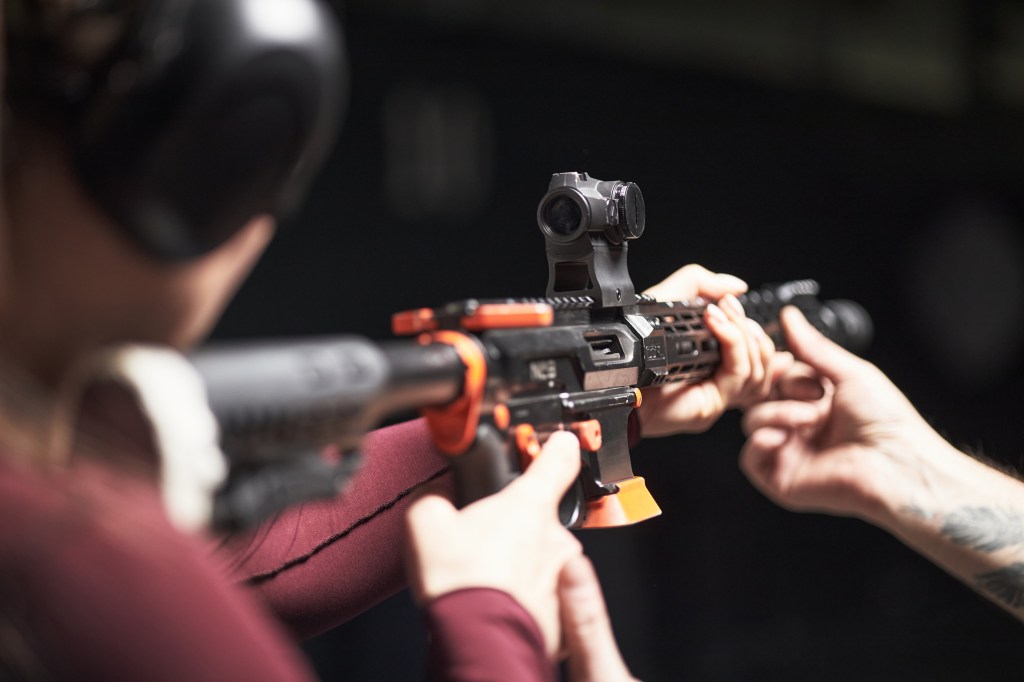
Handguns, rifles, and shotguns each produce recoil differently, so not every technique will transfer perfectly from one platform to the next. Learning to adapt body position and technique across platforms makes shooters more versatile and comfortable.
Handguns
Handguns are compact firearms, including pistols and revolvers. Their smaller size can make recoil feel more pronounced, so owners should become familiar with a firearm’s characteristics and seek qualified instruction before use.
Rifles
Rifles are long guns designed for stability and precision across a range of sporting, hunting, and collecting interests. Recoil varies by firearm weight, design, and ammunition, making proper fit and professional guidance important considerations.
Shotguns
Shotguns are commonly associated with sporting, hunting, and recreational use. Because their recoil characteristics can vary considerably, owners should choose equipment suited to their needs and experience level with help from a qualified professional.
Professional training
Qualified instruction can help owners understand safety expectations, legal responsibilities, and the general characteristics of different firearm types. Training should be appropriate to the individual, the firearm, and the intended activity, with safety remaining the priority.
Building Confidence Through Consistent Fundamentals
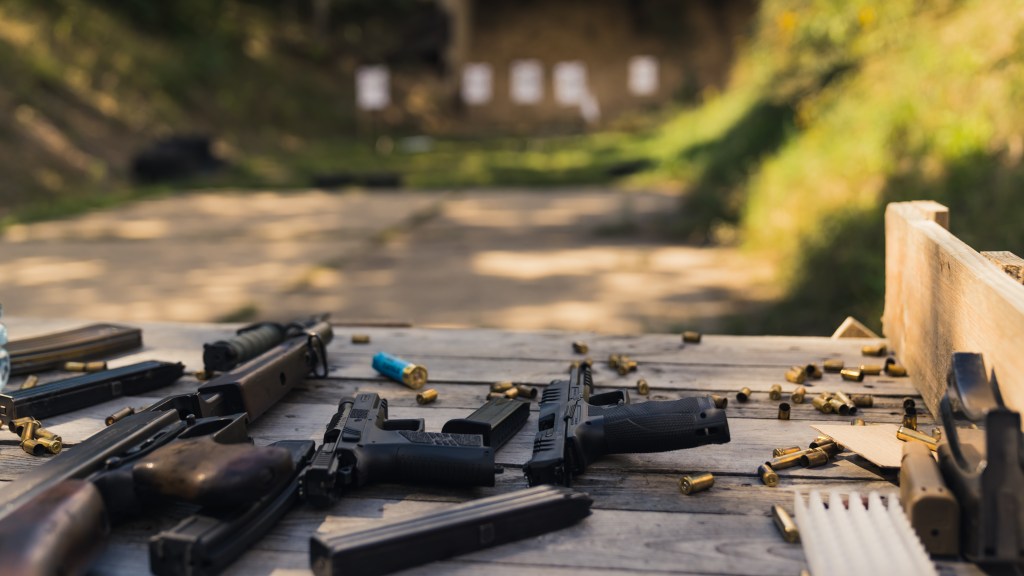
Ultimately, effective recoil management develops through patience, consistent practice, and a commitment to strong fundamentals. Rather than looking for shortcuts, new shooters and collectors can build confidence by reinforcing safe, reliable habits over time.
By focusing on steady improvement and seeking guidance from qualified professionals, shooters can support greater comfort, accuracy, and responsible firearm handling. These fundamentals provide a practical foundation for continued learning and safer participation in shooting activities. For new shooters in target shooting or shooting sports, the key is not to chase speed first; it is to build a stable stance, a reliable grip, safe trigger control, and the awareness to correct small problems before they become habits.
This article is intended for informational purposes only and you should not interpret anything contained in it as legal advice. Collectibles Insurance Services, LLC, its parents, affiliates, and anyone connected with them are not responsible or liable in any way for your use of the information contained in or linked to from this article. Reliance on the information provided in this article is solely at your own risk. If you have questions about gun laws or any of the topics addressed in the article, you should contact an attorney or subject-matter expert.
Sources
https://journalofmountainhunting.com/recoil-management-by-caylen-wojcik/
https://mantisx.com/blogs/news/stop-anticipating-recoil-with-these-3-techniques
https://www.bluealphabelts.com/recoil-management-tips-drills/
https://savagearms.com/blog/post/how-to-reduce-gun-recoil
https://www.usar.army.mil/Portals/98/Documents/Marksmanship/ARM_FY22-2.pdf?ver=Gaopmh09mX11ouAnVSwKdQ%3D%3D
https://www.warriorpoetsupplyco.com/blogs/blog/blog-the-basics-of-proper-recoil-management
https://flatlinefiberco.com/how-to-manage-rifle-recoil-for-smoother-shooting/
https://www.shooting-performance.com/tips-to-building-the-perfect-high-performance-grip-handgun/
https://www.mossyoak.com/our-obsession/blogs/hunting-gear/taming-the-kick-ways-to-reduce-recoil