
The Science of Suppressors: Understanding Their Function and Benefits
Explore the science behind suppressors, their functions, and benefits. Gain insights into their role in firearm safety and noise reduction. Read more!
The Science of Suppressors: Understanding More Than Just “Quiet”
Suppressors aren’t just movie props; they are carefully engineered devices designed to manage the expanding gases that result from firing a gun. By doing so, suppressors reduce noise, recoil, and the muzzle blast generated. This technology plays a vital role in enhancing the shooting experience, making firearms quieter and more manageable while maintaining their effectiveness.
At its core, a suppressor is a device that is attached to the muzzle of a firearm to mitigate the sound produced by the muzzle blast. Suppressors reduce gunshot volume by cooling and slowing the exiting gases and reducing recoil. This enhances accuracy and control, making them appealing for sport, hunting, or personal defense. Understanding how these systems work provides deeper insights into the functionality and innovations within sound suppression technology.
How Suppressors Work: The Physics Behind the Quiet
Suppressors are devices designed to reduce the noise generated by firearms when a bullet is fired. Their primary function is to create an accurate and comfortable shooting experience by manipulating the acoustic properties of the expanding gases produced during the firing process.
The mechanics of firearm suppressors
When a bullet is fired, the combustion of gunpowder creates high-pressure gases that propel the bullet forward. These gases expand rapidly and escape through the muzzle, producing a loud noise. Suppressors, however, provide a larger volume for these gases to expand within before they are released into the atmosphere. As the gases travel through the internal baffles, they are slowed and cooled, which significantly reduces their speed and pressure.
Sound reduction explained
While a suppressor does not completely silence the shot, it effectively reduces the sound generated when a weapon is fired. The combination of slowed gas expansion and reduced pressure dampens the noise, making the shooting experience more comfortable for the shooter and those nearby. This sound reduction enhances comfort and improves accuracy by minimizing distractions from gunshot noise.
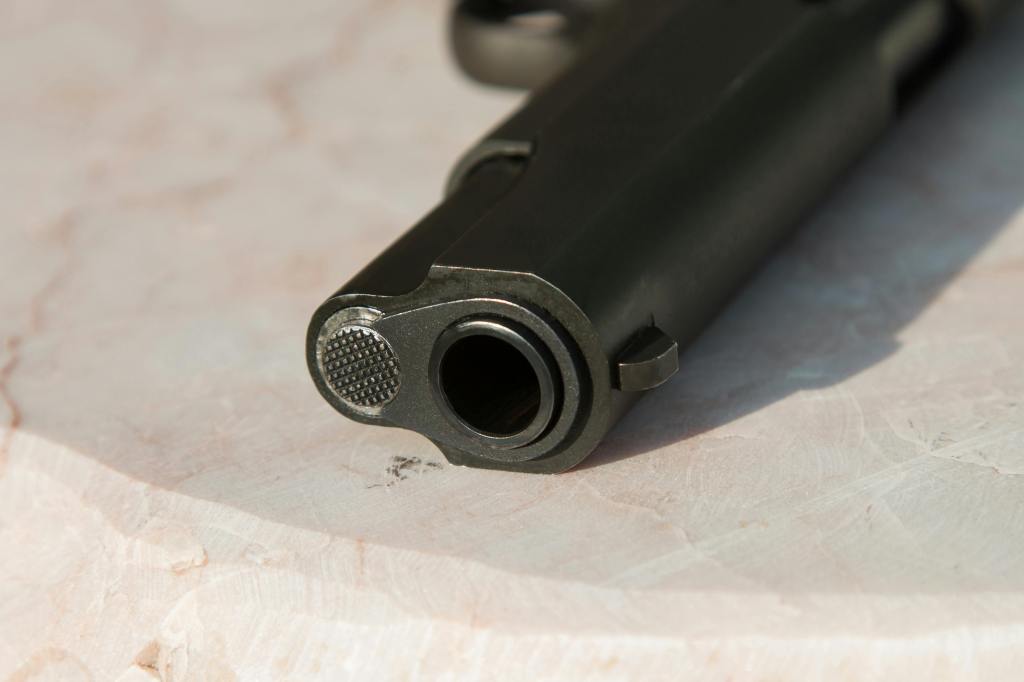
Benefits for Hunters, Sport Shooters, and Collectors
Suppressors have gained significant attention among firearms enthusiasts for their myriad advantages. Beyond simply muffling the sound of gunfire, they provide benefits that enhance the shooting experience, promote safety, and serve as valuable collectibles in the market. Below, we explore the many benefits of suppressors for hunters, sport shooters, and collectors.
Advantages for hunters
For hunters, suppressors offer distinct benefits that can significantly improve their experience in the field. First, they enhance stealth, allowing hunters to remain undetected by both game and other nearby individuals. Additionally, suppressors reduce noise levels, making it easier to maintain a low profile and avoid scaring off potential targets. Furthermore, the use of suppressors contributes to hearing protection, ensuring that hunters can enjoy their pursuits without the long-term risks associated with loud gunfire.
Benefits for sports shooters
Sport shooters also benefit immensely from the use of suppressors. One of the primary advantages is their ability to enhance accuracy. The reduced noise and recoil allow for better focus and a steadier aim during competitions. Moreover, suppressors provide hearing protection for shooters, which minimizes the risk of permanent hearing damage. Lastly, by minimizing noise pollution at shooting ranges, suppressors help reduce noise complaints from surrounding communities.
Collector interest
Limited-run suppressors are increasingly viewed as investment pieces, with their value potentially appreciating over time due to their rarity and unique features. Collectors seek out these specialized suppressors for their potential to serve as valuable additions to their collections. As a result, the market for suppressors continues to grow, reflecting their dual role as practical tools and sought-after collectibles.
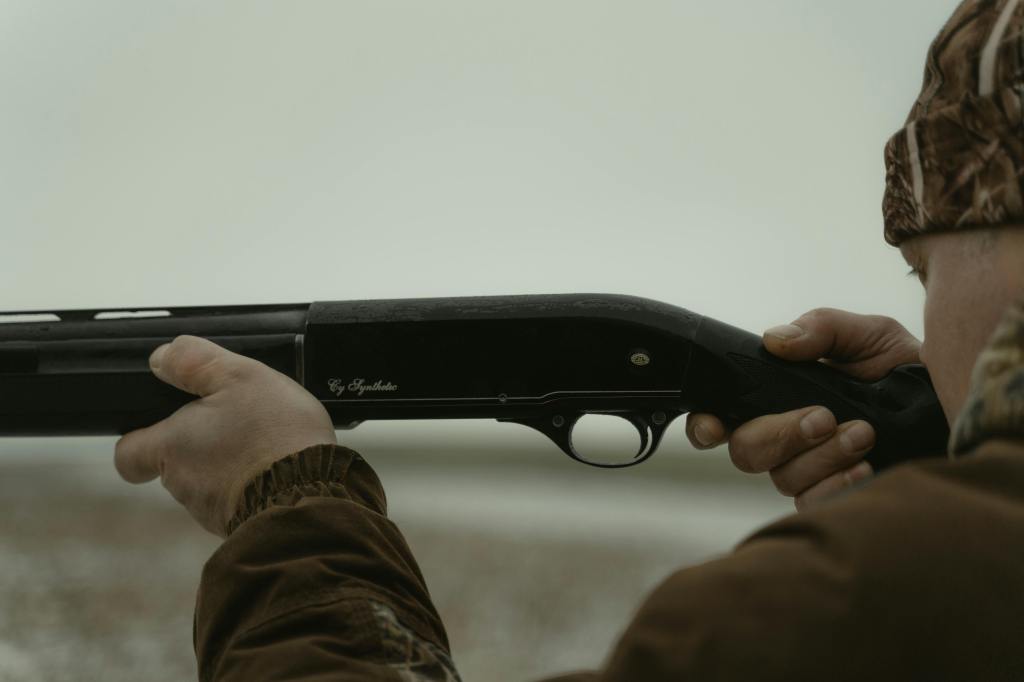
Legal Considerations: Navigating NFA Rules and State Laws
Suppressors are devices designed to reduce the noise generated by firearms. Suppressors are regulated under the National Firearms Act (NFA) of 1934.
National Firearms Act (NFA)
The NFA imposes several requirements for the ownership of suppressors, including the necessity of a $200 tax stamp for each device. To legally obtain a suppressor, gun owners must submit the ATF Form 4 application to the Bureau of Alcohol, Tobacco, Firearms, and Explosives (ATF). This process involves fingerprinting and a comprehensive background check. All suppressors must be purchased from licensed dealers and registered within the National Firearms Registry.
The Hearing Protection Act (HPA)
Recent efforts, such as the Hearing Protection Act (HPA), aim to amend the current legal framework by reclassifying suppressors as firearm parts rather than regulated devices. If successful, these changes would eliminate the tax stamp requirement starting January 1, 2026. However, it’s important to note that gun owners would still need to register the suppressors and complete a background check.
State laws and regulations
State laws regarding silencer ownership can vary significantly. Some states impose additional requirements or restrictions beyond federal mandates, while others prohibit civilian ownership and impose severe penalties for non-compliance. It’s crucial for those interested in suppressors to research their state’s laws.

Buying a Suppressor: What Owners Need to Know
Buying a suppressor can enhance your shooting experience, but it requires careful consideration and adherence to legal requirements. Understanding the process from selection to approval is essential for a smooth transaction.
Choosing the right model
The first step in purchasing a suppressor is selecting the model that best suits your needs. It’s important to consider your intended use, such as hunting, tactical operations, or shooting sports. Each application might require different features in a suppressor. Additionally, ensure that the suppressor is compatible with your firearm’s caliber to avoid any potential damage or unsafe conditions.
Consider the type of gun and its barrel length, as these factors influence the suppressor’s fit and functionality. Finally, pay attention to the Noise Reduction Rating (NDR), as not all suppressors provide the same level of sound mitigation.
Verifying legality
Before proceeding with your purchase, it’s crucial to verify the legality of owning a suppressor in your state. Always buy from authorized and licensed dealers to ensure compliance with relevant laws. Conduct thorough research on state-specific regulations and any additional requirements. Resources such as your state’s legal guides and the National Rifle Association Institute of Legal Action (NRA-ILA) can provide valuable information. Furthermore, familiarize yourself with federal regulations that outline the eligibility criteria for purchasing a suppressor, including age restrictions, residency qualifications, and the completion of ATF applications, along with a successful background check.
Suppressor paperwork
Once you have chosen your suppressor and verified that it is legal to purchase, the next step is to submit the necessary paperwork. This involves completing the ATF Form 4, along with any applicable state and local requirements, such as obtaining licenses and permits. Ensuring that you complete all forms accurately will help prevent delays in the approval process.
ATF approval
After submitting your paperwork, the final step is to wait for approval from the Bureau of Alcohol, Tobacco, Firearms, and Explosives (ATF). This process can be time-consuming, and patience is essential. Being informed about the timeline and potential delays can help you manage your expectations as you await your suppressor’s legal status.
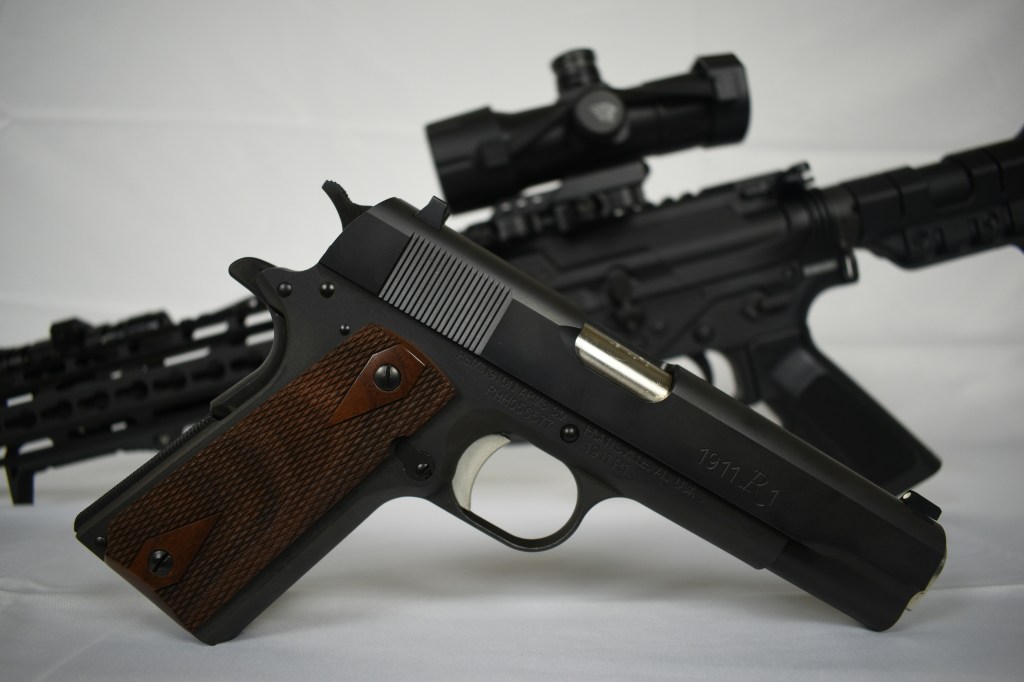
Suppressors for Hunting: Practical Advantages in the Field
Suppressors have become increasingly popular among hunters for their numerous benefits. These tools not only enhance the hunting experience but also prioritize ethical practices and safety.
Hearing protection and situational awareness
One of the primary advantages of using a suppressor is the protection it offers to a hunter’s hearing. By significantly reducing the noise of gunfire, suppressors allow hunters to maintain better situational awareness in the field. This means they can remain alert to their surroundings without risking damage to their hearing from loud firearm sounds.
Improved accuracy and reduced recoil
In addition to protecting hearing, suppressors can improve a shooter’s accuracy. Many suppressors help reduce recoil, allowing for better focus and control during shooting. As a result, hunters can achieve more precise shots, increasing their chances of success while minimizing the chances of a wounded animal escaping.
Ethical hunting practices
Suppressors also play a role in ethical hunting by decreasing the overall noise produced during a hunt. This sound reduction minimizes the likelihood of spooking nearby game, making hunters less intrusive in the ecosystem. For a comprehensive blog on ethical hunting, click here.
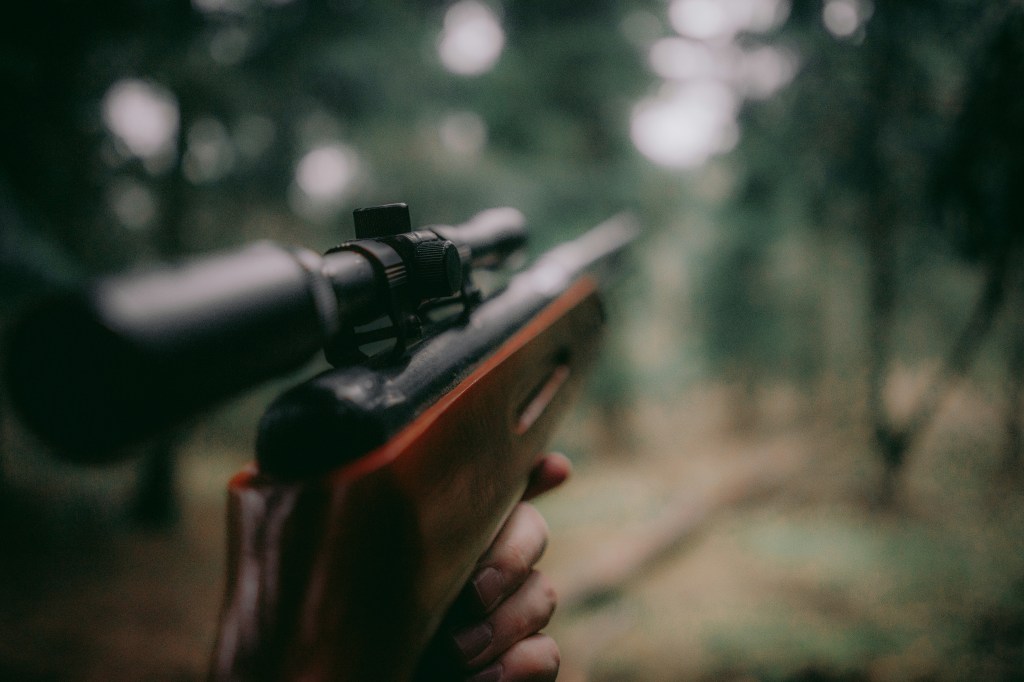
Safety Myths and Misconceptions About Suppressors
While many people believe suppressors render guns silent, the truth is that suppressors enhance safety and accuracy for various types of shooters. This section explores the real benefits of suppressors, dispels common myths, and addresses misconceptions surrounding their use.
Benefits of suppressors
One of the primary benefits of suppressors is their ability to minimize the risk of hearing loss by reducing noise levels. Although they do not eliminate the need for hearing protection, suppressors significantly lower the decibel output of gunfire, thereby contributing to a safer shooting environment. Additionally, suppressors can enhance accuracy by reducing recoil, allowing shooters to maintain better control and focus on their target.
Myths about suppressors
There are several persistent myths regarding suppressors that contribute to misunderstandings. A common belief is that suppressors make guns completely silent, which is not accurate. While they do diminish noise, gunshots are still audible. Another myth suggests that suppressors decrease accuracy; in fact, they can improve accuracy by mitigating recoil. Furthermore, some people think that only criminals use suppressors; however, they are legal in 42 states and are commonly used by licensed firearm owners.
Misconceptions of suppressor ownership
A wide range of shooters, including hunters, law enforcement personnel, and competitive shooters, use suppressors. Contrary to popular belief, the use of suppressors is regulated by the Bureau of Alcohol, Tobacco, Firearms, and Explosives (ATF), which requires buyers to apply, purchase from licensed dealers, and undergo extensive FBI background checks and a NICS check at point of purchase. This ensures that suppressors are in the hands of responsible users, further highlighting their safety benefits.
Collecting Suppressors: Rarity, Build Quality, and Model Histories
Suppressors have undergone an intriguing evolution spanning over a century. From early designs to modern suppressor technology, these devices fascinate collectors and firearm enthusiasts. Recognizing their history, build quality, and rarity enhances their value and appreciation as engineering feats.
Rarity of early models
Among the vast array of suppressors, early Maxim silencers stand out for their rarity and historical significance. Produced by Hiram Percy Maxim, these early models are pieces of engineering history. Collectors seek out these limited-production models for their unique characteristics and the story they tell about the progression of suppressor technology.
Build quality
In contrast to their historical counterparts, modern suppressors benefit from advances in materials such as titanium and Inconel. These contemporary builds are designed for enhanced durability and performance, showcasing superior engineering that meets the demands of today’s shooters. The choice of materials affects functionality while showcasing a commitment to craftsmanship.
Model histories
The evolution of suppressors is marked by fascinating histories that trace their journey from rudimentary designs to the sophisticated models available today. Each generation of suppressors reflects advancements in technology and sound dynamics. Collectors explore the stories behind models, focusing on innovations that enhance performance and reduce noise.
Insurance Considerations for Suppressors and NFA Items
Suppressors are valuable, regulated items—and often not fully covered under standard homeowner’s policies. Specialized firearm insurance ensures protection against theft, damage, or loss, including transit to and from the range.
At 1776 Insurance, we offer comprehensive coverage tailored specifically for gun collections and accessories. Our policies feature higher limits of protection, offering peace of mind both at home and while you’re away, including during travel or exhibitions. Additionally, we simplify the process for collectors by not requiring appraisals for most items, making it easier for you to insure your gear without the added hassle.
The Future of Suppressor Technology
Advances in metallurgy, modular designs, and 3D-printed baffle stacks hint at the next generation of suppressors. Collectors watching these trends gain early insight into future classics.
This article is intended for informational purposes only and you should not interpret anything contained in it as legal advice. Collectibles Insurance Services, LLC, its parents, affiliates, and anyone connected with them are not responsible or liable in any way for your use of the information contained in or linked to from this article. Reliance on the information provided in this article is solely at your own risk. If you have questions about gun laws or any of the topics addressed in the article, you should contact an attorney or subject-matter expert.
Sources
https://crateclub.com/blogs/loadout/what-is-a-suppressor-understanding-the-mechanics-and-benefits
https://veroarms.com/legal-considerations-for-buying-suppressors/
https://www.usconcealedcarry.com/blog/suppressors-explained-facts-for-gun-owners/
https://www.themeateater.com/hunt/firearm-hunting/the-total-guide-to-buying-a-suppressor
https://www.thefirearmblog.com/blog/2016/03/24/beginners-guide-suppressors-part-1/
https://en.wikipedia.org/wiki/Silencer_(firearms)
https://congressionalsportsmen.org/policy/firearm-suppressors/
https://www.nraila.org/articles/20250522/us-house-passes-reconciliation-bill-removing-suppressors-from-the-national-firearms-act
https://www.volpelawllc.com/understanding-silencer-ownership-and-nfa-gun-trusts-a-guide-for-gun-enthusiasts/
https://americansuppressorassociation.com/education
https://www.alexkincaid.com/what-gun-owners-need-to-know-about-the-2026-nfa-changes/
https://legalclarity.org/are-suppressors-being-removed-from-the-nfa/