
Understanding Hunting Licenses: Your Guide to Rules and Requirements
Navigate the essential rules and requirements for hunting licenses. Ensure you’re compliant and ready for your next adventure. Read more to stay informed.
Understanding Hunting Licenses: Why They Matter for Every Hunter
Hunting provides a valuable opportunity to connect with nature while supporting wildlife conservation. However, navigating the complexities of hunting licenses and permits can be challenging, especially for those planning multistate hunts or pursuing multiple species. Understanding the regulations governing hunting licenses is crucial to ensuring compliance with legal requirements and maximizing your hunting experience.
By familiarizing yourself with the types of licenses available and the specific requirements for each state, you can save time, money, and avoid unnecessary frustration. This guide will cover the essentials of hunting licenses, including what you need to know to hunt responsibly and ethically. If you are thinking about getting a hunting license, check with your state’s wildlife agency for their specific requirements. Remember, this is only a guide.
What Are Hunting Tags, and Why Do They Exist?
Hunting tags are essential tools that help wildlife agencies manage animal populations through controlled harvesting. They serve multiple purposes, including regulating hunting practices, collecting valuable data for wildlife management, and supporting conservation efforts.
Understanding hunting tags
Hunting tags can vary significantly based on several factors, including species, sex, region, and hunting season. This variability means that not all tags are easy to obtain; some may be readily available, while others can be more difficult to secure, particularly for big game. Tags play a critical role in wildlife management by helping agencies track animal populations and ensure sustainable practices. After a successful hunt, the tag is typically attached to the animal, often requiring the hunter to sign and date it to validate the harvest.
Obtaining a game tag
To acquire a hunting tag, hunters must first possess a valid hunting license. Depending on the region and game type, tags may be available over the counter (OTC) or through a lottery or draw system, especially for popular big game species. Hunters need to acquire additional permits or tags for most species other than small game, in addition to their base license.
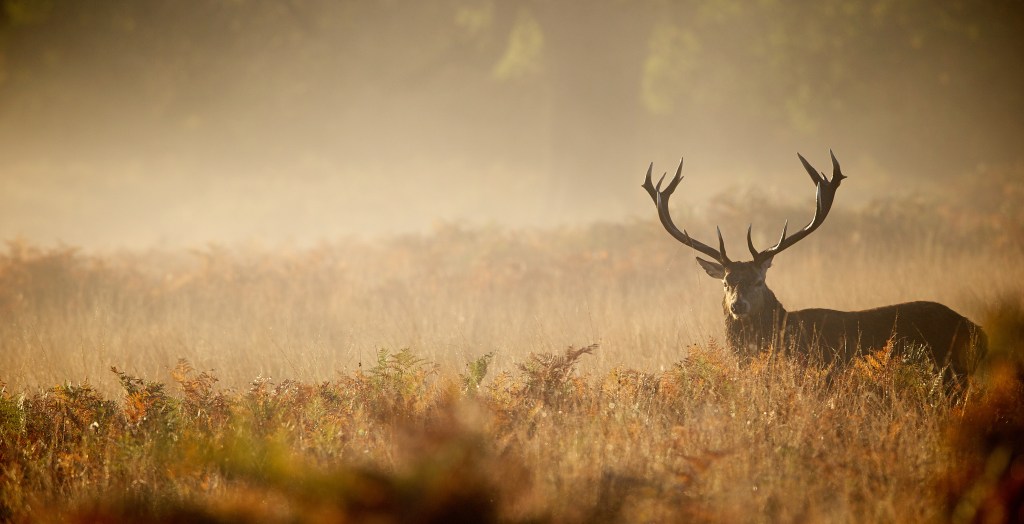
Draw Systems: The Hunting Lottery That Decides Your Season
In many states, participating in premium hunts involves entering a draw system that determines if hunters will have the opportunity to pursue specific game. This process requires advance planning, as hunters must apply and pay a fee before learning whether they will be successful.
Understanding draw systems
Draw systems for hunting licenses vary significantly from state to state. For many premium hunts, entering a draw is a prerequisite. Hunters must submit their applications in advance, often accompanied by a small fee, and then patiently await the results. The results will determine not only whether they are approved but also whether they will be heading out to hunt elk in October or whether they will have to wait another year for their chance.
The lottery system explained
One common type of draw system is the random or lottery system. This format aims to provide equal opportunity for all applicants, regardless of their experience level. Whether a hunter is a seasoned veteran or a newcomer, they have the same chance of securing limited availability or draw tags for high-demand species. Several states use a pure lottery system to distribute big game tags. Notable among these are Idaho, Alaska, and New Mexico. In these states, hunters enter a draw for big-game hunting licenses, ensuring fair access to hunting opportunities for all interested in pursuing big game.
Preference Points, Bonus Points, and Hybrid Systems
In the realm of hunting, points systems play a pivotal role in determining eligibility for drawing tags and licenses. These systems are designed to reward hunters based on their experience and commitment, offering multiple opportunities to succeed in the annual lottery-style draws.
Preference points
Preference points are designed to favor hunters who have participated in the system for an extended period. In this system, applicants accumulate points every year they apply without drawing a tag. Those with the most points are prioritized in the drawing, significantly increasing their chances of securing a coveted hunting license. This method encourages long-term commitment and intensifies competition for tags, as seasoned hunters benefit from sustained participation.
Bonus points
The bonus points system offers a different approach. Bonus points increase a hunter’s probability of receiving a low draw number in hopes of drawing a tag. While this system does not guarantee a successful outcome, it systematically increases a hunter’s chance over time, rewarding repeat applicants. The bonus point system rewards repeat customers by giving them additional chances in the draw for each year they are unsuccessful.
Hybrid systems
Some states use a blended draw system that combines elements of both preference and random selection. The ratio of these two methods varies by state, creating a unique approach to the drawing process. For example, Wyoming employs a system with 75% of the draw based on preference points and 25% on a random basis. In contrast, Arizona opts for equal opportunity, allocating 50% to each method.

Over-the-Counter (OTC) Tags: The Instant Option
For those who enjoy the thrill of spontaneity in their hunting adventures, over-the-counter (OTC) hunting tags offer a convenient and flexible option. These tags eliminate the need to enter a draw and allow hunters to purchase their licenses easily, making them ideal for last-minute excursions.
The flexibility of OTC tags
One of the primary advantages of OTC tags is their availability without the need for a drawing system. This flexibility makes them particularly attractive for hunters who may want to take unplanned trips or travel out of state. However, it’s important to note that while OTC tags enhance accessibility, they may also come with increased competition and hunting pressure.
OTC tags are particularly common in whitetail deer hunting, especially in the eastern regions of the United States. Hunters can simply walk into a sporting goods store and purchase their tag, allowing them to participate in the hunting season immediately.
Purchasing limitations
While OTC tags are convenient, there may be limits on how many can be sold in a single day. Some locations may operate on a first-come, first-served basis, adding urgency for those seeking to secure their hunting license. Being aware of these factors is crucial for hunters aiming to maximize their chances of a successful outing.
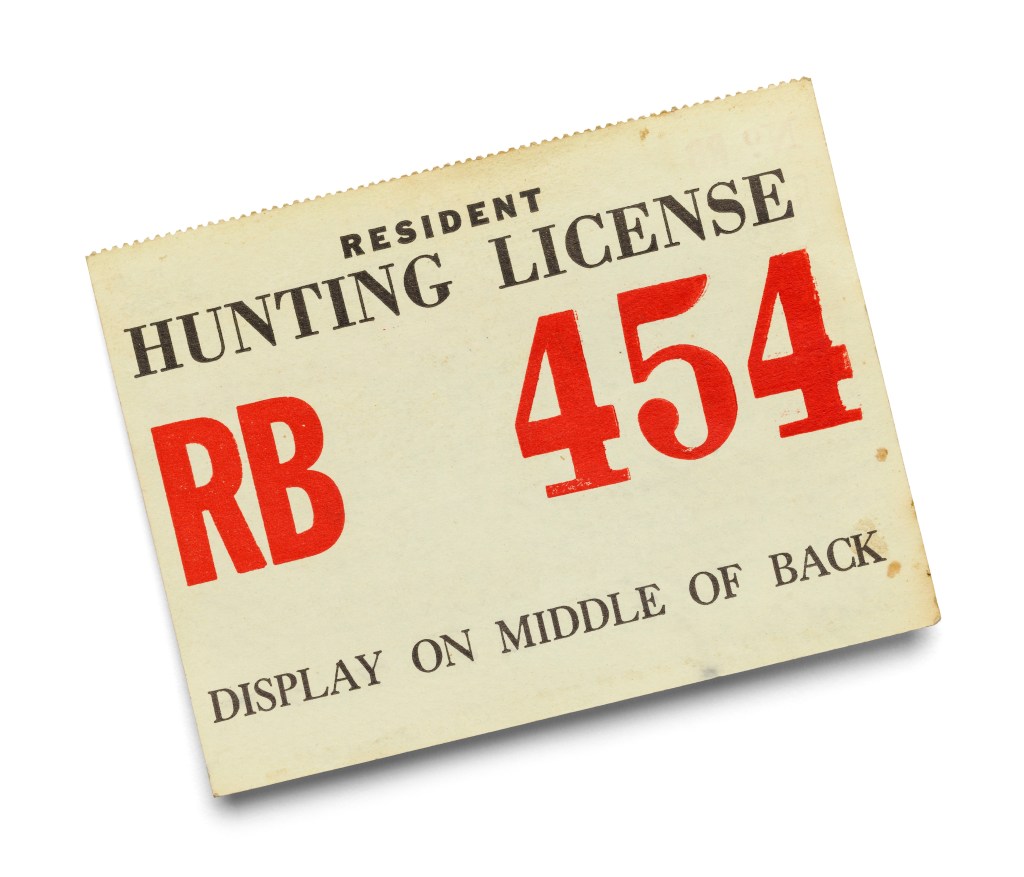
Understanding State Differences: No Two Licensing Systems Are Alike
Every state has its own hunting regulations, deadlines, and terminology, making it imperative for hunters to navigate these rules carefully. Familiarizing oneself with state-specific wildlife agency resources and residency requirements is essential for a successful hunting season.
Licensing requirements
Hunting licenses are tailored to specific animals and locations and can be obtained through various channels, including online platforms, agency offices, and licensed vendors. General licenses typically cover smaller game, while specific privileges or tags are required for larger animals. Common license options include annual, short-term, or lifetime licenses, with some states offering lifetime hunting licenses to residents that grant lifelong hunting privileges.
Resident vs. non-resident hunters
All states differentiate between resident and non-resident hunters, with non-resident licenses typically costing significantly more. Generally, nonresident hunting licenses are priced significantly higher than those for residents, reflecting the different access and management priorities of state wildlife resources.
State-specific regulations
Kansas
All resident hunters age 16 through 74 must have a resident hunting license unless exempt by Kansas Law. Kansas residents 75 years of age or older are not required to purchase a hunting and/or fishing license.
Nevada
Hunting regulations in Nevada prioritize sustainable management for both wildlife and people. Big game tags are allocated via a computerized drawing system, with the primary application period occurring from mid-March to mid-May. To hunt migratory waterfowl, hunters need a Nevada hunting license, a Nevada HIP number, and a Federal E-Duck Stamp. For swan hunting, additional permits and stamps are required.
New York
In New York, an annual hunting license is mandatory for both big and small game hunting. First-time hunters are required to complete one or more courses to qualify for a hunting license.
North Carolina
All licensed hunters hunting migratory game birds in North Carolina are required to have certification in the Federal Harvest Information Program (HIP). Additionally, waterfowl hunters need a Federal Duck Stamp, and youth who are exempt from the hunting license requirement can obtain an e-stamp free of charge. For bear hunting, a bear management electronic stamp (e-stamp) is necessary alongside the hunting license.
How to Get Your First Hunting License Step-by-Step
Embarking on a hunting journey requires understanding the licensing process, which can vary significantly from state to state. For beginner hunters, understanding the steps and requirements is essential to ensure a successful, compliant hunting experience.
Obtaining a hunting license
For those new to hunting, the initial steps include taking a hunter education course, selecting target species and the corresponding season, buying a hunting license, and applying for necessary tags. Many states streamline the application process through online systems, making it easier for hunters to acquire their licenses. First-time hunters must complete a certified safety course covering firearm safety, ethics, and conservation, often completed online or in person.
Each state has its own unique requirements for hunting licenses, so it is crucial for hunters to consult their specific state’s wildlife agency website for precise information. General licenses typically do not cover larger animals, requiring additional privileges or tags for such hunts.
Hunting license types
Various types of licenses cater to different demographics, including youth, adults, and combination licenses. A general hunting license may allow for hunting small game, migratory birds, fur-bearing animals, predatory animals, and upland game birds. Many states also offer reduced-fee or free licenses for youth, seniors, and individuals with disabilities to promote hunting participation in these groups.
A Federal Duck Stamp is required nationwide for all waterfowl hunters age 16 and older to hunt ducks and geese. Most states require a free Harvest Information Program certification for hunting migratory birds.
Steps to acquire your license
To obtain a hunting license in 2026, prospective hunters must complete a hunter education course and present valid identification. Generally, applicants need to be aware of state-specific age and ID requirements, which often include a state ID and Social Security Number. First-time hunters must also complete a certified safety course focused on firearm safety, ethics, and conservation. Minimum age requirements for hunters vary by state, often allowing youth hunters as young as 12 with supervision.
Purchasing a hunting license
Hunters can typically get their licenses through various channels, including state wildlife agency websites, sporting goods stores, or local wildlife offices. Pricing for these licenses can vary based on state regulations, the type of species, and residency status. On average, resident licenses range from $10 to $50, while non-resident licenses can range from $80 to over $350.
License fees
The cost of a hunting license can vary significantly depending on the species being hunted. For example, big game tags for animals like elk, bear, or moose can range from $50 to $700 or more. Additionally, lifetime licenses may range from $380 to $1,500, depending on the hunter’s age and the state in which they reside. Junior or youth licenses are reduced-cost licenses typically for hunters under 16 or 17.

Planning Strategy: Balancing Draw Hunts, OTC Opportunities, and Long-Term Goals
Successful hunters employ multi-year strategies that blend high-odds OTC (over-the-counter) hunts with long-term point accumulation to set their sights on dream trips. This approach not only enhances their chances of success but also fosters a deeper appreciation for the hunting experience itself.
Hunting applications and draws
As the application period for big game licenses approaches in many states, it’s essential for hunters to be well-informed about the process. Species-specific tags and permits are mandatory for hunting big game such as deer, bear, or turkey. Before securing these additional privileges, an annual hunting license must be purchased to ensure compliance with state regulations.
Both residents and non-residents can purchase a bonus point or automatically receive one if their big game tag application is unsuccessful. These bonus points are invaluable for enhancing future chances in the tag lottery system, allowing hunters to build their odds over time.
Wildlife management and license distribution
The number of licenses available for any given species is determined by the maximum number of animals that can be sustainably harvested from the population. State agencies closely monitor population trends and hunter success rates, which are crucial in determining how licenses are allocated to the public.
Combo licenses for efficient hunting
For hunters looking to combine their outdoor pursuits, combo licenses offer convenient access to both hunting and fishing privileges, often at a discounted rate. It’s important to note that hunting licenses typically expire 365 days from the date of purchase, though exceptions exist for multi-year and lifetime licenses. This flexibility allows hunters to plan their activities more effectively throughout the year.
Insurance Considerations for Expensive Gear Used on Tag Hunts
Draw hunts often involve travel, rugged terrain, and costly gear. Specialty insurance protects rifles, optics, knives, and equipment from loss or damage during the season. Specialty insurance offers peace of mind for both hunters and collectors.
In 1776, we understand that hunting gear like guns, knives, and accessories requires a tailored approach to protection. Our full arsenal of protection services is designed to meet the unique needs of those who collect these valuable items. With over 50 years of experience, Collectibles Insurance Services has been dedicated to helping enthusiasts protect their cherished collections, ensuring their investments are safe and secure.
This article is intended for informational purposes only and you should not interpret anything contained in it as legal advice. Collectibles Insurance Services, LLC, its parents, affiliates, and anyone connected with them are not responsible or liable in any way for your use of the information contained in or linked to from this article. Reliance on the information provided in this article is solely at your own risk. If you have questions about gun laws or any of the topics addressed in the article, you should contact an attorney or subject-matter expert.
Sources
https://www.themeateater.com/hunt/big-game/big-game-tags-understanding-license-draws
https://www.themeateater.com/hunt/big-game/a-guide-for-hunting-tags-and-licenses
https://gearjunkie.com/outdoor/hunt-fish/hunting-tags-licenses-permits
https://www.huntinfool.com/beginners-guide-hunting-applications-draws
https://www.hunter-ed.com/blog/hunting-basics-get-license/
https://www.reserveamerica.com/articles/fishing/how-to-get-a-hunting-license/
https://uh.app/news/hunting-license-faq-how-to-get-a-hunting-license-in-the-usa-whether_-PbnIHojEfCDrJ386rp2wg
https://www.ncwildlife.gov/hunting/hunting-licenses
https://dec.ny.gov/regulatory/permits-licenses/sporting-and-use/sporting/hunting-license
https://ksoutdoors.gov/Hunting/Applications-and-Fees
https://www.themeateater.com/hunt/big-game/big-game-tags-understanding-license-draws
https://www.ndow.org/apply-buy/apply-buy-hunting/
https://legalclarity.org/what-are-deer-tags-and-how-do-they-work/