
Essential Gun Cleaning Schedules for Optimal Performance and Longevity
Discover effective gun cleaning schedules to enhance performance and extend the life of your firearm. Read the article for practical tips and guidance.
Gun Cleaning Schedules: Why “More” Isn’t Always Better
Collectors often assume that frequent cleaning indicates better care for their firearms, but this is not always true. Cleaning your firearms properly is essential for protecting their finishes, preserving tolerances, and maintaining long-term value. A clean gun reduces the risk of accidental discharge, enhancing safety. Neglecting maintenance can lead to misfeeds, jams, and failures to fire, making regular care crucial for performance and safety.
This guide will provide various cleaning techniques tailored to different firearm types. However, it is important to note that this information is intended for general guidance. For specific questions or concerns about your firearm maintenance, you should always consult subject-matter experts to ensure best practices are followed.
What Actually Determines How Often a Gun Needs Cleaning
Proper firearm maintenance is crucial for their longevity and performance. Factors such as usage, environment, ammunition type, and storage conditions impact how often and thoroughly a gun should be cleaned.
- Usage: For firearms regularly used for self-defense, it is crucial to maintain a more rigorous cleaning schedule than for those used less frequently. Incorporating light cleaning after every shooting session can effectively prevent the buildup of residue. Regular range shooters typically clean their firearms after each session as a best practice. Many frequent range shooters prefer to use the rule of 500, thoroughly cleaning their gun after every 500 rounds.
- Environment: Any exposure to elements such as rain, mud, sand, sweat, or salt requires immediate cleaning to prevent corrosion and damage. Additionally, If your firearm is exposed to extreme temperatures, humidity, rain, or snow, it is crucial to clean and lubricate it as soon as possible after the range.
- Ammunition Type: Corrosive ammunition requires immediate attention after firing, as residues can cause rust and deterioration. As a general rule, firearms should be thoroughly cleaned after every use, particularly when firing corrosive ammunition or under harsh shooting conditions, to ensure they remain in top condition.
- Storage: Guns stored should be cleaned thoroughly at least once a month to prevent moisture and dust accumulation, which can adversely affect their performance and longevity. Regular maintenance while in storage helps to preserve the firearm’s functionality over time.
- Performance: If a shooter notices decreased accuracy or sluggish cycling, immediate cleaning is necessary to restore optimal functioning. Regular checks and timely maintenance can help identify potential issues before they become problematic, ensuring that firearms are always ready for use when needed.
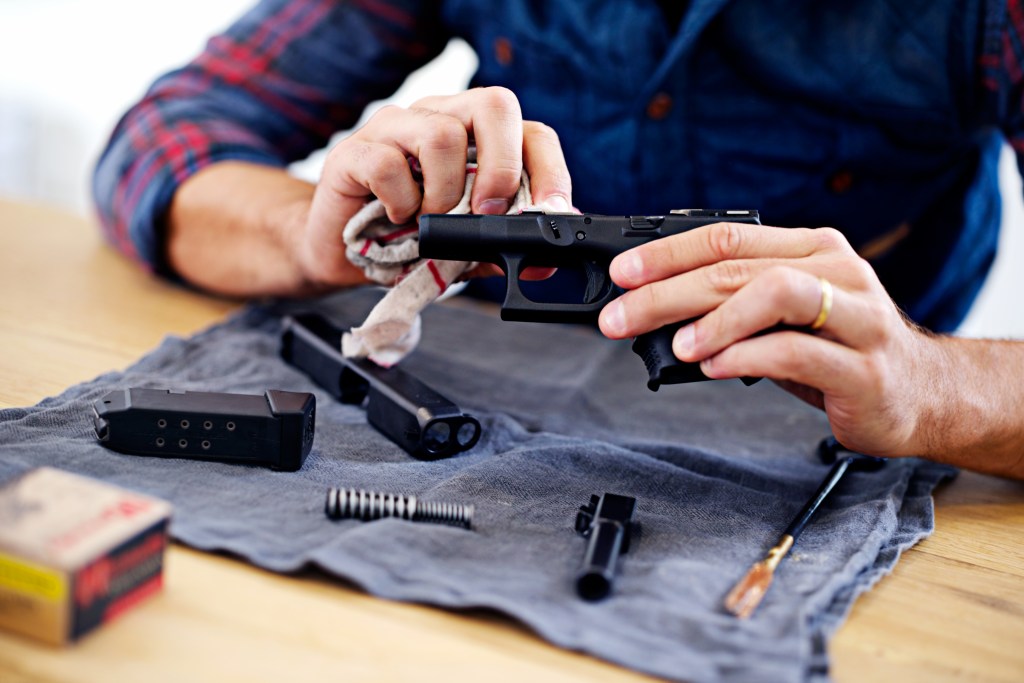
Pistol Cleaning Schedules: Balancing Reliability and Wear
Handguns benefit from regular—but not obsessive—cleaning. Semi-autos, revolvers, and carry pistols each have different tolerances for fouling and lubrication. Below, we explore important aspects of handgun cleaning, including safety protocols, supplies, fouling, lubrication, and cleaning frequency.
Safety first
Before you begin the cleaning process, it is vital to prioritize safety. Always ensure the firearm is unloaded by removing the magazine and clearing the chamber before cleaning. It is a good practice to check again before you proceed. Additionally, use safety glasses and gloves to protect against chemicals and debris during the cleaning process. Always point the gun in a safe direction and clean your firearm in a well-lit area away from children and pets.
Cleaning supplies
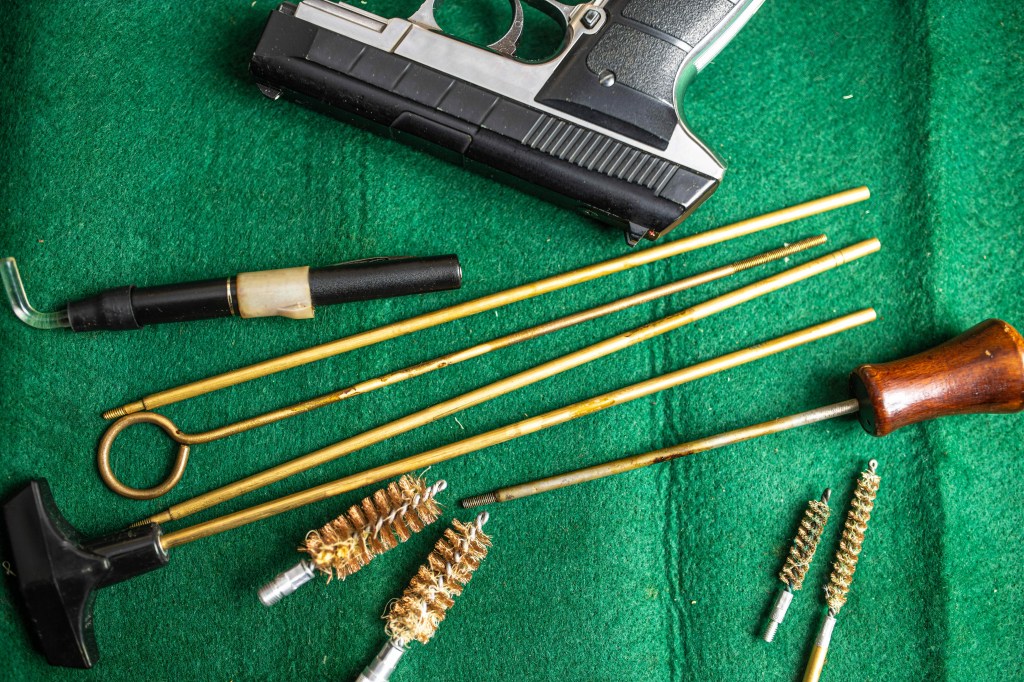
To effectively clean your pistol, you’ll need the right tools. Essential supplies include cleaning rods, bore snakes, caliber-specific bore brushes, and patches. Having these items on hand will facilitate a thorough cleaning process suited to your specific firearm.
Powder fouling
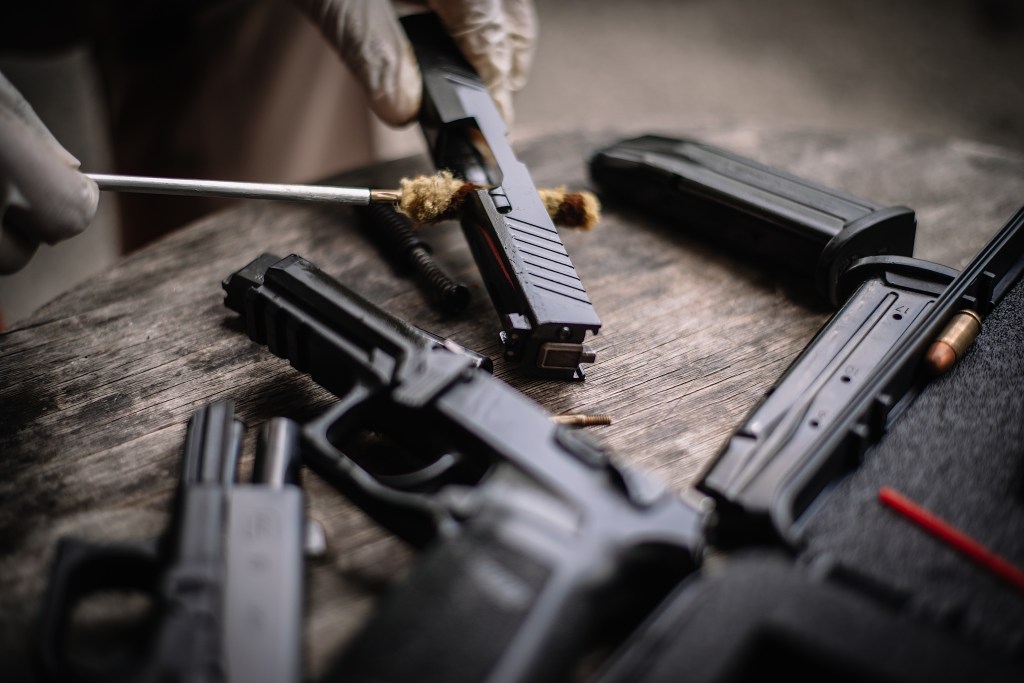
Fouling is the buildup of residues in the barrel caused by lead and powder from fired cartridges. For those using copper-jacketed bullets, both copper and powder fouling can occur. Use a bore brush and solvent to clean the barrel and remove fouling and carbon buildup. Regular cleaning of your pistol helps prevent this buildup, ensuring the firearm remains in optimal working order.
Lubrication
After cleaning, apply a small amount of lubricant or gun oil to all moving parts and high-friction areas. This serves to minimize friction and enhance the firearm’s performance. However, avoid over-lubricating it as excess oil can attract dirt and debris, which may negatively affect functionality. Over-oiling is a common mistake that can trap debris and cause malfunctions.
Determining cleaning frequency
The frequency of cleaning your handgun generally depends on how often it is used. Handguns that are used regularly should be cleaned after each session, particularly if they are exposed to outdoor conditions. Additionally, stored guns require occasional cleaning to prevent rust and corrosion and to maintain their reliability.
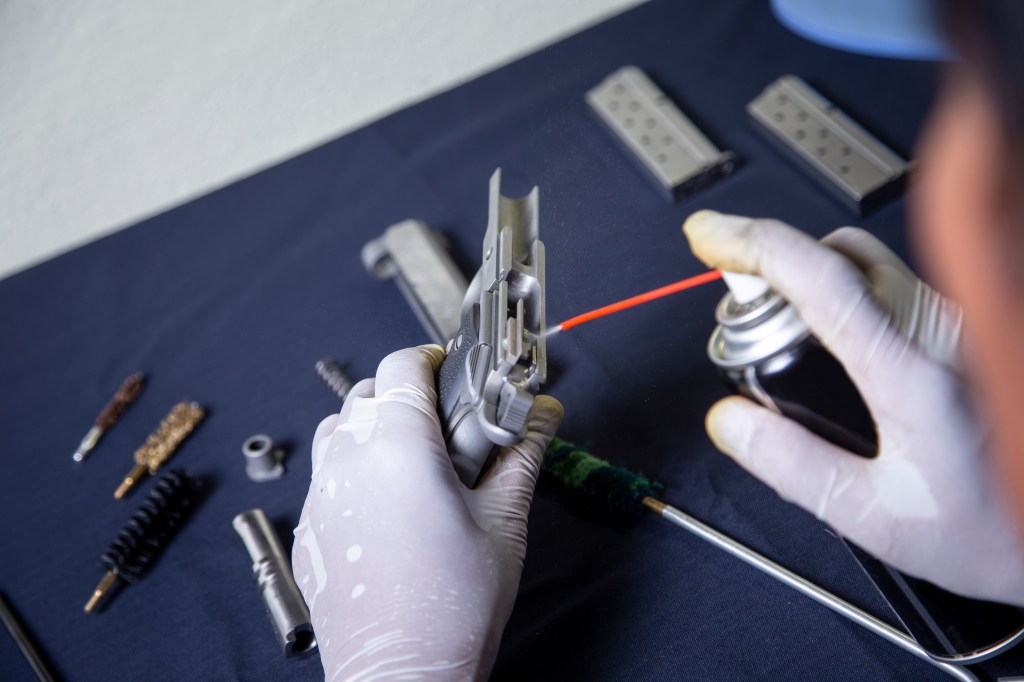
Rifle Cleaning Schedules: Precision vs. Preservation
Maintaining your rifle is crucial for ensuring its accuracy and longevity. However, it’s important to approach the cleaning process with care, as overcleaning can reduce performance, especially in precision barrels.
Safety first
Before beginning any cleaning process, safety should always be your top priority. It’s essential to ensure that your rifle is unloaded. Take the time to double and triple-check that the chamber is clear. Remove any magazines and physically and visually inspect for any live ammunition that may be loaded inside, particularly in internal magazines. Don’t forget your PPE! Safety glasses and nitrile gloves are recommended to protect against chemicals and debris during cleaning.
Cleaning
In some cases, partial disassembly may be necessary; always consult your manual for specific instructions. Pay close attention to small parts, such as recoil springs and firing pin, and keep them in a container to prevent loss. For cleaning the action, bolt, receiver, frame, and chamber, utilize cleaning swabs, utility brushes, and light cleaners. While swabs and brushes help remove debris, heavy fouling may require a light cleaner to help loosen buildup in tight spaces.
For the barrel, a cleaning patch with bore cleaner is recommended, along with a jag or brush to help push the patch through. Brush tips can be used as well, but make sure to pull them completely out before reversing to avoid any blockages. Always remember to dry off the barrel after cleaning.
Lubrication
Once the barrel, receiver, action, and bolt are clean and dry, it’s time to apply lubrication. Use a light oil on the moving parts as recommended in your user manual. However, it’s vital never to apply oil inside the barrel or chamber unless you plan to store the rifle for an extended period. Residual oil in these areas can impact ammunition performance, potentially leading to misfires. Use a clean, dry cloth to wipe down the exterior of the firearm after cleaning.
Final inspection
Reassemble the firearm according to the manual and perform a function check to ensure proper operation. As you reassemble your rifle, conduct a thorough inspection of all components. Look for any signs of excessive wear, damage, or irregularities that could pose future safety issues. Addressing concerns during this process is essential for maintaining your firearm’s optimal performance and ensuring your safety. Regular inspections during cleaning help maintain your rifle’s overall health and proper operation.
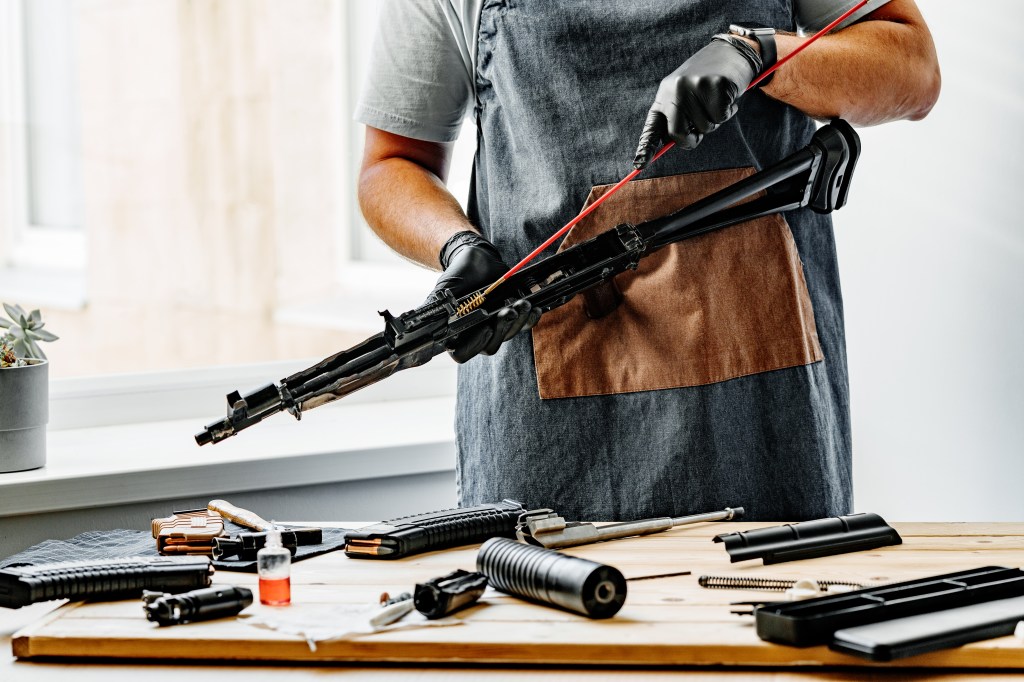
Shotgun Cleaning Schedules: Simple, But Often Overlooked
Shotguns are forgiving but can be affected by moisture and residue. Consistent cleaning keeps the bores bright and actions smooth, enhancing the shooting experience.
Shotguns and their design
Shotguns are designed to fire cartridges known as shotshells, which contain several small projectiles called shot. Unlike rifles, which have rifled barrels, shotguns typically feature smooth bores. While this design makes shotguns less accurate than rifles, the dispersion of multiple projectiles increases the likelihood of hitting a target, especially at close range. For effective cleaning, essential supplies include bore brushes, cleaning rods, patches, and lubricating oil.
Routine maintenance
A shotgun cleaning regimen can be divided into three main steps: interior cleaning, lubrication, and exterior cleaning.
- The interior cleaning process involves disassembling the firearm and ensuring that each internal component is thoroughly cleaned. Bore snakes or cleaning rods are effective tools for maintaining the bore.
- Lubrication is another crucial aspect, where a light application of oil is recommended for moving parts, as excess lubricant can lead to malfunctions.
- Exterior cleaning varies depending on the materials used; for instance, wood stocks should not be cleaned with harsh solvents to prevent damage.
Cleaning needs
Different types of shotguns feature unique design features that affect their cleaning routines.
- Semi-automatic shotguns fire one shot per trigger pull and automatically eject spent shells. They are popular for fast shooting in activities like duck hunting, but they require more complicated cleaning processes due to their design.
- Inertia-operated shotguns are prone to fouling at the muzzle but might have fewer moving parts, making them somewhat easier to disassemble. Conversely, gas-operated models require more maintenance because their gas systems and ports can accumulate excess fouling.
- Single-shot shotguns, on the other hand, fire one round and need to be reloaded after each shot. They are simpler in design, making them easier to clean, which generally involves regular wiping.
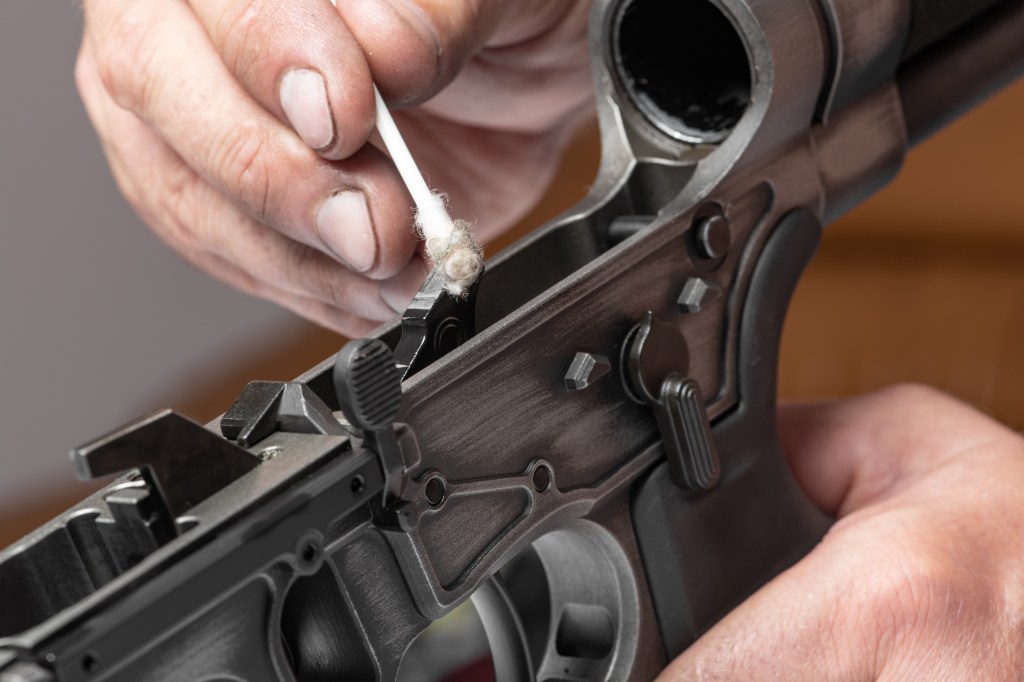
New Firearms vs. Vintage Pieces: Different Rules Apply
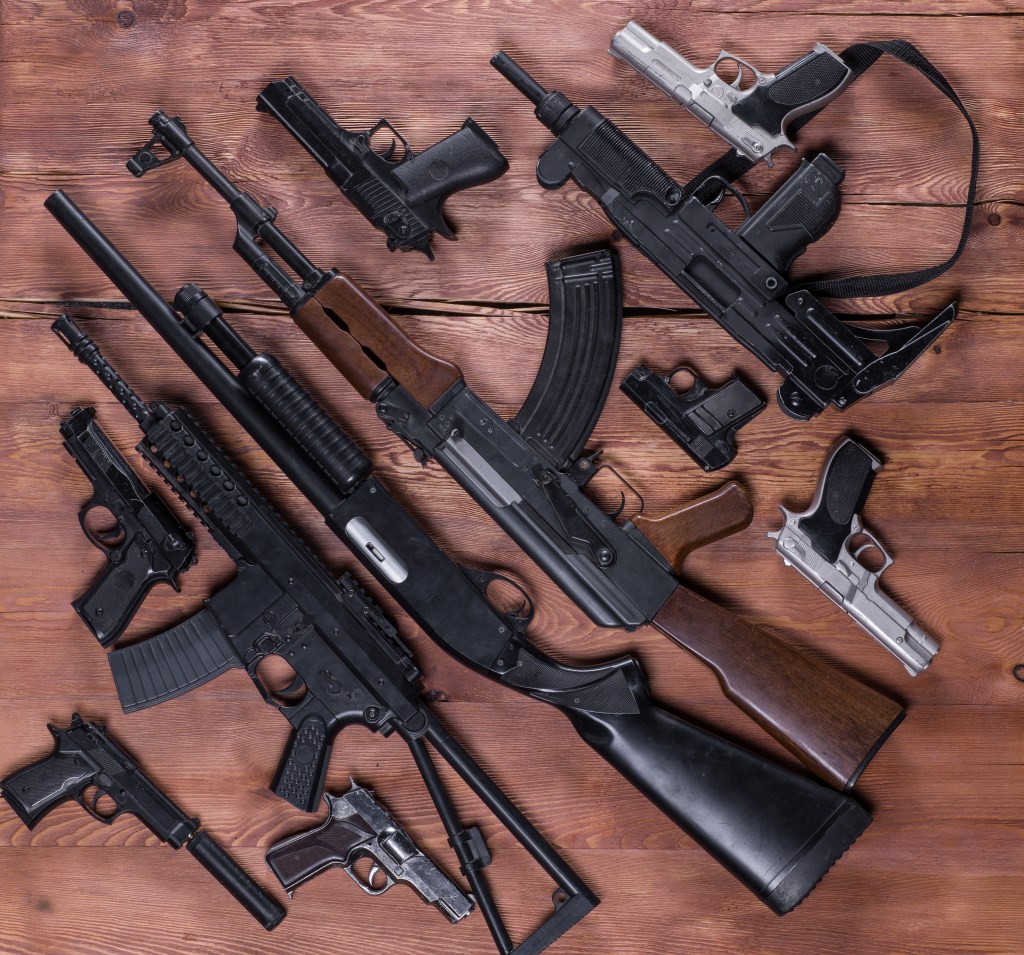
Cleaning and maintaining differs between modern and vintage firearms, so it’s important to understand their construction and materials to adopt the appropriate cleaning routine for each type.
Cleaning modern firearms
Modern firearms are designed to withstand frequent cleaning better than their antique counterparts. New guns should be cleaned before their first use to remove factory lubricants and debris that could affect performance. While modern firearms require maintenance, overcleaning and excessive lubrication can cause problems. Modern materials are also more durable, making cleaning easier.
Cleaning vintage firearms
Vintage firearms require careful cleaning to preserve their finishes, wood stocks, and historical integrity. Using gentler techniques is important to avoid damaging the patina that collectors value, as natural wear adds character. Prioritizing preservation while maintaining functionality is key when caring for these guns.
Signs You’re Over-Cleaning (and Doing More Harm Than Good)
A clean gun is vital for performance and safety. Regular gun maintenance ensures reliable operation, but it’s important to balance cleanliness with avoiding damage from excessive cleaning.
The dangers of over-cleaning
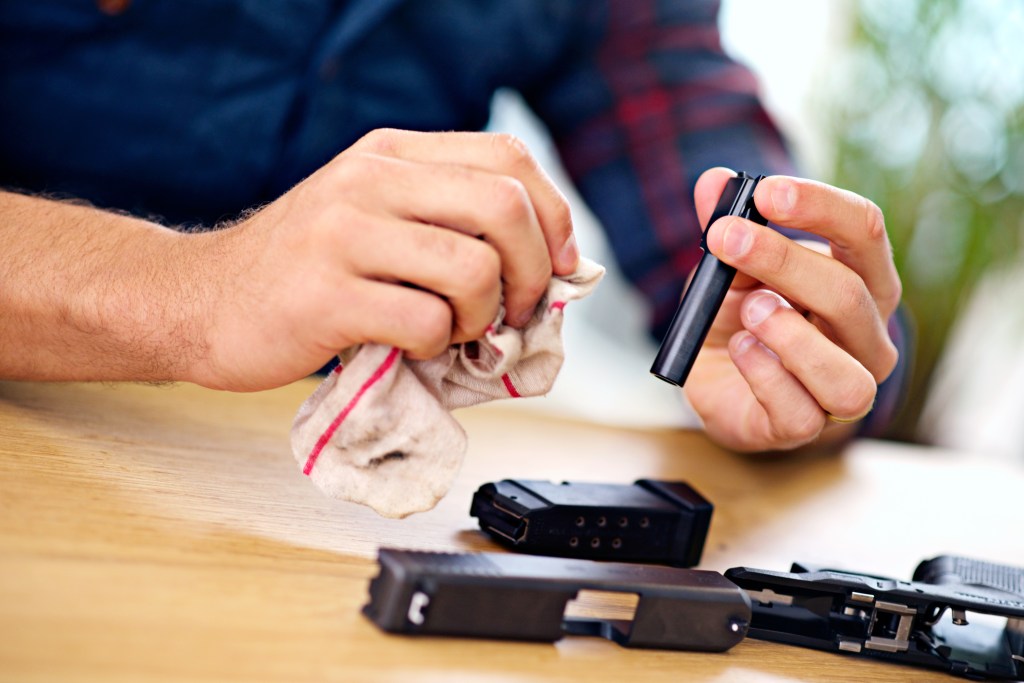
Excessive solvent use, aggressive brushing, and unnecessary disassembly can significantly accelerate wear on firearms. While it may seem counterintuitive, knowing when to stop cleaning is just as important as understanding the proper cleaning techniques. Over-cleaning can do more harm than good, compromising the firearm’s integrity.
Right approach to firearm cleaning
One key aspect of effective gun cleaning is to avoid cleaning from the muzzle end. Doing so can damage the crown of the barrel, adversely affecting accuracy. Instead, it’s advisable to clean from the breech whenever possible. This method not only helps maintain the integrity of the weapon but also enhances its overall performance.
Storage-Based Cleaning: Guns That Sit vs. Guns That Shoot
Proper firearm storage is essential to maintaining the integrity and functionality of your guns, especially those not used regularly. This guide outlines key practices for long-term firearm storage, ensuring your collection remains safe and in excellent condition.
Long term storage
Store firearms in a gun safe or lockbox to prevent unauthorized access and accidental misuse. It is crucial to perform periodic inspections, light oiling, and humidity control to prevent corrosion and damage without excessive handling. When storing firearms, it’s best to keep magazines organized and stored separately. This includes maintaining clear distinctions between loaded and unloaded magazines while keeping them free of dust and debris.
Proper conditions
Using a dehumidifier or silica gel packs in your safe can greatly enhance the storage conditions for your firearms by controlling humidity and preventing rust and corrosion. Regularly check the environment and consider a climate-controlled space for optimal protection. Vintage guns may need specialized care for their finishes. Wiping down firearms with a protective cloth is a simple yet effective practice that can prevent corrosion and keep guns in optimal condition.
Creating a Personalized Cleaning Schedule for Your Collection
Collectors of firearms face unique challenges in maintaining their valuable pieces. Tailoring maintenance schedules based on use, value, and material is crucial for preserving firearms’ condition and investment value. A documented routine aids in maintenance and strengthens insurance claims in case of damage.
- Inspections and Cleaning: Every firearm, whether regularly used, requires a thorough inspection and cleaning at least once a year. Regular inspections ensure all components are working properly and help catch potential issues early. A thorough deep cleaning, which includes disassembling the firearm, is essential. Documenting maintenance performed and the dates creates a valuable record for future reference.
- Gun Maintenance Schedule: Documenting maintenance routines helps develop a personalized maintenance schedule that tracks the various components of the firearm. Magazine springs should be checked and replaced every 6 to 12 months, which can be noted in a schedule. Recoil springs generally need replacement after about 3,000 rounds, while firing pin springs should be evaluated after roughly 5,000 rounds. Monitoring these details encourages proactive maintenance.
- Protocols for Optimal Performance: Routine inspections and specific cleaning protocols are essential for peak performance. Clean barrels after each use, especially if accuracy declines. Magazines also need regular cleaning to prevent feeding issues in semi-automatic firearms. Neglecting these maintenance tasks can lead to critical malfunctions, highlighting the need for a thorough cleaning regimen.
Insurance Considerations: Maintenance as Part of Risk Management
Regular cleaning and maintenance of firearms are essential to prevent malfunctions and corrosion. Documenting these practices demonstrates responsible ownership, which is important to insurers, especially for high-value collections. By following effective firearm preservation tips, collectors can ensure their guns remain in top condition and protect their investment.
This article is intended for informational purposes only. Collectibles Insurance Services, LLC, its parents, affiliates, and anyone connected with them are not responsible or liable in any way for your use of the information contained in or linked to from this article. Reliance on the information provided in this article is solely at your own risk. If you have questions about any of the topics addressed in the article, please contact a subject-matter expert.
Sources
https://www.grit.com/tools/hand-tools/gun-cleaning-zm0z14ndzreg/
https://www.thefirearmblog.com/blog/2016/03/16/cleaning-and-maintenance-schedules-how-do-you-do-it/
https://www.concealedcarry.com/firearms-ownership/how-often-to-clean-guns/
https://www.hoppes.com/ho-blog-new-gun-owners/ho-blog-5-steps-to-proper-rifle-cleaning.html
https://otistec.com/blog/how-often-should-you-clean-your-gun-beginners-guide/
https://www.pelican.com/ca/en/discover/pelican-flyer/how-often-should-you-clean-your-gun
https://www.billjacksons.com/a-beginners-guide-on-how-to-clean-a-gun/
https://www.gundogmag.com/editorial/basic-shotgun-cleaning-care-maintenance/467630