
Understanding Firearm Appraisal Frequency: What Collectors Should Know
Learn how often firearm appraisals should be done and why it matters for collectors. Discover essential tips and best practices in our latest article.
Firearm Appraisal Frequency: Why Timing Matters More Than Ever
Firearm values don’t move in a straight line—politics, legislation, scarcity, and collector demand all drive volatility. Knowing when to reappraise is just as important as knowing how. This guide delves into the importance of regular firearm appraisals, exploring how frequently guns should be evaluated and the reasons behind this necessity.
While we provide foundational insights, consulting a subject matter expert will ensure you receive tailored guidance to navigate the appraisal process effectively. Whether you’re a seasoned collector or new to the world of firearms, staying informed about market trends and values is key to making wise decisions that safeguard your assets.
What Actually Drives Changes in Firearm Values
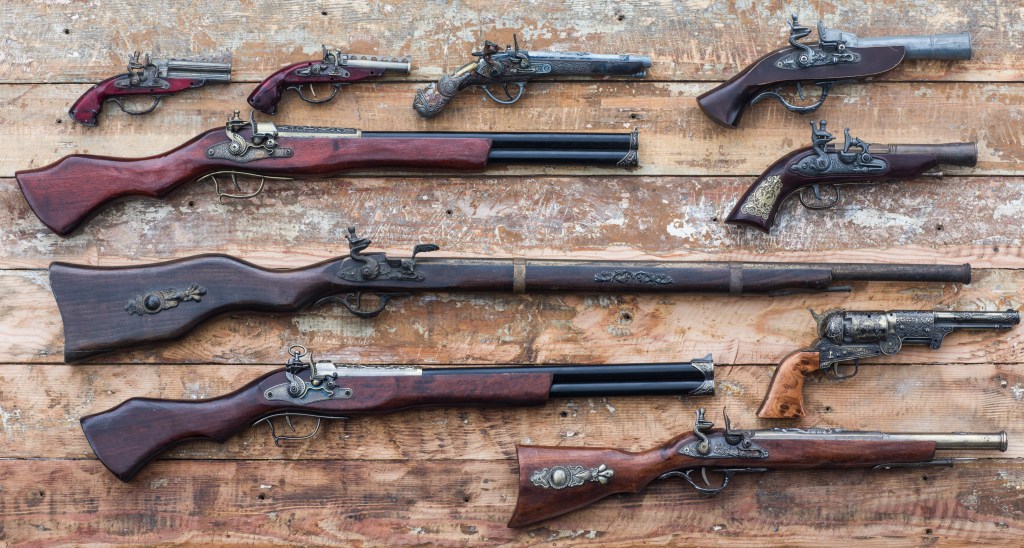
When it comes to antique guns, several key factors determine the value. These factors encompass the condition, originality, provenance, and market demand. However, it’s important to acknowledge that external factors, such as regulatory shifts and collector trends, can lead to abrupt changes in value, either upward or downward.
Factors influencing gun value
The firearm’s intrinsic qualities significantly impact its market value.
- Condition is one of the foremost considerations. A good condition antique firearm typically commands a higher price than one showing signs of wear and damage.
- Make and model also influence value, as certain antique guns are more sought after due to their rarity or historical significance.
- Provenance is the documented history regarding previous ownership, which can enhance a gun’s appeal and value.
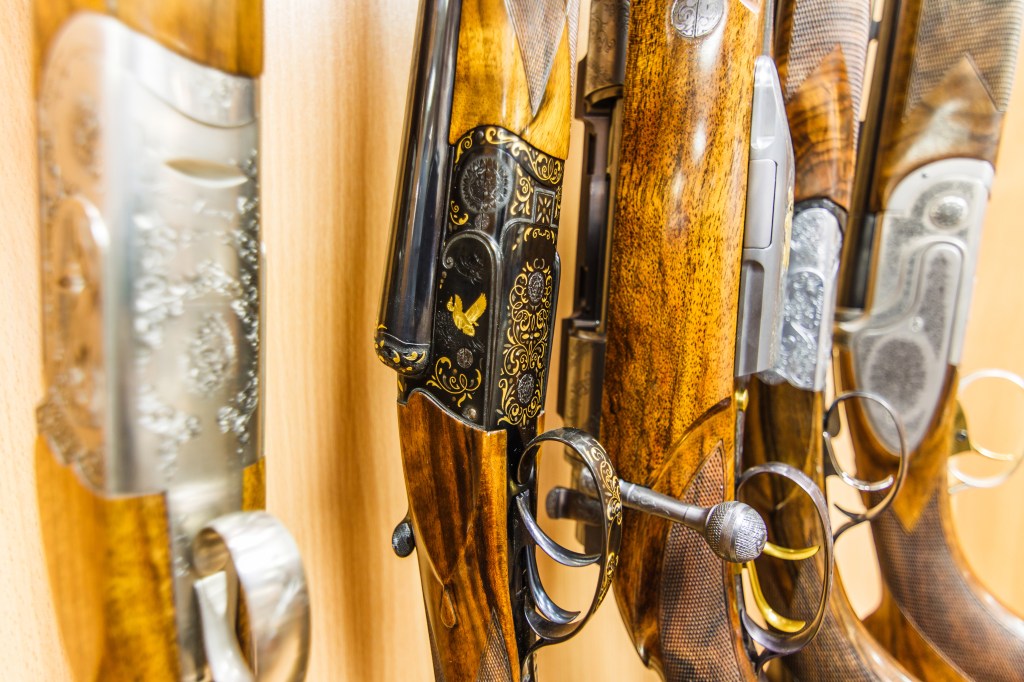
- Artistic appeal of the firearm, including craftsmanship and design elements, can further influence pricing.
External factors
Beyond the gun’s physical characteristics, external factors can significantly affect its valuation. Fluctuations in market demand are often tied to broader trends, leading to significant changes in how firearms are appraised. Furthermore, shifts in regulation can impact interest and market dynamics, contributing to sudden spikes or drops in value.
Insurance vs. Market Appraisals: Different Goals, Different Timing
When dealing with firearms, it’s crucial to recognize the distinction between insurance appraisals and market appraisals, as each serves a unique purpose and fulfills different needs for collectors. Being informed about which valuation is appropriate for your situation can significantly impact how you protect your collection.
Insurance appraisals
Insurance appraisals focus on determining replacement value and assessing risk exposure. These appraisals provide a detailed estimate of the cost to replace each firearm and accessories in the event of loss or damage. It’s important to note that homeowners’ insurance may not fully cover firearms or could require specialized appraisals, especially for guns that are challenging to replace. Additionally, some insurance policies may require a new appraisal for items owned for more than 5 years to ensure coverage remains adequate.
Market appraisals
Conversely, market appraisals address the current resale value of firearms. This type of appraisal reflects what buyers are currently willing to pay in the market. Understanding market value is essential for those who may consider selling their firearms or simply wish to know the value of their collection in light of current market trends.
Valuation timing
The firearms market is ever-changing, making it necessary to update your appraisal every few years to keep current on the values you have listed for your firearms. Collectors should be aware of when to obtain these appraisals to align with changing market conditions or personal circumstances. Each type of appraisal has its context – whether it’s ensuring proper insurance coverage or making sound investment decisions in the resale market. Staying informed about these dynamics can help collectors protect and grow their entire collections effectively.
When a Reappraisal Is Non-Negotiable
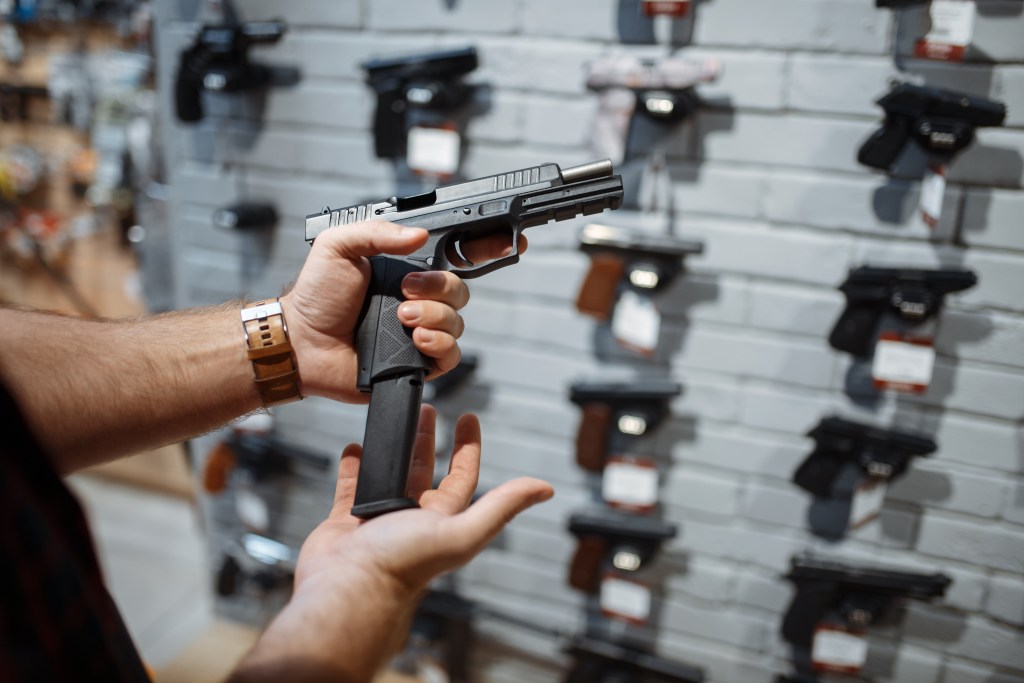
Major acquisitions, sales, restorations, or any significant changes in condition should trigger an immediate reappraisal of collections. Neglecting these pivotal moments can lead to underinsured assets or inaccurately valued collections, with financial repercussions for owners. It is essential to stay vigilant and proactive when valuing valuable items.
Market value changes
Valuations should be updated promptly when significant market fluctuations or inflation impact specific models. The market for collectibles, including firearms, can be volatile and subject to shifts in demand and value. Keeping abreast of these changes ensures that assets are accurately represented in terms of their worth and can prevent potential losses over time.
Rare antique firearms
Immediate reappraisal is crucial when there are increases in the collection’s value, such as the addition of new or rare items. The inclusion of high-value pieces can substantially alter a collection’s overall value, making it necessary to reassess its value to accurately reflect the current inventory. This practice not only helps manage insurance coverage but also helps understand the total value of one’s collection.
Estate planning and legal proceedings
Appraisals play a vital role during estate planning or legal proceedings, as they provide an accurate representation of asset values. Having reliable valuations is essential for ensuring fair distributions among heirs or for resolving disputes. Understanding the true value of a collection can significantly impact financial decisions and legal matters, underscoring the need for regular, thorough appraisals.
How Often Should Stable Collections Be Reappraised?
Regular appraisals are crucial for maintaining the value of firearm collections and ensuring they align with current marketplace conditions and insurance requirements. Understanding when and how often to conduct these appraisals can help collectors protect their investments effectively.
Frequency for standard collections
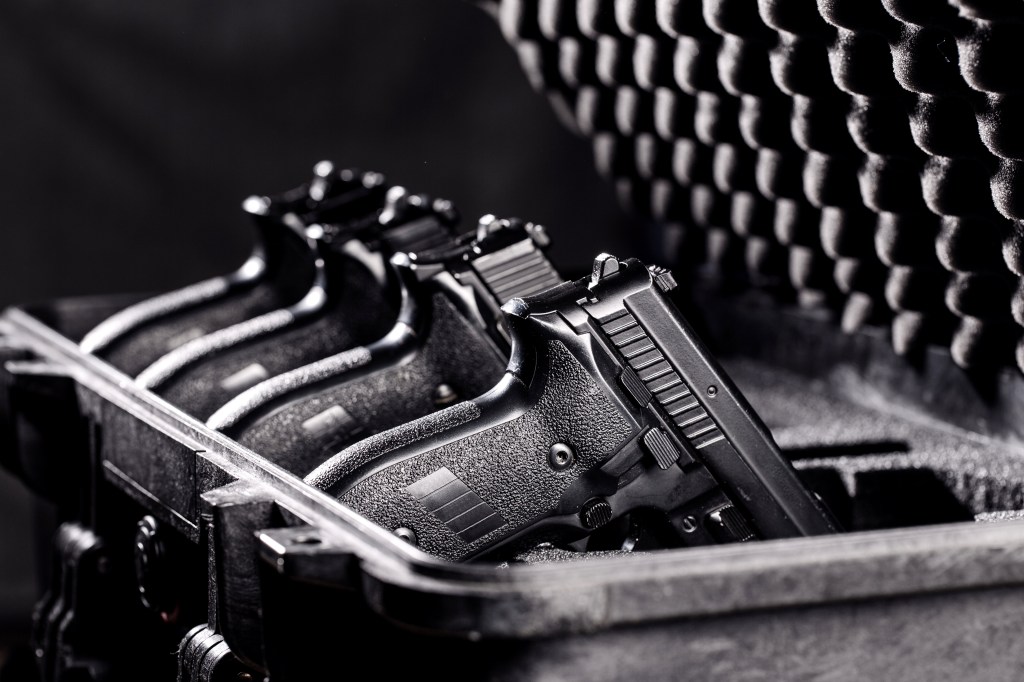
For standard firearm collections, it is generally recommended to update appraisals every three to five years. This timeframe allows collectors to stay informed about shifts in gun values while balancing the costs of frequent appraisals. By routinely assessing value, collectors can ensure that their insurance coverage remains adequate and reflects any changes in the marketplace.
Modern gun appraisals
While modern firearms are generally easier to replace and may not require frequent appraisals, exceptions exist for custom, limited-edition, or rare modern guns. Collectors with such unique firearms should consider more frequent appraisals to capture any significant changes in value. For these types of firearms, staying proactive with appraisals can ensure collectors understand their value and make informed decisions about their assets.
High-Volatility Firearms: When Annual Reviews Make Sense
In the world of firearms collecting, understanding the fluctuating value of rare, antique, or politically sensitive guns is crucial. These unique weapons can experience rapid changes in their market value, making regular appraisals not only beneficial but necessary for collectors.
Market volatility for rare or antique guns
Rare, antique, or politically sensitive firearms can swing in value rapidly. Annual check-ins enable collectors to stay informed about market shifts and identify any coverage gaps in their insurance. This vigilance is essential, as even slight changes in the marketplace can have significant financial implications.
Recommended appraisal frequency
Several experts recommend reviewing firearms valuation every 1 to 2 years to avoid underinsurance. This proactive approach ensures that collectors maintain adequate coverage and reduces the risk of financial loss when it comes time to sell or insure these valuable items. In addition, many insurance companies require updated appraisals every few years to ensure proper coverage limits.
Focus on collectible firearms
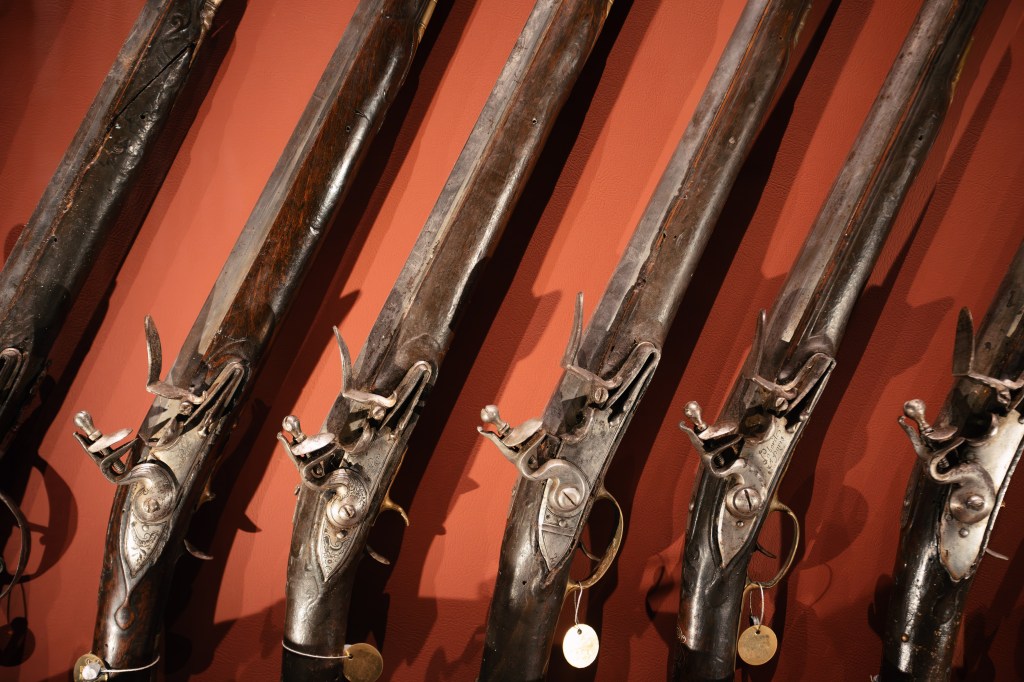
This advice is particularly relevant for collectible firearms, which include infamous guns, historical pieces, rare models, and unique first-of-their-kind firearms. Given their potential for rapid value increases or decreases, regular appraisals are a wise investment for any serious collector looking to preserve and protect their assets.
Choosing the Right Appraiser for Repeat Valuations
Consistency matters. Engaging qualified, experienced appraisers is crucial to ensure valuations are defensible, well-documented, and aligned across appraisal cycles.
Qualified appraisers
To ensure you get the most reliable valuations, it’s essential to work with qualified appraisers who provide detailed reports for insurance or estate purposes. By collaborating with these professionals, you can rest assured that your firearm’s value is accurately represented. It is important to remember that appraising your firearms beforehand is key; waiting until after damage occurs can lead to significant losses.
Reputable appraisers
Reputable appraisers play a vital role in maintaining consistency throughout the appraisal process. For instance, Heritage offers meticulously detailed appraisal documents for each item appraised. These documents include critical specifics that help identify the firearm, such as its make, model, caliber, serial number, and overall condition. This thoroughness ensures both the owner and potential buyers have a clear understanding of the firearm’s value.
Appraisal options
Appraisals can be tailored to suit various needs, whether you’re appraising a single firearm or a large collection. Qualified appraisers typically provide written appraisals in two copies, ensuring you have backups for your records. This flexibility helps collectors manage their assets effectively and facilitates future sales or insurance claims if necessary.
Appraisal Red Flags That Signal It’s Time to Update
Firearm appraisals are essential for collectors and enthusiasts alike, ensuring that the value of their collections is accurately reflected in a constantly changing market. Regularly updating appraisals helps collectors make informed decisions regarding buying, selling, and insuring firearms.
Recognizing stale appraisals
Outdated comps, missing provenance details, or blanket valuations often signify stale appraisals. When collectors notice these warning signs, it’s crucial to treat them as prompts to reassess the value of their firearms. Ignoring these indicators can lead to significant financial discrepancies, especially in a market that can fluctuate rapidly.
Online sources and research
In today’s digital age, online resources play a valuable role in tracking minor value changes between professional firearm appraisals. Collectors can access platforms that provide real-time market trend information, allowing them to stay informed about their firearm’s current value without relying solely on periodic appraisals.
Best practices
To ensure accurate valuations, it’s essential to use up-to-date resources, such as the Blue Book of Gun Values. This comprehensive guide reflects current market trends and pricing and is a fundamental tool for firearm collectors. Integrating these resources into appraisal practices enhances accuracy and builds confidence in the determined values.
Documentation That Supports Ongoing Appraisals
Maintaining organized records is crucial for anyone involved in firearm collection and valuation. Photos, receipts, condition notes, and prior appraisals are essential for efficient future valuations. Keeping detailed records reduces costs and time, resulting in a smoother appraisal process.
Valuation process
The firearm appraisal process relies heavily on accurate documentation. An organized collection makes it easier for appraisers to determine the value of each item. High-quality photographs and detailed descriptions provide a clear picture of the firearm’s condition and history, making a big difference in having an accurate assessment.
Maintaining an up-to-date inventory
Keeping an up-to-date inventory is an indispensable practice for firearm owners. This inventory should include high-quality photographs and comprehensive descriptions, which are crucial for insurance purposes. It should detail important elements, including any security and safety measures, serial numbers, purchase dates, the firearm’s era or period, the source of purchase (business, auction, dealer, consignment, or private sale), and any accessories, such as scopes or muzzles. Additionally, noting the condition of the firearm and any restorations or repairs will further enhance its recorded value.
Insurance Considerations: Aligning Coverage with Current Value
When it comes to protecting your firearm collection, ensuring that your insurance coverage accurately reflects its value is crucial. Appraisals play a vital role in maintaining the financial security of your collection, as they help ensure your protection is aligned with current market realities rather than outdated prices.
Policy options
Check your policy type to know if it pays Actual Cash Value or Replacement Cost Value, which affects valuation requirements. For significant firearm collections, opting for ‘agreed value’ insurance policies can be highly advantageous. These policies allow you to set a pre-determined value for each item, providing peace of mind knowing that you’re fully covered should you experience any loss. It’s crucial to re-evaluate your coverage limits immediately after you purchase or sell a firearm.
Annual reviews
It is always best to appraise your firearms before you need it, as it is too late to appraise them after damage has occurred. Many insurance companies require you to obtain updated appraisals every few years to ensure your coverage limits are appropriate. Regular reappraisals are essential to keeping your insurance in line with the market value of your firearms, safeguarding your investment.
A best practice for firearm collectors is to review their insurance policy and the value of their collection annually at renewal. This review accounts for inflation and market fluctuations, ensuring your coverage remains relevant and sufficient in a dynamic marketplace.
This article is intended for informational purposes only. Collectibles Insurance Services, LLC, its parents, affiliates, and anyone connected with them are not responsible or liable in any way for your use of the information contained in or linked to from this article. Reliance on the information provided in this article is solely at your own risk. If you have questions about any of the topics addressed in the article, please contact a subject-matter expert.
Sources
https://proshotsrange.com/news/gun-appraisals-what-we-look-at/
https://www.clarkcraftgunsmithing.com/firearm-appraisals-and-their-importance/
https://www.guns.com/news/2024/09/26/insuring-appraising-your-guns
https://www.appraiseitnow.com/blog/how-to-hire-an-antique-gun-appraiser-essential-questions-and-red-flags
https://www.nrablog.com/articles/2016/2/learning-firearm-care-and-appraisal-with-a-nra-senior-curator
https://newlibertyfirearms.com/why-you-might-need-a-firearms-appraisal/
https://www.gundr.com/appraisals.htm
https://www.mearto.com/categories/guns
https://udrange.com/retail/appraisals
https://bluebookofgunvalues.com/