
Essential Tips for Effective Ammunition Storage Solutions
Discover essential tips for effective ammunition storage solutions to ensure safety and organization. Read the article for practical advice you can trust.
Ammunition Storage: Why Collectors Should Care as Much as Shooters
Whether you’re a shooter or a collector, caring for ammunition is just as crucial as maintaining firearms. Proper storage ensures your ammo stays reliable, preserves its value, and prevents deterioration. With the right practices, ammunition can remain functional and safe for decades, making long-term storage a smart investment for anyone who values their collection.
Does Ammo Go Bad? Understanding Shelf Life Realistically
When stored correctly, ammunition can remain reliable for decades. The main causes of failure are moisture, extreme temperature changes, and poor handling, not just time.
The truth about ammo shelf life
Contrary to popular belief, ammunition doesn’t inherently expire. If kept in proper conditions, it can last for many years. Most problems arise when storage practices are neglected; improper handling or exposure to unfavorable environments can lead to performance issues. In fact, commercial ammunition is typically good for 20 to 50 years, while military surplus rounds have been known to last up to 70 years when stored properly. Age is rarely a factor if environmental controls are maintained.
Ammo storage solutions
To maximize the lifespan and reliability of your ammo, follow these essential storage guidelines: keep your ammunition in a cool and dry location, use high-quality containers, clearly label each batch, handle as little as possible, rotate stock, and maintain an organized storage system.
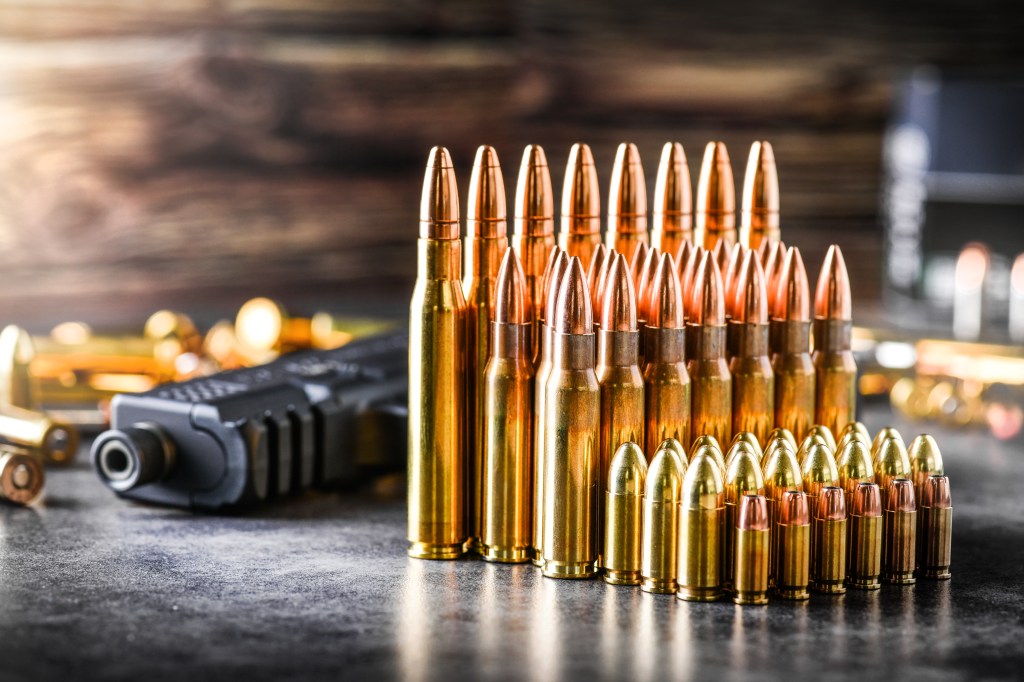
Temperature Control: The Silent Factor in Ammo Longevity
Temperature management is a key factor in preserving ammunition over time. Stable, moderate temperatures are critical for preserving powder integrity and primer performance.
Risks associated
Storing ammunition in hot conditions can degrade the powder, reduce reliability, and increase the risk of misfires. Excessive heat may also affect the primer and metal parts, causing them to expand and loosen fittings. This expansion can compromise the cartridge’s airtight seal, allowing air and moisture to penetrate and further degrade its contents. The combination of heat and humidity can accelerate the tarnishing of metal surfaces and cause corrosion, rendering the rounds less effective or unsafe for use.
Extreme heat can rapidly accelerate chemical breakdown in ammunition, diminishing the effectiveness of both powder and primer. When exposed to high temperatures, the powder’s physical and chemical properties can degrade, leading to unreliable performance and an increased risk of misfires. Furthermore, rapid temperature swings may cause condensation inside storage containers, leading to corrosion of metal components and damaging ammunition integrity.
Recommended storage practices
For optimal reliability and shelf life, ammunition should always be stored in cool, dry places. Basements, closets, or interior rooms with consistent climate control work best. Direct sunlight should be avoided, as its heat and ultraviolet rays can cause temperature fluctuations and further degrade rounds. Garages, cars, attics, or places near windows or air vents are poor choices for storage due to their exposure to weather, sunlight, and inconsistent environmental conditions. Additionally, ammo containers should be stored away from sources of moisture, chemicals, and cleaning agents to prevent unintended reactions.
Ideal temperature range
The best temperature range is between 55°F and 85°F. Keeping ammo storage within these limits helps prevent chemical decomposition and preserves both powder stability and primer quality. Temperatures outside this range accelerate breakdown, leading to ammunition losing reliability and effectiveness. If possible, use climate-controlled storage areas or insulated cabinets to ensure temperature remains stable year-round, even during periods of extreme heat or cold.
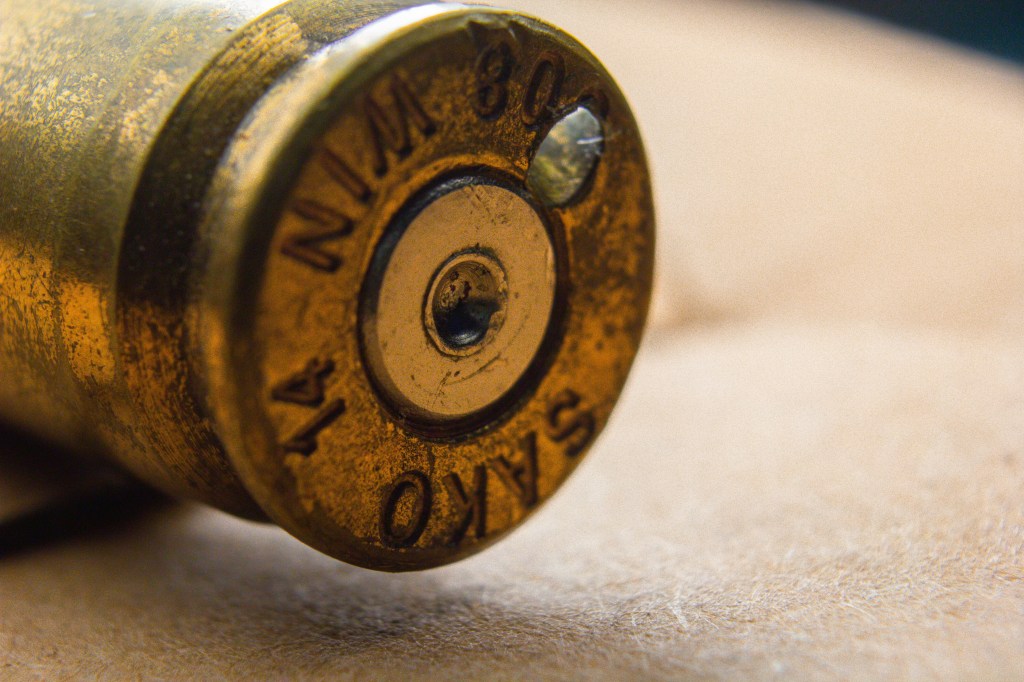
Humidity: The Real Enemy of Ammunition
Proper ammunition storage is critical for maintaining reliability, safety, and longevity. Moisture control is especially important, as humidity and condensation can inflict lasting damage on both the ammunition’s physical and chemical components.
Damage and corrosion
Moisture poses a significant threat to ammo storage. Exposure to humidity and condensation can corrode brass casings, damage primers, and compromise the chemical stability of powder. Corrosion weakens the structural integrity of metal components, increasing the risk of misfires and unreliable performance. Maintaining a dry storage environment is essential to prevent these issues.
Humidity control measures
Effective humidity control is vital for preserving ammunition quality. Ideally, ammo should be stored in sealed containers equipped with desiccants packets to absorb moisture. These containers must be checked regularly to ensure airtight seals, with particular attention given to the rubber gaskets, which should be flexible and intact. In humid climates, desiccant packs should be replaced periodically to maintain dryness and prevent chemical decomposition.
Optimal storage conditions
Ammunition should always be kept in a cool, dry location with stable temperatures and low humidity. Hot or humid conditions greatly accelerate chemical breakdown, rendering ammunition unreliable or even dangerous. It is recommended to keep humidity levels below 60%, as excessive moisture can trigger corrosive chemical reactions affecting both metal and internal components. Regular monitoring and climate control are key to long-term reliability.
Sealed ammo containers
Using sealed storage containers, such as ammo cans with intact rubber gaskets, is crucial for safeguarding ammunition from moisture. These containers provide an airtight environment, preventing humid air from entering and damaging the contents. Consistent inspection of seals and periodic replacement of desiccants further enhances protection, ensuring ammunition remains in optimal condition for extended periods.

Choosing the Right Storage Containers
Choosing the right storage containers is fundamental to protecting ammunition from moisture and environmental hazards. Proper storage ensures longevity, reliability, and safety for your ammo collection.
Whenever possible, ammunition should be kept in its original factory-sealed packaging. This packaging not only insulates the contents from environmental elements but also preserves essential information such as lot numbers and manufacture dates. Storing ammo in its original factory-sealed packaging maintains traceability and helps ensure its quality over time.
Ammo cans and airtight containers
Military-style ammo cans, airtight containers, and gasket-sealed boxes provide excellent moisture resistance, helping to shield ammunition from humidity and condensation. The most effective storage solutions create an airtight environment, which, when combined with humidity control materials such as desiccant packs, minimizes the risk of corrosion and chemical degradation.
If transferring ammunition to a different container, or if you have loose rounds, choose options that are both airtight and moisture resistant. Military surplus ammo cans, plastic containers, and metal boxes with rubber gaskets offer effective protection. Regularly inspect the seals and gaskets to confirm they remain flexible and intact, as compromised seals can allow moisture to enter and damage the ammunition.
Storing ammunition safely
For safety and security, firearms and ammunition should be stored separately in locked locations. This prevents unauthorized access and adds an extra layer of protection for your collection. A locked safe or cabinet also aids in climate control, reducing the impact of temperature fluctuations that can accelerate chemical breakdown or cause condensation.
Always store ammo away from cleaning agents or substances containing ammonia. Ammunition should be kept away from chemicals and flammable materials as they can damage the primers and casings. Exposure to these chemicals can damage both the physical and chemical components of the ammunition, leading to corrosion and reduced reliability.
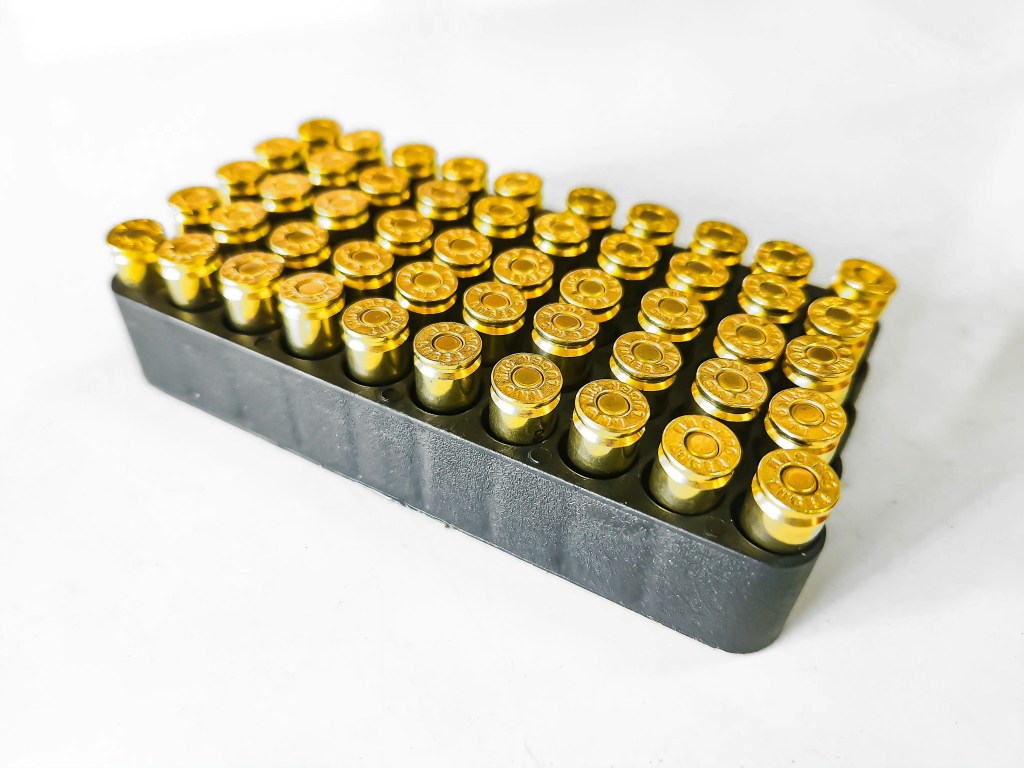
Winter Storage Considerations for Ammo and Gear
Storing ammo and gear during the winter months requires careful attention to prevent damage caused by condensation and extreme temperature fluctuations.
Cold temperatures and condensation
Although cold weather is typically less damaging to ammo than moisture, issues often arise when items are moved from cold storage to warmer environments. As temperatures rise, condensation can form on ammo and gear, potentially leading to corrosion and other forms of deterioration. To prevent these problems, it is essential to ensure proper sealing and to allow gradual acclimation when transferring items between temperature zones.
Risks of freezing and moisture exposure
Ammo exposed to low temperatures and moisture runs the risk of freezing, which can compromise its integrity and performance. Damp winter conditions can also encourage condensation in areas like basements, garages, and sheds, where temperature swings are most pronounced. This moisture can damage metal surfaces, resulting in rust, corrosion, and even the growth of fungus and mildew on gear. It is advised not to store ammunition directly on concrete floors due to moisture transfer.
Managing humidity
Winter air can sometimes become too dry, potentially causing cracks in its components. However, the threat of condensation remains the primary concern in storage areas that experience significant temperature changes. Maintaining optimal humidity levels and protecting items from rapid shifts in temperature will help safeguard both ammo and gear during the winter season. Additionally, the chemical stabilizers in ammo may break down due to fluctuating temperatures, particularly in severe cold or heat. Furthermore, having fire protection is an added benefit; the insulation that protects the inside of a safe also acts as a thermal barrier, helping to insulate the interior.

Rotation Strategy: First In, First Out
Implementing a proper rotation system is essential for collectors and anyone maintaining significant ammo reserves. By routinely organizing and cycling stored ammo, gun owners can maximize shelf life, maintain quality, and avoid the risks associated with neglecting older inventory.
Marking and managing inventory
The most important thing to remember in preventing long-term neglect is to clearly mark each batch of ammo with its purchase date. This practice allows for easy identification and ensures that the oldest stock is used first. Following the FIFO (first in, first out) principle keeps your inventory fresh and reduces the likelihood of deterioration or safety issues.
Security and climate control measures
For safety and compliance, firearms and ammo should be stored separately in locked locations. A secure safe or cabinet not only restricts unauthorized access but also offers climate control, thereby reducing the risk of damage from temperature fluctuations or humidity. Maintaining these conditions safeguards both the integrity and longevity of your ammo stock.
To ensure traceability and accountability, it is advisable to keep ammo in its original packaging whenever possible. This practice provides ready access to lot numbers and manufacturing dates, which are essential for both collectors and enthusiasts concerned with reliability and inventory management.
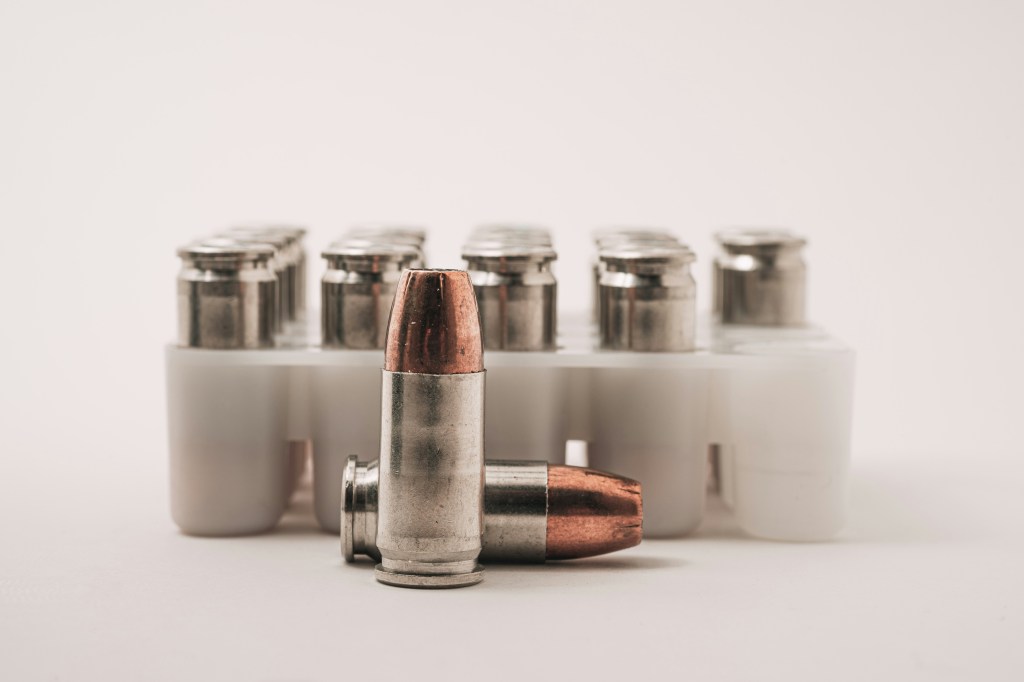
Long-Term Storage Tips for Bulk Buyers
Storing bulk ammo correctly ensures lasting reliability and safety. Managing environment, packaging, and security helps prevent hazards and maintains its value.
The right environment
Bulk ammo should always be stored in a dry area that is well protected from humidity, water leaks, or drastic temperature changes. Placing ammo off concrete floors—such as shelving or pallets—helps prevent moisture from seeping into boxes, reducing the risk of corrosion and degradation over time. Regular inspections of the storage area are also important for catching potential issues early, ensuring your ammo remains in optimal condition for future use.
Optimal packaging
Whenever possible, retain ammo in its original factory-sealed packaging. This packaging is specifically designed to insulate rounds from environmental hazards, including dust, and temperature fluctuations. Additionally, original packaging provides important information about lot numbers and manufacturing dates, which is valuable for inventory tracking and quality assurance. If it’s unavailable or damaged, use airtight, moisture-resistant containers such as military surplus ammo cans, heavy-duty plastic boxes, or metal containers with secure gaskets to maintain a protective barrier against the elements.
Secure and separate storage
For safety and regulatory compliance, guns and ammo should be kept in separate, locked locations. Storing ammo in a locked safe or cabinet not only restricts unauthorized access but also offers a level of climate control, helping to prevent damage from temperature swings and humidity. These security measures protect both your investment and the safety of those in your household. In addition, labeling your ammo storage boxes will let you know where everything is, which is especially helpful during emergencies.
Inventory management
Preserving ammo in original packaging ensures that critical details—such as lot numbers and production dates—remain easily accessible. This supports effective inventory management, traceability, and accountability, especially for collectors or anyone maintaining large reserves. Clearly labeling and organizing your stock facilitates the use of the oldest first, minimizing the risk of using degraded rounds. In addition, be sure to organize by caliber, magazine, purpose, and gun type.
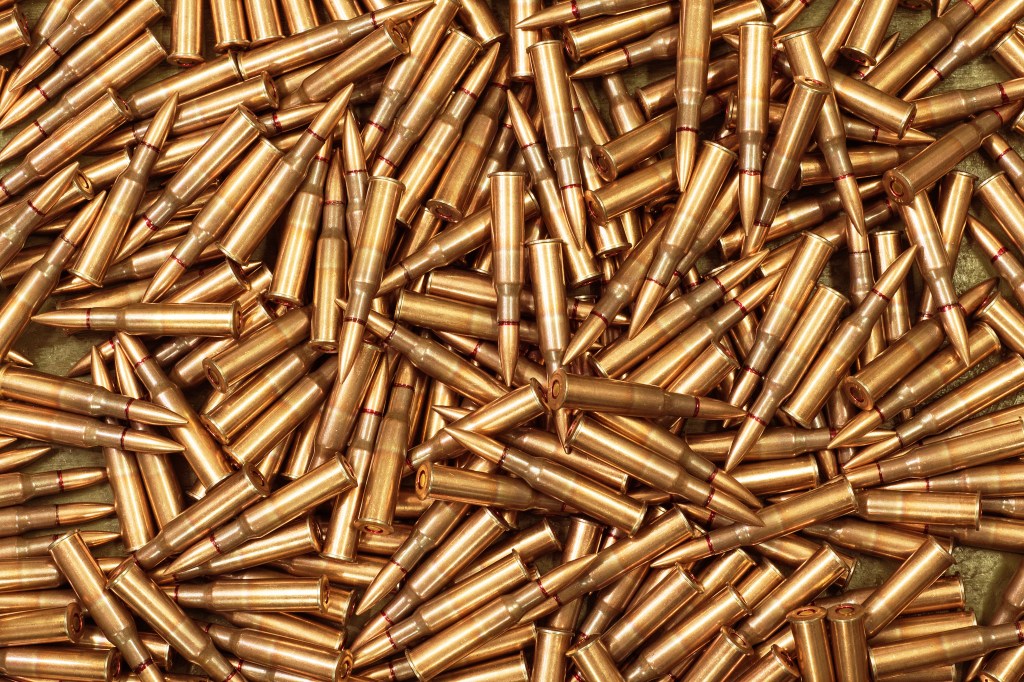
Inspecting Stored Ammunition for Warning Signs
Discoloration, corrosion, loose bullets, or damaged packaging are clear warning signs that ammunition may be compromised. Discoloration can appear as fading, dark spots, or unusual staining on cartridge surfaces, often caused by moisture exposure or chemical reactions.
Corrosion weakens the metal, potentially causing the round to misfire or jam your gun. Loose bullets, where the projectile is not firmly seated in the casing, may result from physical impacts or deteriorated seals, creating unsafe chamber pressures when fired. Conducting routine inspections helps identify these issues early, ensuring both the safety of your gun and the reliability required for collectors. Regular checks also allow for timely removal of compromised rounds, preventing them from accidentally being used.
Excessive green oxidation on ammunition cases is a strong indicator of brass or copper deterioration. If left unchecked, such deterioration increases the risk of dangerous shooting failures, including ruptured cases or unpredictable performance, which can damage your gun and pose a safety hazard to the shooter. Removing affected rounds from circulation and storing ammunition in proper conditions reduces the risk of oxidation and helps preserve its reliability.

Insurance Considerations for Large Ammunition Holdings
Large amounts of ammunition can hold significant financial value. Keeping detailed records of storage and inventory helps clarify insurance coverage and manage risks.
At 1776 Insurance, we offer specialized protection for firearms and accessories. Coverage includes accidental breakage, burglary, fire, flood (except in Zones A & V), mail loss, natural disasters, and theft. Items are also insured when temporarily away from their main location, such as during travel or exhibitions. Collector policies are affordable and may start with a $0 deductible. 1776 Insurance has protected collectibles since 1966 and firearms since 2010. Coverage is backed by an “A” (Excellent) rated carrier from AM Best.
Sources
https://protectwithbear.com/blogs/news/best-way-to-store-ammo
https://www.libertysafe.com/blogs/the-vault/the-ultimate-guide-to-winter-storage-for-your-optics-ammo-and-gear/
https://www.cole-tac.com/right-way-to-store-your-ammo/
https://americanhandgunner.com/gear/ammo-storage/
https://www.gunfinder.com/articles/76179
https://adaptivetactical.com/blogs/blog-1/long-term-ammunition-storage-6-recommendations-for-success
https://www.berrysmfg.com/does-ammo-go-bad/
https://cbgfirearms.com/f/basics-of-ammunition-storage?blogcategory=Ammo