Understanding Gun Consignment Sales: Benefits and Considerations
Explore the pros and cons of gun consignment sales, from pricing to legal considerations. Read our article to make informed decisions today.
Gun Consignment Sales: Why Collectors Use Them
Selling a firearm from a collection involves more than finding a buyer who wants to buy guns. Collectors often need to consider pricing, timing, compliance requirements, and how the firearm will be protected as personal property while it is outside their possession.
For many collectors, consignment offers a practical alternative to selling directly. In this arrangement, a licensed dealer displays and markets the firearm, handles much of the sales process, and completes the transaction when a buyer is found. The owner then receives payment after the sale, minus any agreed-upon fees or commission.
This guide explains what collectors should understand before choosing consignment, including how the process works, how it compares with a direct sale to a dealer, what fees may apply, and what questions to ask about ownership, liability, insurance, and written agreements.
This article is intended for informational purposes only and should not be interpreted as legal advice. If you have questions about gun laws, federal and state laws, or any topics addressed here, consult an attorney, licensed dealer, insurer, or other subject-matter expert.
How Gun Consignment Actually Works
In a typical consignment arrangement, firearm owners begin by placing the firearm with a dealer, who can help them sell it through a more structured process. This method is popular because it combines effective marketing, expert evaluation, and handling of expected legal transfer requirements.
The role of the consignor
The consignor plays a pivotal role in this arrangement by listing the firearm, marketing it to potential buyers, and managing the transfer process upon a sale. Their expertise ensures that firearms are showcased effectively, reaching a wider audience and increasing the chances of a successful sale.
Selling guns on consignment
One of the main benefits of using a consignment arrangement is the convenience it offers firearm owners. The consignor handles many of the things sellers may not want to manage themselves, from listing the firearm to managing advertising, thereby relieving the seller of these responsibilities. The consignment process is handled on behalf of the owner. They’ll take care of the photography, customer relationship, and, in some cases, the shipping, if applicable. Owners only receive payment after the sale, with all commissions and fees deducted, so it is important to understand when the dealer will pay, how much money will be withheld, and which fees apply.
Evaluation and pricing of firearms
When consigning a firearm, the consignor evaluates the gun’s worth based on its condition, documentation, rarity, and current market trends. This comprehensive assessment enables the consignor to determine a fair and competitive selling price that reflects market values.
Before the dealer takes photos or begins to market the firearm, sellers are often advised to clean it carefully, wipe down visible surfaces, and gather documentation so the piece is easy to evaluate and presents well to potential buyers.
Handling transactions and payments
Once a buyer expresses interest, clicks through a listing, or visits the shop to complete the purchase, the consignor handles the firearm transfer and processes the payment. The seller receives a portion of the sale price, which does not include selling costs, such as commissions or fees. This transparency in the process helps build trust between the consignor and the consignee.
Consignment vs Direct Sale to a Dealer
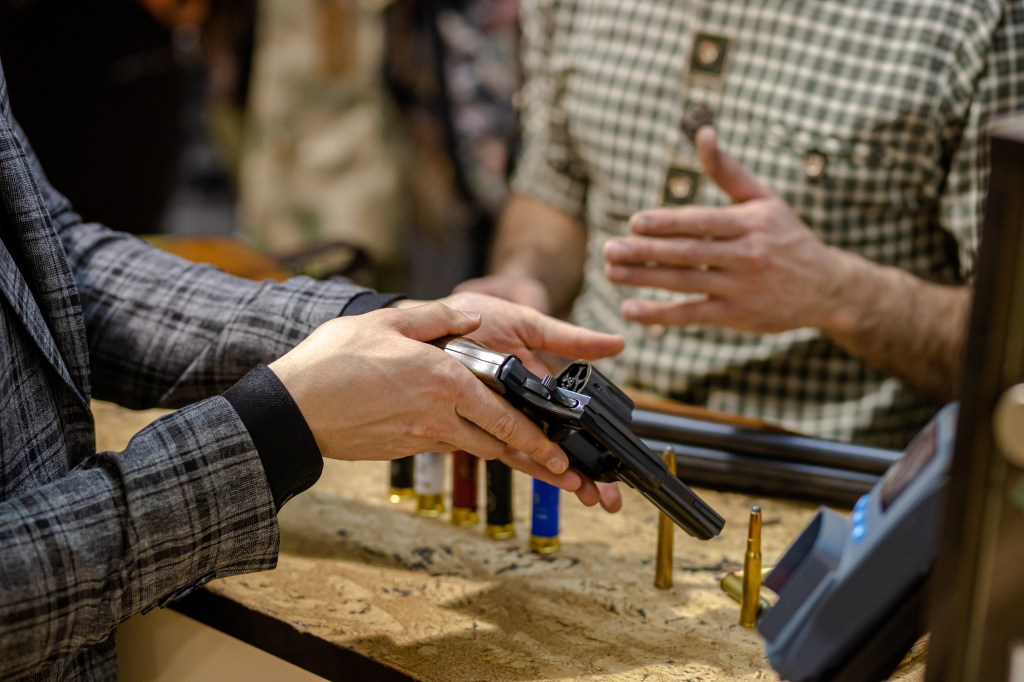
When it comes to selling firearms, collectors have two main options: outright sales to a dealer or consigning their items. Each method has its advantages and considerations, depending on the desired outcome and timeline for sale.
Outright sales to dealers
Selling a firearm outright to a dealer offers collectors immediate payment, making it a straightforward choice for those who want to pick a faster option and receive money sooner. In this process, the dealer evaluates the firearm’s condition and rarity to suggest a fair market price during the appraisal. While this method is less effort-intensive for the seller, it typically results in a lower sale price compared to other options. The dealer then markets the firearm, showcasing it in their shop or listing it online on platforms like GunBroker to attract potential buyers.
The consignment process
On the other hand, placing a firearm on consignment can potentially yield a higher final sale price. Professional consignment dealers specialize in marketing firearms, leveraging their expertise and networks to achieve the best return for sellers. However, this process may take longer than expected, often a 15–20-day timeframe or more, depending on market demand. Consignment sales can yield higher prices, but sellers must be patient as items may take time to sell.
Understanding Consignment Fees and Commissions
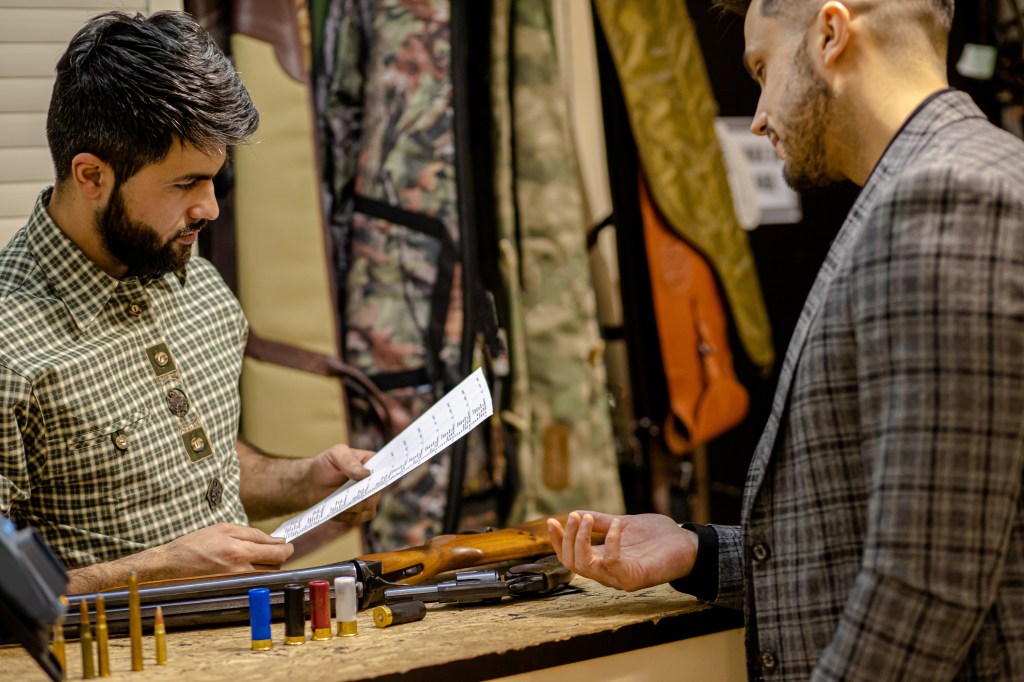
When engaging in firearm sales, it’s essential to understand the fees associated with working with dealers. These costs are generally a percentage of the sale price and serve to cover various services the dealer provides.
Composition of dealer fees
Dealers typically charge these fees to cover the range of services they offer, including marketing, storage, compliance with legal regulations, and handling the necessary transfer paperwork. This structure ensures that both the seller and the buyer have a smooth transaction.
Flexibility in pricing
One notable aspect of transfer fees is that there are no federal regulations governing them. Sellers can set prices at their discretion based on services offered, firearm condition, and market conditions. This flexibility can lead to variations in fees across different dealers.
Policies on unsold firearms
In addition to standard fees, some dealers may impose charges for returning unsold firearms. Sellers should note that dealers are not liable for any loss or damage while the guns are in their possession.
Commission rates for consignment
When it comes to consignment, commission rates can vary significantly. Fees often range from 10% to 40% of the final sale price, depending on the dealer’s policies and the specifics of the consignment agreement. In addition, gun consignment sales involve hiring a licensed dealer that possesses a Federal Firearm License (FFL) to sell your firearm for a percentage of the final price, typically 15–30%. Understanding these rates is crucial for sellers to make informed decisions regarding their sales strategy.
Who Owns the Firearm While It’s on Consignment?
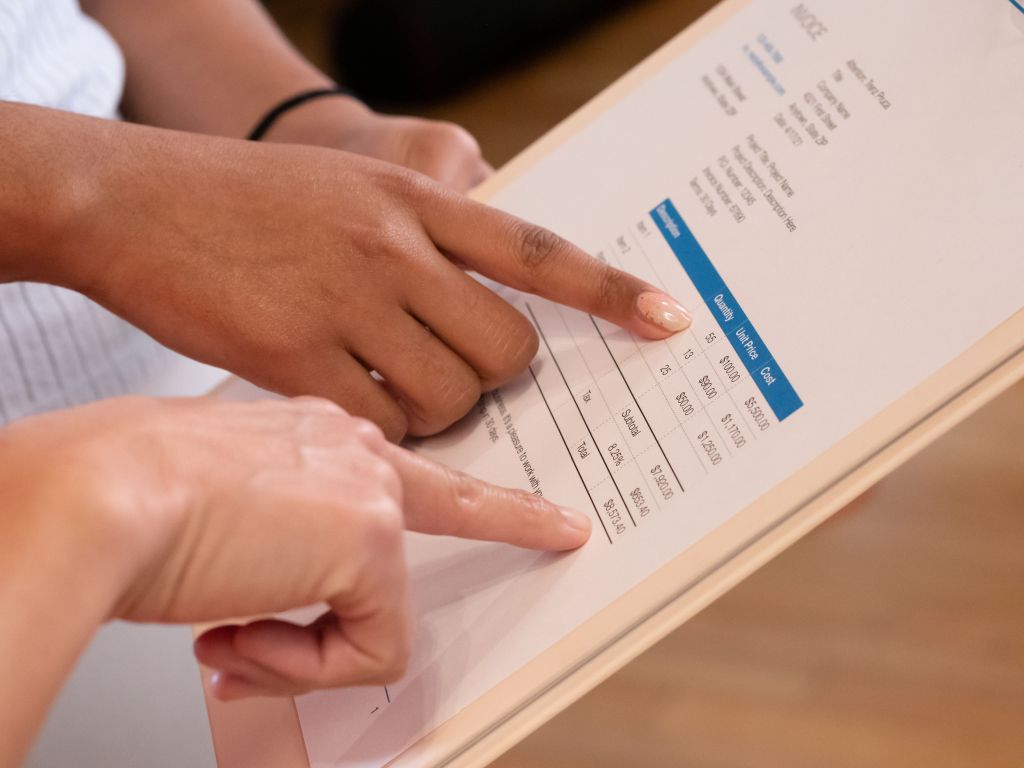
Firearm consignment sales involve specific legal responsibilities and processes that both the original owner and the dealer must follow. Ownership of a consigned firearm typically remains with the original owner until the dealer successfully sells it. During this period, the dealer has temporary custody and assumes responsibility for the firearm’s proper display and safe storage.
Logging requirements for dealers
When a dealer accepts a firearm on consignment, they must take possession of it, which requires logging it in their bound book as an acquisition. This step is essential for legal compliance and ensures accurate record-keeping, as the dealer must adhere to applicable laws and regulations governing firearm sales.
Transfers between private individuals
When a private individual brings a firearm to a dealer for transfer to another private individual, the dealer acts as a facilitator of the transaction under the Federal Firearms License (FFL). Federal law mandates that any interstate firearm transfers between non-licensees must go through an FFL in the recipient’s state to ensure compliance with legal frameworks.
Collectors should also remember that some states require background checks for private firearm transfers, even when federal law may not require the same process for every private sale. Depending on the state, the buyer may need to work through an FFL, fill out the required paperwork, and pass the applicable background check before the transfer can be completed.
Completing the sale process
If a consigned firearm sells, the dealer must process the sale in accordance with federal regulations. This includes completing a full ATF Form 4473 and conducting a National Instant Criminal Background Check System (NICS) check for the buyer. The firearm is logged into the dealer’s bound book as an acquisition, and upon completion of the sale, it must be logged out as a disposition.
Returning unsold firearms
In the event that a consigned firearm does not sell within the designated time frame, the dealer is obligated to return the item to the original owner. This involves logging a disposition back to the original owner in the bound book, ensuring accurate tracking of all transactions and adherence to legal requirements throughout the consignment process.
Who Covers the Risk While the Gun Is in the Shop?
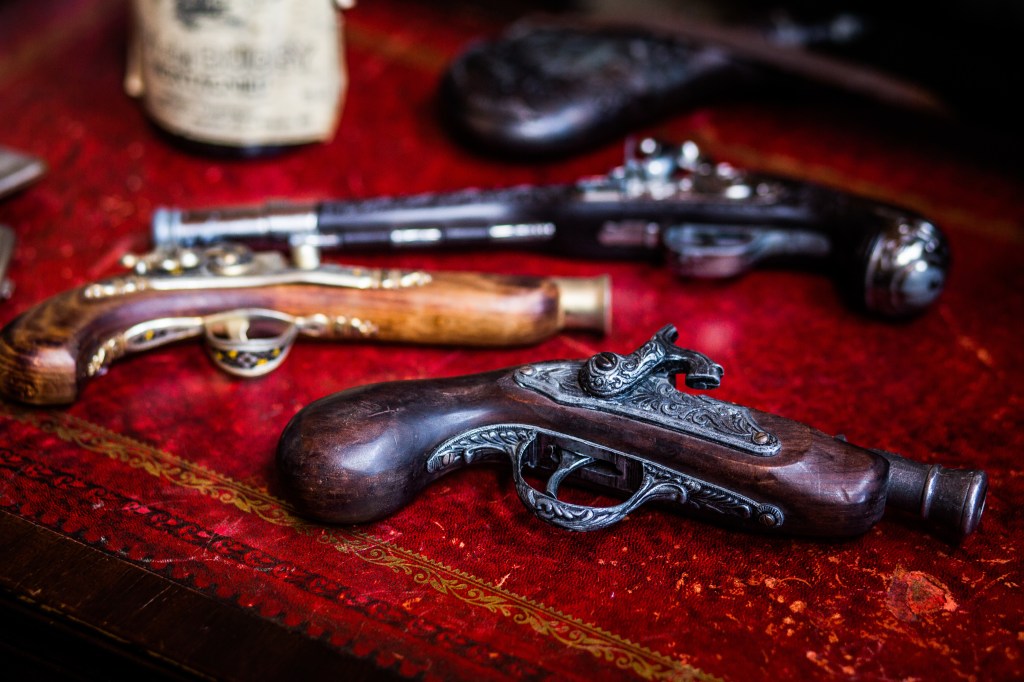
When it comes to consignment firearms, many collectors often overlook a critical aspect: insurance. Ensuring proper coverage during the consignment process is vital, as it can protect both the seller and the shop from potential financial loss due to damage, theft, or loss.
Gun consignment liability
Insurance coverage during consignment can vary based on the agreement between the consigner and consignee. It’s important for both parties to know whether the shop’s or owner’s policy applies to damage, theft, or loss. It’s crucial for collectors to thoroughly review these details to avoid unexpected liabilities.
The role of the agreement
The consignment agreement is a key document that outlines the responsibilities and risks associated with the consignment process. This agreement can vary, affecting who bears the financial burden in the event of an unfortunate incident. Clarity in these terms is essential to ensure that all parties understand their rights and responsibilities regarding insurance and liability.
Legal protection through Federal Firearm License
Using a Federal Firearms License (FFL) dealer provides an added layer of legal protection during the consignment process. It ensures that any buyer is legally permitted to own the firearm, helping safeguard the seller from potential liability. Using an FFL allows collectors to navigate firearm sales confidently, ensuring legal compliance and minimizing risk.
Why a Written Consignment Agreement Matters
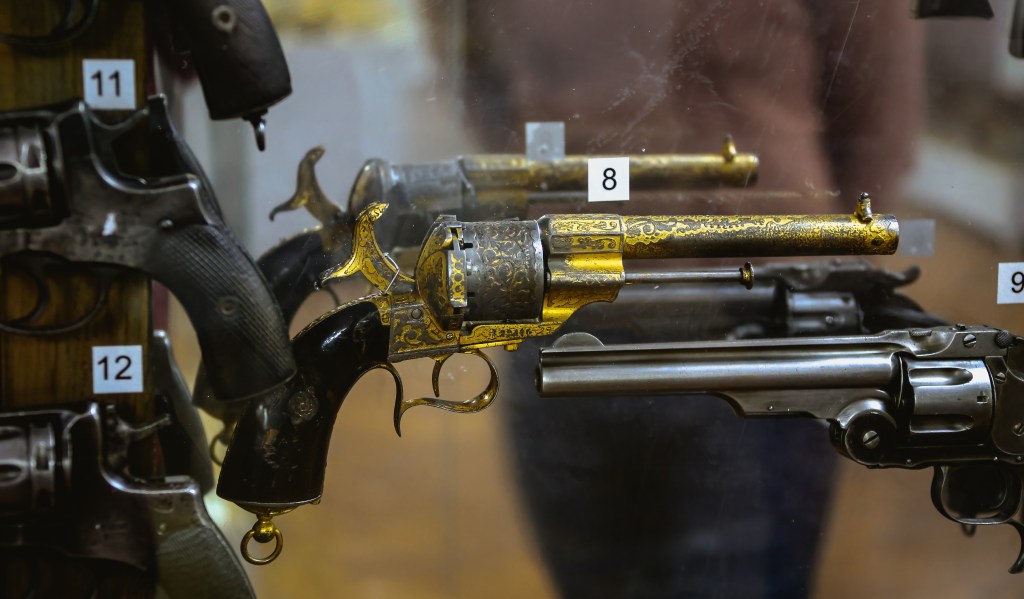
A formal contract outlines pricing, commission, liability, insurance responsibilities, and what happens if the firearm does not sell. Collectors should review these terms carefully before leaving a valuable firearm with a dealer. The agreement should also make it clear whether the dealer can adjust the asking price at its sole discretion, whether the seller must approve changes, and how the parties will maintain records of the consigned property.
Firearm consignment contracts
Collectors should take the time to carefully review the terms of the consignment contract before entrusting a valuable firearm to a dealer. There may be risks associated with consignment sales that can affect both the collector’s finances and the security of their firearm. Understanding these terms can prevent misunderstandings and provide peace of mind during the consignment process.
Seeking expert guidance
It can be beneficial for collectors to seek out reputable consignment services. Engaging an attorney with expertise in firearms and consignment agreements can provide valuable guidance. They help clarify expectations and ensure collectors understand unfamiliar terms, enabling informed decisions about their assets.
Compliance and documentation requirements
In addition to contractual obligations, critical legal compliance requirements must be met when consigning firearms. The firearm must be logged into the collector’s bound book as an acquisition. Additionally, the receiver must complete Form 4473, and a NICS background check is mandatory. Once the consignment is fulfilled, the firearm must be logged out of the bound book as a disposition to ensure that all legal protocols are strictly followed.
Special Considerations for Inherited or Estate Firearms
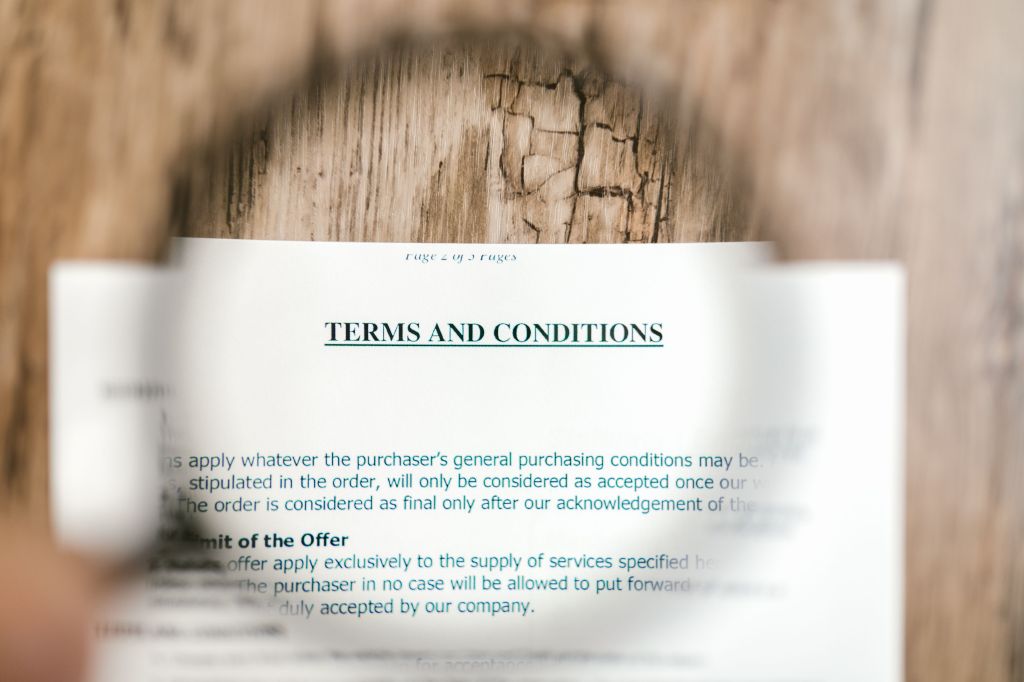
When families decide to sell inherited collections, consignment can be a practical option, especially for firearms.
By working with knowledgeable dealers, families can effectively evaluate the market value of their guns, ensure compliance with applicable regulations, and connect with collectors who appreciate the items’ historical significance. This approach simplifies selling and maximizes returns in the used-gun market.
However, if the heir is in a different state than the deceased, an interstate transfer through an FFL is typically required. In addition, gun consignors offer access to a larger audience, which is critical for rare or high-value items.
Potential Downsides of Gun Consignment
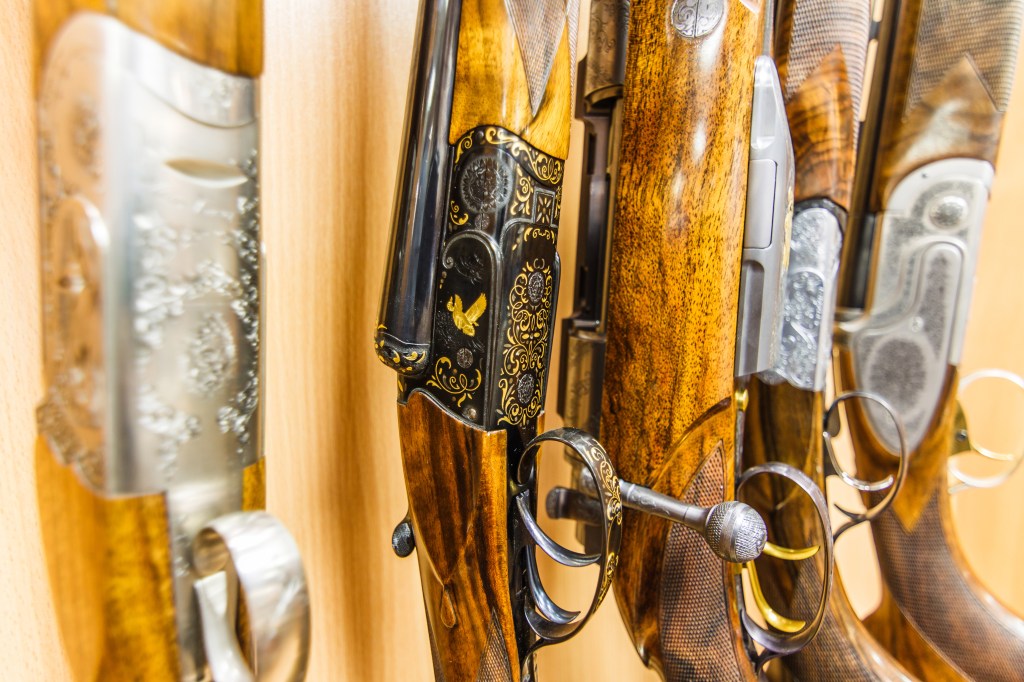
Selling firearms on consignment can be an intricate process that requires careful consideration. Consignment arrangements can extend for months, with final pricing subject to fluctuations based on market demand. Collectors should balance potential profits with the time, fees, and uncertainties of the consignment process to maximize returns.
Market influences
The firearms market is dynamic, influenced by a wide array of factors including legislative changes and societal trends. Recently, there has been a notable shift in consumer behavior, favoring online sales of used firearms over traditional brick-and-mortar stores. Understanding market conditions is crucial for sellers as they affect pricing, buyer behavior, and demand for consigned items.
Clear agreements
One of the critical components of a successful consignment transaction is a clear, well-defined agreement. If the terms of the agreement are ambiguous and not reviewed by a subject matter expert, it can lead to significant legal issues down the line. Diligence in ensuring clarity not only protects your interests but also fosters a more transparent and trustworthy selling environment.
Thorough research
It’s essential to conduct thorough research before entering into a consignment agreement. Failing to do your due diligence can lead to falling prey to scams or unfavorable agreements. Understanding the commission rates, seller fees, and percentages involved in the consignment process can greatly influence your overall returns and help you make informed decisions when selling your firearms.
Insurance Considerations Before Leaving a Firearm on Consignment
When selling or consigning firearms, collectors should verify their insurance coverage, especially for guns stored outside their home. This understanding helps protect against losses, making the consignment process more comfortable and reassuring when leaving valuable property in someone else’s care.
Being aware of consignment firearm insurance and liability can help collectors protect their assets and reduce risks. Ensure the firearm is clean, paperwork is clear, insurance expectations are understood, and you are comfortable with the dealer’s process for listing, storing, selling, and payment.
This article is intended for informational purposes only and you should not interpret anything contained in it as legal advice. Collectibles Insurance Services, LLC, its parents, affiliates, and anyone connected with them are not responsible or liable in any way for your use of the information contained in or linked to from this article. Reliance on the information provided in this article is solely at your own risk. If you have questions about gun laws or any of the topics addressed in the article, you should contact an attorney or subject-matter expert.
Sources
https://blackwingsc.com/selling-a-used-firearm-to-an-ffl-dealer/
https://www.askdefensive.com/choosing-consignment-for-your-inherited-guns-in-california
https://shootingindustry.com/discover/monthly-features/navigating-the-used-gun-market/
https://www.cashforarms.com/blog/what-is-gun-consignment
https://www.thetruthaboutguns.com/pro-tip-never-sell-guns-on-consignment/
https://www.reddit.com/r/liberalgunowners/comments/1im8r7u/question_regarding_consignment_purchases/
https://www.ar15.com/forums/general/Consignment-Guns–School-Me-/5-2349863/
https://www.bravostoresystems.com/compliance/firearm-transfers-consignment-compliance