
Driving with Firearms: Essential Tips for Safe and Legal Transport
Learn essential tips for safe and legal transport of firearms while driving. Ensure your journey is secure and compliant. Read more for vital advice.
Driving With Firearms: Why Safe Transport Matters for Collectors
Transporting firearms isn’t just about getting from point A to point B—it’s about protecting your collection, reducing risk, and understanding the legal requirements that apply before you begin a trip. For firearm collectors, range shooters, sportsmen, and anyone driving with firearms, safe transport requires the same level of care and planning as secure storage at home.
This guide is intended to help firearm owners and collectors think through the basics of safe firearm transportation, including secure storage, ammunition handling, documentation, route planning, airline considerations, and insurance limitations. Because firearm laws can vary significantly by state and locality, it is important to review the rules that apply to your specific route before traveling.
This guide provides general information about safe firearm transport and should not be interpreted as legal advice. If you have questions about gun laws or any topics in this guide, contact an attorney or qualified subject-matter expert.
Federal Basics and Legal Requirements for Gun Owners
Federal law provides a framework for lawful transport, especially across state lines. Generally, firearms must be unloaded, secured, and inaccessible to occupants during travel.
Firearm Owners Protection Act
Federal law provides a limited ‘safe passage’ framework for transporting firearms across state lines, but gun owners still need to understand its limitations. FOPA includes a ‘safe passage’ provision that protects gun owners traveling through states with restrictive gun laws, as long as they are actively traveling through the state. Under 18 U.S.C. § 926A, a person who is not prohibited from possessing firearms may transport a rifle, shotgun, handgun, or other firearm for a lawful purpose from one place where they may legally possess and carry it to another place where they may legally possess and carry it…”, provided the firearm is unloaded and neither the firearm nor ammunition is readily accessible from the passenger compartment.
How to store firearms and ammunition during travel
When traveling by vehicle, keep firearms and ammunition out of reach and ensure the firearm is unloaded before packing. If the vehicle lacks a trunk or cargo area, federal law mandates that firearms or ammunition be stored in a locked container, not the glove compartment or console. A locked, hard-sided container or case is a practical way to help prevent unauthorized access and support compliance.
Why route planning still matters
Although federal law offers protection for lawful interstate transport, state and local laws can vary significantly. Some states treat high-capacity magazine bans differently; FOPA protections may not apply to these bans. Travelers should verify firearm laws in their origin, destination, and any states along their route, particularly if stopping overnight or staying longer in areas with stricter regulations. Additionally, keep bills of sale, ownership documentation, carry permits, and approved ATF forms with you during transport.

State Law, Legislation, and Firearm Transportation Rules
State laws on carry rules, storage, firearm types, registration, permits, transport, and other regulations can vary significantly.
Route planning
Laws can vary significantly when it comes to carry rules, storage requirements, firearm types, registration, permits, and transport. Collectors traveling across state lines should research the firearm laws of their starting point, destination, and each state they will pass through, as regulations vary widely. In states with stricter licensing or possession laws, travelers can still face legal issues if local authorities decide federal safe-passage protections don’t apply.
For instance, states such as New York and New Jersey have been known to impose restrictive licensing laws that can lead to complications even if traveling with legally owned firearms. Similarly, rules in California may be very different from rules in states such as Texas, so collectors should not rely on assumptions from their home state. Reviewing official state resources, attorney general guidance, or public safety department information can help travelers better understand how to comply before they get on the road.
Permit reciprocity and federal safe passage
Concealed carry permits are not automatically recognized from state to state, so travelers should confirm whether their permit is valid in each state on their route. Federal law under 18 U.S.C. § 926A offers limited protection for interstate transport when the traveler may lawfully possess and carry the firearm at both the origin and destination, the firearm is unloaded, and neither the firearm nor ammunition is readily accessible from the passenger compartment. In vehicles without a separate trunk or cargo compartment, the firearm or ammunition must be kept in a locked container other than the glove compartment or console. Because legal definitions and enforcement practices can differ by state, careful route planning and documentation are important parts of responsible transport.

Locked Containers: Your First Line of Defense
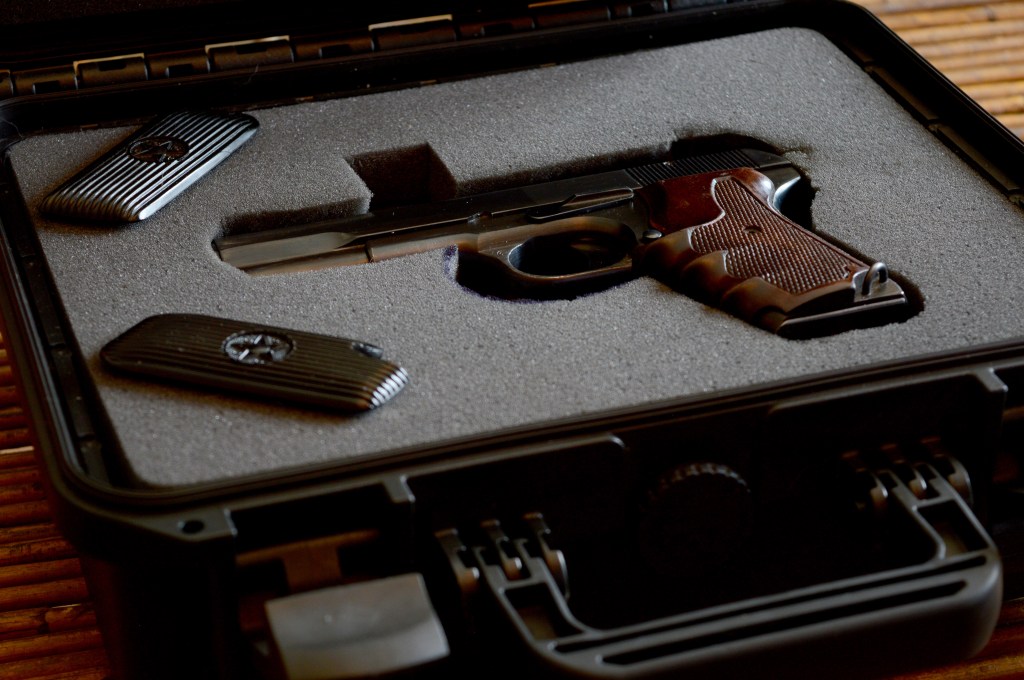
A hard-sided, locked case effectively prevents unauthorized access and protects firearms during travel. Choose a firearm transport case with a secure locking mechanism and ample padding to prevent shifting during vehicle movement.
For added security, store the case in the trunk or another area that is not readily accessible to vehicle occupants. Collectors should avoid leaving the case visible during stops, as this increases the risk of theft.
Ammunition, Firearms, and Secure Transport
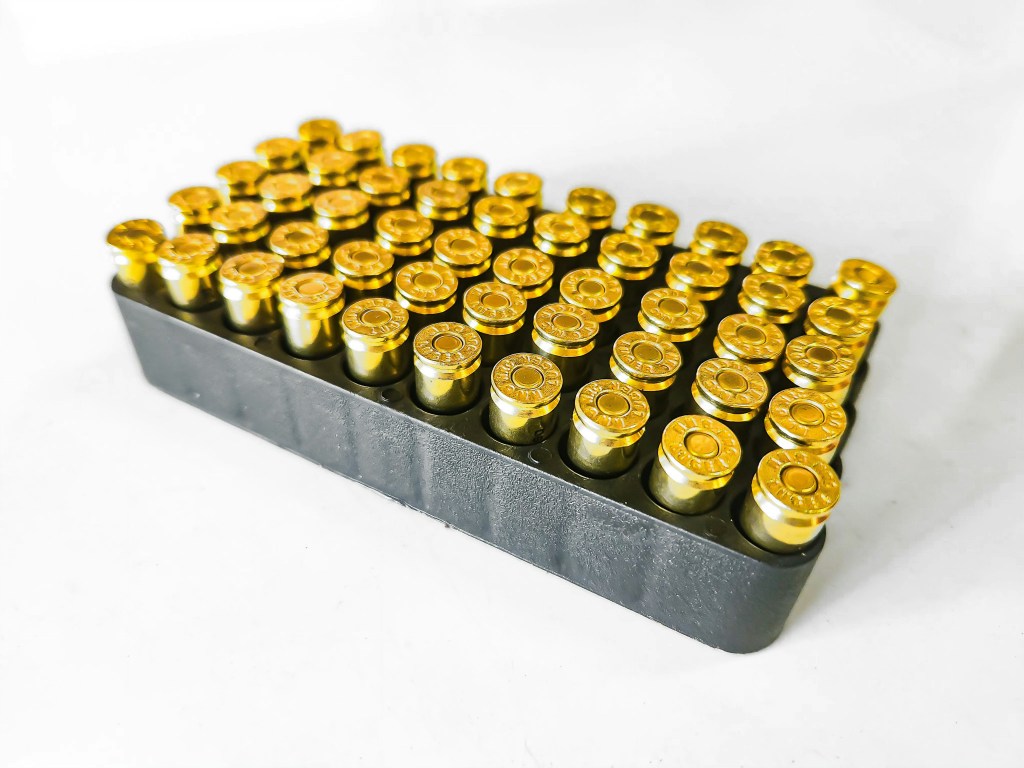
Ammunition and firearms should be handled carefully during transport, with ammunition stored separately from firearms whenever possible and ideally placed in its own secure container designed for travel. Use packaging specifically made to carry ammunition, such as fiber, wood, or metal boxes, or the manufacturer’s original packaging when it keeps cartridges protected and separated.
Avoid loose rounds in bags, cup holders, consoles, or glove compartments, since unsecured ammunition can be damaged, misplaced, or create unnecessary safety concerns during travel. Collectors should also confirm whether any state on their route has restrictions related to ammunition types, magazine capacity, possession, or permit requirements before crossing state lines.
Vehicle Storage: Where and How to Store Firearms in a Car
Firearms should be stored in the trunk or a locked compartment whenever possible so they remain inaccessible to vehicle occupants. Under federal interstate transport protections, an unloaded firearm and any ammunition should not be readily accessible from the passenger compartment; if the vehicle does not have a separate trunk or cargo area, they should be secured in a locked container other than the glove compartment or console.
Avoid leaving firearms unattended in visible areas, which can increase the risk of theft, and consider using a hard-sided lockable case that is secured within the vehicle. Storing a loaded firearm in the console, under a seat, or another easily accessible location is discouraged and may be illegal depending on state or local carry laws.
Firearm Transportation Across State Lines or Long Distances
Long-distance moves require additional planning, including documentation, secure packing, and compliance with both origin and destination laws. Collectors should prepare thoroughly before transport.
Plan long-distance firearm moves before you leave
Before transporting firearms across state lines, collectors should confirm that they may lawfully possess and transport the firearm at both the starting point and destination, then review the rules for every state on the route. Under federal safe-passage protections, firearms must be unloaded and neither the firearm nor ammunition should be readily accessible from the passenger compartment. If the vehicle does not have a separate trunk or cargo area, the firearm or ammunition should be kept in a locked container other than the glove compartment or console.
Keep documentation organized and accessible
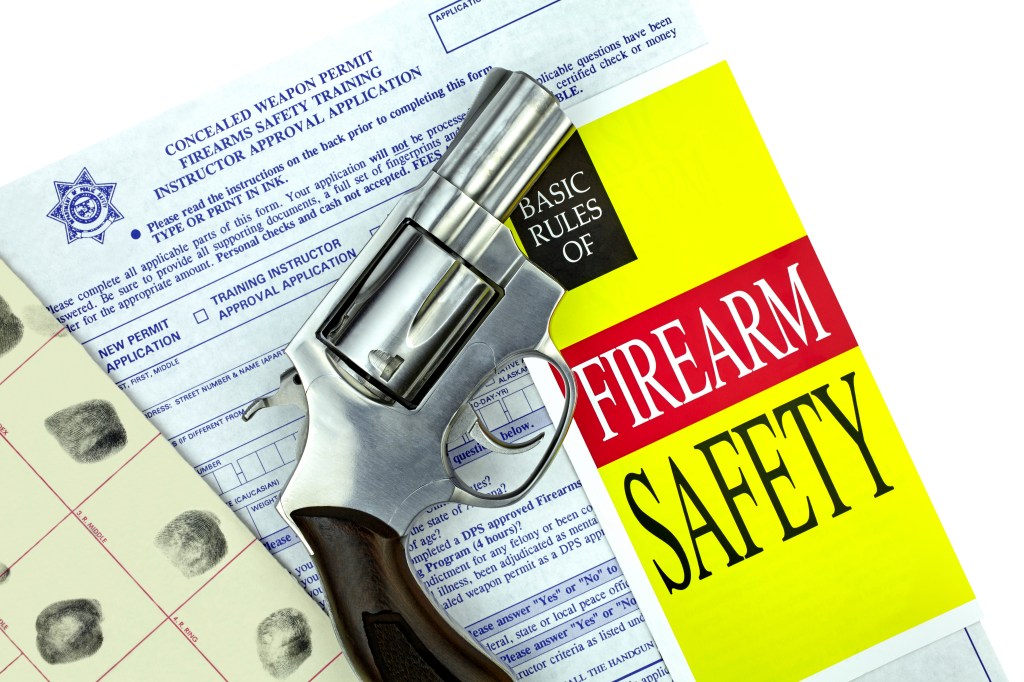
Carry relevant documentation with you, such as permits, approved ATF forms when applicable, proof of ownership, bills of sale, appraisals, or inventory records. Keeping these materials organized can help support ownership, valuation, and compliance if questions arise during travel. For collectors, documentation can also be helpful for insurance purposes if an item is lost, stolen, or damaged while in transit.
Use secure packaging for firearms and ammunition
Pack firearms, unloaded, in lockable, hard-sided cases designed for transport, and keep them secured in the trunk or another area not readily accessible. Ammunition should be packaged securely in a container designed for ammunition. Travelers should confirm whether any state on the route has restrictions on ammunition, firearm types, or magazine capacity. Avoid loose rounds, visible firearms, or storage locations such as the console or under a seat, as these may pose safety and legal risks.
Research state laws and planned stops
State and local firearm laws can vary significantly, including rules for permits, carry, vehicle storage, firearm types, and magazine capacity. Before leaving, review the laws for your origin, destination, and every state you plan to enter, including backup routes and overnight stops. Federal safe-passage protections are limited, so extended stays, detours, or stops in restrictive jurisdictions may create added compliance concerns.
Know what to do during a traffic stop
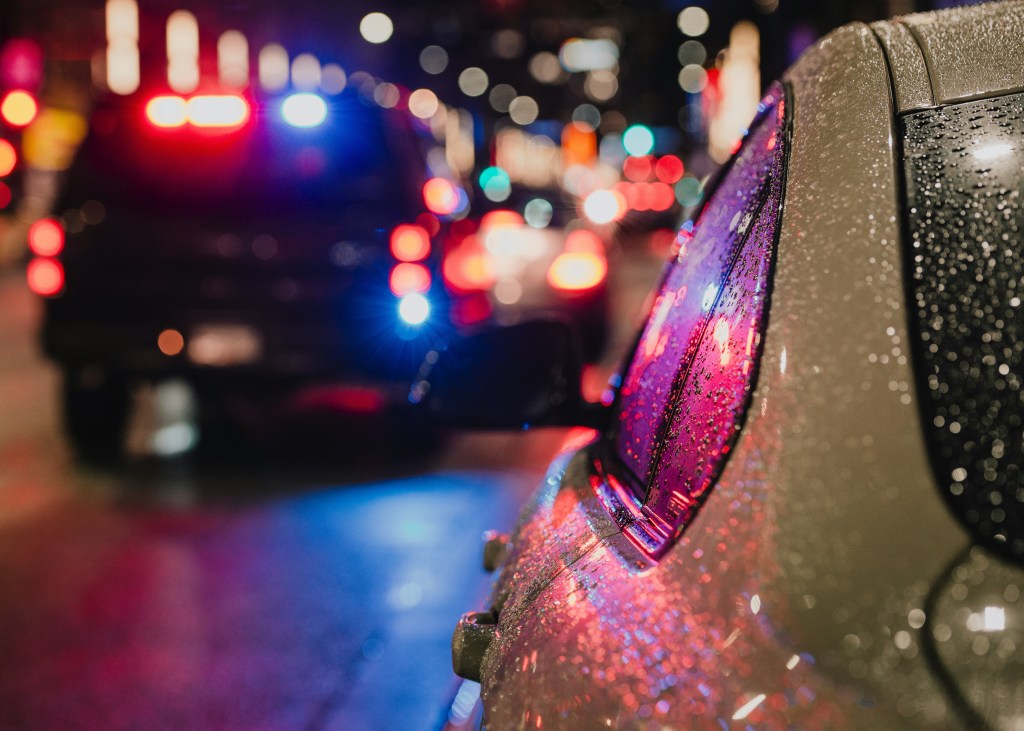
If you are stopped by law enforcement officers while transporting firearms, keep your hands visible, remain calm, and follow the officer’s instructions regarding how to conduct the interaction safely. Disclosure requirements vary by state, especially for concealed carry permit holders, so confirm whether the states on your route have a duty-to-inform law before traveling. Keep permits and ownership documentation organized, but avoid reaching for documents or firearm cases unless instructed to do so.

Checked Bags, TSA Rules, and Airline Firearm Declarations
If a driving trip includes air travel, firearm owners should treat airline transport as a separate planning step. TSA rules generally require firearms, firearm parts, and ammunition to travel in checked bags, not carry-on baggage, and firearms must be unloaded and secured in a locked, hard-sided container before they are placed on an aircraft.
Travelers should carefully check their baggage for prohibited items such as firearms, ammunition, tools, or restricted gear, especially when using range bags or hunting packs that may also contain food or clothing.
Firearms must be declared to the airline at check-in when traveling by air. Travelers should check the airline’s firearm and ammunition regulations, as they may be stricter than TSA requirements. Most airlines require notification at least 72 hours before travel if firearms are involved. Since regulations differ by carrier and destination, collectors should contact the airline directly for details on traveling with handguns, rifles, shotguns, ammunition, or other weapons.

Law Enforcement Officers and Accessible Weapons
Different rules may apply to law enforcement officers traveling armed. These situations can involve TSA procedures, airline notification, department authorization, and specific rules about whether a weapon may be accessible aboard an aircraft.”
“In an emergency or official-duty context, law enforcement officers should follow their agency or department procedures, TSA requirements, and the airline’s instructions. Civilian gun owners should not assume these procedures apply to ordinary personal firearm transportation.

Common Mistakes That Lead to Legal Trouble
Loaded firearms, improper storage, failure to declare firearms when required, and failure to understand local laws are frequent issues. Simple mistakes during transport can lead to serious legal consequences, civil penalties, or even being arrested when collectors cross state lines, enter airports, or pass through jurisdictions with stricter firearm rules.
Loaded or accessible firearms
One of the biggest mistakes is assuming a firearm can remain loaded or easily accessible in a vehicle. Federal protections for interstate firearm transport apply only when the firearm is unloaded and not easily accessible from the passenger compartment. Additionally, state laws may impose further restrictions on loaded firearms in vehicles. Travelers should verify the rules for each state along their route.
Improper storage
Another avoidable mistake is transporting firearms or ammunition without secure storage. A locked, hard-sided case and a trunk or separate cargo area can help keep items inaccessible and reduce theft risk. If the vehicle does not have a separate trunk or cargo compartment, federal law requires the firearm or ammunition to be kept in a locked container other than the glove compartment or console.
Assuming laws are the same everywhere
Collectors should not assume that all states recognize the same permits, storage rules, or carry laws. Concealed carry reciprocity, magazine-capacity limits, registration requirements, and duty-to-inform rules can vary by state and locality. Before traveling, review the laws for your origin, destination, and any states you plan to pass through.
Not keeping documentation available
Lack of documentation can also cause complications if questions arise during travel. Keep permits, proof of ownership, bills of sale, appraisals, ATF forms (when applicable), and insurance records organized and readily available. However, if stopped by law enforcement, avoid reaching for documents or firearm cases unless instructed to do so.
Insurance Considerations While Driving With Firearms
Traveling poses risks to firearm collectors, including theft, accidental damage, or loss. Collectors should check their insurance policy to confirm coverage during transit, while temporarily away from home, or when crossing state lines.
It is also important to understand any limits, exclusions, deductibles, documentation requirements, and sublimits that may apply. Standard homeowners’ policies may limit coverage for firearms or other collectibles, especially for theft, so collectors with higher-value items should ask whether scheduled coverage, a collectibles policy, or separate transit coverage is needed.

Building a Safe and Repeatable Transport Routine
Driving with firearms requires planning, consistency, and attention to the laws, regulations, and legal requirements that apply along your route. Be sure to know what the firearm transportation requirements are. A safe transport routine should include unloading firearms, securing them in a locked case or trunk, storing ammunition separately, keeping documentation organized, checking baggage before any flight, and confirming compliance before you leave. For collectors, these habits can help protect both the firearm and the investment it represents while reducing unnecessary risk during travel. Whether the trip involves a short drive to the range, a long-distance move, or driving and then flying, careful planning helps collectors protect the firearm, the collection, and themselves.
This article is intended for informational purposes only and you should not interpret anything contained in it as legal advice. Collectibles Insurance Services, LLC, its parents, affiliates, and anyone connected with them are not responsible or liable in any way for your use of the information contained in or linked to from this article. Reliance on the information provided in this article is solely at your own risk. If you have questions about gun laws or any of the topics addressed in the article, you should contact an attorney or subject-matter expert.
Sources
https://www.nraila.org/get-the-facts/firearm-transportation
https://www.aa.com/i18n/travel-info/baggage/firearms-and-ammunition.jsp
https://www.tsa.gov/news/press/factsheets/firearms-and-ammunition
https://elementmoving.com/blog/moving-firearms-across-state-lines-legal-requirements-safe-transport
https://www.movinghelp.com/move/how-to-move-firearms/
https://www.pelican.com/us/en/discover/pelican-flyer/can-i-carry-gun-in-car-while-traveling
https://uwk.com/blogs/blog/car-gun-storage
https://www.usconcealedcarry.com/resources/federal-ccw-law/federal-firearms-transportation-laws/
https://elementmoving.com/blog/moving-firearms-across-state-lines-legal-requirements-safe-transport
https://wwe.usashooting.org/resource-center/traveling-with-firearms-and-ammunition/
https://www.uslawshield.com/can-i-take-my-gun-on-a-road-trip/