Discover top aftermarket triggers to enhance your firearm’s performance. Improve accuracy and responsiveness—read the full article for expert insights!
Aftermarket Triggers: Why Collectors Should Pause Before Upgrading
When it comes to firearms, the balance between performance enhancements and maintaining originality is delicate, especially for collectors. Upgrading components like triggers can lead to smoother operation and improved control, but these modifications often come with significant implications for the firearm’s value and insurability.
For collectors, every choice made in pursuit of better performance can affect an instrument’s authenticity and market value. By understanding the nuances of aftermarket triggers and their effects on a firearm’s originality, enthusiasts can make informed decisions that preserve both functionality and investment value.
In this guide, we will explore these considerations in modern firearms and collectible ones. Even though we provide general information, it’s always a good idea to consult with experts before making any changes to your gun.
Understanding the Trigger Mechanism and Trigger Group
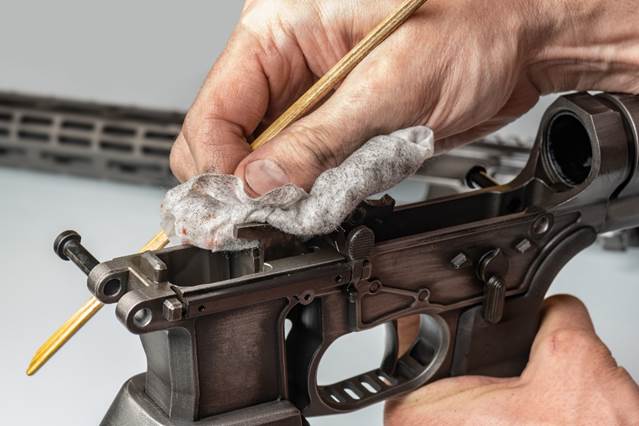
Triggers are an essential part of a larger system in firearms, which includes components such as springs, sears, and engagement surfaces. This integral mechanism affects the overall functionality, playing a critical role in the shooter’s experience, influencing accuracy and firing speed.
Types of triggers
Different firearms serve various purposes, and triggers are specifically designed to meet these unique applications. Whether for competition, hunting, or home defense, knowing the type of trigger can significantly enhance performance and satisfaction.
Single-stage triggers
Single-stage triggers have a direct engagement with the hammer, providing a crisp snap once the trigger breaks. This simplicity often translates into better accuracy for shooters who prefer a straightforward pull.
Two-stage triggers
Two-stage triggers are designed to allow shooters to pre-stage their shots. The initial pull presents a longer first stage, followed by a shorter, lighter second stage, providing greater control for precision firing.
Match-grade triggers
Designed for top performance, match-grade triggers exceed standard military specifications (mil-spec). They typically feature lighter pull weights and shorter resets, making them ideal for competitive shooting where accuracy is paramount.
Drop-in triggers
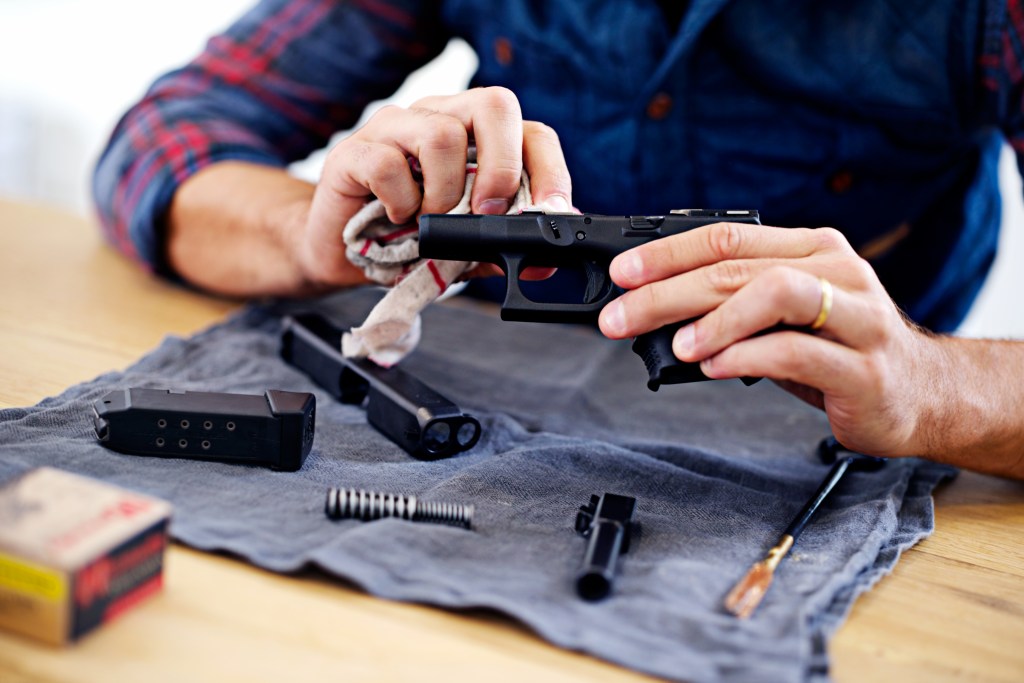
Drop-in triggers are self-contained units that include all traditional components within a housing. This ease of installation makes them an attractive option for those looking to upgrade their trigger systems without extensive modifications.
Mil-spec triggers
In contrast to other options, mil-spec triggers are often criticized for being gritty, inconsistent, and heavy. These characteristics can limit their effectiveness in specific roles, making them less desirable for precision applications. Aftermarket triggers are designed to eliminate the gritty and inconsistent feel often associated with mil-spec triggers.
Variants of triggers
Beyond the standard types, there are several other variants of triggers such as Double Action (DA), Double Action/Single Action (DA/SA), Striker-Fired Triggers, and Electronic Triggers. Each type offers its own set of features tailored to different shooting styles and needs.
The impact of changing trigger components
Altering a single component in the trigger system can have far-reaching consequences on reliability, safety, and long-term wear, especially in collectible firearms. While upgrades may enhance performance, they can also influence accuracy and shooter confidence. For collectible pieces, aftermarket modifications might affect the firearm’s historical accuracy and overall value.
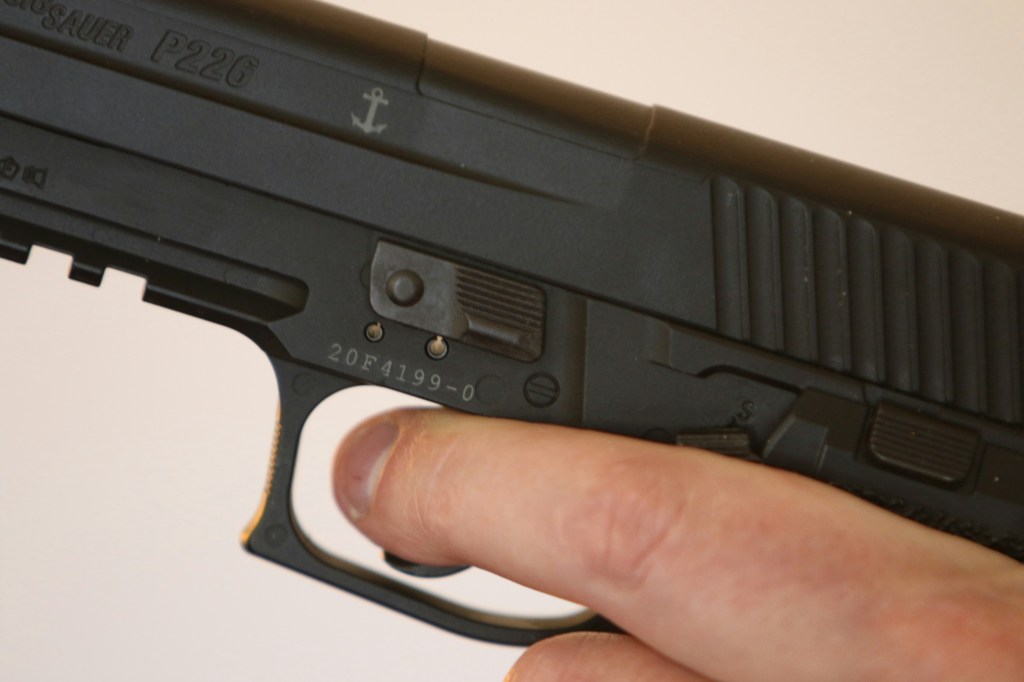
Performance Benefits: What Aftermarket Triggers Actually Improve
Aftermarket triggers are increasingly popular among gun enthusiasts looking to enhance their shooting experience. By offering a range of benefits, these upgrades can significantly improve performance, especially for competitive or precision shooters.
Improved accuracy and precision
Upgrading to an aftermarket trigger can lead to noticeable improvements in accuracy and precision for shooters of all experience levels. These triggers are engineered to deliver a more refined shooting experience, allowing users to achieve tighter groupings and better overall performance on the range.
Eliminating gritty feels
One of the primary advantages is their design, which aims to eliminate the gritty and inconsistent feel often associated with mil-spec triggers. This smooth operation allows shooters to maintain a more controlled and confident pull, ultimately improving shot placement.
Tailored benefits for AR owners
Aftermarket triggers offer a variety of features tailored to the diverse needs of AR owners. Whether for competition, hunting, or tactical use, these enhancements ensure each shooter’s needs are met, enabling a more enjoyable shooting experience.
Enhancing the shooting experience
Many shooters upgrade their triggers not just for performance but to enhance their entire shooting experience. With a better trigger, users can focus more intently on essential aspects of marksmanship, such as achieving an optimal sight picture and maintaining proper breath control, leading to improved shooting outcomes.
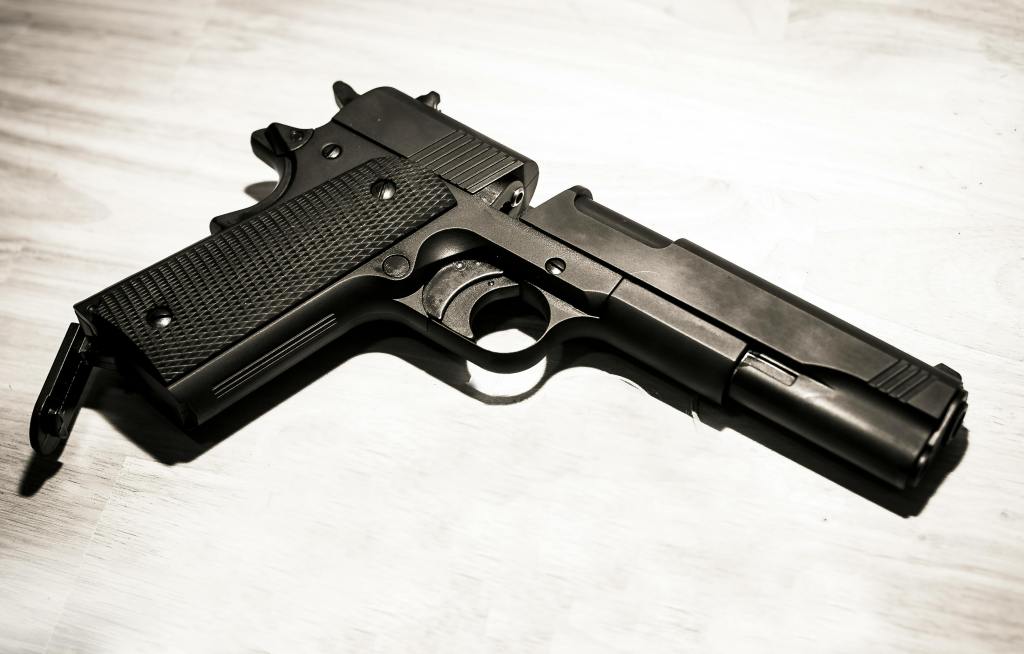
The Risks of Trigger Modifications Collectors Should Understand
Modifying firearms can enhance their performance and adapt them to individual preferences, but it comes with several risks that gun owners must carefully consider. This discussion delves into various aspects of firearm modifications, including reliability, legal concerns, compatibility, safety, and other potential risks.
Reliability of aftermarket triggers
When upgrading a trigger, reliability and safety are crucial. The performance can vary significantly, so selecting products from reputable manufacturers is essential. Before trusting any new self-defense trigger system, thorough testing is necessary to confirm it functions reliably under different conditions.
Legal implications of modifications
Legal issues surrounding firearm modifications, particularly trigger changes, cannot be overlooked. Modifying a trigger could potentially lead to complications if the firearm is ever used in a self-defense situation. Different states may have regulations on modified triggers, so it’s imperative that firearm owners familiarize themselves with local laws to avoid legal conflicts.
Compatibility concerns
Many firearm owners may not fully appreciate the importance of compatibility when replacing parts, especially springs and trigger mechanisms. A spring that fits one model may not be appropriate for another, posing a safety hazard. Therefore, gun owners must always verify compatibility before making replacements, as trigger mechanisms are not universally interchangeable across different platforms.
Safety considerations
Safety is a paramount concern when modifying firearms. While enhancing trigger pull characteristics may be appealing, it is vital not to overlook inherent safety features. Ignoring these features may cause accidental discharge that could have been prevented. Gun owners should prioritize trigger mechanisms that incorporate reliable safety measures. It’s also advisable to avoid inexpensive, unbranded products that may compromise quality and safety, and instead invest in reputable brands with proven track records.
Additional risks involved with modifications
Beyond reliability and safety, modifications can introduce a variety of other risks. They may complicate the resale of the firearm, affect appraisals, and even impact insurance coverage. When considering enhancements, it’s crucial for gun owners to weigh these factors carefully to ensure that any improvements do not lead to unforeseen complications in the future.
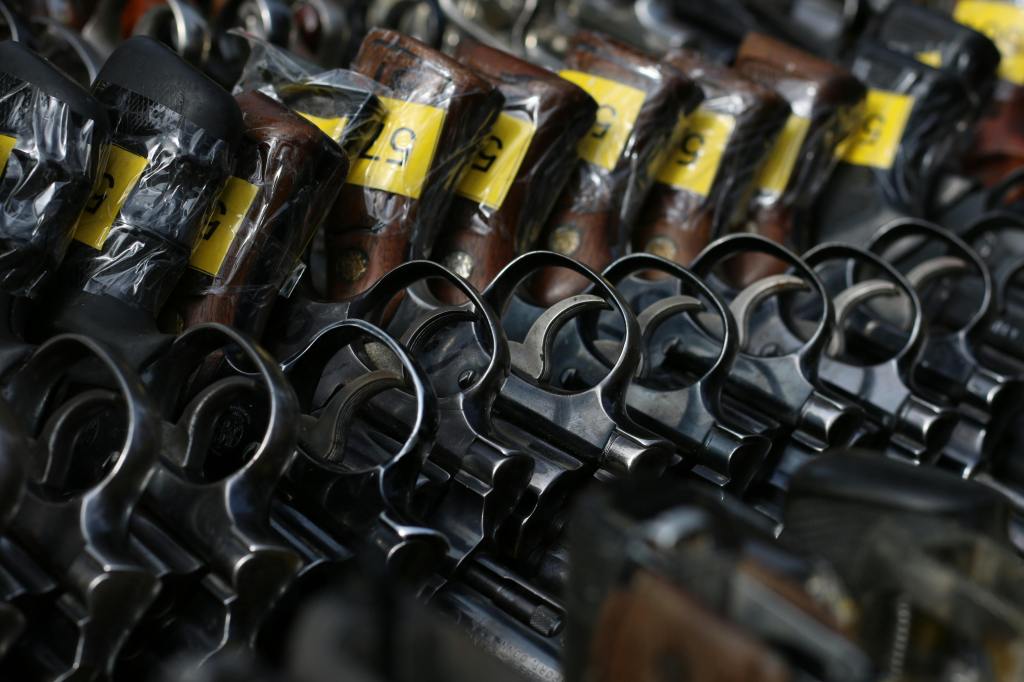
Springs, Pull Weights, and Reliability Trade-Offs
Lighter springs can enhance the shooting experience by improving trigger feel; however, they may also compromise ignition reliability. Firearm collectors and enthusiasts should carefully consider how changes to trigger springs can impact the long-term functionality and originality of their firearms.
Importance of spring maintenance
It is recommended to replace trigger springs every 3,000 to 5,000 rounds as part of regular firearm maintenance. Purchasing replacement springs from reputable brands and sellers is crucial, as mixing springs from different manufacturers can lead to performance issues. While changing the spring can alter the force needed to press the trigger, it can also introduce reliability problems, particularly if it results in light primer strikes.
Pull weights and safety considerations
Reducing the trigger’s pull weight can increase the risk of unintentional firing. Aftermarket triggers can significantly enhance performance by providing a cleaner and smoother trigger pull. Factory triggers are designed with heavier pull weights (typically 5.5-7 lbs) to enhance safety and prevent accidental discharges. In contrast, aftermarket triggers often offer lighter pull weights, sometimes as low as 2 lbs. While a lighter trigger pull can improve shooting speed and accuracy, it is not always necessary for every user.
Balancing reliability and modifications
When considering modifications, it is essential to evaluate their impact on the reliability and safety. Users should ensure that any upgrades do not compromise the firearm’s functionality and trigger control. It is advisable to choose reputable manufacturers known for their high-quality products.
Trigger brands
Several brands have gained recognition for their exceptional trigger options:
- Timney: Known for the Alpha Competition Series for Glock, which reduces pull weight to under 3 pounds, and the Impact Remington 700 Trigger Assembly that enhances accuracy through premium materials. The Timney Alpha Competition Series for Glock drops the pull weight to just under 3 pounds, providing less take-up and a shorter reset.
- Bix’n Andy: The TacSport Pro-X trigger is praised for its crisp break and innovative ball-bearing design, which reduces friction.
- TriggerTech: For the highest level of precision in long-range shooting, 51% of top-ranked PRS shooters choose TriggerTech products. TriggerTech triggers are designed to operate in harsh environments and maintain performance where friction-based triggers may fail.
- TriggerTech offers the ACE Trigger System for Glock pistols, which is designed for performance, reliability, and safety.
- TriggerTech Diamond is a highly recommended single-stage, adjustable trigger favored by top-ranked precision rifle series competitors.
- TriggerTech’s Zero Creep Technology™ provides an exceptionally crisp trigger break, improving accuracy and precision.
- RISE Armament: The RA-535 APT trigger is often referred to as the ‘Ferrari of triggers’. RISE Armament offers a variety of top-rated aftermarket drop-in AR trigger options for AR-10, AR-15, and PCC.
- Ghost Inc.: Known for the Ghost 3.5 lb Connector, which effectively improves the Glock trigger pull weight and feel, addressing complaints about the stock trigger’s mushiness. Ghost Inc. recommends the Ghost 3.5 lb Connector as a simple upgrade to improve the Glock trigger pull weight and feel.
- The Geissele Super Semi-Automatic Enhanced (SSA-E) Trigger is a popular two-stage trigger known for its reliability and light first-stage take-up.
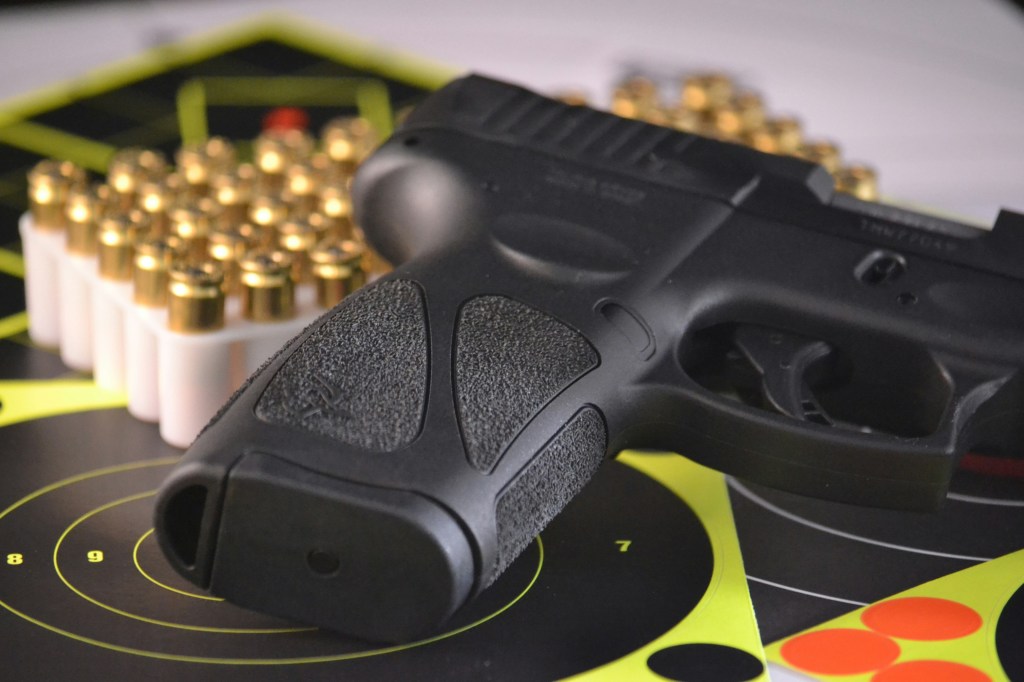
Are Aftermarket Triggers “Worth It” for Collectible Firearms?
The debate over modern trigger technology and its impact on performance versus originality has become a focal point for both competitive shooters and collectors.
The value in modern shooting
Advances in trigger technology may enhance various types of firearms, particularly modern sporting rifles. These upgraded triggers can improve performance in competitive shooting environments, providing shooters with a potential edge through faster follow-up shots and reduced split times. However, the practical applications may not translate as well to self-defense shooting, and some may find that the benefits do not justify the investment in practical shooting settings.
Collectors’ views on firearm modifications
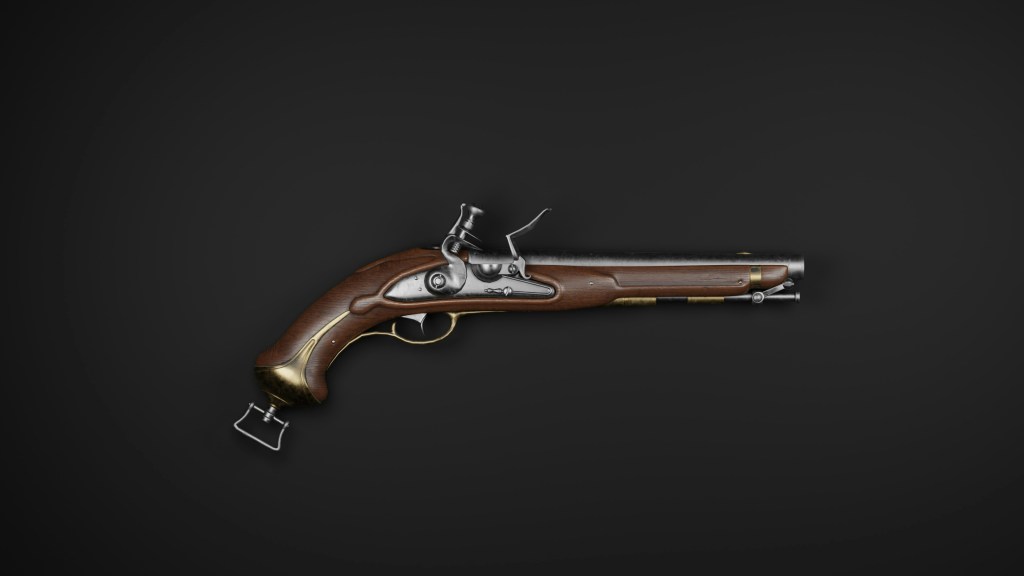
Collectors of vintage, limited-run, or historic firearms typically view aftermarket triggers unfavorably. The desire for originality and historical accuracy tends to take precedence among collectors, making modifications, including trigger upgrades, a poor choice for many. Altering these firearms can have significant repercussions, including negatively impacting appraisals, provenance, market value, and future resale opportunities. It’s also crucial to consider how such modifications may influence insurance coverage, as many policies favor firearms in their original condition.
Reversible vs. Permanent Modifications: A Critical Distinction
When it comes to customization, drop-in triggers stand out as a safe and effective option for collectors. These modifications, often called reversible mods, allow enthusiasts to enhance their shooting experience while preserving their gun’s original components.
Benefits of drop-in triggers
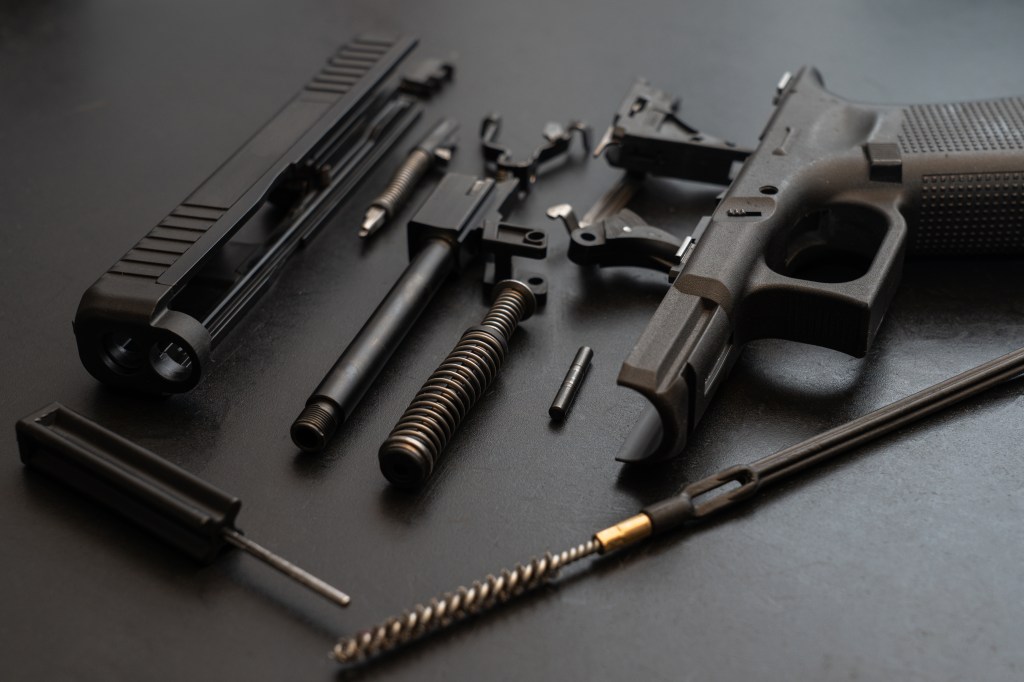
Drop-in triggers replace components of the factory trigger system, significantly improving the overall shooting experience. One key advantage is that they can adjust the trigger shape, optimizing finger placement for better control. Additionally, these triggers can help adjust the pull weight, making it easier to achieve the desired shooting feel. Importantly, installing a drop-in trigger typically does not require expert gunsmithing skills, making it accessible for many hobbyists. However, it’s always wise for individuals to consult with an expert if they lack confidence in their installation abilities.
Preserving factory parts
For collectors, keeping factory parts is crucial for a variety of reasons, particularly concerning future restoration and the overall valuation of a gun. Modifications may enhance functionality, but maintaining original components ensures that the gun retains its historical integrity and market value.
Understanding permanent mods
While drop-in triggers offer a safe alternative, it’s essential to acknowledge the risks associated with permanent modifications. Permanent mods can alter a gun’s fundamental components in ways that may not align with a collector’s goals. As a result, careful consideration should be given before making any permanent changes, as they can affect its functionality and value in the long run.
How Trigger Modifications Affect Appraisals and Value
When assessing the value of firearms, appraisers usually take a cautious approach to modified weapons. They tend to discount them unless the modifications are either period-correct or professionally documented. This is important because collectors often place a premium on originality; for instance, original triggers can significantly boost the value compared to performance upgrades.
Hence, understanding the nuances of originality and the implications of modifications is crucial for collectors, as these factors can affect a gun’s value and desirability. Furthermore, it’s essential to consider the risks associated with firearm modifications, as they can sometimes lead to unforeseen issues that impact both safety and value.

Insurance Considerations for Modified Firearms
Individuals should understand the importance of disclosing any trigger modifications to their insurers, particularly if these changes affect the gun’s safety or overall value. Documenting these modifications is crucial to safeguard coverage and prevent disputes during claims.
Ensuring you have insurance tailored to modified guns can provide peace of mind, knowing you’re adequately covered in case of an incident. However, you should consult your insurance company for any questions you have about covering a modified gun. By prioritizing documentation and transparency with your insurer, you can help protect your rights as a firearm owner while maintaining compliance with insurance requirements.

Best Practices for Collectors Considering Trigger Upgrades
When considering upgrades, it’s essential to maintain a collector-first approach. This means keeping all original parts, carefully documenting any changes made, and avoiding permanent alterations that could diminish the firearm’s value. By doing so, you preserve the piece’s flexibility, ensuring it retains its appeal for future collectors and remains eligible for certain insurance coverage.
Additionally, it’s important to be aware of how aftermarket triggers and other customizations can impact both the gun’s authenticity and its overall market value. Prioritizing these considerations can help safeguard your investment while still allowing for some personal enhancements.
This article is intended for informational purposes only. Collectibles Insurance Services, LLC, its parents, affiliates, and anyone connected with them are not responsible or liable in any way for your use of the information contained in or linked to from this article. Reliance on the information provided in this article is solely at your own risk. If you have questions about any of the topics addressed in the article, please contact a subject-matter expert.
Sources
https://www.concealedcarry.com/safety/should-you-modify-your-carry-gun/
https://www.candjspring.com/the-dos-and-donts-of-buying-gun-springs/
https://sonusgear.alibaba.com/buyingguides/trigger-mechanism
https://sonusgear.alibaba.com/buyingguides/trigger-group
https://shoot-on.com/top-trigger-upgrades-weve-testedand-still-use/
https://riflebasix.com/blog/benefits-of-aftermarket-triggers
https://trueshotammo.com/blogs/true-shot-academy/are-aftermarket-triggers-worth-it
https://www.reddit.com/r/liberalgunowners/comments/1805hcg/are_aftermarket_triggers_worth_it/
https://triggertech.com/
https://risearmament.com/product-category/triggers
https://www.concealedcarry.com/safety/should-you-modify-your-carry-gun
https://ar15discounts.com/collections/lower-parts/triggers
https://ghostinc.com/ghost-inc-blog/is-it-worth-upgrading-the-glock-trigger-a-ghost-inc-guide