Exploring the intricacies of antique firearm collecting is not just a pursuit of historical artifacts but an immersion into the essence of history and craftsmanship. Collectors of antique guns embark on a journey that goes beyond mere acquisition.
They delve into the artistry, the mechanisms, and the stories behind each piece, uncovering the legacy of historical firearms. This endeavor is about preserving these artifacts and cherishing the innovation of gun making from bygone eras.
Interested collectors
The gun collecting community is a unique blend of historians, artisans, and enthusiasts united by their love for historical firearms. This community has a shared reverence for the beauty and craftsmanship of antique guns.
Collecting these pieces goes beyond a hobby; it is a form of stewardship, a way of keeping history alive. Gun collectors eagerly share knowledge, engage in discussions, and contribute to a collective understanding of their collections’ historical and technical significance.
Getting started
One of the first steps you should consider is obtaining a Collector’s Federal Firearms License (FFL). With this license, you can purchase firearms directly without the intermediary step of going through a licensed dealer – a significant advantage for serious collectors.
Equally important is the need to thoroughly understand the laws surrounding firearms purchases. This encompasses the federal regulations and specific state and local laws that may affect your collecting activities.
The Valuable Treasure Hunt: Identifying Antique Firearms
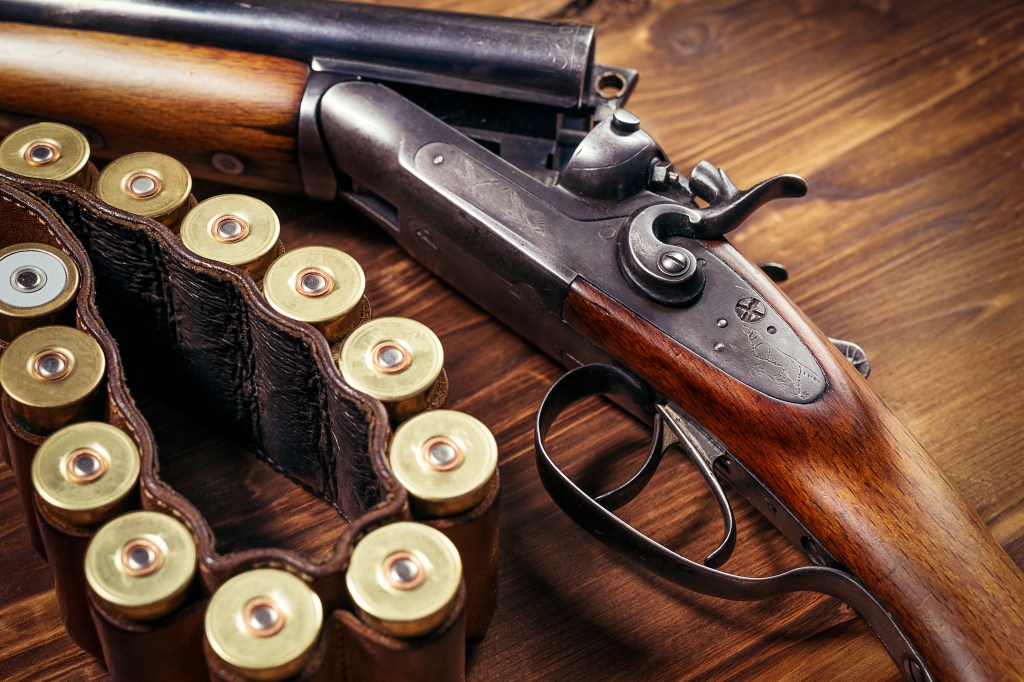
Learn the secrets of identifying valuable antique firearms and embark on a treasure hunt through history with these antique firearm collecting tips. To successfully navigate gun collecting, it’s essential to understand the intricacies of identifying antique guns.
Seasoned antique gun collectors approach this by incorporating a multifaceted approach. This involves combining research, knowledge of firearm types and brands, identifying marks and proofing stamps, and understanding how the condition affects value.
Identifying valuable antique guns
Collecting antique guns is a complex but rewarding endeavor that requires a comprehensive understanding of numerous factors, including types, brands, marks, manufacturers, and conditions.
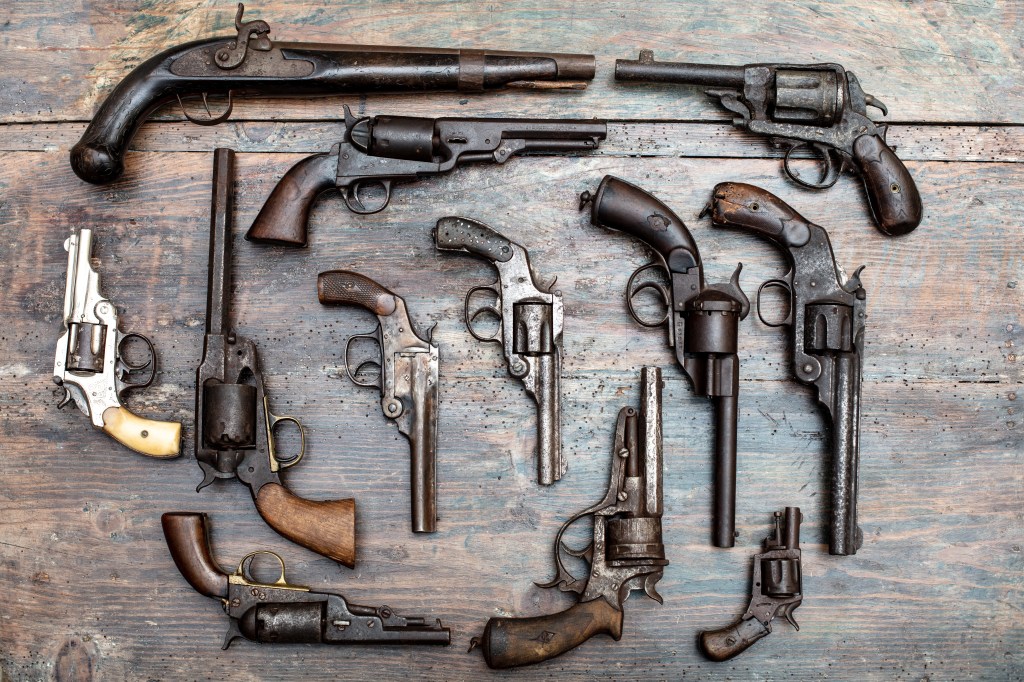
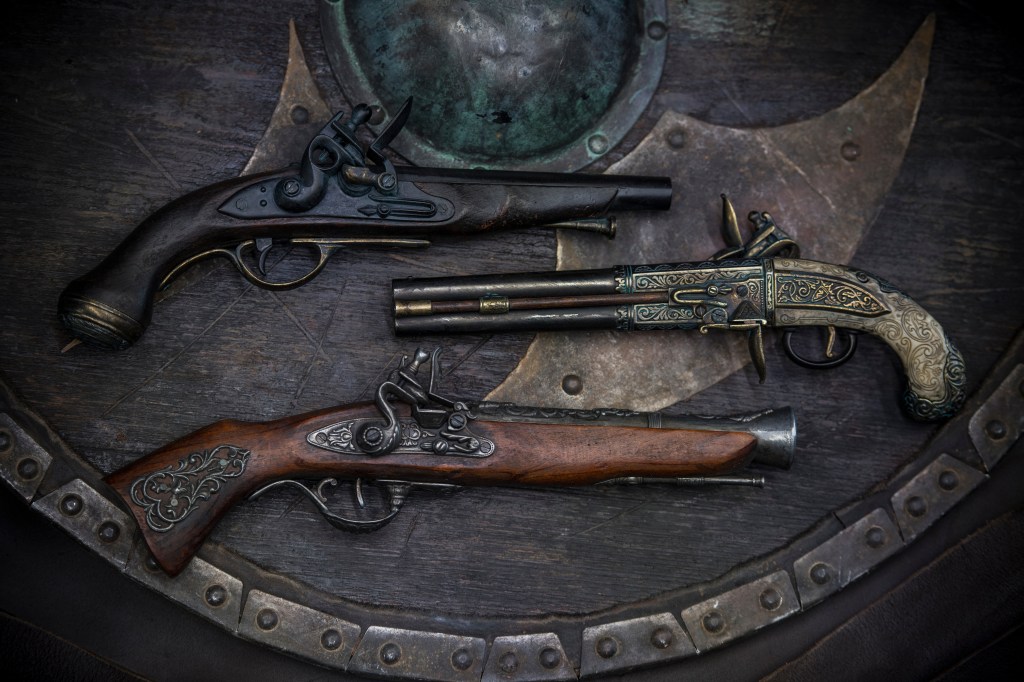
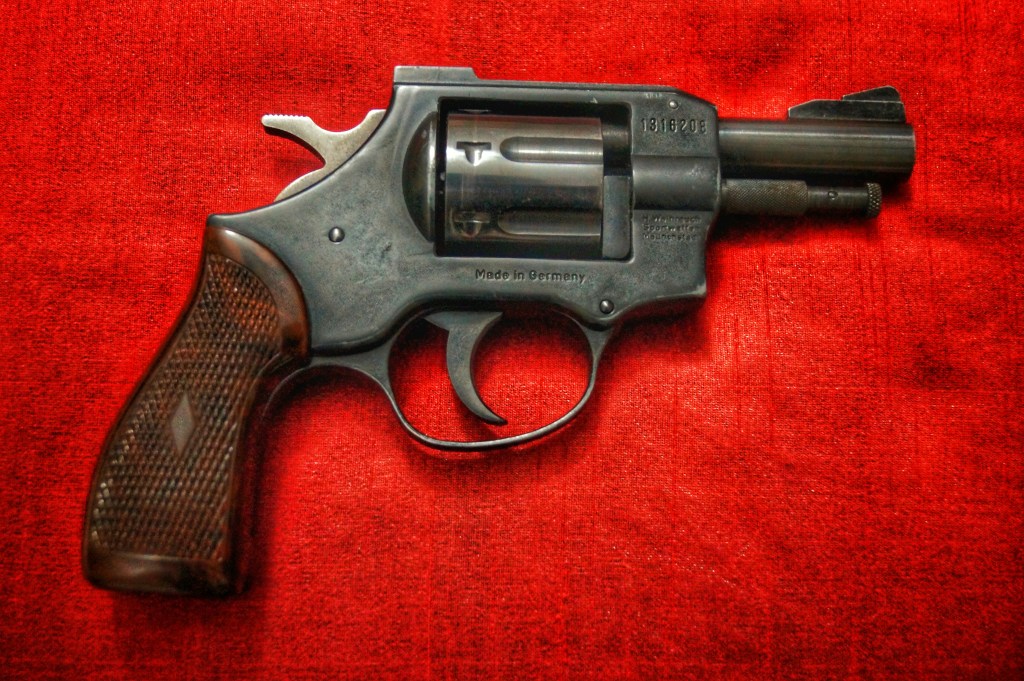
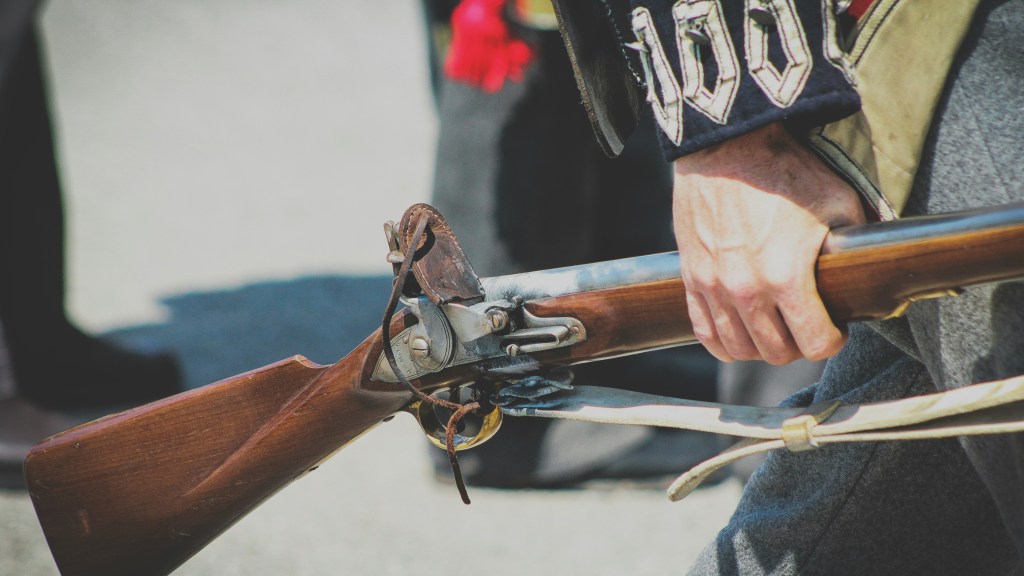
Antique firearms are vast, including military firearms, handguns such as pistols and revolvers, and muzzleloaders, which are primarily collected for their historical significance.
When discussing brands, names like Deringer, Winchester, and Colt stand out as iconic pillars within the industry. Each brand carries its history, reputation, and specific markers that collectors prize.
Antique American firearms
Equally important is recognizing marks and proofing stamps on the firearms. These details are critical in determining a gun’s value, origin, and authenticity, acting as a crucial aspect of the appraisal process.
The condition of a firearm plays a significant role in its value. Analyzing the working parts for smooth action, ensuring serial numbers match, and assessing for wear and tear or period-appropriate repairs are all vital steps in evaluating a gun’s worth.
Guarding History: Insuring Your Antique Firearm Collection
Discover how to safeguard history by effectively insuring your cherished antique firearm collection.
When considering firearms protection under a standard homeowner’s policy, it’s essential to understand that such policies may not cover lost or destroyed guns.
Insuring your antique gun collection
Regarding liability and theft, many insurance companies are reluctant to offer specific policies that cover firearms separately. Certain policies may also exclude coverage for firearms stolen from vehicles unless they’re stolen from a locked vehicle with visible signs of forced entry.
Protecting your firearm collection
For those storing guns, it’s crucial to ensure they’re kept in an immovable safe. This mitigates the risk of thieves breaking into or carrying away the safe entirely.
The ideal approach is to securely mount the safe to either the wall or the floor, or ideally, both. Additionally, properly securing firearms is paramount if stored in a car or truck.
Products like Truck Vault or Pelican Air Cases offer an added layer of security for in-vehicle storage solutions.
Above all, firearms should never be left in plain sight to prevent theft and unauthorized access.
Collecting Antique Firearms: A Community of Passion
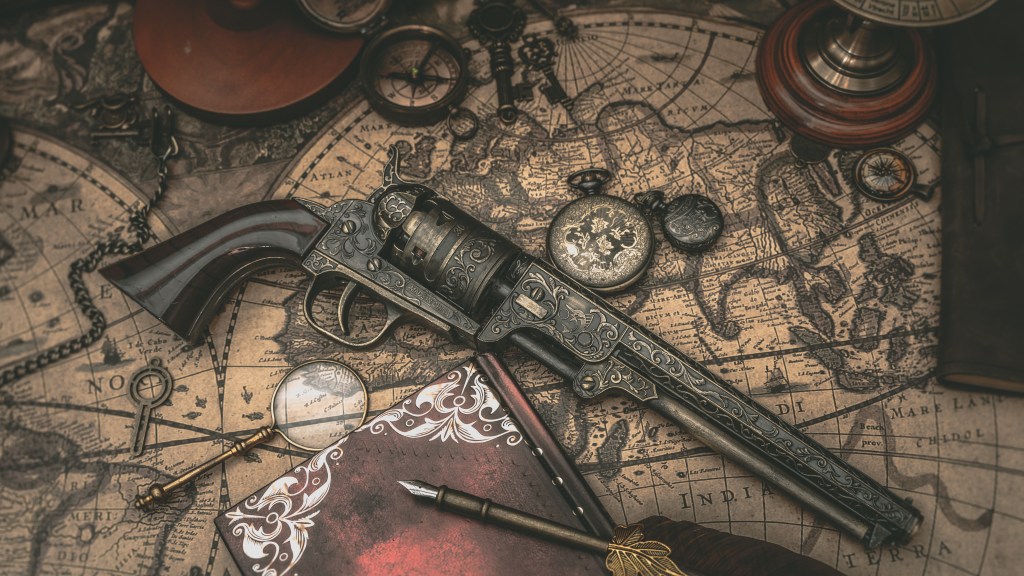
For gun enthusiasts passionate about the history and craftsmanship of antique and vintage firearms, a vibrant community of collectors is united by their shared interests. The firearms community finds common ground in the pursuit of collecting, studying, and preserving these historical items.
Firearm enthusiasts
The American Society of Arms Collectors, established in 1953, is among the most respected organizations in this field. What sets this society apart is the commitment to establishing and promoting ethical standards in research. This ensures that the information circulated about antique guns is accurate. Their efforts also extend to promoting the publication and distribution of scholarly literature, contributing to the historical understanding of arms.
However, the American Society of Arms Collectors membership is highly exclusive, limited to 250 members, and by invitation only. The exclusivity represents the society’s dedication to maintaining a high standard of contribution in antique gun collecting.
Collecting community
Individuals can explore local clubs and organizations dedicated to antique firearms. Participation in conventions, online events, and communities also offers valuable opportunities for engagement and learning.
For those with a keen interest in firearms and historical weaponry, joining an association such as the Colt Collectors Association or Smith Wesson Collectors Association or exploring Winchester’s Collector’s Website can be incredibly rewarding. These associations offer a wealth of resources, from detailed archives and expert analyses to exclusive events and gatherings that cater specifically to collectors and historians alike.
Through these channels, firearm collectors can deepen their knowledge, expand their gun collection, and connect with like-minded individuals who share their passion for the history and artistry of antique firearms.
Showcasing Elegance: Venues for Antique Firearm Collectors
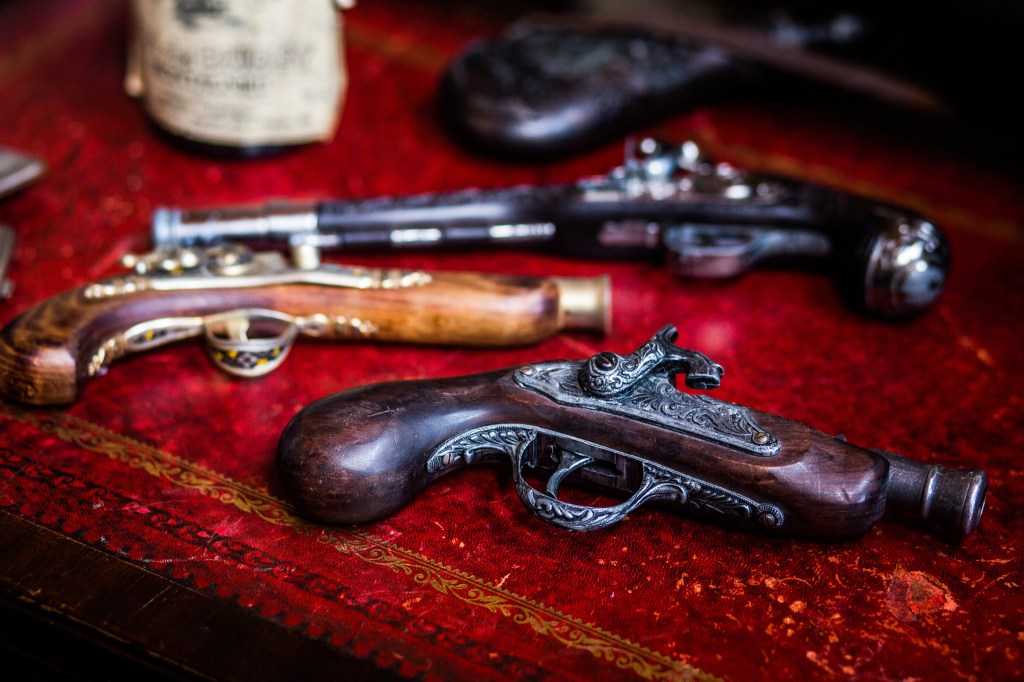
When looking for the ideal venues to present the beauty of your antique firearm collection, consider targeting collector’s exhibitions and shows dedicated to this purpose.
Such events are prime opportunities for showcasing your items, as they cater to enthusiasts and collectors who truly appreciate the value and history of antique firearms.
Collector’s show
One notable event to consider is the Las Vegas Antique Sporting Arms and Custom Knifemaker’s Show. This event stands out as one of the largest of its kind, attracting dealers and collectors globally.
It provides a unique platform for individuals to display, exchange, and learn more about antique firearms, making it a must-attend for anyone serious about their collection.
Exhibiting your collection
When preparing to display your firearms, it’s crucial to ensure they are secured properly. Open-air cases, preferably mounted on walls, offer an excellent way to exhibit your pieces stylishly while ensuring they are safely presented.
However, it’s important to keep these away from humidity and direct sunlight to prevent any potential damage. Security is paramount; always ensure your firearms are mounted securely to avoid accidents.
Maintaining the condition of your antiques is also critical. Continuous vigilance is needed to protect them from rust and corrosion, which can significantly diminish their value.
By following these guidelines, you’ll not only safeguard your collection but also present it in the best possible light at your chosen exhibitions and shows.
Triggering Nostalgia: Antique Firearms in Popular Culture
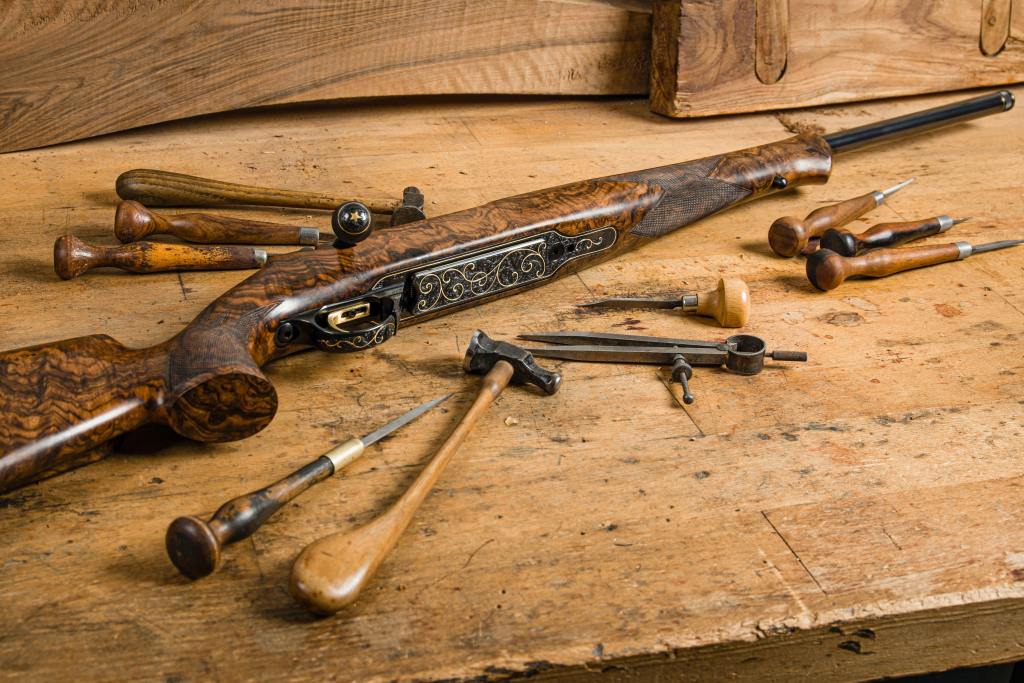
The allure of antique and vintage firearms plays a significant role in the nostalgia-inducing power of movies and popular culture. These iconic weapons serve as pivotal plot devices and evoke a sense of nostalgia among collectors and enthusiasts.
Iconic firearms
The Colt Single Action Revolver that became synonymous with the rugged charm of the Wild West in “Bonanza,” firearms have carved their niches within the collective memory of audiences worldwide.
The appeal of such firearms extends beyond their historical significance, tapping into the collective nostalgia for eras gone by. Consider the Colt Python wielded by Rick Grimes in “The Walking Dead,” a symbol of authority and survival in a post-apocalyptic world, or Thomas Shelby’s Webley Mk VI in “Peaky Blinders,” echoing the tumultuous period of early 20th-century England.
These examples underscore how such weapons become more than props when integrated into the fabric of movies and TV shows. They are touchstones of cultural memory, evoking emotions and memories associated with specific periods, genres, and narratives.
Investing in History: Antique Firearm Collector’s Guide
Exploring the investment potential of collectible guns is a nuanced and fascinating journey that could significantly enhance one’s portfolio. With the assistance of a comprehensive collector’s guide to historical gun investments, antique gun collectors and investors can navigate the complex market of antique firearms.
Collecting for investment
Investing in collectible guns encompasses several vital factors, including understanding the value of limited editions. Often released in small quantities, these rare pieces are highly coveted in the collector’s market. Their scarcity makes them more desirable, usually translating to higher monetary value.
Moreover, brand recognition plays a crucial role in the valuation of antique firearms. Pieces from legendary manufacturers, such as Winchester rifles or a first-generation Colt Saas, are highly sought after.
The historical significance combined with the craftsmanship of reputable brands elevates the collectible’s value.
Antique gun value
The allure of a firearm used by a famous figure cannot be overstated. This aspect of collecting ties the item directly to significant events or personalities, enriching a collection with stories and provenance.
Additionally, the age of the firearm is a crucial determinant of its value. For instance, a Winchester 1873 lever-action rifle, produced during a transformative period in American history, is highly prized among collectors for its historical significance and rarity.
Rarity, in general, is a defining factor in the appreciation of antique guns. Few and far-between collectibles are more likely to increase in value over time, with some estimates suggesting an annual appreciation rate of 3% to 5%.
This steady growth makes antique firearm investment a potentially lucrative option for diversifying one’s portfolio. By acquiring rare, historically significant, and in good condition pieces, investors can cultivate a collection that holds monetary and historical value.
Appraising Antique Firearms: Discovering Hidden Gems
Delving into antique and vintage firearms is an intricate and rewarding endeavor. Appraising these historic pieces requires a nuanced understanding of their qualities and market desires.
Discovering value
The primary factors contributing to collectible firearms’ value encompass their condition, rarity, and overall desirability within the collectors’ market.
When conducting an appraisal, experts pay close attention to the originality of the firearm’s finish, structural integrity, and the authenticity of its parts. This examination ensures the identification of the item’s value.
Condition, rarity, and overall desirability within the collectors’ market are the primary factors contributing to the value. These elements help paint a comprehensive historical significance, increasing the item’s worth.
FAQ:
How do I get started with antique firearm collecting?
To begin collecting antique firearms, educate yourself on their history and types, join the collecting community, and start small while always prioritizing compliance with regulations.
What should I consider when insuring my antique firearm collection?
When insuring your antique firearm collection, it’s essential to consider professional appraisals, specialized insurance coverage, thorough documentation, security measures, regular updates, policy exclusions, and legal compliance.
Where can I find antique firearm collecting events and communities?
To find antique firearm collecting events and communities, search for gun shows, join online forums, check auction houses, join gun clubs, and subscribe to collector’s magazines. Always ensure you know the legal aspects of collecting and trading firearms to comply with local laws.
Sources
https://centerofthewest.org/2022/08/18/firearms-pop-culture/
https://blackwellauctions.com/how-to-identify-valuable-antique-guns/
https://www.gundogmag.com/editorial/do-you-need-gun-insurance/477652
https://americansocietyofarmscollectors.org/about-us/