Discover essential tips for collecting and caring for collector knives. Enhance your collection and maintain your blades with expert insights. Read more!
Collector Knives: Where Function Meets Art and History
Collector knives represent a blend of artistry, craftsmanship, and heritage. Whether antique or modern, each knife tells a unique story that resonates with enthusiasts and investors alike.
Join us as we delve into the fascinating world of these collectible pieces and the narratives they convey.
The Allure of Knife Collecting: More Than Steel and Edge
Collectible knives are a multifaceted passion that draws enthusiasts in for various reasons. From the elegant designs to the historical significance behind each blade, collectors are captivated by the artistry and engineering that go into knife-making.
What knife collectors look for
- Artistry and Engineering: At the heart of knife collecting lies an appreciation for the intricate engineering and craftsmanship that goes into creating each knife.
- Historical Significance: Many knives possess rich histories that enhance their allure. Collecting can be a journey through time, showcasing the evolution of knives.
- Rarity and Reputation: Unique and hard-to-find knives often carry significant value, both personally and financially. Collectors seek out models that boast historical significance, limited editions, or renowned craftsmanship.
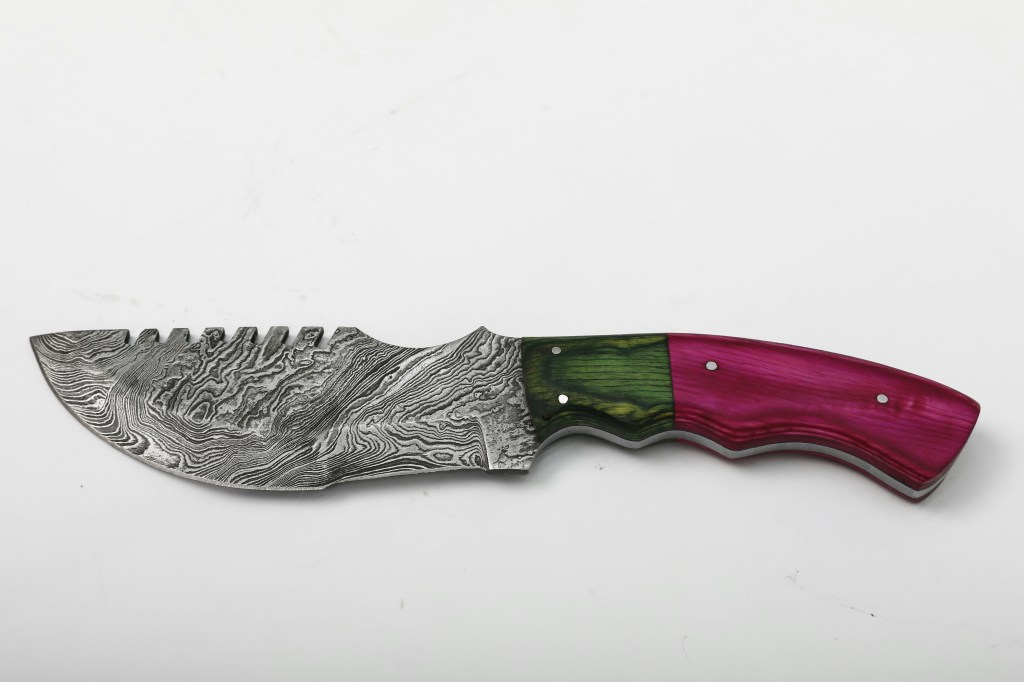
- Timeless beauty: The art of knife making encompasses various elements, including Damascus patterns and intricate handles, which contribute to the beauty of the blades.
Legendary Names in Knife Craftsmanship
American knife-making has a rich history marked by iconic brands that have shaped the industry over the decades.
Case Knives
Founded in 1889, Case has been a cornerstone of American knife-making for over a century. Renowned for its performance, the brand offers a wide range of knives, including fixed blades and pocket knives, catering to both collectors and outdoor enthusiasts.
Great Eastern Cutlery
Established much later in 2006, Great Eastern Cutlery has quickly garnered a solid reputation for producing high-quality knives. The brand is known for its modern twists on traditional foldable designs, appealing to those who love classic styles infused with contemporary quality.
Queen Cutlery
Queen Cutlery holds the distinction of being the oldest of the three brands, having been founded in 1891. Although it ceased operations in 2027, its legacy endures through its meticulously crafted traditional pocket knives, renowned for their exceptional quality and distinctive Winterbottom Bone handles.
Military knives
In the realm of military knives, several iconic models have left their mark. The USMC KA-BAR, Fairbairn-Sykes Commando, Gerber Mark II, and Randall Model 1 are revered for their rugged performance.
Names and makers
Notable names like the Leatherman Wave, Buck 110 Hunter, and Victorinox Classic SD Swiss Army Knife are often regarded as the best knives. They represent the evolving needs of consumers and the versatility of knives. Similarly, skilled makers like Bob Loveless, Owen Wood, and Hattori have contributed to the craftsmanship.
Understanding Knife Value: What Makes a Blade Collectible
The worth of a knife is influenced by various factors that enhance its appeal to collectors and enthusiasts alike.
Age
One of the most significant factors in determining a knife’s value is its age. Generally, older knives in good condition tend to fetch a higher price. Knives from notable periods, such as World War II or the 19th century, especially those classified as antiques, are highly sought after by collectors.
Rarity
Knives that are not only older but also scarce in number can attract higher valuations. Knife collectors often seek out rare models or limited editions, and their desirability can transform even a modest knife into a valuable find when it’s in good condition.
Material
The blade material, whether it be Damascus steel, carbon steel, or other high-quality metals, directly affects the knife’s performance and appeal. Similarly, the handle materials, such as ivory or exotic wood, can enhance both the aesthetics and the historical significance of the knife.
Maker reputation
Renowned artisans like Bob Loveless and Adam DesRosiers have built legacies that transcend mere craftsmanship. Their names carry weight in collecting circles, and knives produced by these makers often command higher prices.
Provenance
Knives with documented backgrounds, such as those previously owned by historical figures or used in significant events, are particularly valuable. Knife collectors often seek out knives with compelling stories, further highlighting the emotional and financial investment involved in knife collecting.
Custom and Limited-Edition Knives: The Art of Modern Collecting
Today, custom knife makers expertly blend art with innovation, creating unique pieces that serve as both functional tools and stunning works of art.
The value of custom knives
Limited-edition knives are becoming increasingly popular among collectors, often appreciating when well-documented and properly maintained. Their rarity and unique features make them valuable investments in the knife world. Knife making is a true art form, with each piece reflecting the maker’s style and philosophy.
Caring for Your Collection: Cleaning, Storage, and Display
Proper knife care is essential for preserving both the aesthetic appeal and financial value of your collection. By maintaining controlled humidity, utilizing protective sheaths, and performing regular maintenance, you can prevent corrosion and ensure that your knives remain in excellent condition.
Cleaning your knives
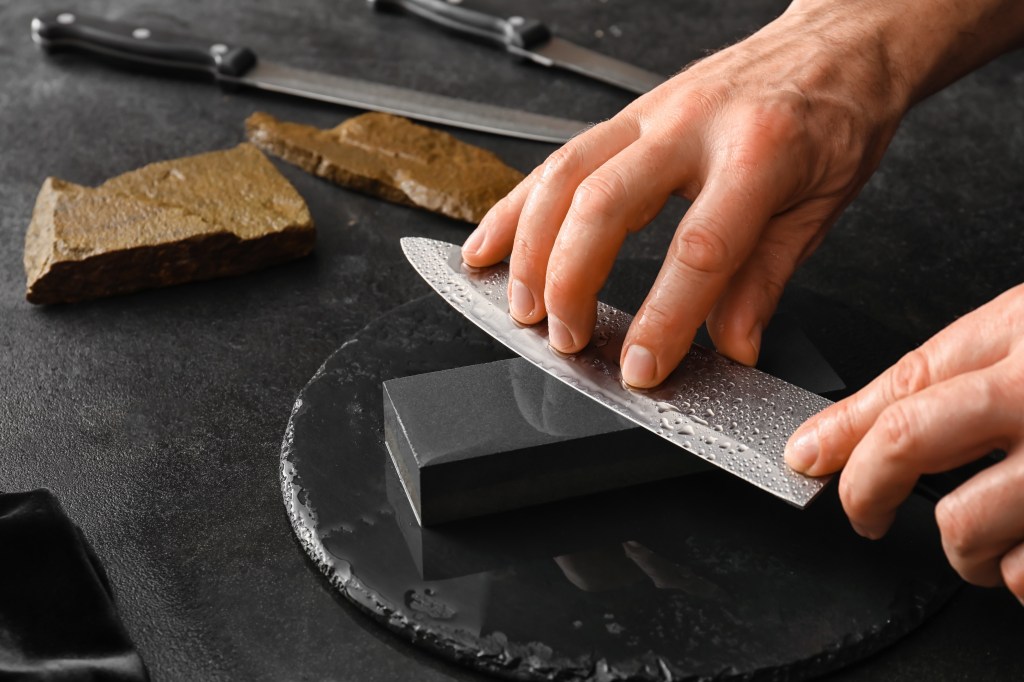
To prevent corrosion and rust, establish a routine that includes wiping down your knives after use. Additionally, take the time to sharpen your blades periodically; however, it’s important not to overdo this process. Excessive cleaning can ruin the patina that some knives develop over time, so balance is key.
Safe storage techniques
Store your knives in a room with controlled temperature and humidity to protect them from environmental damage. Using desiccants can help absorb excess moisture, acting as a preventive measure against corrosion. Always ensure that your knives are sheathed in the appropriate coverings to prevent physical damage.
Displaying your collection
Invest in high-quality display cases that not only showcase your knives but also offer adequate protection from dust and environmental factors. A well-thought-out display can enhance the aesthetic of your collection while keeping your knives safe.
Appraising and Documenting Your Knives for Insurance
Maintaining a complete record of your collectible knives is crucial for several reasons, including determining their replacement value and ensuring that insurers recognize their stories and values.
What to document
When documenting your knives, it is essential to keep various forms of records, including photos, receipts, and appraisals. This information helps you ascertain the replacement value and recognize the significance of each knife.
Keeping records organized
To effectively manage your documentation, consider using a spreadsheet that includes the following details: photos of each knife, knife type (hunting knives, utility knife, historical knife), current value, purchase price, the seller (such as a dealer, antique shop, or online store), purchase date, storage location, any restoration performed, and relevant documentation like appraisals or Certificates of Authenticity. In addition to digital documentation, it is wise to keep physical copies of all records in a secure binder. Make sure to create duplicates and consider backing up digital copies in multiple locations.
Insuring and Protecting Your Investment
Collectors often underestimate the need for coverage. Specialized insurance safeguards your knives against theft, loss, or damage—protecting your collection for decades.
Collectible knives and insurance
At 1776 Insurance, we offer comprehensive coverage tailored specifically for knife collections. Our policies feature higher limits of protection, offering peace of mind both at home and while you’re away, including during travel or exhibitions. Additionally, we simplify the process for collectors by not requiring appraisals for most items, making it easier for you to insure your gear without the added hassle.
The Modern Collector’s Mindset: Passion with Purpose
Today’s knife collectors have evolved into curators of history and design, emphasizing the importance of striking a balance between emotional connections and responsible documentation. By recording the stories and provenance behind each piece, collectors ensure that the narratives of craftsmanship endure for future generations. This dedication enhances the investment value of their collections while preserving the tradition of knife-making.
Sources
https://bighornsteel.ca/blogs/news/the-collector-knife-finding-history-function-and-value
https://www.collectorknives.net/posts/case-knives-the-good-the-bad-the-ugly/
https://www.collectorknives.net/posts/great-eastern-cutlery-the-good-the-bad-the-ugly-todays-american-pocket-knives/
https://www.collectorknives.net/posts/queen-cutlery-the-good-the-bad-the-ugly-todays-american-pocket-knives/
https://nobliecustomknives.com/collectible-knives/
https://dalstrong.ca/blogs/news/the-best-knives-for-collectors
https://www.knivesandtools.com/en/ct/9-must-have-knives.htm
https://exquisiteknives.com/identifying-and-valuing-unique-knives-in-your-collection/
https://nichibles.com/knife-collection-management/
https://www.tomsguide.com/home/kitchen-dining/im-an-ex-chef-heres-how-i-keep-my-knives-razor-sharp-without-a-whetstone
https://kb.caseknives.com/about-w.r.-case-sons-cutlery-company
https://knifehistory.com/2025/03/18/the-history-of-queen-cutlery/