Uncategorized

Prepare your hunting kit for any weather condition. Discover practical tips for all-season weather proofing. Read the guide to stay ready and protected!

Weather-Proofing Your Hunting Kit: The Foundation of a Successful Hunt

Hunting in the great outdoors can be thrilling, but unpredictable weather often presents challenges that can affect your experience. To ensure comfort and safety, having a well-prepared, weather-proof kit is essential.

Regardless of the season or conditions, the right gear allows you to focus on what truly matters—your hunt. Stay ready and enjoy the adventure!

The Science Behind Base Layers: Managing Heat, Sweat, and Comfort

Base layers play a crucial role in outdoor activities, particularly in cold-weather hunting. They serve as the first line of defense against cold and moisture while also regulating your body temperature. Designed to manage heat and sweat, base layers provide insulation to keep you warm and comfortable during long sits or active stalks.

Understanding base layers

Base layers are essential garments that help maintain your body temperature, especially during extreme cold conditions. They regulate heat and manage sweat, preventing chilling that can occur during extended periods outdoors. Additionally, they offer comfort through a friction-free layer that maximizes mobility, allowing hunters to move freely without restriction.

Material matters

The choice of base-layer material can significantly impact your hunting experience. High-quality synthetics and merino wool are popular options due to their moisture-wicking and heat-trapping properties. Synthetic blends are known for their durability and quick-drying capabilities, making them affordable but sometimes lacking in odor control, as synthetic fibers can trap smells. On the other hand, merino wool stands out as one of the best natural fibers for insulation and comfort, excelling in moisture-wicking and odor management. However, its delicate nature might not withstand rough use as well as synthetics, and it can be a pricier option for budget-conscious hunters.

Staying warm during cold weather

Investing in proper base layers is vital for a successful and comfortable hunting experience. Without them, hunters risk body heat loss, chafing, and sweat buildup, which can lead to discomfort and reduced performance. By choosing the right base layers, you ensure a better balance of warmth, moisture management, and comfort, enabling you to focus on your hunt rather than battling the elements.

Hunter walking across a frosty field at sunrise with a rifle

Mid-Layers: Insulation That Adapts to the Conditions

Mid-layers are an essential component of a well-rounded hunting outfit, positioned between the base and outer layers. They play a crucial role in regulating body temperature and retaining warmth during various hunting activities.

What are mid-layers?

Mid-layers serve as a buffer between the base layer, which wicks moisture away from the skin, and the outer layer that protects against wind and water. Their primary purpose is to help regulate temperature during activities like hiking uphill, glassing from a ridge, or navigating in cooler conditions at dusk. By effectively insulating against heat, mid-layers keep hunters warm while also allowing them to remove layers if they become too warm.

Types of mid-layers

There are several types of mid-layers, each designed for different environmental conditions and activity levels.

  • Softshell Insulators: These mid-layers offer some water resistance and are crafted to retain warmth, making them suitable for various weather conditions.
  • Pullovers or Fleece Jackets: Known for their moisture-resistance, these jackets are lightweight and breathable, ideal for maintaining comfort during active hunts.
  • Puffy Jackets: Perfect for colder hunting conditions, they are highly packable and provide excellent insulation for stationary hunts.

When to use mid-layers

The choice of mid-layer can depend significantly on the type of hunting activity. For stationary hunts, opting for a synthetic puffy jacket is recommended to effectively trap heat and provide maximum insulation. Conversely, during more active hunts, a breathable fleece layer may be more beneficial, allowing for ventilation and comfort while still providing warmth.

Angler in waders checking a smartphone beside a rocky shoreline

Outer Layers: Windproof, Waterproof, and Built for Abuse

When it comes to hunting, the gear you wear can significantly impact your comfort and success in the field. Outer layers are essential garments that protect against various weather conditions, keeping hunters dry, warm, and quiet while on the prowl.

Effective outer layers

The primary function of the outer layers is to shield hunters from adverse weather. Effective outer layers feature durable shells designed to protect against wind, rain, and snow. When shopping for outer layer gear, there are several critical features to consider:

  • Windproof: Look for fabrics engineered to withstand windy conditions, which are vital during hunts in exposed environments.
  • Quiet: Materials should be compatible with brushes and provide quiet movement, preventing spooking of game.
  • Waterproof: To ensure protection from wet weather, gear should be seam-sealed and treated with durable water repellency (DWR).

Extreme weather hunting gear

Modern hunting jackets and pants have evolved to meet the demands of unpredictable weather. With advancements in technology, these garments combine breathable membranes with rugged fabrics, allowing hunters to comfortably traverse brush, storms, and long-distance treks.

Types of hunting outer layers

  • Soft Shells: Ideal for mild, dry conditions, offering flexibility and comfort without excessive insulation.
  • Insulated Shells: Perfect for cold weather, these provide warmth in one convenient garment without sacrificing mobility.
  • Hard Shells: Designed to be both windproof and water resistant, hard shells are essential for extreme weather conditions, ensuring hunters stay dry and protected.
Hiker packing a backpack in a snowy mountain clearing

Boots Built for Weather, Terrain, and Long Distances

Weather-proof boots are crucial for ensuring hunters remain mobile and safe in diverse conditions. With proper insulation, waterproof membranes, and aggressive traction, these boots keep feet dry and warm while navigating uneven terrain, long periods, and staying comfortable. Selecting the right pair is vital to prevent common issues such as blisters and frozen toes, especially during long hunts.

Cold weather boots

Choosing the right insulation level in hunting boots is essential for keeping your feet warm and comfortable in cold weather. Insulated boots are especially beneficial for cold-weather hunts or upland outings, allowing hunters to focus on their target rather than discomfort in their feet. Opting for waterproof and synthetic insulation is a smart choice for activities such as deer and elk hunting, where exposure to wet and cold conditions is common.

Mud boots for challenging terrain

Mud boots are specifically designed for wet and muddy environments, making them ideal for traversing ankle deep water, trails, wet grass, creeks, and ponds. These boots should be crafted from quality materials to ensure durability while remaining lightweight for easy movement across uneven surfaces. However, it’s important to note that some mud boots may lack breathability, making them better suited to fall weather hunting.

Tailoring your hunting boot choice

When selecting hunting boots, it is crucial to consider the specific game being hunted and the hunting season. For deer and elk hunting, waterproof and insulated options are key. In contrast, small-game and upland hunting benefit from insulated, moisture-wicking boots with good traction and a snug fit and ankle support to prevent chafing. Waterfowl hunters should prioritize waterproof and insulated features to handle wet conditions efficiently.

Achieving mobility and comfort

Ultimately, the right hunting boot will enhance mobility and comfort during your hunting experiences. By selecting boots that are both waterproof and insulated according to your hunting conditions and the game you pursue, you can minimize fatigue and discomfort, allowing you to fully enjoy the adventure of the hunt.

Worn hiking boots resting on gravel near a campsite bench

Socks, Gloves, and Headgear: Small Items That Make a Big Difference

When venturing into the wilderness for a hunt, it’s easy to overlook the small accessories that can significantly impact your comfort and performance. Items like Merino socks, insulated gloves, and wind-blocking headwear play a crucial role in maintaining warmth and reducing heat loss during harsh weather conditions.

Merino socks

Quality socks are essential for any hunting expedition, and Merino wool is the ideal choice. These socks are not only moisture-wicking but also effective at retaining heat, ensuring your feet stay dry and comfortable throughout your outing. Avoid cotton socks as they trap moisture, which can lead to friction and discomfort.

Insulated gloves

Keeping your fingers warm is vital when hunting in cold climates, which is why selecting the right gloves is essential. Opting for waterproof gloves can help maintain dexterity and warmth, preventing the cold from becoming a distraction during your hunt. A good pair of insulated gloves keeps your fingers nimble and protected.

Wind-blocking headwear

Don’t underestimate the importance of headwear in extreme weather conditions. A well-designed hat can help regulate your body temperature, providing warmth in winter and protection from UV rays in summer. Investing in wind-blocking headgear is crucial for maintaining comfort while focusing on your hunting objectives.

Gloved hands pouring a hot drink from a thermos outdoors in winter

Layering Strategies for Different Seasons

When it comes to hunting, the right gear can significantly impact your success and comfort in the field. Understanding the seasonal requirements for clothing is crucial, as early and late-season hunts demand different features to keep you safe and effective. Here’s a guide to building your hunting clothing system based on the weather patterns you’ll encounter.

Early-season hunts

During early-season hunts, the weather can vary, making breathable and lightweight clothing essential. Opt for gear that promotes good airflow to keep you comfortable as temperatures fluctuate. Additionally, if your hunting area experiences a rainy season in spring or summer, it’s important not to overlook rain gear to stay dry. Choose camo patterns wisely; universal or transitional camo can help you effectively blend into your surroundings, enhancing your stealth during these warmer months.

Late-season hunts

As the season progresses into late autumn and winter, the focus shifts to moisture control and insulation. At this stage, it’s vital to invest in heavy-duty clothing designed to withstand cold temperatures, snow, and rough terrains. Look for layering options that provide ample warmth without sacrificing mobility. Your camouflage choices should also adapt, with options like snow camo, woodland, or a universal print to match the winter landscape. Prioritizing durability and protection from the elements will ensure you stay comfortable and focused on your hunt.

Hunting gear laid out on a wooden table with rifle, antlers, and camouflage clothing

Advanced Gear for Extreme Conditions

In recent years, hunting gear has evolved significantly, incorporating advanced technologies and materials designed to enhance the experience of hunters and collectors. From heated base layers to sophisticated insulation, these innovations allow enthusiasts to venture deeper into the wilderness and stay out longer, regardless of the conditions.

Advanced hunting gear

The integration of high-tech materials into hunting apparel has transformed how hunters prepare for their expeditions. Advanced hunting gear often features cutting-edge design elements that elevate comfort and performance. High-tech membranes, like Gore-Tex, provide essential waterproofing while ensuring breathability, which is crucial for maintaining comfort during intense physical activity.

Cold weather hunting gear

When it comes to late-season hunting, having the right gear is vital for retaining body heat. Insulated jackets and pants are highly recommended to protect against frigid temperatures. These specialized garments are designed to trap warmth while allowing moisture to escape, keeping hunters comfortable in harsh weather conditions.

Weather proofing

To maximize efficiency in unpredictable climates, it’s essential to invest in weather-proof clothing. Quality waterproof membranes are indispensable in high-end rain gear, ensuring that hunters remain dry and focused. Additionally, gaiters serve an essential purpose by preventing water, snow, and debris from entering boots, enabling greater mobility and comfort during treks in challenging terrain.

Camper holding a metal mug beside a small campfire in cold weather

Protecting Your Weather-Proof Gear with Insurance

High-end hunting clothing, boots, and accessories represent a significant investment for serious collectors and long-range hunters. Protecting essential hunting items during travel, use, and storage is key. Specialty insurance offers peace of mind for both hunters and collectors.

At 1776 Insurance, we understand that hunting items like guns, knives, and accessories require a tailored approach to protection. Our full arsenal of protection services is designed to meet the unique needs of collectors of these valuable items. With over 50 years of experience, Collectibles Insurance Services has been dedicated to helping enthusiasts protect their cherished collections, ensuring their investments are safe and secure.

Sources

https://skregear.com/blogs/resources/top-hunting-base-layers-for-cold-weather-keep-the-chill-out
https://www.divebombindustries.com/blogs/news/everything-you-should-know-about-base-layers-for-hunting
https://www.onxmaps.com/hunt/blog/hunting-gear-essentials
https://skregear.com/blogs/hunting/the-ultimate-guide-to-the-best-hunting-clothing-for-every-season-terrain
https://1source.basspro.com/news-tips/hunting-gear/36369/ultimate-guide-layering-hunting-clothes-all-seasons
https://www.divebombindustries.com/blogs/news/top-advanced-gear-for-base-layers-for-hunting-staying-warm
https://www.kuiu.com/collections/frigid
https://www.fieldandstream.com/outdoor-gear/hunting/hunting-apparel-and-accessories/best-cold-weather-hunting-boots
https://www.sitkagear.com/temperature/cold
https://www.outsideonline.com/outdoor-gear/clothing-apparel/best-hunting-clothes/

Learn the key principles of private land hunting etiquette to ensure a respectful and successful experience. Dive into essential tips for your next hunt!

Hunting on Private Land: Why Etiquette Determines Your Access

Hunting on private land offers a unique opportunity for sports enthusiasts, but it comes with a set of responsibilities that are crucial for maintaining access. The relationship between hunters and landowners is built on a foundation of trust, respect, and responsible behavior.

When hunters prioritize courtesy and professionalism, they enhance their experiences and cultivate goodwill for lasting benefits. Understanding the importance of etiquette is essential for ensuring that these valuable opportunities remain available for future generations. In this discussion, we will explore key principles of hunter-landowner relations and the behaviors that contribute to a positive and sustainable hunting environment.

Asking Permission: The First Step to a Long-Term Relationship

A respectful request can significantly influence the outcome of obtaining land access. This personal approach, which includes a handshake, clear introduction, and a thoughtful explanation of your intentions, helps landowners feel more at ease when granting permission.

Best practices for obtaining permission

When seeking hunting permission, it’s often more effective to communicate directly and personally. Addressing the landowner face-to-face allows for a more meaningful exchange than other methods, such as emails or phone calls. It’s essential to initiate this conversation well in advance of the hunting season, preferably in casual clothes – not hunting gear- to establish rapport.

Legal regulations to consider

As you navigate the process of obtaining hunting permission, it’s essential to be aware of the laws and regulations in your area. It is a best practice to obtain written permission from the landowner, signed and dated, which outlines the specifics of the hunting agreement. In many regions, such as Pennsylvania, explicit written permission will become a requirement for hunting on private properties, particularly commencing in 2025 for Sunday hunting. Understanding and adhering to these legal necessities is responsible hunting.

Adhering to safety requirements

In addition to permission, hunters must also consider safety regulations. Many states have established safety buffers that prohibit discharging firearms within specific distances from occupied structures without permission. It’s essential to understand these boundaries and secure explicit permission to hunt in areas that may be affected by such rules. It protects the landowner’s property and ensures a safe environment.

Continuous communication with land owners

Maintaining a strong relationship with landowners involves ongoing communication. Hunters should confirm details such as dates, times, and rules with the landowner before each visit to ensure a smooth experience. It’s also advisable to reconfirm hunting permission each season, allowing for updates on any new rules or restrictions that may have been implemented.

Private property sign marking access to a path

Understanding and Following Landowner Rules

Every property comes with specific expectations that hunters need to respect, including vehicle restrictions, livestock awareness, and established boundaries. By following the rules provided by landowners, hunters can build credibility in the community and minimize conflicts.

To maintain a positive relationship with landowners, hunters should adhere to designated hunting access rules and conduct guidelines. This includes managing vehicle use by only driving on approved roads or trails.

Ultimately, responsible hunter behavior is essential for maintaining access to hunting grounds and following guidelines on which game animals can be hunted. Understanding and following landowner rules supports sustainable hunting practices and helps preserve these lands for future generations.

Person standing with a dog at sunset in a rural field

Showing Respect Every Time You Enter the Property

Respecting private land is a fundamental principle for ethical hunting. Small gestures, such as closing gates and staying on designated roads, indicate that you acknowledge the privilege of hunting on someone else’s property. By practicing responsible hunting behavior, you not only ensure your own access but also contribute to a culture of respect and trust between hunters and landowners.

Private land hunting etiquette

Establishing a positive relationship with landowners can significantly enhance your ethical hunting experience. Offering to share part of your harvest is a simple yet effective way to build goodwill and public trust. This gesture shows appreciation for the landowner’s generosity and can lead to more hunting opportunities in the future.

  • Maintaining Respect for Property: Treat the property with the same care you would extend to your own. This includes staying within property lines, respecting livestock, fences, crops, and buildings. By doing so, you demonstrate your understanding of the landowner’s investment and commitment to maintaining their property.
  • Adhering to Safety Protocols: Safety should always be a top priority when engaging in hunting activities. As part of responsible hunting behavior, it’s essential to follow safety protocols. Hunters should manage vehicle use by driving only on designated roads or trails approved by the landowner.

Leaving no trace and ethical hunting

Finally, the principle of leaving no trace is vital in demonstrating respect for the land and hunting ethics. Ensure that you leave all gates as you found them, whether they were open or closed. By being mindful of your impact on the land, you help maintain the integrity of the environment and the trust between hunters and landowners. Careful hunters are often invited back, while careless behavior can quickly lead to loss of access. Ethical hunters model positive behavior in front of non-hunters, promoting understanding and tolerance.

Close-up of a shotgun carried during a hunt

Communication Makes You the Hunter Landowners Remember

Establishing effective communication with landowners is crucial for fostering positive relationships.

Courteous behavior

  • Constant Communications: Letting the landowner know when you arrive, leave, or change your plans demonstrates professionalism and respect. This open line of communication not only prevents misunderstandings but also builds long-term trust, which is essential for successful hunting experiences.
  • Showing Appreciation: Expressing gratitude is a vital aspect of maintaining a good relationship with landowners. Simple gestures, such as sending a thank-you note or offering a portion of processed game meat, can go a long way. Additionally, sharing pictures of successful hunts or sending a message can reinforce your appreciation and keep the connection strong.
  • Giving Back to the Landowner: Contributing positively to the landowner’s property can strengthen your relationship further. Consider sharing some processed game meat or offering to help with tasks around the property. These acts of kindness show that you value the landowner’s hospitality and are willing to contribute in meaningful ways.
Angler fishing from a wooden dock on a rural pond

Field Dressing and Waste Etiquette on Private Land

Field dressing on-site is an essential practice for hunters, but it must be carried out properly and in suitable locations. Ensuring cleanliness shows respect for the land and its users. Ethical hunters leave no visible remains, especially in high-use areas, to preserve the environment and ensure a positive experience for others.

The principle of Fair Chase

Fair Chase is a foundational concept in ethical hunting, emphasizing the importance of sporting conduct and respecting wildlife. It involves the pursuit and taking of free-ranging wild animals in a manner that does not give the hunter an unfair advantage. It gives the animal a reasonable chance to for survival. This principle ensures that hunts are conducted with integrity and that the chase reflects the true spirit of hunting as a sport.

Upholding hunting ethics

Ethical behavior in hunting transcends legal requirements and emphasizes doing what is right, even when no one is watching.  Responsible hunters understand the importance of their actions and work hard to maintain high standards. They recognize that moral integrity is essential to the hunting community. This includes avoiding unfair advantages while hunting, using humane kill shots, and following legal regulations when pursuing game animals.

Knowing your limits

A responsible hunter is aware of their capabilities and understands the importance of waiting for an optimal shot. This patience not only increases the likelihood of a clean harvested game but also demonstrates respect for the animal and the hunting tradition. By waiting for the right moment, hunters can minimize suffering and ensure a more ethical outcome.

Utilizing the whole animal

The practice of using the whole animal is a time-honored tradition that reflects appreciation for the life taken. Ethical hunters strive to honor the animal by ensuring that no part goes to waste. This approach not only showcases respect for the wildlife but also reinforces a commitment to sustainability and responsible resource management.

Respecting wildlife and the environment

At the heart of ethical hunting lies a deep respect for both wildlife and the environment. This respect shapes a hunter’s actions and choices, guiding them in their pursuit. By acknowledging the interconnectedness of all life, ethical hunters contribute to conservation efforts and foster a sustainable relationship with nature, ensuring that new hunters can enjoy the same experiences.

Hunter carrying a rifle while walking through a field

Hunting Camp Etiquette: How to Keep Getting Invited Back

When attending a hunting camp, it’s essential to follow certain etiquette to ensure a positive experience for everyone involved. Respecting your fellow hunters is paramount; maintaining a friendly and harmonious atmosphere fosters camaraderie and enhances the overall enjoyment of the trip. A respectful attitude creates an inviting environment where all participants feel valued and safe.

Moreover, courtesy plays a significant role when staying at someone else’s cabin or camp. Contributing by helping with clean-up, bringing food or supplies, and expressing gratitude to your hosts can go a long way. Ultimately, your behavior at the hunting camp can significantly influence future invitations. A good reputation is essential; showing respect and courtesy can increase the likelihood of receiving an invitation to return next year.

Camping tent at sunrise in open countryside

Addressing Mistakes Before They Become Problems

Accidents can occur while hunting, resulting in crop damage, spooked livestock, or vehicle ruts. Recognizing these risks is essential for responsible hunters who must also commit to integrity and accountability.

  • Communicating with Landowners: When an accident happens, it’s crucial to inform the landowner immediately. This proactive communication fosters transparency and helps maintain a cooperative relationship, which is essential for both parties.
  • Making Amends: Rectifying any damage caused during a hunt is vital to responsible behavior. Whether repairing a fence or compensating for crop loss, demonstrating respect for the landowner’s property helps reinforce trust and promotes ethical hunting practices.
  • Building Trust: Responsible hunting extends beyond avoiding accidents; it also involves following hunter conduct guidelines and respecting the land. By consistently demonstrating responsible behavior, hunters can establish trust with landowners and foster a respectful hunting community.

Keep out private property sign on a locked farm gate

Why Good Etiquette Ensures Opportunities for Future Generations

Landowners often share positive experiences with hunters, but negative ones spread faster. This highlights the need for respectful, ethical behavior among hunters, which helps maintain access for the entire community. Upholding ethical practices means doing the right thing, even when it’s not legally required. Strong hunter-landowner relations are essential for preserving hunting opportunities for the future.

Sources

https://idfg.idaho.gov/press/hunters-ask-first-and-treat-landowners-respect-when-hunting-private-land-you-may-get-invited
https://www.montana.edu/news/561/etiquette-on-private-land-helps-assure-future-hunting
https://realtree.com/duck-hunting/how-to-keep-getting-invited-to-hunting-camp
https://www.tsln.com/news/the-thrill-of-the-hunt-a-comprehensive-guide-to-hunter-landowner-relations/
https://www.hunter-ed.com/pennsylvania/studyGuide/Hunting-on-Private-Land/20103901_88785
http://birddogit.com/blog/post/private-property-hunting-etiquette-respect-the-land-earn-the-invite-g7nnp
https://hunt.inhs.illinois.edu/resources/hunting-ethics-and-hunter-etiquette/
https://wvdnr.gov/hunting-ethics/amp/
https://hscfdn.org/principles-of-ethical-hunting/

Learn how to effectively photograph knives for insurance documentation. Ensure clear, accurate images that meet requirements. Read the article for tips!

Photographing Knives for Insurance: Why Clear Images Matter to Collectors

In the world of knife collecting and insurance, documentation is paramount. As enthusiasts invest time and resources into acquiring unique and valuable pieces, ensuring their protection requires comprehensive documentation.

Pictures serve as the backbone of this process, providing irrefutable evidence of ownership, condition, and authenticity. For collectors, well-captured images preserve the value of their prized possessions and streamline the claims process in the event of damage, theft, or loss. However, for newcomers to the collecting scene, understanding how to effectively document and assess the condition of knives can be challenging.

This guide explores the crucial role photography plays in documenting knife insurance and provides insights to support collectors at all levels.

Setting Up the Perfect Knife Photography Environment

Capturing the beauty and details of knives through photography requires careful attention to the environment, lighting, and camera settings. By creating the right setup, even amateur photographers can achieve stunning images that highlight the craftsmanship and design of the knife.

The right environment

Good photos start with the right environment. Choosing a clean, high-contrast, and non-reflective background is essential when photographing knives. This helps to prevent glare and ensures that the knife stands out, allowing its intricate details to shine through. A stable surface is also crucial for reducing camera shake and ensuring sharp images.

Natural light vs. light box

The light source is an important factor in knife photography. Diffused light is recommended for knife photography, as it reveals details while softening highlights and shadows. Utilizing a light box can provide even lighting and enable experimentation with various backgrounds. For those who prefer natural soft light, windows can offer excellent diffused light. One thing to be aware of is the color temperature of the lighting, as it can significantly impact how the knife appears in photographs.

Choosing the right lens

When photographing knives, the choice of lens has a significant impact on image quality. The quality of the lens and the resolution of the image recorder are crucial when buying a digital camera for knife photography. Key tips include investing in a high-quality lens, using a telephoto lens for depth and reduced distortion, opting for a macro lens to capture intricate details, and adjusting aperture settings for sharp focus. More details on these aspects will be discussed in the next section.

General knife photography tips

Taking test photos in different backgrounds is a beneficial practice to determine the best lighting conditions for knife photography. Additionally, cropping photos to emphasize specific areas of the knife can enhance its composition. It’s also essential to get both sides of the knife, laid flat, to ensure clarity and sharp focus from point to butt.

Person photographing items with a digital camera on a desk

Capturing Maker’s Marks and Tang Stamps with Precision

Maker’s marks, tang stamps, and engravings play a crucial role in identifying the origins of knives and verifying their authenticity. These markings serve as a signature, providing valuable information about the knife’s maker and its place in the collectible market.

Capturing details

To accurately depict these critical markings, close-up macro shots are essential. These types of images ensure that insurers and appraisers can clearly read every marking, enhancing the knife’s provenance and value. By focusing on the finer details, collectors can appreciate the artistry and craftsmanship that goes into each piece.

Tips and techniques for better knife photos

When photographing knives, employing specific techniques can significantly enhance the overall visual impact. One effective method is to slightly elevate the blade using a small cork or hidden prop. This technique creates a subtle shadow, helping to define the knife’s silhouette and emphasizing its features.

To achieve optimal results, it’s important to consider the following tips:

  • Lens Quality: Investing in a high-quality lens has a significant impact on image clarity and detail.
  • Macro Lens: Use a macro lens to capture identifying marks such as maker’s marks, serial numbers, brand logos, or steel type stamps.
  • Tripods and Remote Shutter: Using a tripod can help maintain image sharpness during knife photography, especially with slow shutter speeds. Employ a tripod and a remote shutter or self-timer to eliminate camera shake, especially in low light conditions.
Handcrafted knives with wooden handles displayed on burlap

Documenting Edge Wear, Patina, and Condition Details

The condition of a knife plays a crucial role in its overall value, especially for vintage or custom pieces. A thorough appraisal requires visual documentation of various aspects, including edge wear, scratches, patina, and the quality of handle materials.

Knife condition grading explained

Knife condition grading is the most widely accepted method for evaluating a knife’s value. New collectors of older knives often struggle to determine a knife’s condition and value due to varying grading systems. Understanding these grades is essential, as they provide a ranking based on the knife’s overall condition. Common grades include Mint, Near Mint, Excellent, Very Good, Good, Poor, and Junk, each indicating a different level of wear and care.

Tips for documenting edge wear

Taking clear and informative pictures of your knife’s condition is important for accurate appraisal. When documenting edge wear, certain techniques can help capture the details effectively. For example, a grind view shot shows the grind geometry and thickness behind the edge from the heel looking down the blade. Additionally, photographing the spine of the knife can showcase its distal taper and finish quality, which are vital for assessing overall craftsmanship.

Vintage and decorative knives displayed on a wooden surface

Getting the Right Angles: Full Profiles, Scales, and Hardware

Knife pictures for appraisal and inventory purposes requires meticulous attention to detail and technique. Insurers typically expect comprehensive documentation that captures various aspects of the knife, ensuring it is fully represented.

Essential angles for knife documentation

To obtain a complete visual representation of a knife, it is crucial to photograph it from multiple angles. Insurers require multiple photos, so it’s essential to capture full-length profiles, spine shots, handle scales, liners, and angles of the hardware. This ensures that all details are effectively documented for accurate appraisal and inventory. Using a telephoto lens can enhance your knife photography by isolating the subject, creating depth, and highlighting intricate details, which adds professionalism to your documentation.

Capturing multiple views and details

For full documentation of a knife, it is advisable to capture a series of four views along with detailed close-ups. These images should include various perspectives that showcase the knife’s design and craftsmanship. By providing a comprehensive visual record through these different angles, you can ensure that all aspects of the knife are covered for appraisal purposes.

Mastering aperture settings

Understanding aperture settings is key to achieving high-quality knife photography. Using Aperture Priority Mode allows photographers to set the aperture independently while the camera automatically adjusts shutter speed for proper exposure. A smaller aperture (higher f-number, such as f/8 or f/11) helps keep the entire knife in sharp focus, providing clarity and detail throughout the image.

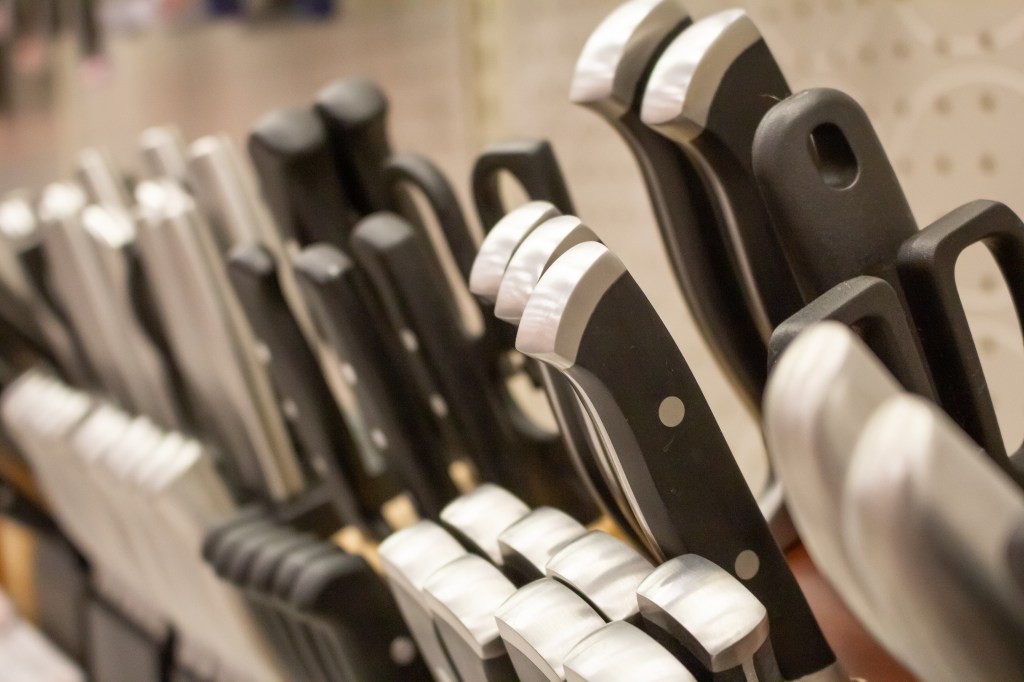
Kitchen knives stored on a magnetic wall rack

Avoiding Common Knife Photography Mistakes

Harsh reflections, cluttered backgrounds, and poor focus can obscure important details in photography. To ensure that your images are clean and usable, recognizing and avoiding these common pitfalls is essential. Whether you’re a professional photographer or a hobbyist, paying attention to these aspects will enhance the quality of your photos significantly.

Common mistakes in knife photography

When it comes to knife photography, several common mistakes can compromise the final result. Harsh reflections and cluttered backgrounds are two major issues that can distract viewers and obscure the finer details of the knife. Additionally, poor lighting and dark photos can negatively impact the quality of your images, making them look unappealing. On the other hand, overly bright light can also be detrimental by washing out essential features, so finding a good balance is crucial.
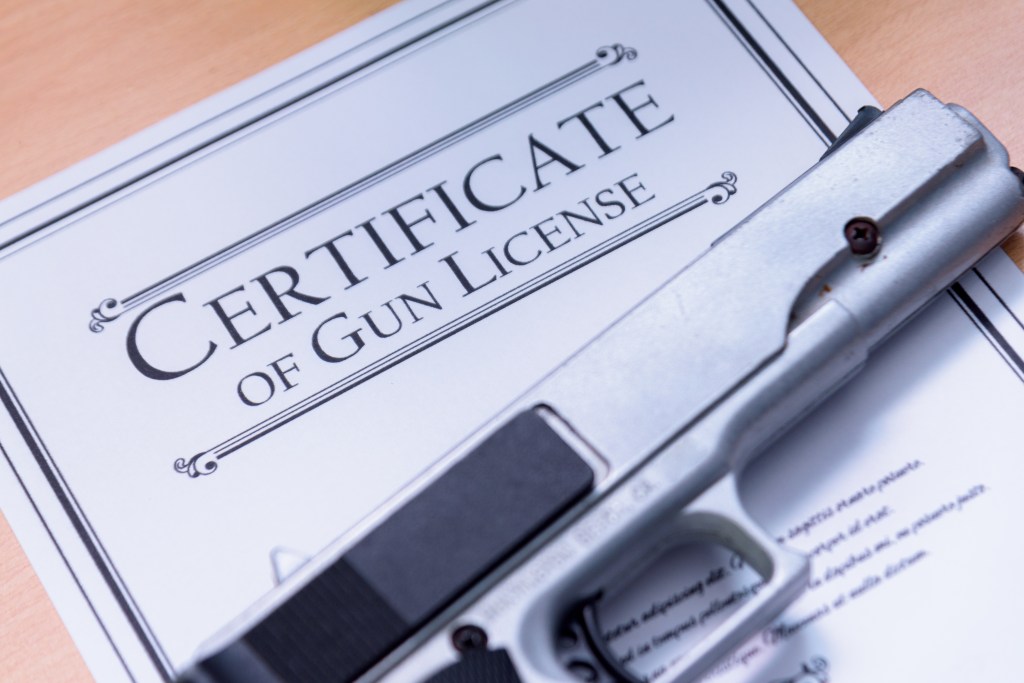
Tips and tricks for new collectors

For new collectors venturing into photography, experimentation is key. Starting to take pictures can feel daunting, but it’s important to experiment with different setups and techniques. Exploring various angles, lighting conditions, and backgrounds will allow you to discover what works best for showcasing your knives. Remember, practice makes permanent, and learning from mistakes will contribute to your growth as a photographer.

Large assortment of collectible folding knives arranged on green felt

Adding Written Documentation to Support Your Photos

When it comes to documenting your knife collection, both pictures and written details play a crucial role in creating an accurate record. It’s important to include supplementary details such as the brand, model, steel type, year of manufacture, maker, and any modifications.

Consider capturing images of each knife with its original packaging, receipts, or a current newspaper for date verification. These contextual elements enhance the appeal of your collection and serve as vital evidence. Combining images with detailed written notes and receipts creates a comprehensive inventory, which is invaluable for managing your collection and protecting your investment.

Fixed blade knife with leather sheath and decorative handle

Insurance Considerations for Knife Collectors

Comprehensive photos play a crucial role in strengthening your claim, as they help insurers determine accurate replacement values. Specialized knife insurance is essential for protecting unique, antique, and custom blades, particularly for collectors seeking reassurance about their valuable items.
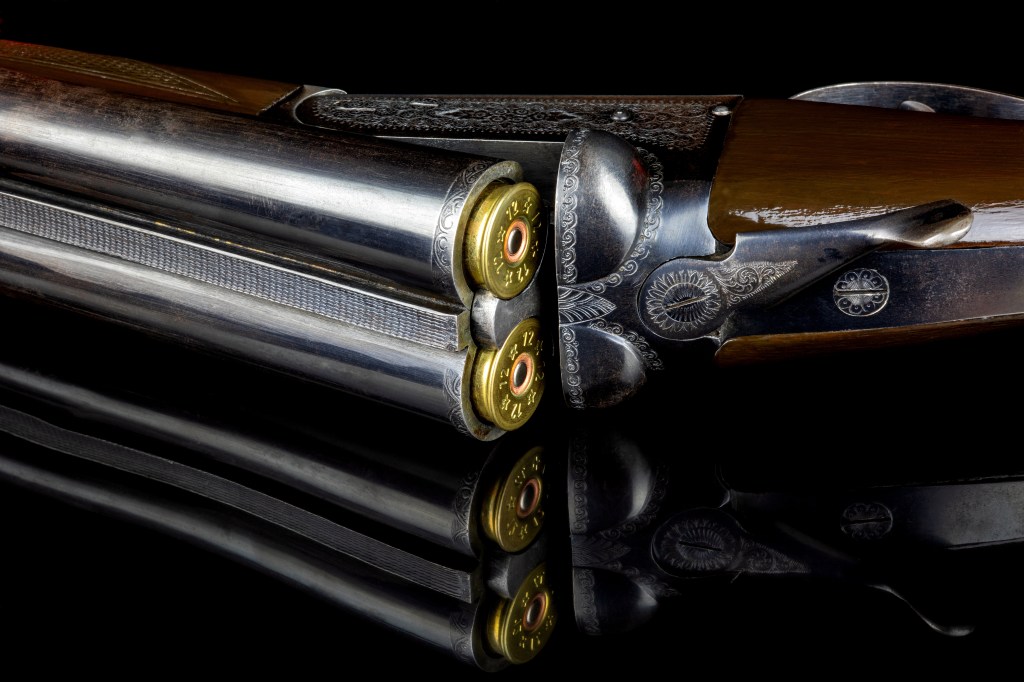
Specialized collectibles insurance offers comprehensive protection for a wide range of collections. At 1776 Insurance, we offer coverage that safeguards against accidental breakage, burglary, fire, and loss in transit. This ensures that your knife collection remains safe whether you’re at home or traveling.
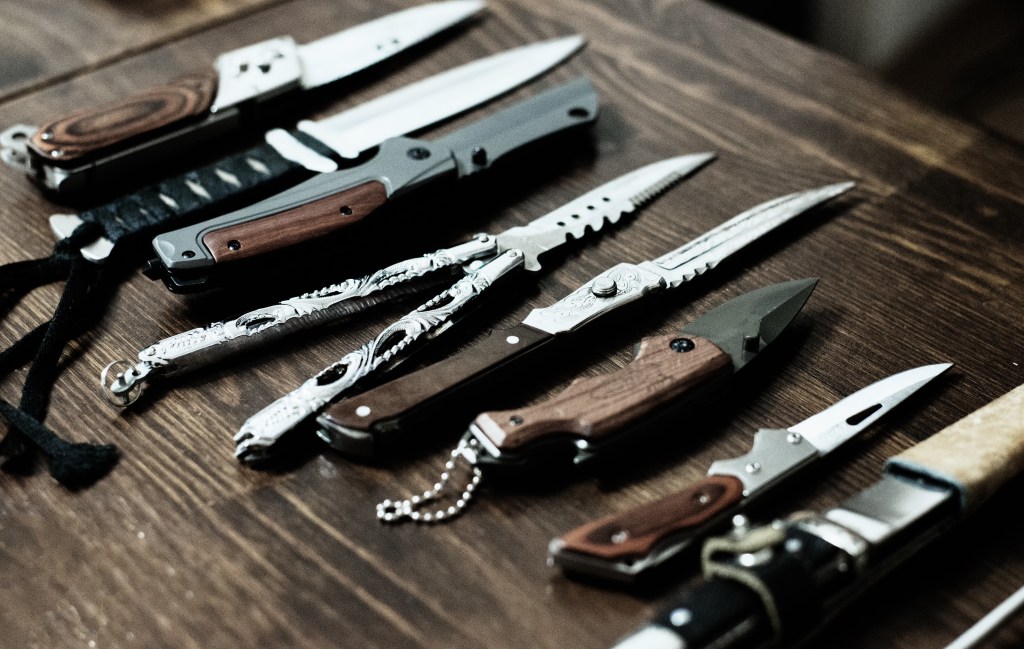
Collection of folding pocket knives laid out on a table

Building a Repeatable Documentation Workflow

For knife collectors, maintaining an organized inventory is essential not only for tracking new acquisitions but also for managing older entries as their conditions change. A systematic approach to documenting knives can significantly enhance the collecting experience. This guide outlines a comprehensive workflow that ensures every knife is accurately recorded and safeguarded.

The importance of a consistent process

Collectors benefit greatly from a consistent process that includes photographing, recording, storing, and backing up each knife. The sequence of knife picture → record → store → backup creates a repeatable workflow that streamlines the documentation of new acquisitions while keeping existing records updated as conditions evolve.

Knife inventory records

  • Backing Up Your Documents: In the digital age, backing up documents is crucial. Store knife images in a cloud system for easy access and security. Additionally, keep a physical backup offsite to protect against data loss. This dual approach ensures that your collection remains organized and secure.
  • Knife Documentation: When documenting knives, it is crucial to use high-resolution images. Ensure that each knife photo meets a minimum of 300 dpi and has a file size ideally exceeding 600 KB. High-quality images enhance the documentation process, providing clear visuals that aid in the identification and preservation of the collection.
  • Naming Knife Images: File names should include specific details about each knife, formatted as Brand_Model_Serial_FullProfile.jpg. This method simplifies image retrieval and reduces inventory confusion.

Sources

https://tomneedhaminsurance.com/photographing-your-belongings-for-insurance-claims/
https://www.allaboutpocketknives.com/knife_forum/viewtopic.php?p=126851
https://blockapps.net/blog/safeguarding-your-collection-insurance-and-security-for-memorabilia/
https://www.redlabelabrasives.com/blogs/news/knife-photography-how-to-take-better-knife-photos
https://allaboutpocketknives.com/knife_forum/viewtopic.php?t=77875
https://cutlerynewsjournal.wordpress.com/2009/12/04/the-dilemma-of-knife-condition-grades-the-good-the-bad-and-the-ugly/
https://iknifecollector.com/forum/topics/knife-photography-tips-tricks
https://www.americanbladesmith.org/community/knife-photography/knife-photography/

Discover how to accurately appraise your firearm’s value with our essential guide. Understand key factors and ensure you know what it’s worth. Read more!

Gun Appraisals: Why Proper Documentation Matters for Collectors

A gun appraisal serves as a comprehensive record of your firearm’s condition, history, and market value. For various insurance, legal, or resale purposes, a written appraisal report is highly recommended. Written documentation provides a permanent record that can be referenced when needed, ensuring compliance with legal requirements and aiding in any future transactions.

The appraisal process

Obtaining a gun appraisal involves several key steps. Start by gathering essential information about the firearm, then have it inspected by a qualified expert. They will then do a condition evaluation, compare documents, review provenance. Finally, you will receive a formal appraisal report that encapsulates all findings. Following this, research market data to understand current values and trends.

Firearm appraisal

Before initiating the appraisal process, it’s crucial to define your needs. Ask yourself whether you require the appraisal for insurance coverage, legal or tax purposes, or resale. Understanding your motivation will help tailor the appraisal to meet your specific requirements and ensure you receive the most relevant information.

What Insurers Are Looking For in a Complete Appraisal File

Insurance companies expect clarity and comprehensive documentation when it comes to firearms. This entails providing proof of ownership, verifying the condition of the gun, and presenting clear evidence of its value. By ensuring all necessary records is prepared and submitted upfront, you can prevent delays and disputes if you need to file a claim.

Gun values

Appraisers often use multiple valuation methods, including market cash value, replacement value, and liquidation value. Fair market value is a key term that is commonly used. Fair market value refers to the price that a firearm would likely sell for in an open market transaction. This valuation is crucial for both insurance purposes and personal records, as it establishes a baseline for understanding the worth of your firearm in various contexts.

Appraisal document

A thorough appraisal document is crucial for obtaining proper insurance coverage and accurately valuing your firearm. This document should include specific details such as the make, model, caliber, serial number, and overall condition of the firearm. These specifics aid in establishing the gun’s value serving as vital information for insurance companies, ensuring accurate coverage.

A magnifying glass reveals close inspection and careful evaluation.

The Photos That Matter: Angles, Details, and Condition Shots

When it comes to firearm appraisals, high-quality photographs play a crucial role. These images assist appraisers in valuing firearms and serve as records for insurance purposes. A well-documented appraisal hinges on clear, detailed imaging that captures all significant aspects of the firearm.

Photographing antique firearms

To ensure that your firearm appraisal is thorough and accurate, it’s essential to follow specific photographic guidelines. Providing detailed photographs from various angles allows appraisers to get a comprehensive view of the firearm. This practice helps highlight important features and discrepancies that may influence the appraisal outcome.

Key elements to capture

When photographing firearms, focus on key elements like actions, markings, serial numbers, stock wear, and accessories. Notably, desirable brands often fetch higher prices, and the artistic appeal of antiques with fine engravings can significantly impact value. These details are crucial for insurers and appraisers in assessing authenticity and value. A comprehensive collection of images will facilitate the appraisal process and improve evaluation accuracy.

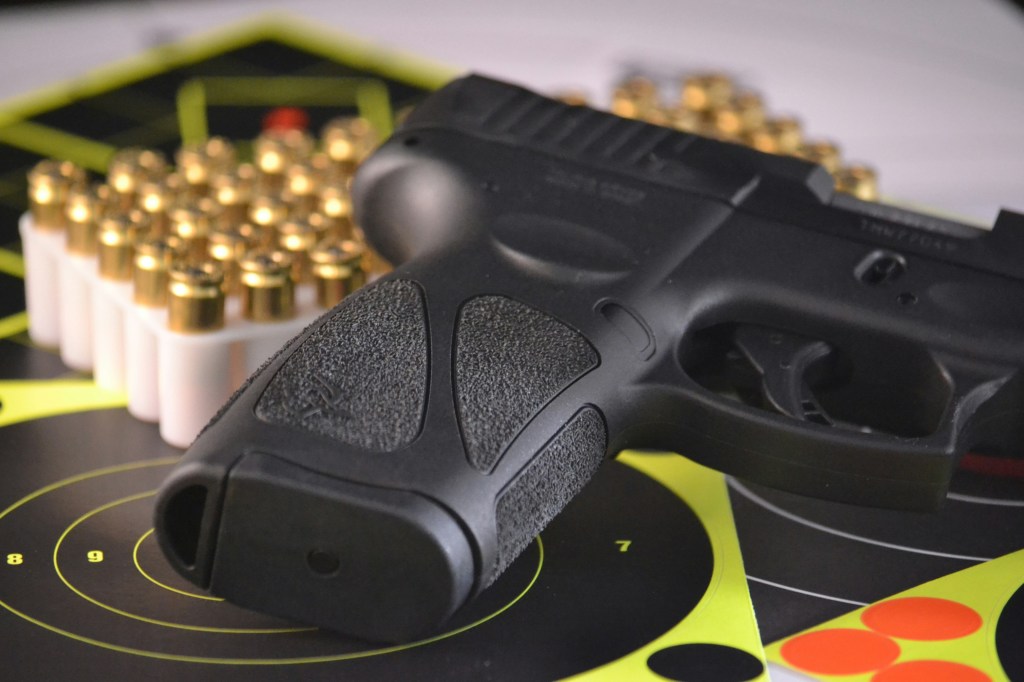
A modern handgun lies on a metal surface, emphasizing condition and detail.

Serial Number Logs: Why Precision Is Essential

Accurate serial logs are crucial for maintaining the integrity and legality of firearm ownership. These logs play a vital role in documenting each firearm and linking it to its associated paperwork.

  • Protection Against Theft and Disputes: Up-to-date firearm logs serve as a safeguard against theft and disputes, and can help establish legal ownership. By keeping detailed records, firearm owners can effectively protect themselves in case of any legal challenges or claims regarding ownership.
  • Streamlining Appraisal and Insurance Processes: Maintaining accurate firearm serial number logs also streamlines the appraisal and insurance processes. Comprehensive and organized records make it easier for appraisers to assess the value of firearms, while insurers can efficiently manage policies related to the insured firearms.
  • Legal Registration and Compliance: It is essential for firearms to be legally registered and compliant with local laws to ensure they retain their full marketable value. Illegal modifications can significantly reduce a firearm’s value, making proper records and adherence to regulations crucial for responsible ownership.
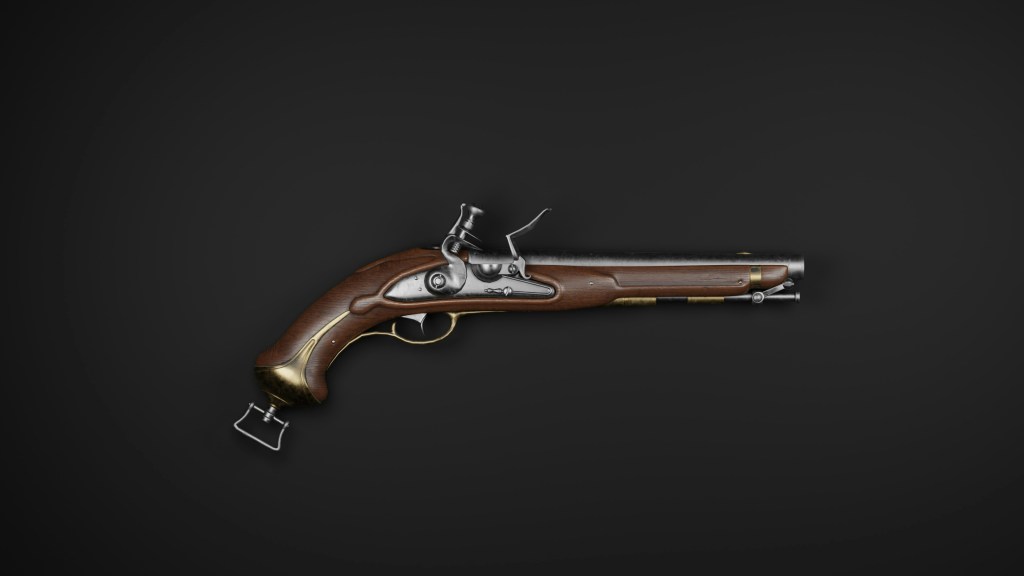
An antique handgun rests on a dark surface, showing age and wear.

Receipts, Records, and Provenance: The Paper Trail That Adds Value

Maintaining a comprehensive paper trail for firearms is essential, particularly for antique or high-value pieces. Collectors and appraisers both recognize that meticulous records can greatly enhance the accuracy of firearm valuations.

Original receipts and documents

Original purchase receipts and auction documents serve as vital records that substantiate the firearm’s history and ownership. These documents can provide clarity regarding the gun’s age, authenticity, and previous market activity. Their presence can significantly impact how an item is appraised, especially for those with historical significance.

Invoices and notes

Invoices and restoration notes contribute further depth to a firearm’s narrative. They document any work done on the firearm, ensuring potential buyers understand its condition and any modifications made. Provenance notes, outlining the firearm’s ownership lineage, can enhance its allure and worth, leading to more accurate appraisals.

Rarity and fair market value

The rarity of a firearm directly influences its market value. Collectors often seek out unique models, particularly those produced in limited quantities or featuring distinctive design elements. Guns that feature unique calibers or experimental designs command premium prices, underscoring the importance of retaining original records to validate their rarity.

Antique gun brand reputation

Prominent brands like Remington, Colt, Winchester, and Smith & Wesson are highly regarded in the firearms community and often command higher prices due to their exceptional craftsmanship and historical significance. Having original receipts and records enhances the accuracy of appraisals for antique guns from these iconic manufacturers.

An open vintage ledger displays handwritten records from an earlier era.

How Appraisers Determine Your Firearm’s Value

Appraisals are crucial for collectors and sellers seeking to determine the worth of their gun. Several factors affect the final appraisal, including condition, grading, market comparisons, rarity, maker reputation, and modifications.

Key factors in appraisal

Multiple elements contribute to the accurate valuation of antique guns. Appraisers with specialized knowledge of firearms history, mechanics, and current market trends are vital in this process. Using different valuation methods—such as market cash value, replacement value, and liquidation value—enables appraisers to derive a well-rounded assessment of a gun’s worth.

Importance of make and model

The make and model of an antique firearm are critical components in determining its value. Collectors often seek out specific manufacturers and look for significance in their acquisitions. An appraiser’s familiarity with these nuances can significantly impact the final appraisal and the overall understanding of the firearm’s worth.

Finding qualified appraisers

Locating a qualified appraiser is crucial for anyone seeking an accurate valuation of their gun. These professionals can usually be found through local gun shops, auction houses, or professional appraisal organizations. Appraisers affiliated with reputable entities, such as the American Society of Appraisers or the Appraisers Association of America, are considered trustworthy and knowledgeable in the field.

Auction houses

Reputable firearms auction companies frequently offer appraisal services, especially for high-value or rare collections. Heritage Estate Services and Firearms Appraisals, LLC is a full-service estate consulting and firearm appraisal service. Utilizing these companies can provide collectors with a reliable way to ensure their firearms are assessed properly. Additionally, working with an unbiased appraiser—someone who doesn’t purchase the firearms they evaluate—can further enhance the objectivity of the appraisal process.

A person writes notes on a clipboard, suggesting careful documentation and review.

Avoiding Common Mistakes That Lead to Undervalued Appraisals

When appraising guns, understanding key factors such as lighting, legal compliance, refinishing, and authenticity can significantly influence the valuation outcome.

Proper lighting and documentation

Poor lighting can obscure details that could enhance the value of a gun, while incomplete photos fail to provide a complete picture for the appraiser. Additionally, missing documentation and neglecting to note any upgrades or accessories can lead to significantly lower valuations. Taking the time to prepare your gun for appraisal can lead to dramatic improvements in the overall results.

Legal compliance

For an antique gun to maintain its full marketable value, it must be legally registered and compliant with local laws. Failure to adhere to these regulations, particularly regarding unauthorized modifications, can render a gun nearly useless.

Refinishing and modifications

For collectible or antique firearms, the original finish and patina are highly valued by appraisers and collectors. When it comes to collectible guns, refinishing or modifying can have adverse effects on their value. While some changes may be well-intentioned, they often lower the gun’s appeal to collectors and appraisers alike. Do not clean or refinish the gun before the appraisal to avoid reducing its value.

Authenticity verification

Before taking an antique firearm for appraisal, it is vital to verify its authenticity. Distinguishing between an authentic antique and a reproduction can significantly affect the gun’s value. If an appraiser determines that the gun is a reproduction, it may lead to disappointing valuation outcomes. Therefore, conducting thorough research and potentially seeking expert opinions on authenticity can save time and ensure a more accurate appraisal.

Insurance Considerations: Matching Appraisals to Coverage Limits

An appraisal is only useful if your policy reflects it. Regularly updating appraisals and coverage is crucial to ensure that your collection remains adequately insured as market values change.

When it comes to insuring antique gun collections, having accurate and up-to-date appraisals helps protect the value of your guns. Additionally, proper documentation of your gun insurance is essential in the event of a claim. By maintaining an accurate record of both appraisals and insurance coverage, you can ensure that your investments are safeguarded against potential loss.

A red checkmark highlights a completed item on a simple checklist.

Keeping Your Appraisal and Documentation System Organized

Maintaining an accurate and organized firearm inventory is essential for any collector. By implementing a systematic approach, collectors can ensure their records are tidy and accessible, which can be invaluable during claims, transfers, or estate planning processes.

Organizing digital records

Utilizing digital folders and cloud backups is an effective way to keep collectible firearm records secure and easily retrievable. By storing important documents and images of your firearms online, you can access your inventory from anywhere, ensuring that your records are always up-to-date and safeguarded against potential loss.

Inventory spreadsheet

To streamline the inventory process, creating a detailed spreadsheet can be incredibly useful. This spreadsheet should include specific information about each firearm, such as the type of gun, its condition, purchase price, current value, acquisition source, and purchase date. Additionally, it is important to document any associated receipts, records, and Certificates of Authenticity, as these can provide essential proof of provenance.

Recording firearm details

In your spreadsheet, be meticulous when documenting each firearm’s details. Record the type, whether it is an antique military arm, a hunting rifle, or an antique muzzleloader. Similarly, assess the firearm’s condition, noting if it is in mint, good, or poor condition.

Keeping receipts and records

Ensure that all paperwork, such as Certificates of Authentication and transaction receipts, are stored securely with your digital files to provide a comprehensive overview of your collection’s history and value.

Sources

https://inside.safariland.com/blog/the-importance-of-personal-firearms-records/
https://www.reddit.com/r/guns/comments/qhsagy/what_is_the_best_way_to_get_guns_appraised/
https://www.mearto.com/categories/guns
https://www.richmondfirearms.com/5-tips-for-getting-the-most-accurate-antique-gun-appraisal/
https://www.guns.com/news/2024/09/26/insuring-appraising-your-guns
https://sdi.edu/2024/02/10/what-to-look-for-in-a-gun-appraisal/
https://udrange.com/retail/appraisals/

Navigate the complexities of firearms and estate planning with our essential guide. Understand your responsibilities and ensure compliance. Read more now!

Firearms and Estate Planning: Why Collectors Must Prepare Early

Firearms are unlike any other asset—they require legal, safe, and documented transfers. Thoughtful estate planning ensures your collection passes to the right hands without conflict or legal complications.

Why Firearms Are a Unique Challenge in Estate Planning

Gun laws in the United States can be complex and vary significantly by region. Understanding federal and state firearm laws is essential for collectors and heirs to avoid legal issues.

Federal laws

Several key regulations shape the federal landscape of gun laws. The National Firearms Act (NFA) strictly regulates specific firearms and accessories. Unregistered NFA weapons are contraband and cannot be passed down to an heir. The NFA covers firearms like fully automatic weapons, machine guns, short-barreled shotguns, and silencers, while shotguns, hunting rifles, and semi-automatic pistols are not included. Unregistered firearms must be surrendered to local law enforcement. The Federal Firearm License (FFL) allows for the transfer of non-NFA firearms while ensuring compliance with the Gun Control Act, which bans possession by those with felony or domestic violence convictions.

State laws

Each state has its own regulations that must be adhered to when transferring and transporting firearms. It’s essential to be aware of these laws, mainly when transfers may involve crossing state lines. Transferring from the executor to the beneficiary can be more complex if they live in different states.

Firearm transfers

Executing a firearm transfer necessitates careful attention to legal compliance. The executor of the estate is responsible for correctly handling the transfer for all beneficiaries. This process can often require consultation with legal professionals knowledgeable about firearm estate planning.

Legal responsibilities

Those engaged in these transactions must prioritize compliance with all relevant laws to avoid criminal liability. It is advisable to conduct a background check on potential beneficiaries to confirm their eligibility to inherit firearms. Consulting a lawyer specialized in estate planning, especially in firearm estate planning, is crucial to minimize risks and meet legal obligations. Beneficiaries of firearms regulated by the National Firearms Act face stricter eligibility requirements, and unregistered NFA weapons must be surrendered to local authorities.

Estate planning paperwork focused on asset transfer and legal clarity

Wills and Firearms: What Collectors Need to Specify

Transferring firearms through a will involves more than just listing them; it requires careful consideration of legal details. A well-structured approach to firearm bequeathment can help avoid legal disputes and ensure that your wishes are honored.

Proper planning

Creating a plan for the safe and responsible handling of firearms is crucial. This includes secure storage and education for all beneficiaries. It is essential to identify each firearm by its make, model, and serial number to eliminate any ambiguity regarding the weapons mentioned in the will. While a will can transfer firearms, this process goes through probate, which makes the details public. The executor must be legally allowed to possess firearms. To address all your questions, consult with an estate planning attorney who has the appropriate expertise.

Intended recipients

Selecting intended recipients is another important aspect of firearm bequeathment. It’s vital to ensure that the individual is legally permitted to own it. If, for any reason, the intended recipient cannot receive the firearm at the time of your passing—such as being underage—you’ll need to name an alternate recipient or provide detailed instructions for the executor to follow regarding the transfer when eligibility is attained.

Executor responsibilities

The executor oversees the distribution of assets and must ensure that all firearm transfers comply with local firearm laws. If a recipient is underage, the executor must safeguard the firearm until they are eligible to own it. Clear instructions in the will can help ensure a smooth transition of ownership.

Last will and testament outlining distribution of personal property

The Role of Executors: Responsibilities and Legal Obligations

Executors play a crucial role in managing the estate of a deceased individual, especially when firearms are involved. Handling firearms requires adherence to strict procedures to ensure safety, legality, and compliance with state and federal laws. Understanding these responsibilities is crucial for executors responsible for managing firearm transfers.

Executor responsibilities

The right executor must navigate a complex maze of regulations regarding certain weapons, necessitating secure storage, lawful transportation, and meticulous record-keeping. To prevent confusion and potential legal liabilities, the executor must prepare in advance. This includes confirming that they have the legal ability to possess and transfer firearms. Additionally, obtaining a federal firearm license can streamline the process.

Legal prohibitions

Federal law outlines specific prohibitions for individuals regarding firearm ownership and transfer. Notably, individuals categorized as unlawful users or people with an addiction of controlled substances are not permitted to own firearms, regardless of state laws permitting certain substances like marijuana. Other disqualifying factors include mentally defective adjudications, restraining orders related to intimate partners, felony convictions, domestic violence misdemeanors, and other legal issues.

State regulations

Executors must also comply with specific state laws that may impose additional restrictions on the possession of firearms. Each state has varying laws regarding who is legally allowed to own and transfer, making it essential for executors to familiarize themselves with local laws.

Signing legal documents to formalize ownership and beneficiary instructions

Gun Trusts: A Powerful Tool for Collectors

Gun trusts are specialized legal entities designed to hold the title to firearms, offering a range of benefits for gun owners. They ensure that ownership can be effectively managed and passed down, particularly in the context of estate planning.

Benefits of gun trusts

One of the primary advantages of gun trusts is their ability to facilitate the transfer of guns. They allow multiple authorized users, which eases the inheritance process and provides a clear framework for managing National Firearms Act (NFA) items. This means that family members or trusted friends can have designated access without the complexities often associated.

Privacy and estate management

In addition to simplifying transfers, gun trusts also play a crucial role in protecting the privacy of the owners. A gun trust allows individuals to keep their firearm ownership private, which is useful in sensitive situations. It also simplifies estate administration by outlining the ownership and use of firearms after the owner’s death.

Important considerations

While setting up a gun trust has significant benefits, the process can be complicated. It’s advisable to consult an attorney specializing in firearms law to ensure the trust meets legal requirements and reflects your wishes. Using generic online forms may pose legal risks and lead to future complications.

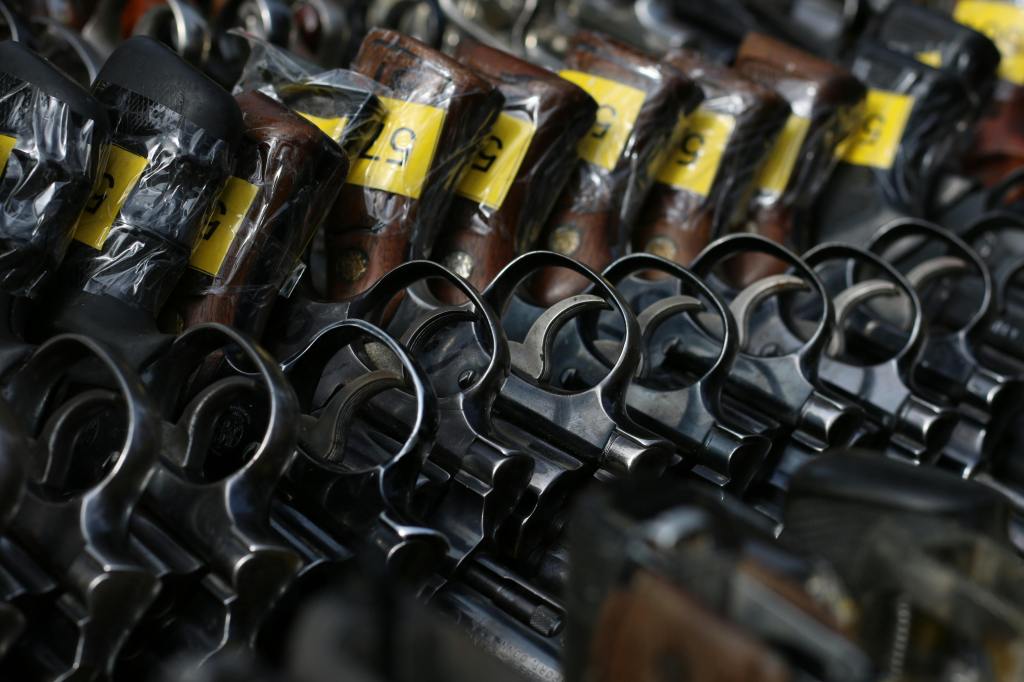
Long guns displayed with identification tags for ownership records

Inheriting Firearms: What Heirs Need to Know

Inheriting weapons can be a complex process, filled with legal nuances and important safety considerations. Heirs must actively seek information about registration, legality, and safe storage to prevent unintentional legal issues.

Ensuring compliance

For items regulated under the National Firearms Act (NFA), heirs must file an ATF Form 5 to facilitate a tax-exempt transfer to a lawful heir. Other important factors include obtaining guidance on background checks, understanding permit/registration requirements, and exploring surrender options for weapons they do not wish to keep. Heirs should familiarize themselves with local, state, and federal laws to ensure they remain compliant. Store all weapons securely to prevent theft or misuse, especially in unoccupied residences. Use safes or secure locking mechanisms to protect these items and keep them out of reach of unauthorized individuals.

Firearm surrender

If an heir has no interest, there are several options for the responsible surrender of the property. They can sell the guns to a licensed dealer or surrender them to local law enforcement for safe disposal. If monetary gain isn’t a priority, contacting the police for surrender is a practical choice for safe handling.

Mixed firearms and ammunition prepared for inventory or appraisal

Documentation and Record-Keeping for a Future Transfer

Keeping detailed inventories, provenance documents, and serial numbers for guns is crucial for heirs and executors to accurately identify items in an estate.

These records facilitate the transfer of ownership, but also support proper valuation and insurance coverage. Having comprehensive firearm documentation helps protect valuable collections and ensures a smooth process when passing down firearms to future generations.

Handgun collection arranged for documentation and valuation purposes

Insurance Considerations for Estate Firearm Collections

Insurance plays a crucial role in estate planning. It protects the collection during transitions, verifies value, and ensures heirs receive full financial protection if guns are lost, stolen, or damaged.

At 1776 Insurance, we offer comprehensive coverage tailored specifically for gun collections and accessories. Our policies feature higher limits of protection, offering peace of mind both at home and while you’re away, including during travel or exhibitions. Additionally, we simplify the process for collectors by not requiring appraisals for most items, making it easier for you to insure your collection without the added hassle.

Reviewing insurance and legal documents related to asset protection

Preserving Legacy: Ensuring Your Collection Lives On

Collectors invest a lifetime building meaningful collections. Thoughtful estate planning ensures your firearms—and the stories behind them—are passed down safely, legally, and with respect for their historical and emotional value.

This article is intended for informational purposes only and you should not interpret anything contained in it as legal advice. Collectibles Insurance Services, LLC, its parents, affiliates, and anyone connected with them are not responsible or liable in any way for your use of the information contained in or linked to from this article. Reliance on the information provided in this article is solely at your own risk. If you have questions about gun laws or any of the topics addressed in the article, you should contact an attorney or subject-matter expert.

Sources

https://www.everplans.com/articles/bequeathing-and-inheriting-guns-what-to-do-with-firearms-when-someone-dies
https://www.usconcealedcarry.com/blog/estate-planning-firearms/
https://legacyassuranceplan.com/articles/trusts/transferring-firearms-gun-trusts
https://www.actec.org/resource-center/video/managing-guns-in-your-estate/
https://www.gundersonlawgroup.com/estate-planning/inheriting-firearms-deceased-loved-one-owned-gun/
https://kanzerlaw.com/how-to-plan-an-estate-that-contains-firearms/
https://www.orangecountyestateplanningattorney.com/blog/bequeathing-guns-and-firearms-essential-considerations-for-your-estate-plan/

Explore the science behind suppressors, their functions, and benefits. Gain insights into their role in firearm safety and noise reduction. Read more!

The Science of Suppressors: Understanding More Than Just “Quiet”

Suppressors aren’t just movie props; they are carefully engineered devices designed to manage the expanding gases that result from firing a gun. By doing so, suppressors reduce noise, recoil, and the muzzle blast generated. This technology plays a vital role in enhancing the shooting experience, making firearms quieter and more manageable while maintaining their effectiveness.

At its core, a suppressor is a device that is attached to the muzzle of a firearm to mitigate the sound produced by the muzzle blast. Suppressors reduce gunshot volume by cooling and slowing the exiting gases and reducing recoil. This enhances accuracy and control, making them appealing for sport, hunting, or personal defense. Understanding how these systems work provides deeper insights into the functionality and innovations within sound suppression technology.

How Suppressors Work: The Physics Behind the Quiet

Suppressors are devices designed to reduce the noise generated by firearms when a bullet is fired. Their primary function is to create an accurate and comfortable shooting experience by manipulating the acoustic properties of the expanding gases produced during the firing process.

The mechanics of firearm suppressors

When a bullet is fired, the combustion of gunpowder creates high-pressure gases that propel the bullet forward. These gases expand rapidly and escape through the muzzle, producing a loud noise. Suppressors, however, provide a larger volume for these gases to expand within before they are released into the atmosphere. As the gases travel through the internal baffles, they are slowed and cooled, which significantly reduces their speed and pressure.

Sound reduction explained

While a suppressor does not completely silence the shot, it effectively reduces the sound generated when a weapon is fired. The combination of slowed gas expansion and reduced pressure dampens the noise, making the shooting experience more comfortable for the shooter and those nearby. This sound reduction enhances comfort and improves accuracy by minimizing distractions from gunshot noise.

Close-up of a firearm muzzle showing barrel opening and front-end machining

Benefits for Hunters, Sport Shooters, and Collectors

Suppressors have gained significant attention among firearms enthusiasts for their myriad advantages. Beyond simply muffling the sound of gunfire, they provide benefits that enhance the shooting experience, promote safety, and serve as valuable collectibles in the market. Below, we explore the many benefits of suppressors for hunters, sport shooters, and collectors.

Advantages for hunters

For hunters, suppressors offer distinct benefits that can significantly improve their experience in the field. First, they enhance stealth, allowing hunters to remain undetected by both game and other nearby individuals. Additionally, suppressors reduce noise levels, making it easier to maintain a low profile and avoid scaring off potential targets. Furthermore, the use of suppressors contributes to hearing protection, ensuring that hunters can enjoy their pursuits without the long-term risks associated with loud gunfire.

Benefits for sports shooters

Sport shooters also benefit immensely from the use of suppressors. One of the primary advantages is their ability to enhance accuracy. The reduced noise and recoil allow for better focus and a steadier aim during competitions. Moreover, suppressors provide hearing protection for shooters, which minimizes the risk of permanent hearing damage. Lastly, by minimizing noise pollution at shooting ranges, suppressors help reduce noise complaints from surrounding communities.

Collector interest

Limited-run suppressors are increasingly viewed as investment pieces, with their value potentially appreciating over time due to their rarity and unique features. Collectors seek out these specialized suppressors for their potential to serve as valuable additions to their collections. As a result, the market for suppressors continues to grow, reflecting their dual role as practical tools and sought-after collectibles.

Hunter shouldering a shotgun while aiming across an open landscape

Legal Considerations: Navigating NFA Rules and State Laws

Suppressors are devices designed to reduce the noise generated by firearms. Suppressors are regulated under the National Firearms Act (NFA) of 1934.

National Firearms Act (NFA)

The NFA imposes several requirements for the ownership of suppressors, including the necessity of a $200 tax stamp for each device. To legally obtain a suppressor, gun owners must submit the ATF Form 4 application to the Bureau of Alcohol, Tobacco, Firearms, and Explosives (ATF). This process involves fingerprinting and a comprehensive background check. All suppressors must be purchased from licensed dealers and registered within the National Firearms Registry.

The Hearing Protection Act (HPA)

Recent efforts, such as the Hearing Protection Act (HPA), aim to amend the current legal framework by reclassifying suppressors as firearm parts rather than regulated devices. If successful, these changes would eliminate the tax stamp requirement starting January 1, 2026. However, it’s important to note that gun owners would still need to register the suppressors and complete a background check.

State laws and regulations

State laws regarding silencer ownership can vary significantly. Some states impose additional requirements or restrictions beyond federal mandates, while others prohibit civilian ownership and impose severe penalties for non-compliance. It’s crucial for those interested in suppressors to research their state’s laws.

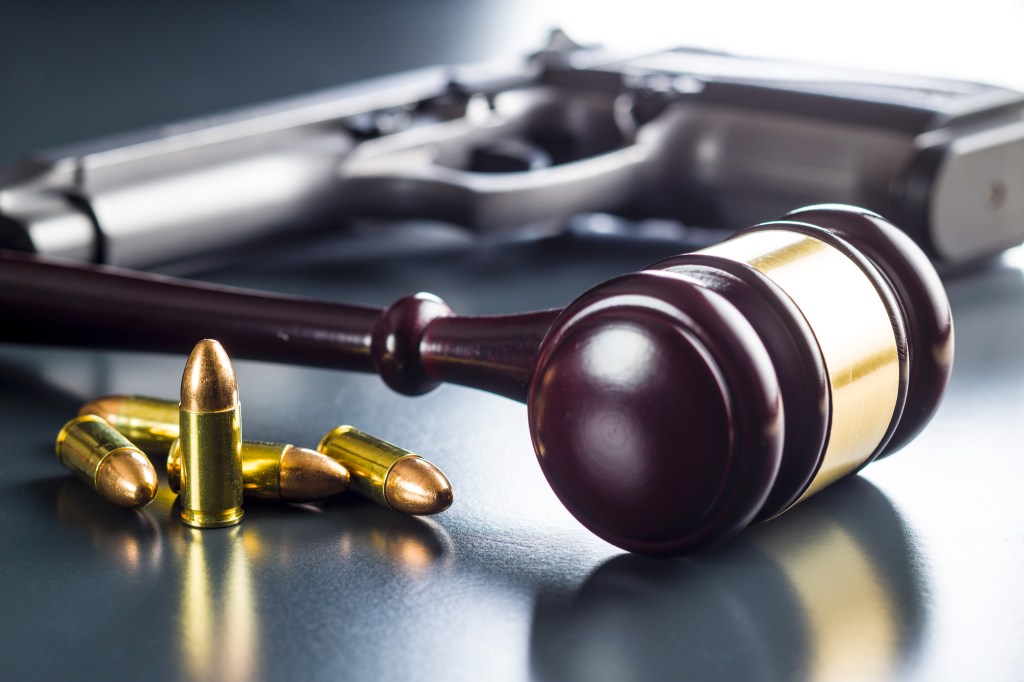
Handgun rounds placed beside a judge’s gavel and firearm to illustrate firearms regulation

Buying a Suppressor: What Owners Need to Know

Buying a suppressor can enhance your shooting experience, but it requires careful consideration and adherence to legal requirements. Understanding the process from selection to approval is essential for a smooth transaction.

Choosing the right model

The first step in purchasing a suppressor is selecting the model that best suits your needs. It’s important to consider your intended use, such as hunting, tactical operations, or shooting sports. Each application might require different features in a suppressor. Additionally, ensure that the suppressor is compatible with your firearm’s caliber to avoid any potential damage or unsafe conditions.

Consider the type of gun and its barrel length, as these factors influence the suppressor’s fit and functionality. Finally, pay attention to the Noise Reduction Rating (NDR), as not all suppressors provide the same level of sound mitigation.

Verifying legality

Before proceeding with your purchase, it’s crucial to verify the legality of owning a suppressor in your state. Always buy from authorized and licensed dealers to ensure compliance with relevant laws. Conduct thorough research on state-specific regulations and any additional requirements. Resources such as your state’s legal guides and the National Rifle Association Institute of Legal Action (NRA-ILA) can provide valuable information. Furthermore, familiarize yourself with federal regulations that outline the eligibility criteria for purchasing a suppressor, including age restrictions, residency qualifications, and the completion of ATF applications, along with a successful background check.

Suppressor paperwork

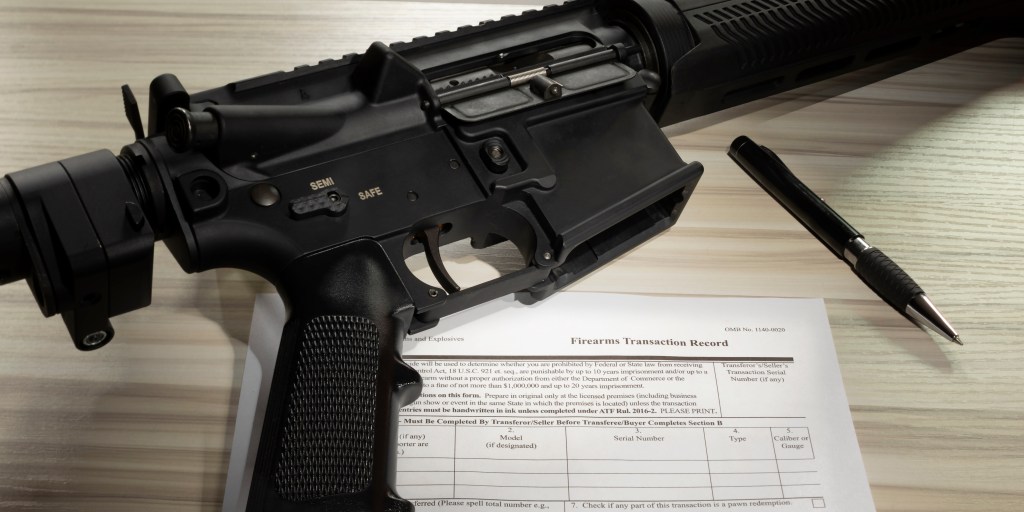
Once you have chosen your suppressor and verified that it is legal to purchase, the next step is to submit the necessary paperwork. This involves completing the ATF Form 4, along with any applicable state and local requirements, such as obtaining licenses and permits. Ensuring that you complete all forms accurately will help prevent delays in the approval process.

ATF approval

After submitting your paperwork, the final step is to wait for approval from the Bureau of Alcohol, Tobacco, Firearms, and Explosives (ATF). This process can be time-consuming, and patience is essential. Being informed about the timeline and potential delays can help you manage your expectations as you await your suppressor’s legal status.

Semi-automatic pistol positioned in front of a modern rifle to show scale and design differences

Suppressors for Hunting: Practical Advantages in the Field

Suppressors have become increasingly popular among hunters for their numerous benefits. These tools not only enhance the hunting experience but also prioritize ethical practices and safety.

Hearing protection and situational awareness

One of the primary advantages of using a suppressor is the protection it offers to a hunter’s hearing. By significantly reducing the noise of gunfire, suppressors allow hunters to maintain better situational awareness in the field. This means they can remain alert to their surroundings without risking damage to their hearing from loud firearm sounds.

Improved accuracy and reduced recoil

In addition to protecting hearing, suppressors can improve a shooter’s accuracy. Many suppressors help reduce recoil, allowing for better focus and control during shooting. As a result, hunters can achieve more precise shots, increasing their chances of success while minimizing the chances of a wounded animal escaping.

Ethical hunting practices

Suppressors also play a role in ethical hunting by decreasing the overall noise produced during a hunt. This sound reduction minimizes the likelihood of spooking nearby game, making hunters less intrusive in the ecosystem. For a comprehensive blog on ethical hunting, click here.

Close-up view down a rifle barrel fitted with an optic in a forested environment

Safety Myths and Misconceptions About Suppressors

While many people believe suppressors render guns silent, the truth is that suppressors enhance safety and accuracy for various types of shooters. This section explores the real benefits of suppressors, dispels common myths, and addresses misconceptions surrounding their use.

Benefits of suppressors

One of the primary benefits of suppressors is their ability to minimize the risk of hearing loss by reducing noise levels. Although they do not eliminate the need for hearing protection, suppressors significantly lower the decibel output of gunfire, thereby contributing to a safer shooting environment. Additionally, suppressors can enhance accuracy by reducing recoil, allowing shooters to maintain better control and focus on their target.

Myths about suppressors

There are several persistent myths regarding suppressors that contribute to misunderstandings. A common belief is that suppressors make guns completely silent, which is not accurate. While they do diminish noise, gunshots are still audible. Another myth suggests that suppressors decrease accuracy; in fact, they can improve accuracy by mitigating recoil. Furthermore, some people think that only criminals use suppressors; however, they are legal in 42 states and are commonly used by licensed firearm owners.

Misconceptions of suppressor ownership

A wide range of shooters, including hunters, law enforcement personnel, and competitive shooters, use suppressors. Contrary to popular belief, the use of suppressors is regulated by the Bureau of Alcohol, Tobacco, Firearms, and Explosives (ATF), which requires buyers to apply, purchase from licensed dealers, and undergo extensive FBI background checks and a NICS check at point of purchase. This ensures that suppressors are in the hands of responsible users, further highlighting their safety benefits.

Shooter aiming a modern firearm equipped with a suppressor at an outdoor range

Collecting Suppressors: Rarity, Build Quality, and Model Histories

Suppressors have undergone an intriguing evolution spanning over a century. From early designs to modern suppressor technology, these devices fascinate collectors and firearm enthusiasts. Recognizing their history, build quality, and rarity enhances their value and appreciation as engineering feats.

Rarity of early models

Among the vast array of suppressors, early Maxim silencers stand out for their rarity and historical significance. Produced by Hiram Percy Maxim, these early models are pieces of engineering history. Collectors seek out these limited-production models for their unique characteristics and the story they tell about the progression of suppressor technology.

Build quality

In contrast to their historical counterparts, modern suppressors benefit from advances in materials such as titanium and Inconel. These contemporary builds are designed for enhanced durability and performance, showcasing superior engineering that meets the demands of today’s shooters. The choice of materials affects functionality while showcasing a commitment to craftsmanship.

Model histories

The evolution of suppressors is marked by fascinating histories that trace their journey from rudimentary designs to the sophisticated models available today. Each generation of suppressors reflects advancements in technology and sound dynamics. Collectors explore the stories behind models, focusing on innovations that enhance performance and reduce noise.

Contemporary rifle platform featuring optics, rail system, and mounted flashlight

Insurance Considerations for Suppressors and NFA Items

Suppressors are valuable, regulated items—and often not fully covered under standard homeowner’s policies. Specialized firearm insurance ensures protection against theft, damage, or loss, including transit to and from the range.

At 1776 Insurance, we offer comprehensive coverage tailored specifically for gun collections and accessories. Our policies feature higher limits of protection, offering peace of mind both at home and while you’re away, including during travel or exhibitions. Additionally, we simplify the process for collectors by not requiring appraisals for most items, making it easier for you to insure your gear without the added hassle.

Handgun cartridges standing upright on a tabletop with a blurred pistol in the background

The Future of Suppressor Technology

Advances in metallurgy, modular designs, and 3D-printed baffle stacks hint at the next generation of suppressors. Collectors watching these trends gain early insight into future classics.

This article is intended for informational purposes only and you should not interpret anything contained in it as legal advice. Collectibles Insurance Services, LLC, its parents, affiliates, and anyone connected with them are not responsible or liable in any way for your use of the information contained in or linked to from this article. Reliance on the information provided in this article is solely at your own risk. If you have questions about gun laws or any of the topics addressed in the article, you should contact an attorney or subject-matter expert.

Sources

https://crateclub.com/blogs/loadout/what-is-a-suppressor-understanding-the-mechanics-and-benefits
https://veroarms.com/legal-considerations-for-buying-suppressors/
https://www.usconcealedcarry.com/blog/suppressors-explained-facts-for-gun-owners/
https://www.themeateater.com/hunt/firearm-hunting/the-total-guide-to-buying-a-suppressor
https://www.thefirearmblog.com/blog/2016/03/24/beginners-guide-suppressors-part-1/
https://en.wikipedia.org/wiki/Silencer_(firearms)
https://congressionalsportsmen.org/policy/firearm-suppressors/
https://www.nraila.org/articles/20250522/us-house-passes-reconciliation-bill-removing-suppressors-from-the-national-firearms-act
https://www.volpelawllc.com/understanding-silencer-ownership-and-nfa-gun-trusts-a-guide-for-gun-enthusiasts/
https://americansuppressorassociation.com/education
https://www.alexkincaid.com/what-gun-owners-need-to-know-about-the-2026-nfa-changes/
https://legalclarity.org/are-suppressors-being-removed-from-the-nfa/

Explore the pivotal firearms that shaped American military history. Understand their impact and evolution. Read the article for a comprehensive overview.

Firearms in American Military History: Why Collectors Value the Past

American military history is shaped by the battles fought and by the firearms that played critical roles in those conflicts. The weapons used by soldiers reflect both technological advancements and the nation’s spirit.

Collectors who study and preserve these historic firearms are essential in safeguarding authentic pieces of this narrative. Through these weapons, we gain insights into the defining moments of American history, revealing stories of bravery and sacrifice that go far beyond their use in combat.

Revolutionary Beginnings: The Birth of the American Firearm Tradition

The firearms of the Revolutionary War played a pivotal role in the fight for independence, reflecting the technological advancements and urgent needs of a developing nation. Collectors value these historic weapons for the stories they tell about early American military history.

Types of firearms used

The colonies relied on Short Land muskets and French Model and Spanish Model infantry muskets for supplies during the war’s early stages. Cannons also played a role in battlefield strategy, while the Pennsylvania long rifle emerged as a notable choice for American sharpshooters. This rifle was lightweight and slender, initially designed for hunting, making it an effective weapon in the American Revolution.

Technology and necessity

In the early years of the Revolutionary War, the lack of manufacturers limited the availability of guns. However, as the demand for weapons grew due to the escalating conflict, production ramped up significantly to meet the needs of the Continental Army. This necessity marked a pivotal moment in the evolution of American weaponry.

Appeal to collectors

Collectors are drawn to Revolutionary War guns for several reasons. Firstly, their historical significance provides a tangible connection to a transformative period in American history. Additionally, the early technology and craftsmanship of these weapons showcase the ingenuity of the time. The rarity and high value of these artifacts further enhance their appeal, making them sought-after pieces.

Ornately carved historic pistols illustrating craftsmanship in early American arms

Evolving Technology Through the Civil War and Beyond

As industrialization advanced, so did military weapons, which played a crucial role in transforming American warfare. The shift from smoothbore to rifled barrels, along with repeating actions and standardized manufacturing, transformed combat and produced iconic pieces still coveted by collectors.

Advancements in military equipment

Industrial advancements had a profound impact on the evolution of firearm technology. The introduction of repeating actions enabled soldiers to fire multiple rounds without needing to reload after each shot. This technological leap and standardized manufacturing improved efficiency and increased the army’s firepower. Such advancements were particularly evident during the American Civil War, where the Union’s industrial capabilities provided it a significant advantage on the battlefield.

The rise of rifled muskets

Among the most revolutionary developments in military guns was the rifled musket. The grooved barrel design enabled shooters to achieve greater range and accuracy compared to traditional smoothbore muskets. The Springfield armory model, adopted as the primary infantry weapon of the Union Army, exemplified the advantages of rifled muskets. This innovation marked a turning point in military tactics, as soldiers could engage enemies from farther away with increased precision.

Early automatic weapons

Early automatic weapons also emerged during this period, notably the Gatling Gun. As a hand-cranked machine gun that could fire over 200 rounds per minute, the Gatling Gun represented a significant leap forward in firepower. This revolutionary weapon introduced the concept of automatic fire on the battlefield and foreshadowed the development of future automatic guns.

Handguns in military use

Handguns played a vital role in military operations, particularly among cavalry and officers. One of the most iconic models from this era is the Colt Army Model 1860. These sidearms provided soldiers and commanders with reliability and ease of use, proving essential during close-quarter combat.

Collector’s perspective

Collectors highly seek military arms for various reasons, including their historical significance and the evolution of visual technology. The impact of the industrial revolution on weaponry not only reflects technological advancements but also serves as a precursor to American military history that unfolded in the 20th century.

Row of Civil War–style cannons positioned on an open battlefield

The Global Conflicts: WWI and WWII Service Weapons

The World Wars marked a pivotal evolution in military technology, particularly through the introduction of mass-production methods, semi-automatic platforms, and standardized service rifles.

Firearms of World War I

World War I was characterized by trench warfare and marked as one of the deadliest conflicts in history. The effects of the Industrial Revolution led to significant advancements in military technology, transforming the battlefield.

Bolt action rifles

The primary rifles used in WWI included the M1903 Springfield and the M1917 Winchester. The M1903 Springfield, chambered in .30-06, was the standard-issued rifle for American soldiers, known for its reliable bolt-action design. The M1917 Winchester, derived from the British Pattern 1914, was also a bolt-action rifle and gained a reputation for its accuracy and firepower.

Pistols and shotguns

The Colt M1911 served as the standard-issued sidearm during the war, highly regarded for its reliability and exceptional accuracy. The Winchester Model 1897 shotgun, a pump-action design, found a crucial role in the trenches, providing American troops with effective firepower in close combat situations.

Machine guns

Machine guns saw extensive use by American forces during World War I, transitioning from defensive to offensive roles as the war progressed. Technological advancements led to the development of lighter, more portable machine guns, which were often deployed alongside biplanes on the battlefield.

Firearms of World War II

World War II brought about further advancements in design, particularly with the introduction of more sophisticated automatic weapons.

Fully automatic rifles

The M1 Garand, also known as the M1 Rifle, was notable for being the first autoloading rifle to be adopted as a standard-issue infantry weapon. Its semiautomatic action provided increased firepower, accuracy and reliability, making it vital not only during WW II but also in the Korean War.

Thompson submachine gun

The Thompson submachine gun, widely recognized as the “Tommy Gun,” gained notoriety for its automatic firing capability, becoming a staple of the Allied Forces in the trenches and urban combat. The Browning M1919A4 machine gun, a standard tripod-mounted option, provided dependable fire support during the war.

Small arms

The Colt M1911A1 was once again a standard-issued handgun and noted for its improved firing mechanism, continuing the legacy of its predecessor and maintaining its reputation for reliability in combat situations.

World War I-era rifle and binoculars arranged with authentic military gear

Museums, Memory, and the Complexity of Interpreting Firearms

Museums play a vital role in contextualizing weapons, shaping our understanding of them as complex tools deeply intertwined with political, cultural, and human narratives. This perspective allows us to engage with the multifaceted context of weapons and their impact on society.

Storied history

By focusing on informed preservation, collectors contribute to reflecting the broader implications of military and historic significance of American weapons. Their efforts help to ensure that these artifacts are presented as significant components of our shared human experience.

Balancing display and historical context

A successful museum exhibition strikes a balance between visual display and historical context. This balance is essential in encouraging visitors to reflect critically on the role of weapons in society. By providing historical context, museums can facilitate meaningful discussions about the relationships between weapons, culture, and the human experience.

Revolutionary War reenactor aiming a flintlock musket in period uniform

Authenticity Matters: Identifying and Verifying Military Firearms

For collectors, authenticity is of utmost importance when it comes to historic firearms. Differentiating between genuine service weapons and replicas is vital for collectors to preserve and value these items. This guide highlights key factors to ensure investment in authentic historical pieces.

Serial numbers

Serial numbers are often the first line of defense in assessing authenticity. Genuine firearms typically have unique serial numbers that can be cross-referenced with manufacturer records or historical databases. Any inconsistencies, such as mismatched numbers or obvious tampering, can raise red flags.

Unit markings

Unit markings can reveal its association with specific military units. These markings can provide valuable context regarding the weapon’s service history and can help confirm its authenticity. Collectors should familiarize themselves with common markings associated with specific units and time periods.

Provenance paperwork

Provenance paperwork serves as a crucial piece of evidence in proving a firearm’s authenticity. Documentation that details the ownership and history of the firearm can help to trace its lineage and verify its legitimacy. Some overlooked details can be notes about whether it was used in a rifle squad or an infantry squad. For more information on provenance paperwork, check out our blog.

Period-correct features

Authentic firearms often exhibit specific characteristics and craftsmanship that reflect the era in which they were produced. You should do some research and learn the features that differentiate a semi-automatic rifle and an automatic rifle, for instance. Any alterations or modifications that are not known historical standards may indicate a replica or a later rebuild.

Colonial-era flintlock pistol representing early U.S. military sidearms

Preservation and Restoration: Caring for Historic Weapons

Preserving a firearm’s original character is crucial for maintaining its historical and monetary value. With proper storage, respectful cleaning, and historically accurate restoration techniques, collectors and enthusiasts can ensure the longevity and integrity of these significant pieces.

Proper storage

Utilizing gun safes prevents unauthorized access and provides a secure environment for these cherished weapons. Additionally, maintaining humidity control within the storage area significantly reduces the risk of damage, such as rust and corrosion. It’s essential to remember that all ammunition should be stored separately from firearms to prevent any potential hazards.

Respectful cleaning

Always practice firearm safety by ensuring the weapon is unloaded before beginning any cleaning process. Disassemble the firearm and use a cleaning rod with a cleaning patch and solvent, inserting it from the chamber end to remove fouling. Repeat until the patch is clear, then use a dry cloth to remove any residue. Focus on key components, such as the action, bolt/slide, frame, and magazine, if you’re familiar with them. Always work in a well-ventilated area when using solvents for safety.

Restoration

Accuracy is key to maintaining their value and integrity. Consulting with a professional is highly recommended if you’re considering restoration options. Amateur attempts at restoration can lead to irreversible damage, negatively impacting the firearm’s value and historical significance. Taking the time to seek expert advice ensures that any restoration work is performed skillfully, thereby preserving the essence of these iconic firearms.

Early American flintlock muskets displayed as part of a historic arms collection

Why Collectors Seek Military Firearms: Purpose, Legacy, and Investment

Military weapons embody innovation, sacrifice, and a nation’s identity. Collectors are often drawn to these artifacts to honor the service members who wielded them. Each piece in a collection tells a story, representing moments in history and the evolution of warfare.

Collectors engage in the preservation of historic firearms, ensuring that future generations can appreciate and learn from these artifacts. Ultimately, the pursuit of military firearms is driven by a deep respect for history and a desire to keep the memories of those who served alive.

18th-century artillery crew operating field cannons during a historical military reenactment

Protecting Your Historical Firearms with Insurance

Historic military firearms are irreplaceable. Specialized insurance ensures they’re protected from theft, damage, or loss, safeguarding both financial and historical value.

At 1776 Insurance, we offer comprehensive coverage tailored specifically for gun collections. Our policies feature higher limits of protection, offering peace of mind both at home and while you’re away, including during travel or exhibitions. Additionally, we simplify the process for collectors by not requiring appraisals for most items, making it easier for you to insure your gear without the added hassle.

Sources

https://www.americanrevolutioninstitute.org/exhibition/a-revolution-in-arms/
https://www.nramuseum.org/gun-info-research/pieces-of-history.aspx
https://thepanorama.shear.org/2018/09/17/its-complicated-the-short-answer-to-firearms-museums-and-history/
https://www.ebsco.com/research-starters/history/firearm-collecting
https://greenlinearms.com/the-role-of-firearms-in-military-history/
https://www.turnbullrestoration.com/firearms-history-early-american-military-weapons/
https://acoup.blog/2020/11/13/collections-why-military-history/
https://arsof-history.org/articles/19_aug_form_follows_function_page_1.html
https://en.wikipedia.org/wiki/List_of_individual_weapons_of_the_U.S._Armed_Forces
https://www.military.com/army-birthday/history-of-us-army-weapons.html?amp
https://www.historyhit.com/key-weapons-of-the-american-civil-war/
https://www.historytools.org/stories/weapons-of-the-american-civil-war-how-technology-shaped-the-conflict
https://www.historynet.com/weapons-of-world-war-i/
https://www.slashgear.com/1854852/most-famous-notorious-weapons-ww2/

https://www.guntrack.app/the-most-important-american-firearms-of-world-war-ii-a-technical-and-historical-analysis/

Discover essential tips for collecting and caring for collector knives. Enhance your collection and maintain your blades with expert insights. Read more!

Collector Knives: Where Function Meets Art and History

Collector knives represent a blend of artistry, craftsmanship, and heritage. Whether antique or modern, each knife tells a unique story that resonates with enthusiasts and investors alike.

Join us as we delve into the fascinating world of these collectible pieces and the narratives they convey.

The Allure of Knife Collecting: More Than Steel and Edge

Collectible knives are a multifaceted passion that draws enthusiasts in for various reasons. From the elegant designs to the historical significance behind each blade, collectors are captivated by the artistry and engineering that go into knife-making.

What knife collectors look for

  • Artistry and Engineering: At the heart of knife collecting lies an appreciation for the intricate engineering and craftsmanship that goes into creating each knife.
  • Historical Significance: Many knives possess rich histories that enhance their allure. Collecting can be a journey through time, showcasing the evolution of knives.
  • Rarity and Reputation: Unique and hard-to-find knives often carry significant value, both personally and financially. Collectors seek out models that boast historical significance, limited editions, or renowned craftsmanship.
  • Timeless beauty: The art of knife making encompasses various elements, including Damascus patterns and intricate handles, which contribute to the beauty of the blades.

Folded pocket knife resting on a black presentation box in natural light

Legendary Names in Knife Craftsmanship

American knife-making has a rich history marked by iconic brands that have shaped the industry over the decades.

Case Knives

Founded in 1889, Case has been a cornerstone of American knife-making for over a century. Renowned for its performance, the brand offers a wide range of knives, including fixed blades and pocket knives, catering to both collectors and outdoor enthusiasts.

Great Eastern Cutlery

Established much later in 2006, Great Eastern Cutlery has quickly garnered a solid reputation for producing high-quality knives. The brand is known for its modern twists on traditional foldable designs, appealing to those who love classic styles infused with contemporary quality.

Queen Cutlery

Queen Cutlery holds the distinction of being the oldest of the three brands, having been founded in 1891. Although it ceased operations in 2027, its legacy endures through its meticulously crafted traditional pocket knives, renowned for their exceptional quality and distinctive Winterbottom Bone handles.

Military knives

In the realm of military knives, several iconic models have left their mark. The USMC KA-BAR, Fairbairn-Sykes Commando, Gerber Mark II, and Randall Model 1 are revered for their rugged performance.

Names and makers

Notable names like the Leatherman Wave, Buck 110 Hunter, and Victorinox Classic SD Swiss Army Knife are often regarded as the best knives. They represent the evolving needs of consumers and the versatility of knives. Similarly, skilled makers like Bob Loveless, Owen Wood, and Hattori have contributed to the craftsmanship.

Macro view of a polished knife blade edge and handle under dramatic lighting

Understanding Knife Value: What Makes a Blade Collectible

The worth of a knife is influenced by various factors that enhance its appeal to collectors and enthusiasts alike.

Age

One of the most significant factors in determining a knife’s value is its age. Generally, older knives in good condition tend to fetch a higher price. Knives from notable periods, such as World War II or the 19th century, especially those classified as antiques, are highly sought after by collectors.

Rarity

Knives that are not only older but also scarce in number can attract higher valuations. Knife collectors often seek out rare models or limited editions, and their desirability can transform even a modest knife into a valuable find when it’s in good condition.

Material

The blade material, whether it be Damascus steel, carbon steel, or other high-quality metals, directly affects the knife’s performance and appeal. Similarly, the handle materials, such as ivory or exotic wood, can enhance both the aesthetics and the historical significance of the knife.

Maker reputation

Renowned artisans like Bob Loveless and Adam DesRosiers have built legacies that transcend mere craftsmanship. Their names carry weight in collecting circles, and knives produced by these makers often command higher prices.

Provenance

Knives with documented backgrounds, such as those previously owned by historical figures or used in significant events, are particularly valuable. Knife collectors often seek out knives with compelling stories, further highlighting the emotional and financial investment involved in knife collecting.

Assorted knives including folding and fixed blade designs arranged on a dark wooden surface

Custom and Limited-Edition Knives: The Art of Modern Collecting

Today, custom knife makers expertly blend art with innovation, creating unique pieces that serve as both functional tools and stunning works of art.

The value of custom knives

Limited-edition knives are becoming increasingly popular among collectors, often appreciating when well-documented and properly maintained. Their rarity and unique features make them valuable investments in the knife world. Knife making is a true art form, with each piece reflecting the maker’s style and philosophy.

Damascus steel knife with a patterned blade and two tone wooden handle on a white background

Caring for Your Collection: Cleaning, Storage, and Display

Proper knife care is essential for preserving both the aesthetic appeal and financial value of your collection. By maintaining controlled humidity, utilizing protective sheaths, and performing regular maintenance, you can prevent corrosion and ensure that your knives remain in excellent condition.

Cleaning your knives

To prevent corrosion and rust, establish a routine that includes wiping down your knives after use. Additionally, take the time to sharpen your blades periodically; however, it’s important not to overdo this process. Excessive cleaning can ruin the patina that some knives develop over time, so balance is key.

Safe storage techniques

Store your knives in a room with controlled temperature and humidity to protect them from environmental damage. Using desiccants can help absorb excess moisture, acting as a preventive measure against corrosion. Always ensure that your knives are sheathed in the appropriate coverings to prevent physical damage.

Displaying your collection

Invest in high-quality display cases that not only showcase your knives but also offer adequate protection from dust and environmental factors. A well-thought-out display can enhance the aesthetic of your collection while keeping your knives safe.

Hands sharpening a knife blade on a whetstone with water and sharpening stones nearby

Appraising and Documenting Your Knives for Insurance

Maintaining a complete record of your collectible knives is crucial for several reasons, including determining their replacement value and ensuring that insurers recognize their stories and values.

What to document

When documenting your knives, it is essential to keep various forms of records, including photos, receipts, and appraisals. This information helps you ascertain the replacement value and recognize the significance of each knife.

Keeping records organized

To effectively manage your documentation, consider using a spreadsheet that includes the following details: photos of each knife, knife type (hunting knives, utility knife, historical knife), current value, purchase price, the seller (such as a dealer, antique shop, or online store), purchase date, storage location, any restoration performed, and relevant documentation like appraisals or Certificates of Authenticity. In addition to digital documentation, it is wise to keep physical copies of all records in a secure binder. Make sure to create duplicates and consider backing up digital copies in multiple locations.

Close up of a folding pocket knife with a textured handle and stonewashed blade

Insuring and Protecting Your Investment

Collectors often underestimate the need for coverage. Specialized insurance safeguards your knives against theft, loss, or damage—protecting your collection for decades.

Collectible knives and insurance

At 1776 Insurance, we offer comprehensive coverage tailored specifically for knife collections. Our policies feature higher limits of protection, offering peace of mind both at home and while you’re away, including during travel or exhibitions. Additionally, we simplify the process for collectors by not requiring appraisals for most items, making it easier for you to insure your gear without the added hassle.

Two fixed blade knives with wooden handles and leather sheaths laid out on a worn workbench

The Modern Collector’s Mindset: Passion with Purpose

Today’s knife collectors have evolved into curators of history and design, emphasizing the importance of striking a balance between emotional connections and responsible documentation. By recording the stories and provenance behind each piece, collectors ensure that the narratives of craftsmanship endure for future generations. This dedication enhances the investment value of their collections while preserving the tradition of knife-making.

Sources

https://bighornsteel.ca/blogs/news/the-collector-knife-finding-history-function-and-value
https://www.collectorknives.net/posts/case-knives-the-good-the-bad-the-ugly/
https://www.collectorknives.net/posts/great-eastern-cutlery-the-good-the-bad-the-ugly-todays-american-pocket-knives/
https://www.collectorknives.net/posts/queen-cutlery-the-good-the-bad-the-ugly-todays-american-pocket-knives/
https://nobliecustomknives.com/collectible-knives/
https://dalstrong.ca/blogs/news/the-best-knives-for-collectors
https://www.knivesandtools.com/en/ct/9-must-have-knives.htm
https://exquisiteknives.com/identifying-and-valuing-unique-knives-in-your-collection/
https://nichibles.com/knife-collection-management/
https://www.tomsguide.com/home/kitchen-dining/im-an-ex-chef-heres-how-i-keep-my-knives-razor-sharp-without-a-whetstone
https://kb.caseknives.com/about-w.r.-case-sons-cutlery-company
https://knifehistory.com/2025/03/18/the-history-of-queen-cutlery/

Navigate the complexities of traveling with firearms. Discover essential safety tips and regulations to ensure a secure journey. Read more to stay informed!

Firearms and Travel: The Complexities Every Owner Should Know

Traveling with a firearm involves navigating a complex web of regulations and requirements that can vary significantly from one location to another. It’s not just as easy as tossing your gun into your suitcase; it requires careful preparation and an understanding of the laws that govern firearm transport.

Being aware of the specific rules and guidelines is essential to ensure a smooth travel experience and to avoid any potential legal issues. In this guide, we’ll explore essential tips for firearm transport, the intricacies of travel regulations, and how to plan for a seamless journey. Whether you’re heading to a shooting event, moving, or simply want to keep your firearm with you while traveling, we’ve got you covered.

TSA Rules for Flying with Firearms in the U.S.

When traveling with firearms and ammunition, it’s essential to know the TSA regulations to ensure a smooth journey. The TSA has specific guidelines focused on safety and legal compliance. Following these rules helps avoid fines or confiscation. Always check the TSA’s official website for the latest updates.

TSA firearm regulations

The TSA allows firearms to be transported in checked luggage under strict conditions. Travelers must comply with all local, state, and international laws regarding the transportation of firearms. As per TSA guidance, for international travel, it’s essential to follow the guidelines set forth by U.S. Customs and Border Protection to avoid any issues at the border. [Source: TSA.gov]

Guidelines for checked bags

Firearms should always be stored in checked baggage, unloaded, and securely stored in a locked, hard-sided container. Ammunition can be packed in checked luggage, but should be stored safely within a hard-sided case. Additionally, small arms ammunition must be stored in packaging specifically designed for carrying ammunition, such as fiber, plastic, wood, or metal. [Source: TSA.gov]

Restrictions on checked bags

In checked baggage, certain items are allowed with specific instructions. Cap guns and holsters are permitted, while items like ammunition, firearm silencers or suppressors, BB guns, and compressed air guns may be allowed with special guidelines. Conversely, items such as gun lighters, flare guns, gunpowder, and flares are strictly prohibited in checked luggage. [Source: TSA.gov]

Restrictions on carry-on bags

When it comes to carry-on luggage, the restrictions become more stringent. While holsters are permitted, items such as gunpowder, flare guns, ammunition, cap guns, BB guns, firearm silencers or suppressors, gun lighters, flares, and compressed air guns are prohibited. You are responsible for checking these regulations before packing to avoid any complications at the security checkpoint. [Source: TSA.gov]

Hard-shell rolling suitcase on wooden deck, representing secure, lockable luggage used to transport firearms and ammo safely while traveling.

Airline Policies and Common Pitfalls to Avoid

When traveling with firearms, it’s essential to navigate both TSA regulations and specific airline guidelines. Familiarizing yourself with the requirements of each airline can help avoid unexpected issues when checking in your luggage.

United Airlines firearm policies

United Airlines has specific rules for transporting firearms that travelers must follow.

  • Storage and Limitations: Firearms should be stored in a hard-sided, locked case when checked in. United allows up to five firearms to be packed in one case, with a maximum of nine checked bags per case. However, each bag is subject to applicable fees. When traveling internationally, additional regulations may apply, so it’s crucial to check the airline’s guidelines in advance.
  • Age and Declaration Requirements: Travelers must be over the age of 18 to check a firearm. It is necessary to check in at the ticket counter and declare the intent to travel with a firearm by signing and dating a Firearm Declaration form.
  • Ammunition Guidelines: Ammunition must be packed in a hard-sided, locked case, either with the firearm or separately. It should be in the original packaging or approved containers, with protection against shock and secure movement. Loaded magazines must also be removed and secured. However, United does not accept certain types of ammunition, including those over 11 lb, loose ammunition, mixed quantities in one package, explosives, black powder, or firearm magazines that do not completely enclose the ammunition.

American Airlines firearm policies

Similar to United, American Airlines has its own set of regulations for transporting firearms and ammunition.

  • Storage and Packing Ammunition: All firearms must be unloaded and securely stored in a hard-sided case, with rifle cases requiring locks on both ends. There are no quantity limits on the items that can be packed in the case, although travelers should be aware of potential baggage fees. For ammunition, it must be stored in dedicated packaging made from a fiber, wood, or metal box, or any container specifically designed to carry ammunition with a maximum weight limit of 11 pounds.
  • Requirements for Travelers: Travelers must be over the age of 18 to check firearms and ammunition in their bags. It is essential to check in at the counter with an agent, where you must sign a declaration stating that you are traveling with firearms and ammunition. Additionally, passengers should notify the airline at least 72 hours prior to their travel date to ensure compliance with all policies.
Bright airport check-in area with self-service kiosks, highlighting airline counters where travelers must declare unloaded firearms and ammunition in luggage.

Crossing Borders with Firearms: Customs and Declarations

International travel can significantly complicate the process of bringing firearms across borders. Navigating the legalities surrounding firearms is crucial to ensure a smooth journey and avoid any potential legal issues.

Understanding local laws

Before embarking on your journey, it is vital to familiarize yourself with the specific laws and regulations of the country. Each nation has its own guidelines regarding the importation of firearms, which may include obtaining permits, submitting declarations, and obtaining advance approvals. Failure to comply with these requirements may result in denial of entry or legal consequences.

Firearm permits and compliance

Depending on the country you are traveling to, you may need a firearm permit to carry firearms and ammunition legally. It is your responsibility to gather all necessary information regarding the permits required for your firearms. Each country varies significantly in its regulations, so thorough research is essential to ensure compliance and avoid complications. Be prepared to present your passport along with any required permits and declarations when crossing borders.

Countries with firearm restrictions

Some countries outright prohibit the importation of firearms. Travelers should be aware of these restrictions on the possession of weapons to avoid potential problems upon arrival. Countries that do not allow firearms include Bahrain, Cuba, Federated States of Micronesia, Israel, Jordan, Marshall Islands, Nigeria, Palau, Philippines, United Arab Emirates, and Vietnam.

Busy international departures terminal with travelers and planes outside, illustrating airport security checkpoints and TSA firearm declaration procedures.

Hunting Trips Abroad: Special Considerations for Safaris and Expeditions

Embarking on a hunting trip requires meticulous planning and adherence to local regulations. To ensure a smooth journey and to avoid potential complications at customs, it’s essential to be informed about the necessary documentation and local hunting laws.

Hunting destinations in Africa

Africa is home to numerous premier hunting areas that cater to adventurous hunters. Countries such as Botswana, Burkina Faso, Cameroon, Ethiopia, Namibia, Morocco, Mozambique, South Africa, Tanzania, Uganda, Zambia, and Zimbabwe each offer unique hunting experiences. However, these countries also have specific guidelines, taxes, fees, and restrictions that hunters must navigate to comply with local laws.

Essential documentation

Before traveling, ensure that all your documentation is up to date. This includes passports, import permits, proof of firearm ownership, serial numbers, and valid hunting licenses. Each document plays a vital role in confirming your eligibility to hunt in the chosen country.

Firearm and ammunition compliance

When traveling with firearms, confirm that your weapon is compliant with the laws of your destination. This involves not only confirming that the firearm and ammunition are permitted entry but also understanding any related policies or procedures established by airlines and airports.

Group travel considerations

If you are traveling with a group or through an outfitter, it’s important to follow their specific protocols. Each outfitter may have different requirements or additional documentation needed for group travel, which can affect your hunting experience. Ensure that everyone in your group is aware of and adheres to these regulations to facilitate a seamless adventure.

Traveling internationally

For U.S. citizens, being aware of federal licensing regulations related to firearms is critical. It is your responsibility to understand these requirements before traveling. Additionally, always make multiple copies of all necessary documents and maintain digital backups. Preparing a list of emergency contacts and informing friends and family of your travel itinerary adds an extra layer of safety and preparedness to your journey.

Safari vehicle and guide silhouetted at sunset on open plain, symbolizing international hunting trips where firearms documentation and permits are required.

Best Practices for Safe Firearm Storage While Traveling

Even when compliant with regulations, how you store firearms is crucial for both safety and security. Utilizing durable hard cases and TSA-approved locks ensures that your firearms are well-protected during transport.

When it comes to firearm transport safety, it’s important to consider discreet travel methods. Avoid drawing unnecessary attention to your firearms by using less conspicuous cases and handling them with care. Additionally, always check the specific regulations for checking firearms on flights, as requirements can vary by airline and destination.

Airplane wing viewed from window at sunrise over clouds, evoking out-of-state travel for hunters and sport shooters flying with locked gun cases.

Insurance Essentials for Traveling Firearm Owners

Travel increases risks of theft, loss, or damage—risks not always covered by homeowner’s insurance. Specialized firearm insurance ensures your gear is protected wherever your journey takes you.

At 1776 Insurance, we offer comprehensive coverage tailored specifically to firearms and accessories. Our policies feature higher limits of protection, offering peace of mind both at home and while you’re away, including during travel or exhibitions. Additionally, we simplify the process for collectors by not requiring appraisals for most items, making it easier for you to insure your gear without the added hassle.

Airline passengers seated in narrow airplane cabin aisle, representing commercial air travel rules for transporting firearms in checked baggage.

Building a Smooth Travel Routine with Firearms

For firearm owners looking to travel, success largely depends on thorough preparation. This means researching firearm transport regulations and the specific rules of airlines well in advance.

Double-checking all necessary paperwork and ensuring you have the correct documentation can prevent headaches at the airport. Additionally, it’s wise to give yourself extra time during the check-in process to accommodate any unforeseen delays related to security or paperwork.

This article is intended for informational purposes only. Collectibles Insurance Services, LLC, its parents, affiliates, and anyone connected with them are not responsible or liable in any way for your use of the information contained in or linked to from this article. Reliance on the information provided in this article is solely at your own risk. If you have questions about any of the topics addressed in the article, please contact a subject-matter expert.

Sources

https://www.help.cbp.gov/s/article/Article-1120?language=en_US
https://www.tsa.gov/news/press/releases/2024/10/09/when-traveling-your-firearm-know-rules
https://www.usconcealedcarry.com/resources/traveling-with-firearms/airports/
https://www.frommers.com/blogs/arthur-frommer-online/can-you-really-fly-with-a-gun-in-the-usa-or-bring-a-toy-gun-on-an-airplane-we-hate-to-tell-you/
https://www.usconcealedcarry.com/blog/how-to-travel-with-a-firearm/
https://blog.bookyourhunt.com/to-africa-with-guns-all-you-need-to-know-about-bringing-in-the-firearms-for-your-safari/
https://www.aa.com/i18n/travel-info/baggage/firearms-and-ammunition.jsp
https://usashooting.org/resource-center/traveling-with-firearms-and-ammunition/
https://www.portseattle.org/page/traveling-firearm-safety-and-policies
https://www.united.com/en/us/fly/baggage/firearms.html
https://www.tsa.gov/travel/security-screening/whatcanibring/all
https://www.tsa.gov/travel/security-screening/whatcanibring/all?combine=&field_item_category_value=Firearms&page=0
https://www.tsa.gov/travel/transporting-firearms-and-ammunition

Explore the best home defense firearms tailored for various situations. Equip yourself with the knowledge needed for effective protection. Read more now!

Home Defense Firearms: Balancing Protection and Responsibility

Protecting your home and family is a priority, and a firearm can be an effective tool in this endeavor. However, it’s essential to recognize the responsibilities that come with gun ownership. Choosing the right firearm, engaging in proper training, and securing adequate insurance are vital steps for an effective and safe defense plan. In this guide, we will explore key considerations for home defense and self-defense firearms to help you develop a responsible security strategy.

Choosing the Right Firearm for Home Defense

Choosing the right firearm for home and self-defense is crucial, as different types of guns serve distinct purposes and come with their own set of advantages and disadvantages. This guide will examine the advantages and disadvantages of handguns, shotguns, and rifles for home defense, enabling you to make an informed decision for your household.

Handguns

Handguns are renowned for their lightweight design and compact size, making them a popular choice for concealed carry and ease of movement within a home. They are relatively easy to handle, but their limitations should not be overlooked. With a restricted shooting radius, accurate aiming can be challenging without proper training.

Additionally, home defense handguns can be prone to mechanical failures, which may compromise their effectiveness in critical moments. Their stopping power varies based on caliber and ammunition, which means they may not always neutralize a threat effectively.

  • Pistols: Including options like pistol caliber carbines and full-sized pistols.
  • Revolvers: Known for their reliability and simplicity.
  • Glocks: Popular for their durability and ease of use.

Shotguns

Shotguns are often favored for home defense due to their substantial stopping power and ease of aiming. They offer a more forgiving shooting experience, particularly in high-stress situations. However, their size can be a drawback; shotguns are generally heavier and longer, which may hinder maneuverability in tight spaces. Additionally, effective use of a shotgun still requires training, especially for optimal close-range shooting. Despite these challenges, shotguns are typically more affordable and can be a solid option for many households.

  • Pump Action Shotguns: Reliable and easy to operate.
  • Semi-Auto Shotguns: Provide faster follow-up shots and reduce reloading time.

Rifles

Rifles are often considered ideal for home defense due to their high magazine capacity, accuracy, and effectiveness against multiple intruders. They are generally easier to shoot accurately in high-pressure situations. However, rifles can be cumbersome in tight spaces and typically require significant training to use effectively. Additionally, quality rifles can be costly, which may be a budget concern for some households.

Two handguns stored in a padded lockbox case, representing organized storage of home defense pistols.

Shotguns, Handguns, or Rifles: What’s Best for You?

Home defense weapons are essential for ensuring safety and providing peace of mind. The best gun for home defense depends on its unique advantages that are suited to various situations.

  • Power at Close Range: Shotguns are known for their stopping power at close range, making them effective in tight spaces. Their ability to fire multiple projectiles quickly can neutralize threats, but proper handling and storage are essential for safety.
  • Maneuverability and Ease of Use: Handguns offer excellent maneuverability and easy access, making them practical for navigating a home. Their compact size and lighter weight make them user-friendly, though regular practice is necessary for accuracy.
  • Precision and Range: Rifles offer excellent precision and are ideal for larger properties where threats may be encountered from a distance. They can deliver accurate shots with reduced risk of collateral damage, but their size can be cumbersome in tight spaces.
  • Key Factors to Consider: When selecting a firearm, consider your home layout, your comfort level with handling firearms, and your personal defense priorities to find the best option for your needs.
Large gun safe filled with pistols and long guns, illustrating secure storage for a home defense firearm setup.

Essential Training for Safe and Effective Use

Owning a firearm for self-defense is a significant responsibility and commitment. Range practice, tactical drills, and home-defense scenarios prepare you for real-world challenges, enhancing your readiness to protect yourself and your loved ones.

Best home defense training

Home defense training is crucial for anyone considering using a firearm for protection. Working with a certified trainer can help you develop essential skills and build confidence in high-pressure situations. These trainers emphasize safety protocols and fundamental firearm usage, ensuring you understand how to handle your weapon responsibly and effectively in a home-defense situation.

Range practice and tactical drills

Regular range practice is an excellent way to improve your shooting skills over long distances. In addition to honing your precision, it is also an opportunity to practice tactical drills. Choosing a reputable range and an experienced trainer is crucial to maximizing your training experience and ensuring that you learn in a safe environment.

Participating in tactical drills is an effective method to prepare for high-pressure situations that may occur in real life. These drills simulate various scenarios, allowing you to practice quick decision-making and response time.

Finding the right trainer

Selecting a good trainer is vital for your success in firearm training. A knowledgeable instructor will help build your confidence and teach you essential gun safety techniques, including proper loading, grip, and stance, as well as local laws. Investing time in finding the right trainer can make a significant difference in your overall readiness and willingness to use a firearm safely and effectively when needed. For an in-depth article on self-defense training, check out our blog here.

Adult teaching a younger person how to safely handle and disassemble a pistol for responsible home defense use.

Safe Storage Without Sacrificing Speed

Ensuring that firearms are both accessible for defense and secure from misuse is essential for responsible gun ownership. Effective storage solutions strike a balance between quick access during emergencies and safety to prevent unauthorized use. This guide explores safe storage options for firearms in the home for home defense.

  • Biometric Safes: Biometric safes utilize fingerprint recognition technology, providing quick access for gun owners while maintaining security. They can store multiple fingerprints for family access, ensuring only authorized users can unlock the safe, which reduces the risk of theft or accidental discharge by children.
  • Quick Access Lockboxes: Quick access lockboxes enable the rapid retrieval of firearms, allowing gun owners to respond quickly in emergencies. Unlike traditional safes, these lockboxes offer one-handed access, which is crucial in high-stress situations. They come in various models, sizes, and styles to meet different needs.
  • Strategic Placement: The placement of firearms in the home is vital for accessibility and security. They should be easily reachable in a crisis but hidden from children and intruders. By carefully planning storage, homeowners can strike a balance between home defense and safety for all residents.
  • Security Systems: Incorporating security systems into firearm storage solutions adds an extra layer of protection. Alarms, surveillance cameras, and motion detectors can serve as deterrents against theft and unauthorized access.
Person placing a handgun into a small safe, emphasizing secure storage for home defense firearms.

Common Mistakes to Avoid in Home Defense Planning

Owning a firearm for home defense can offer a sense of security, but it also comes with significant responsibilities. To ensure a firearm is an asset and not a liability, it’s crucial to prioritize safety protocols, training, and proper storage.

The importance of protocols

Implementing safety protocols is vital for firearm owners at home. These guidelines help minimize risks and ensure safe use and secure storage of firearms. Regular practice promotes accountability and enhances preparedness, allowing everyone to respond appropriately in emergencies.

A major risk in homes with firearms is the presence of untrained individuals. Without proper training, family members may not know how to handle firearms safely, leading to accidents and misuse. It’s crucial to involve all capable family members in training to foster responsible firearm ownership.

Storage needs

Proper storage of firearms is a vital component of home safety. Firearms should always be stored securely to prevent unauthorized access, especially by children or untrained individuals. Utilizing gun safes, locks, or other secure storage solutions can significantly reduce the risk of accidents and theft. Additionally, it is essential to regularly assess your storage needs in relation to the layout of your home and the number of firearms you own.

Enhancing home security

Incorporating security systems into your house can complement the presence of firearms. A well-rounded security approach may include alarms, cameras, and motion detectors, which can enhance overall safety. These systems provide an additional layer of protection, deterring potential intruders.

Smart lock on a front door controlled by a phone app, showing layered home defense beyond firearms.

Insurance Considerations for Home Defense Firearms

Beyond choosing and training, protecting your investment matters too. Specialized firearm insurance covers theft, fire, and liability issues, ensuring your defense plan doesn’t leave financial gaps.

At 1776 Insurance, we offer comprehensive coverage tailored specifically to firearms and accessories. Our policies feature higher limits of protection, offering peace of mind both at home and while you’re away, including during travel or exhibitions. Additionally, we simplify the process for collectors by not requiring appraisals for most items, making it easier for you to insure your gear without the added hassle.

Insurance policy documents on a desk as a homeowner reviews coverage and liability for home defense firearms.

Integrating Firearms into a Broader Security Plan

Firearms are just one layer of household protection. To enhance security, it’s important to integrate alarms, cameras, and personal safety practices. This comprehensive approach provides physical deterrents and prepares you to respond effectively to any situation. Combining home defense tactics with responsible firearm use can significantly strengthen your safety and peace of mind.

Sources

https://www.pewpewtactical.com/best-home-defense-gun/
https://www.thefirearmblog.com/blog/10-best-home-defense-rifles-44816650
https://www.recoilweb.com/best-guns-for-home-defense-176278.html
https://cedarmillfirearms.com/pages/blog/comprehensive-guide-to-home-defense-weapons-and-tactics-ensuring-safety-and-security/
https://www.guns.com/news/best-guns-for-home-defense
https://www.19fortyfive.com/2025/04/ranked-5-best-guns-for-self-defense/
https://www.outdoorlife.com/guns/best-guns-for-home-defense/