
First Safe, First Class, First Policy: A 90-Day First-Time Firearm Ownership Plan
Discover essential safety tips and educational resources for first-time firearm owners. Read our article to ensure responsible ownership today.
First-Time Firearm Ownership: Why the First 90 Days Matter Most
Owning your first gun can feel exciting, but it also comes with important responsibilities, especially for new gun owners who are still building safe habits. The first few months are a good time to build safe habits, understand basic requirements, and create a strong foundation for responsible ownership before an avoidable mistake, accidental discharge, or unsafe storage issue can happen.
Start with your purpose
Before choosing a firearm, think about why you want to own one. Your primary purpose—home protection, hunting, shooting sports, or collecting—will guide your choice of firearm. Taking time to define that purpose can make the selection process easier and more practical.
Learn the basic firearm types
New owners should also become familiar with the main types of firearms, including handguns, rifles, and shotguns. Each option works differently and may be better suited for certain uses, skill levels, or comfort preferences. Researching these differences early can help you make a more informed decision.
Purchase and ownership requirements
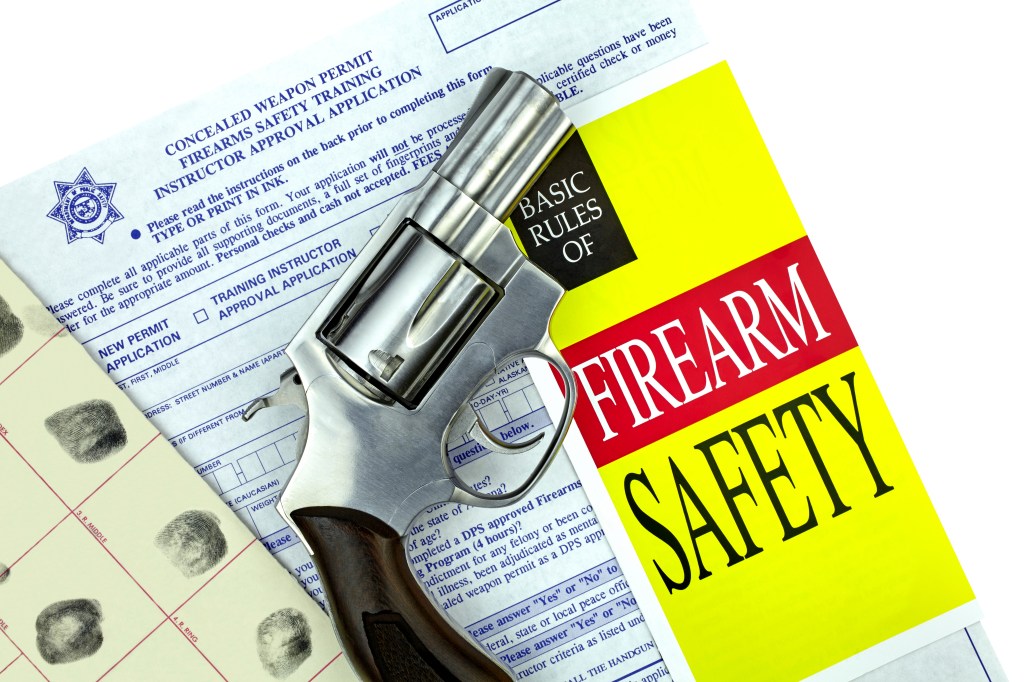
Firearm laws vary by state, so it is important to understand the requirements in your state before purchasing. Some states require a permit to purchase, a license to own, or a firearm safety certificate before taking possession. Purchases also generally require a background check, which may include screening of criminal and mental health history.
Know what documents you may need
When purchasing a firearm, you may need to provide a valid government-issued photo ID and proof of residency. Federal law generally requires buyers to be at least 18 for long guns and 21 for handguns when purchasing from a licensed dealer. Some states may also require approved safety devices or proof that you own a gun safe that meets state standards.
Use this guide as a starting point
This article is intended to help new gun owners think through the early steps of responsible ownership. Due to varying laws and requirements, direct any legal, safety, or technical questions to an attorney or expert.
Week 1: Secure Storage for Your New Gun Before Accessories
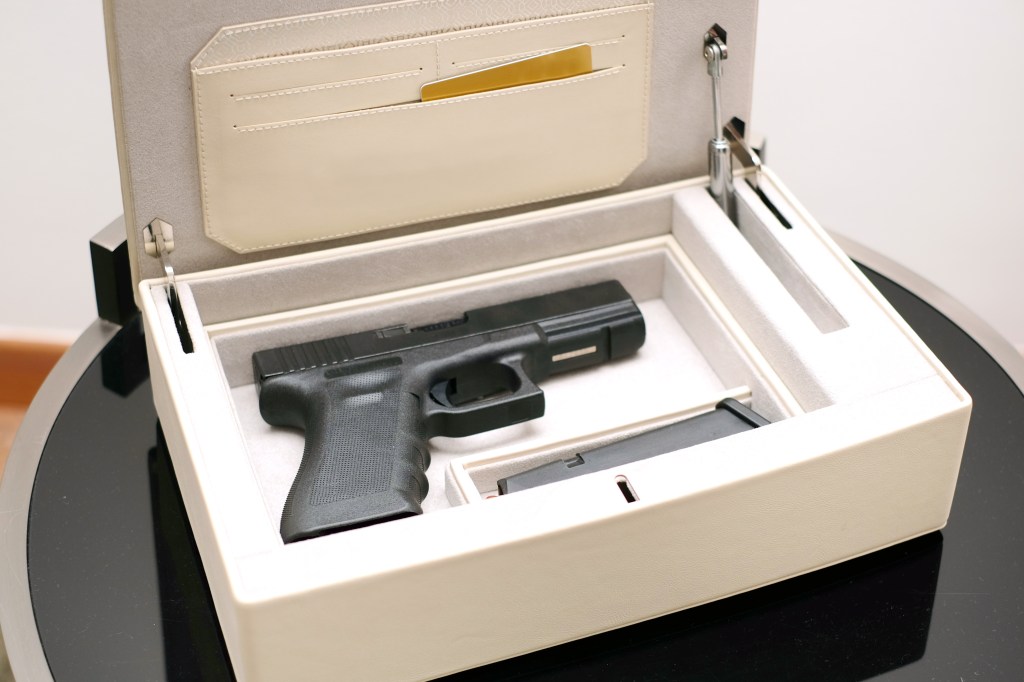
Secure storage should be one of the first priorities for any new firearm owner. Choosing the right setup helps protect people in the home, keeps firearms organized, and supports safer long-term ownership habits.
Storing firearms
Firearms should be stored unloaded, locked with a safety device or cable locks, and kept in a locked container to prevent injury or death, especially in homes with children. Ammo should be stored separately to maintain controlled, secure access. The goal is maximum safety: only you or an authorized person should access the firearm, whether it’s your first gun or part of a larger collection.
- Handgun storage: A small gun safe is often suitable for storing one to five handguns and may also accommodate a few long guns. Choosing the right size helps keep firearms secure and prevents overcrowding. Compact safes typically range from 4 to 17 inches in height, 13 to 15 inches in width, and 10 to 15 inches in depth.
- Rifle and shotgun space: Long guns often require more space than new owners expect. A large gun safe may accommodate 10 or more firearms and typically needs substantial vertical height, around 58 inches or more, along with enough width for scoped rifles. Shotguns may also require additional height and wider spacing because of their design.
- Leave room for accessories: When choosing a safe, new owners should also account for accessories such as ammunition, scopes, bipods, and cleaning supplies. These items can take up significant space, and accessories like scopes or bipods may use as much room as additional long guns.
Week 2: Learn Safe Direction Rules for New Gun Owners
Every responsible owner should understand muzzle discipline, trigger awareness, loading procedures, and safe handling practices. These fundamentals reduce risk and create confidence.
Basic gun safety rules
Before regularly handling firearms, new gun owners should build a strong understanding of basic safety practices.
- Safe handling starts with muzzle awareness and treating it as if it’s a loaded firearm. Always keep the gun pointed in a safe direction, even if you think it’s unloaded. Keep your finger off the trigger and outside the trigger guard unless ready to shoot. Always check that a firearm is unloaded before handling it and keep it unloaded when not in use.
- Always treat every firearm as if it could fire at any moment, never relying solely on safety mechanisms. Be aware of your target and what lies beyond it, as you lose control once a shot is fired.
- Using the correct ammunition is another essential part of responsible ownership, since the wrong bullet or cartridge can create a dangerous situation. New owners should also wear ear and eye protection whenever shooting to help protect their hearing, sight, and overall safety from noise, debris, or other range-related hazards.
- Before use, the barrel should be free of obstructions, and owners should avoid unnecessary alterations or modifications. A regular cleaning and maintenance schedule helps keep the firearm in safe working condition over time.
- Finally, every owner should learn the mechanical characteristics and handling requirements of the specific firearm they use. Understanding how a firearm operates is key to building safe, confident, and responsible gun-ownership habits.
Weeks 3–4: Take a Structured Training Class
Formal instruction accelerates learning and corrects mistakes early. Whether private or group-based, professional training builds competence far faster than trial and error alone.
First-time gun owner training
New owners should also consider taking an introductory safety and marksmanship class from a certified instructor before or immediately after purchasing a firearm. Programs such as NSSF’s First Shots provide a comprehensive introduction to target shooting, including firearm safety, ownership requirements, and hands-on instruction.
Find the right shooting range
New gun owners should take the time to handle different firearms at a range or store to find one that feels comfortable and suits their shooting style before making a purchase. Choosing a firearm that feels manageable and appropriate can make early training feel more approachable and help build confidence from the start.
Why range time matters
Going to the range regularly helps develop muscle memory, which is essential for safely handling a firearm in different scenarios. Regular range practice is recommended so gun owners can safely handle their firearms when the need arises, ideally aiming for at least once a month.

Month 2: Build a Maintenance and Cleaning Routine
Regular cleaning and inspection help keep a firearm reliable and protect its long-term value. Early maintenance habits help prevent corrosion, neglect, and avoidable wear.
Cleaning and maintenance
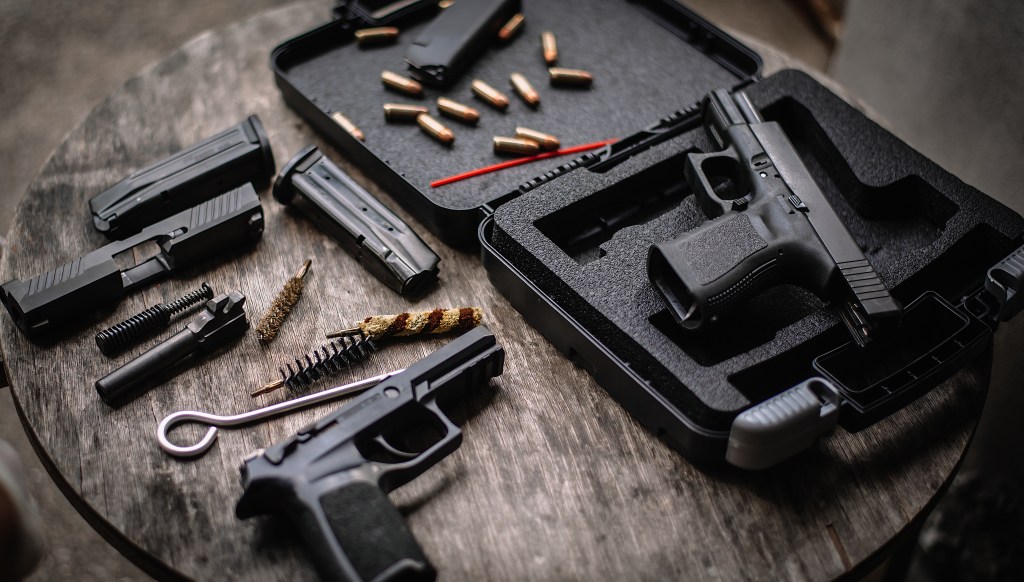
Cleaning focuses on removing buildup, such as oil, dust, dirt, residue, and fine particles that can collect over time. The right cleaning schedule depends on how often the firearm is used, stored, and exposed to different conditions. Maintenance goes a step further by including routine inspections and a closer look at the firearm’s overall condition. For new owners, the owner’s manual is the best starting point for understanding the recommended care schedule for a specific model.
A basic cleaning setup may include a cleaning rod, patches, solvent, lubricant, and a mat or safe work surface. New owners should also learn when dry fire is appropriate for their specific firearm and when it should be avoided or done only with snap caps.
Create a routine you can keep up with
A good maintenance routine should include basic safety checks, function checks, and visual inspections. These steps can help identify loose parts, cracks, rust, or other concerns before they become more serious. Building this habit early gives new owners a simple way to stay familiar with their firearm and understand when something may need professional attention.
How often you clean and inspect a firearm depends on its use, storage conditions, and the environment it is exposed to. The key is to make maintenance part of your ownership routine, not something you only think about when a problem appears. Consistent care supports safe handling, dependable performance, and long-term protection of the collection.
Month 2: Create a Basic Inventory and Documentation System
A clear inventory system helps new firearm owners stay organized, document ownership, and prepare for future insurance needs. The more complete your records are from the start, the easier it is to protect your collection over time.
Start with an inventory spreadsheet
The best way to begin is by creating an inventory spreadsheet that includes each firearm and its key details. To protect your digital inventory, back up the spreadsheet using a cloud service and an external hard drive. Keeping accurate records can help safeguard against theft, natural disasters, heir transfers, and insurance claims.
Document ownership and purchase details
A complete inventory should include serial numbers, make and model, year of manufacture, purchase receipts, photos, rounds fired if known, and any supporting documents such as Certificates of Authenticity. Include where you bought the firearm, how you acquired it, and any documentation related to the first retail purchaser. If you purchased it from a dealer, bought it at a gun show, or received it as a gift, keep any documents that show how it was acquired.
Track storage, care, and insurance information
Your inventory should also specify the firearm’s storage location, such as a safe or firearm room, along with security measures like alarms and cameras. Add shooting records, maintenance notes, services performed, firearm transfers, registration requirements, and any notes that could help identify the firearm later. You should also save purchase receipts, scan and upload them to the spreadsheet, and list your insurance company and its contact details. Keeping these details together creates a fuller picture of the firearm’s condition, care, and history over time.
Month 2: Understanding Safe Transportation and Range Etiquette
Safe transportation and range etiquette are important parts of responsible firearm ownership. New owners can reduce stress and avoid confusion by learning the basic rules before their first trip to the range or across state lines.
Plan for safe vehicle transport
When traveling by vehicle or car, keep firearms and ammunition out of reach, and ensure the firearm is unloaded before packing. If the vehicle does not have a trunk or cargo area, federal law requires firearms or ammunition to be stored in a locked container, not in the glove compartment or console. A locked, hard-sided container or case can help prevent unauthorized access and support compliance.
Route planning
Although federal law protects lawful interstate transport, state and local laws can vary significantly. Some states treat high-capacity magazine bans differently, and the protections under the Firearm Owners Protection Act (FOPA) may not apply to such bans. Travelers should verify firearm laws in their origin and destination states, as well as any states along their route, especially if they plan to stop overnight or stay longer in areas with stricter regulations.
Keep important documents with you
During transport, keep bills of sale, ownership documentation, carry permits, and approved ATF forms with you. Having these records available can help support lawful ownership and make travel easier if questions arise during the trip.
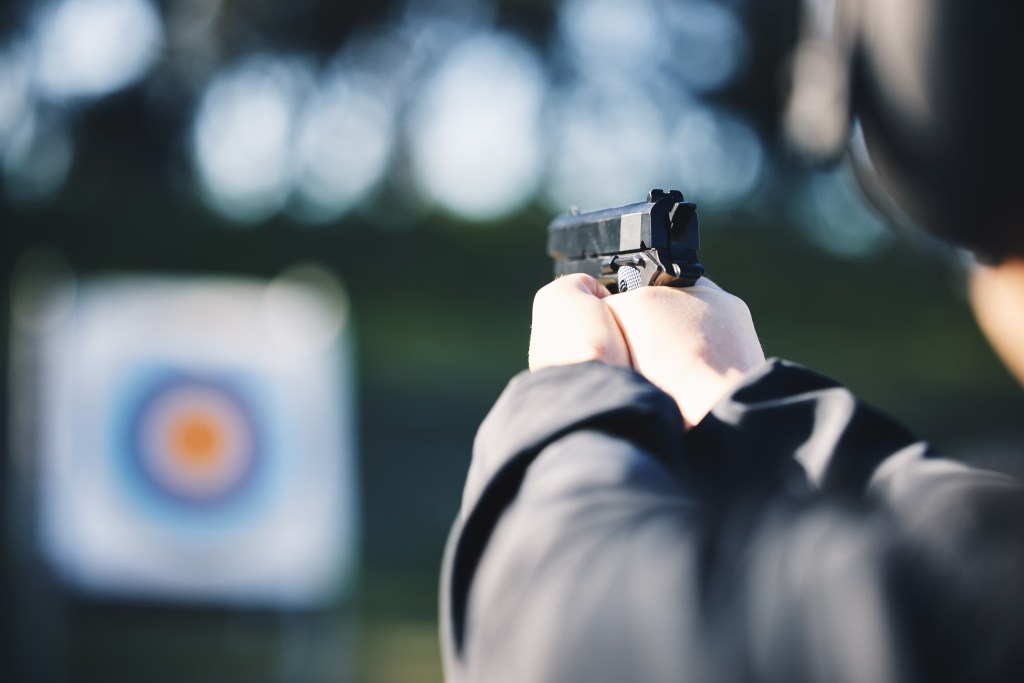
Month 3: Shooting Sports, Holster Basics, and Skills Beyond Basic Ownership
After new owners have established safe storage, basic handling habits, and a training foundation, they can begin thinking about how to continue building confidence over time. Month three is a good opportunity to explore new skills while reinforcing the safety practices learned earlier.
Continue developing your skills
Once safety and storage are established, owners can begin refining marksmanship, learning field skills, practicing with a holster when appropriate, or exploring collecting interests. Continued education strengthens both confidence and responsibility and helps owners stay engaged beyond the basics.
Explore your area of interest
Shooting sports, hunting, self-defense, and collecting each require different knowledge and practice. New owners should choose the path that fits their goals while continuing to handle firearms safely and responsibly in every setting.
Stay consistent with safe habits
Even as confidence grows, owners should never become too comfortable or skip the basics. Regular practice, ongoing instruction, and careful handling help reinforce safe ownership habits for the long term. Training and education should be high on the list of must-dos for any newcomer, with a wealth of courses available that cover safe handling, shooting fundamentals, and advanced skills.
Building Long-Term Habits That Protect You and Your Collection
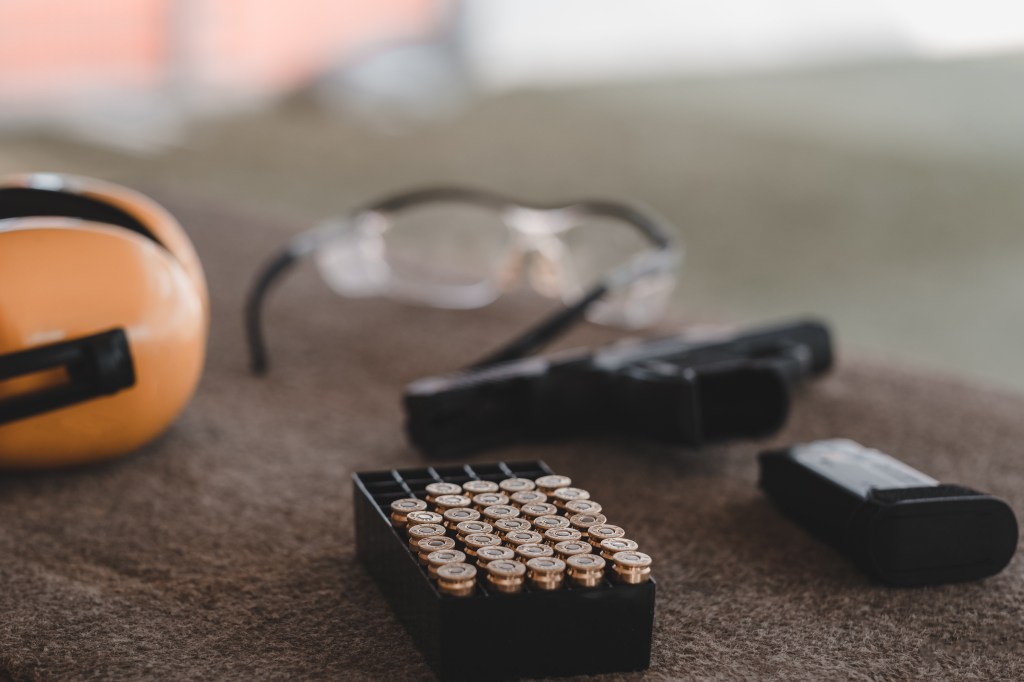
Long-term firearm ownership works best when safe habits become part of a regular routine. The best firearm owners follow repeatable systems for storage, training, maintenance, and documentation, and those strong habits formed early can support safer ownership and better long-term collection care.
Choosing the Right Insurance Protection
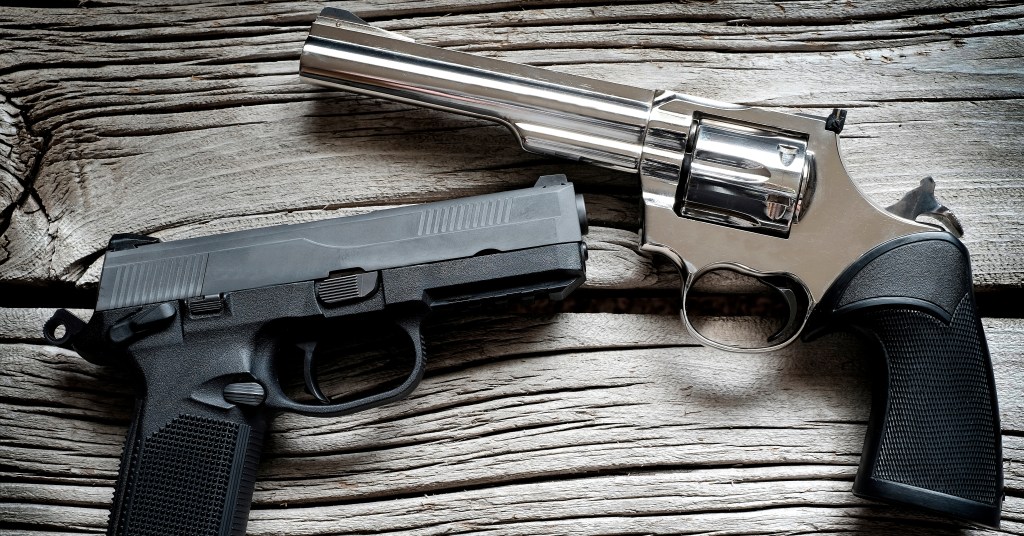
Insurance is an important part of protecting a firearm collection as it grows. Standard homeowners insurance may not fully cover firearms, accessories, or collectibles, so reviewing policy options early and considering specialty firearms coverage can help new owners avoid coverage gaps and better understand what kind of protection may be needed.
Whether your first firearm is a handgun for home protection, a rifle for hunting, or a new gun for the range, responsible ownership in the real world starts with safe storage, reliable training, careful maintenance, and the awareness that a single unsafe moment can happen fast.
This article is intended for informational purposes only and you should not interpret anything contained in it as legal advice. Collectibles Insurance Services, LLC, its parents, affiliates, and anyone connected with them are not responsible or liable in any way for your use of the information contained in or linked to from this article. Reliance on the information provided in this article is solely at your own risk. If you have questions about gun laws or any of the topics addressed in the article, you should contact an attorney or subject-matter expert.
Sources
https://www.army.mil/article/164048/basic_firearm_safety_starts_with_owner_proper_training
https://ssgsa.co.za/firearm-training-explained/
https://www.libertysafe.com/blogs/the-vault/first-time-gun-owners-checklist
https://mycubesafe.com/blogs/security/what-to-consider-as-a-first-time-gun-owner
https://tactibeaver.com/blogs/firearms-fundamentals/what-do-i-need-as-a-first-time-gun-owner
https://www.themeateater.com/hunt/firearm-hunting/5-things-every-new-gun-owner-should-know
https://www.letsgoshooting.org/resources/articles/new-shooters/you-bought-your-first-gun-welcome-heres-what-to-do-next
https://oag.ca.gov/firearms/tips
https://www.nssf.org/safety/rules-firearms-safety